Manaslu Base Camp Trek
Price From: N/A
17 Days/16 Nights
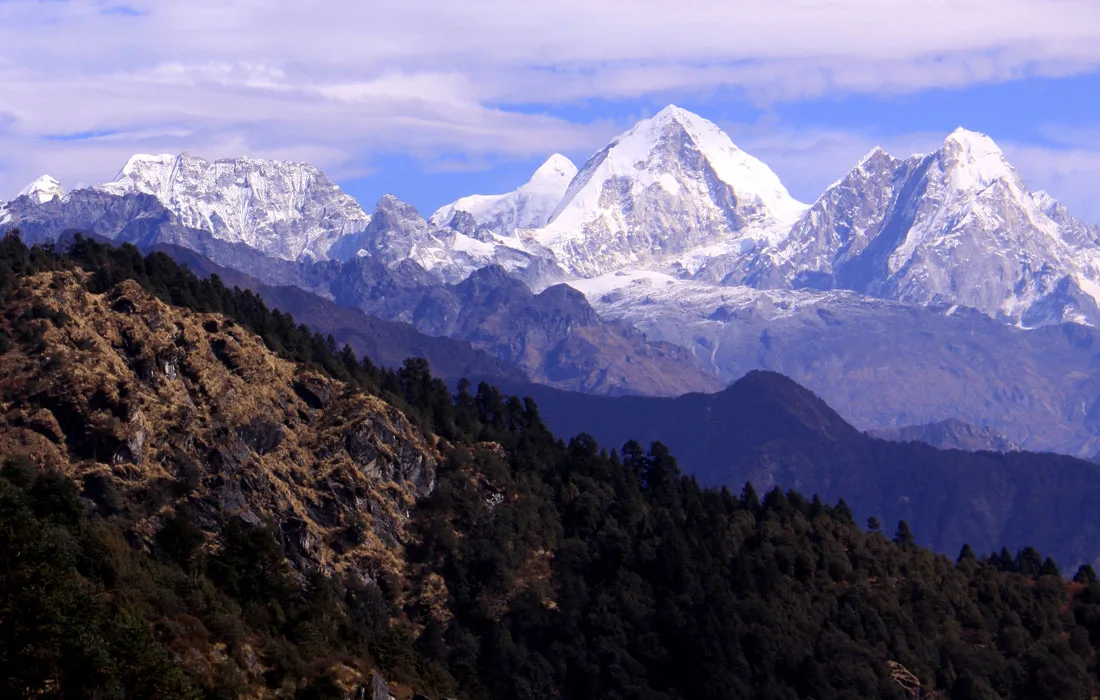
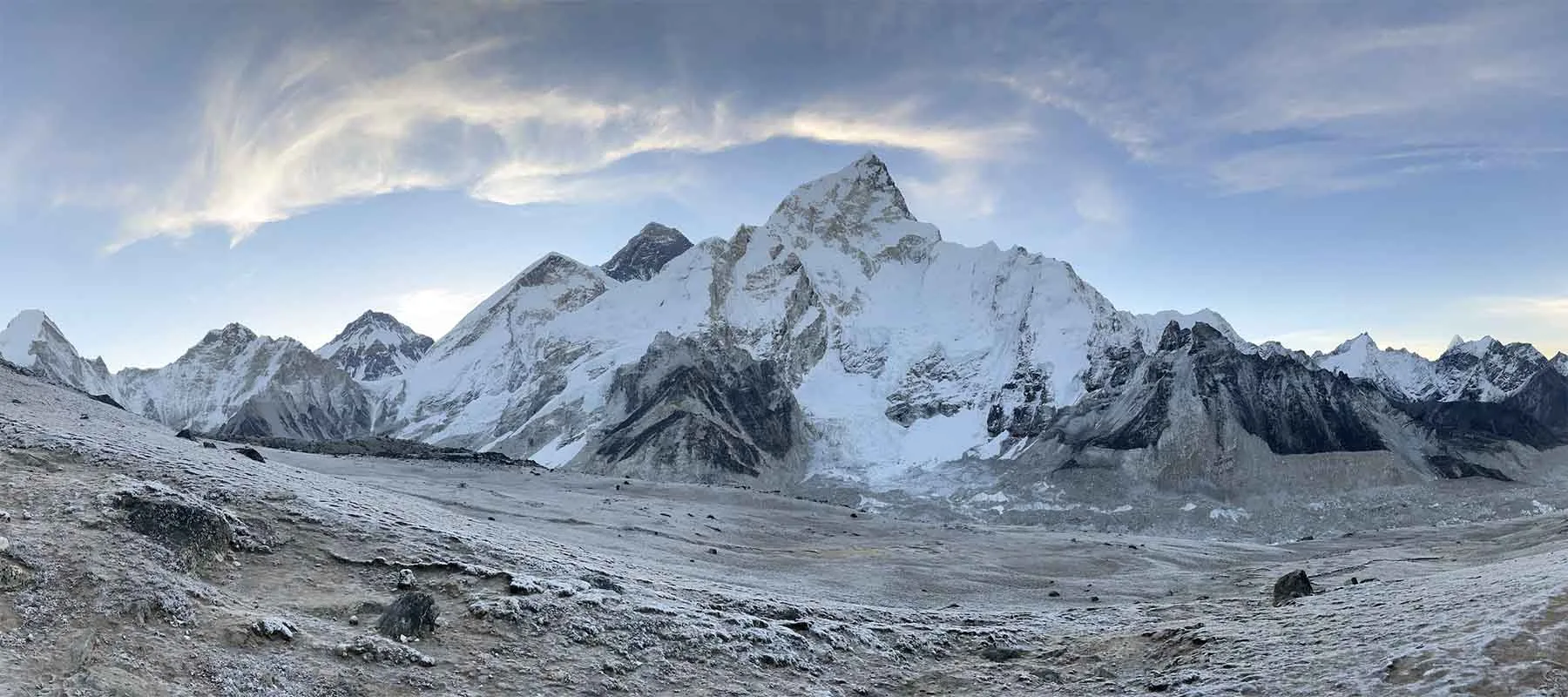
The Three Passes Trek is one of the most exhilarating and demanding treks in the Everest region of Nepal, offering a truly unforgettable adventure for experienced trekkers. Known for its high-altitude mountain passes and stunning views of some of the world’s tallest peaks, the trek presents both physical and mental challenges, making it an ideal expedition for seasoned adventurers seeking an off-the-beaten-path experience. Three Majestic High Passes The Three Passes Trek involves crossing three high-altitude passes—Kongma La Pass (5,535 meters), Cho La Pass (5,420 meters), and Renjo La Pass (5,340 meters). These passes provide a thrilling experience of navigating rugged terrain while offering some of the most breathtaking panoramic views in the world. Panoramic Views of the Himalayas Throughout the trek, trekkers are treated to awe-inspiring views of Everest (8,848 meters), Lhotse (8,516 meters), Nuptse (7,861 meters), Makalu (8,485 meters), and many other Himalayan peaks. The trekking route also offers picturesque views of glaciers, valleys, and traditional Sherpa villages nestled in the foothills of the mountains.
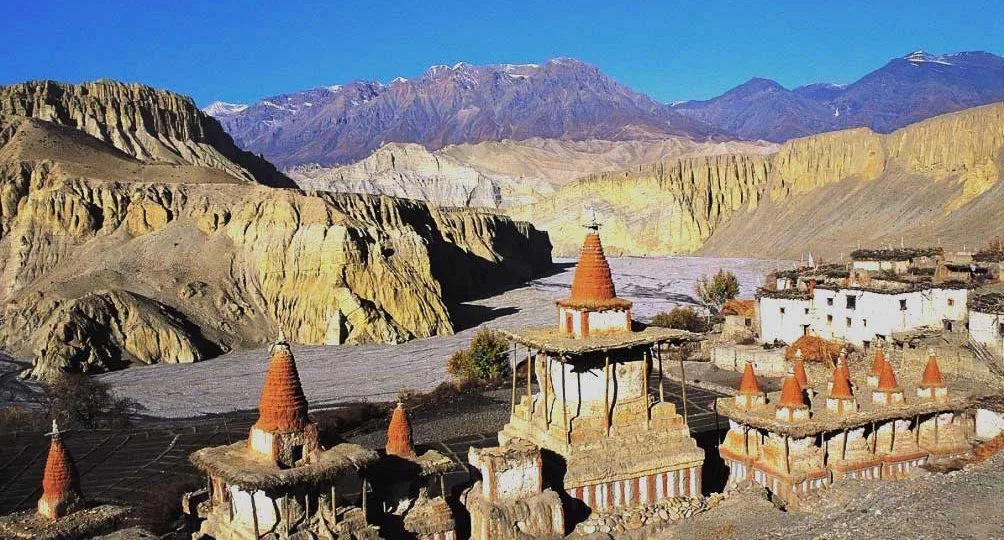
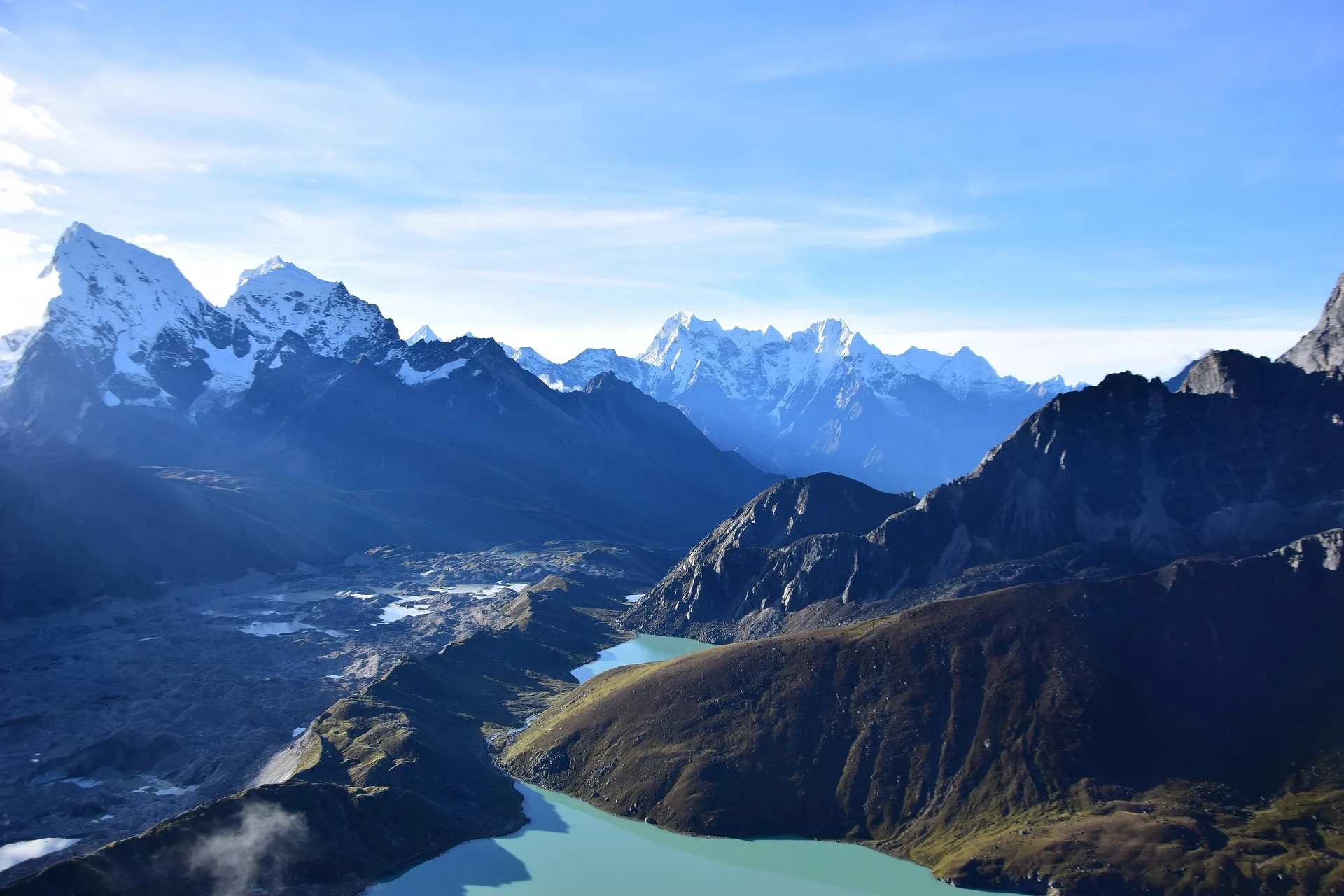
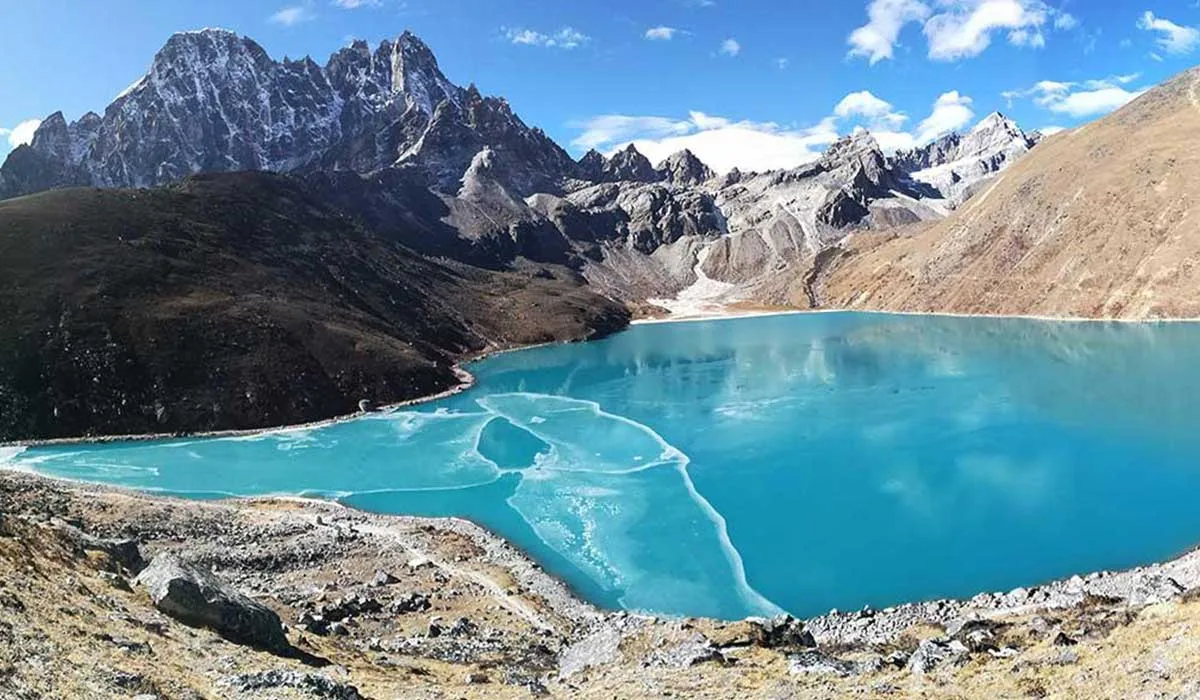
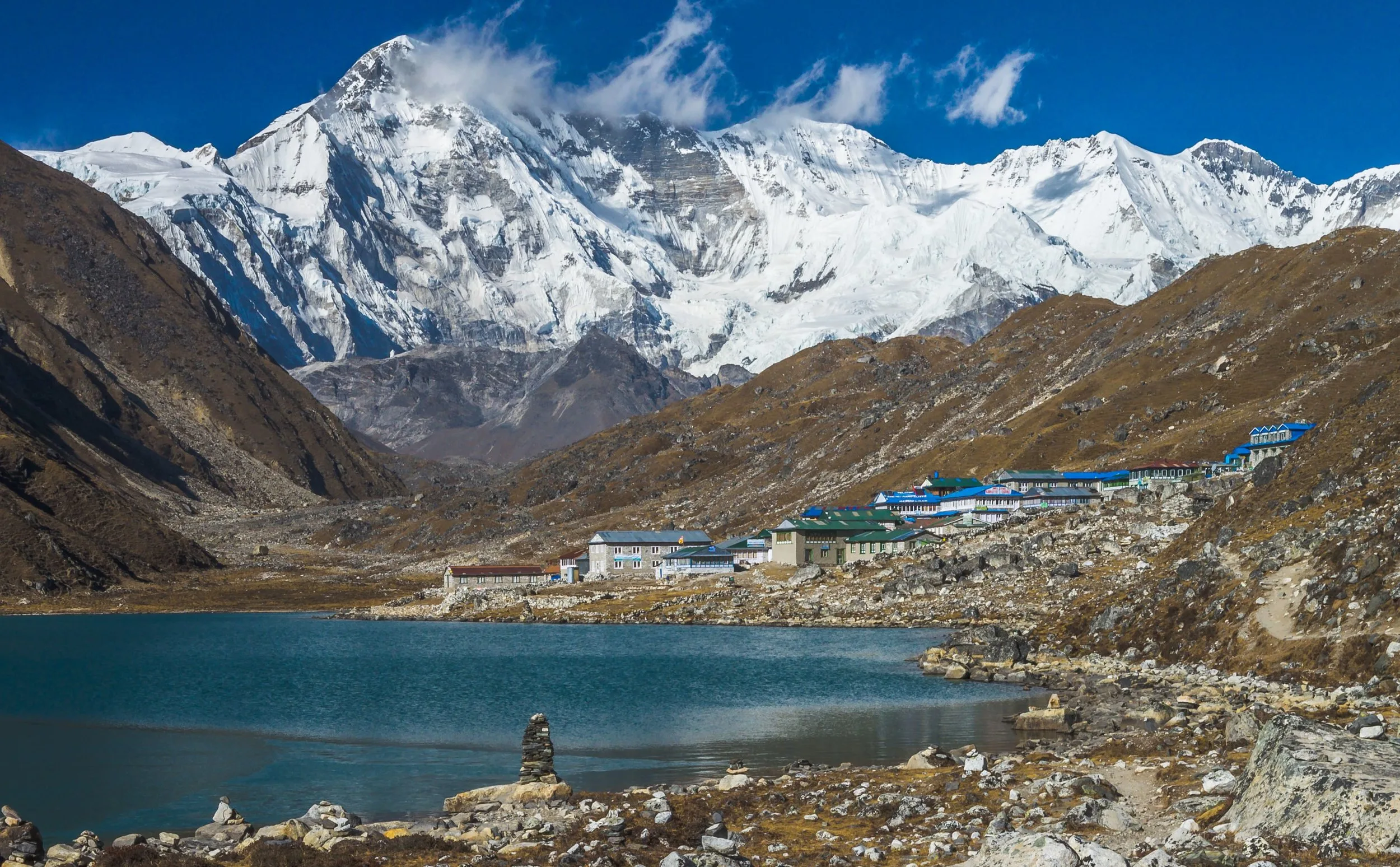
Cultural Immersion Along the way, trekkers will have the opportunity to explore remote Sherpa villages, including Namche Bazaar, Tengboche, Dingboche, and Gokyo. These villages are rich in Sherpa culture and offer a glimpse into the daily lives of the people who call this rugged region home. Visitors can experience traditional Sherpa hospitality, visit Buddhist monasteries, and learn about the region’s customs and practices. Gokyo Lakes As part of the trek, adventurers will visit the spectacular Gokyo Lakes, a series of glacial lakes nestled at the foot of the Gokyo Ri peak. These lakes are renowned for their stunning turquoise waters set against the backdrop of towering peaks, creating a serene and majestic atmosphere.
Challenging Terrain The trek involves a combination of steep ascents, rocky trails, and high-altitude passes that require physical fitness and endurance. The terrain ranges from alpine forests and meadows to rugged mountain landscapes, providing an immersive experience in the heart of the Himalayas. Detailed Itinerary The Three Passes Trek generally spans 18 to 22 days, depending on the pace and acclimatization needs of the trekkers. The trek starts with a flight to Lukla, a small mountain town that serves as the gateway to the Everest region. From there, the journey takes trekkers through Namche Bazaar, the commercial hub of the Khumbu region, before continuing towards the high-altitude passes.
Lukla to Namche Bazaar (3,440 meters) After landing in Lukla, trekkers will embark on their first leg of the trek towards Namche Bazaar, a bustling market town where trekkers can acclimatize and prepare for the more challenging sections ahead. The trail passes through dense forests, suspension bridges, and offers stunning views of Everest and other peaks. Namche Bazaar to Tengboche (3,867 meters) From Namche, trekkers continue to Tengboche, where they can visit the Tengboche Monastery, one of the most important Buddhist monasteries in the region. The monastery is perched on a hilltop, offering spectacular views of Mount Everest, Lhotse, and Ama Dablam.
Tengboche to Dingboche (4,410 meters) Continuing along the trail, trekkers reach Dingboche, a small Sherpa village located at the base of the Himalayas. This is an ideal location to rest and acclimatize before attempting the high passes. Dingboche to Chukhung (4,730 meters)After leaving Dingboche, trekkers head to Chukhung, a small settlement near the base of Island Peak. Chukhung serves as the launch point for the crossing of the Kongma La Pass. Kongma La Pass (5,535 meters) The first of the three passes, Kongma La Pass, is a steep ascent that challenges trekkers both physically and mentally. Once at the top, trekkers are rewarded with panoramic views of the surrounding peaks, including Mount Makalu, the fifth-highest mountain in the world. The descent from the pass leads trekkers to Lobuche.
Lobuche to Gorak Shep (5,164 meters) From Lobuche, trekkers make their way to Gorak Shep, a small settlement at the foot of Mount Everest. This is the base camp for those seeking to summit Everest, but for most trekkers, it serves as the starting point for the final push to Everest Base Camp and the second high pass, Cho La. Cho La Pass (5,420 meters)The Cho La Pass offers another physically demanding challenge, as trekkers must cross a glacier and navigate rugged terrain. However, the views at the top are well worth the effort, with views of Everest, Lhotse, and the surrounding peaks. After crossing the pass, trekkers descend into the Gokyo Valley. Gokyo Lakes and Gokyo Ri (5,357 meters) The trek then takes trekkers to the stunning Gokyo Lakes, where they can marvel at the turquoise waters and serene landscapes. From Gokyo, trekkers can also climb Gokyo Ri for panoramic views of the Everest region, including Everest, Makalu, and Cho Oyu.
Renjo La Pass (5,340 meters) The final pass on the trek, Renjo La, provides yet another challenge but offers incredible views of the Everest massif and the surrounding valleys. After crossing Renjo La, trekkers descend into the picturesque village of Thame. Thame to Lukla The final leg of the trek takes trekkers back to Lukla, where they can rest and reflect on the incredible journey they’ve completed before flying back to Kathmandu. The Three Passes Trek is a remarkable adventure that combines challenging terrain, breathtaking views, and cultural immersion. For those seeking an unforgettable trekking experience in the Everest region, this trek offers a once-in-a-lifetime opportunity to conquer three high-altitude passes, witness the grandeur of the Himalayas, and immerse oneself in the heart of Sherpa culture. It is a demanding trek that requires stamina, preparation, and mental resilience, but the rewards are truly unparalleled. World Trade Travel & Tours Pvt. Ltd. offers expert guidance, safety measures, and a comprehensive itinerary to ensure that trekkers can enjoy this extraordinary experience to the fullest.
Upon your arrival in Kathmandu, the capital of Nepal, you will be transferred to your hotel where you can rest and refresh. In the evening, you will meet your trekking guide who will provide you with a detailed briefing on the Three Passes Trek, including safety guidelines, necessary preparations, and an overview of the upcoming days. You will also have the opportunity to ask any questions and get your trekking permits sorted. Overnight in Kathmandu.
The day begins with an early morning flight from Kathmandu to Lukla, a small mountain town located at 2,840 meters, which serves as the starting point of the trek. The 30-minute scenic flight offers stunning views of the Himalayan mountains, and upon arrival in Lukla, you will meet your trekking crew. The trek begins with a descent to the Dudh Koshi River, followed by a gentle ascent to the village of Phakding (2,610 meters), where you will spend the night. The trail is relatively easy, and you’ll pass through charming Sherpa villages and scenic landscapes.
Today, you will trek from Phakding to Namche Bazaar (3,440 meters), a vibrant Sherpa town often referred to as the gateway to the Everest region. The trail takes you through beautiful forests of rhododendron and pine trees, crossing several suspension bridges along the way, including the famous Hillary Suspension Bridge. As you approach Namche Bazaar, you will be rewarded with your first views of Mount Everest. Namche Bazaar is a bustling town with local markets, cafes, and lodges, where you will spend the night.
To help your body adjust to the high altitude, you will take a rest day in Namche Bazaar. It is essential to acclimatize to avoid altitude sickness as you will be trekking at higher elevations in the coming days. During this day, you can explore the town, visit the Sherpa Culture Museum to learn about the region’s rich history and culture, and enjoy panoramic views of the surrounding peaks, including Everest, Lhotse, and Ama Dablam. A short hike to the nearby viewpoint is recommended for acclimatization.
After acclimatizing, you will continue your trek to Tengboche (3,867 meters). The trail ascends steadily, offering stunning views of the Everest, Nuptse, and Lhotse mountains. You will pass through lush forests and cross the Dudh Koshi River again, gradually making your way towards the famous Tengboche Monastery. This monastery, perched at the edge of a ridge, is one of the most important spiritual sites in the Everest region and offers magnificent views of Everest and surrounding peaks. You will overnight in Tengboche.
The trek continues to Dingboche (4,410 meters), a beautiful village surrounded by fields and stone walls that protect crops from the harsh winds of the high Himalayas. The day’s trek is moderate, and you will pass through picturesque forests and meadows, with views of Ama Dablam, one of the most iconic peaks in the Khumbu region. Dingboche is a popular stopping point for trekkers heading towards Everest Base Camp and other high-altitude destinations.
As part of your acclimatization process, you will take another rest day in Dingboche. This is an excellent opportunity to rest and prepare for the upcoming challenges. You can also take a short hike to Nagarjun Hill (5,100 meters), which offers panoramic views of the surrounding peaks, including Makalu, Lhotse, and Island Peak. This hike will help with your acclimatization, and you will return to Dingboche for an overnight stay.
From Dingboche, you will trek towards Lobuche (4,940 meters), a small settlement located near the Khumbu Glacier. The trail gradually ascends, and you will pass through rocky terrain with stunning views of Everest, Pumori, and other Himalayan peaks. The walk is more challenging as you gain altitude, but the spectacular mountain vistas make the effort worthwhile. Lobuche will be your base for the night.
Today is one of the most exciting days of the trek as you head towards Gorak Shep (5,164 meters), the last settlement before Everest Base Camp. After arriving in Gorak Shep, you will take a detour to Everest Base Camp (5,364 meters), the legendary base of Mount Everest. The trail to Base Camp offers amazing views of the Khumbu Icefall and the surrounding peaks. After spending some time at Everest Base Camp, you will return to Gorak Shep for an overnight stay.
An early morning hike to Kala Patthar (5,545 meters) will offer the most iconic views of Mount Everest, with the sun rising over the mountain range. After soaking in the breathtaking views, you will descend to Gorak Shep and continue your trek towards Dzongla (4,830 meters) via the challenging Cho La Pass (5,420 meters). The pass is often covered in snow and ice, so it requires careful navigation, but the views from the top are truly magnificent.
The trek today takes you from Dzongla to Thangnak (4,750 meters) via Dragnag. This part of the trek offers stunning views of Cho Oyu, the sixth-highest mountain in the world, and the surrounding peaks. The trail winds through rocky terrain and glaciers, and you will spend the night in Thangnak, a small settlement with spectacular mountain views.
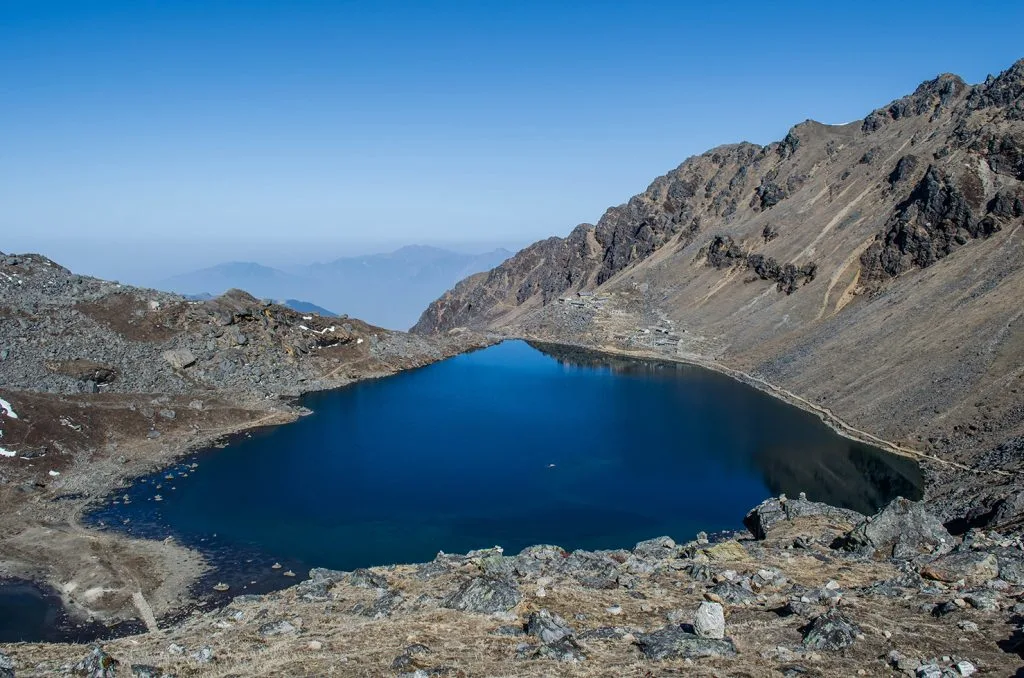
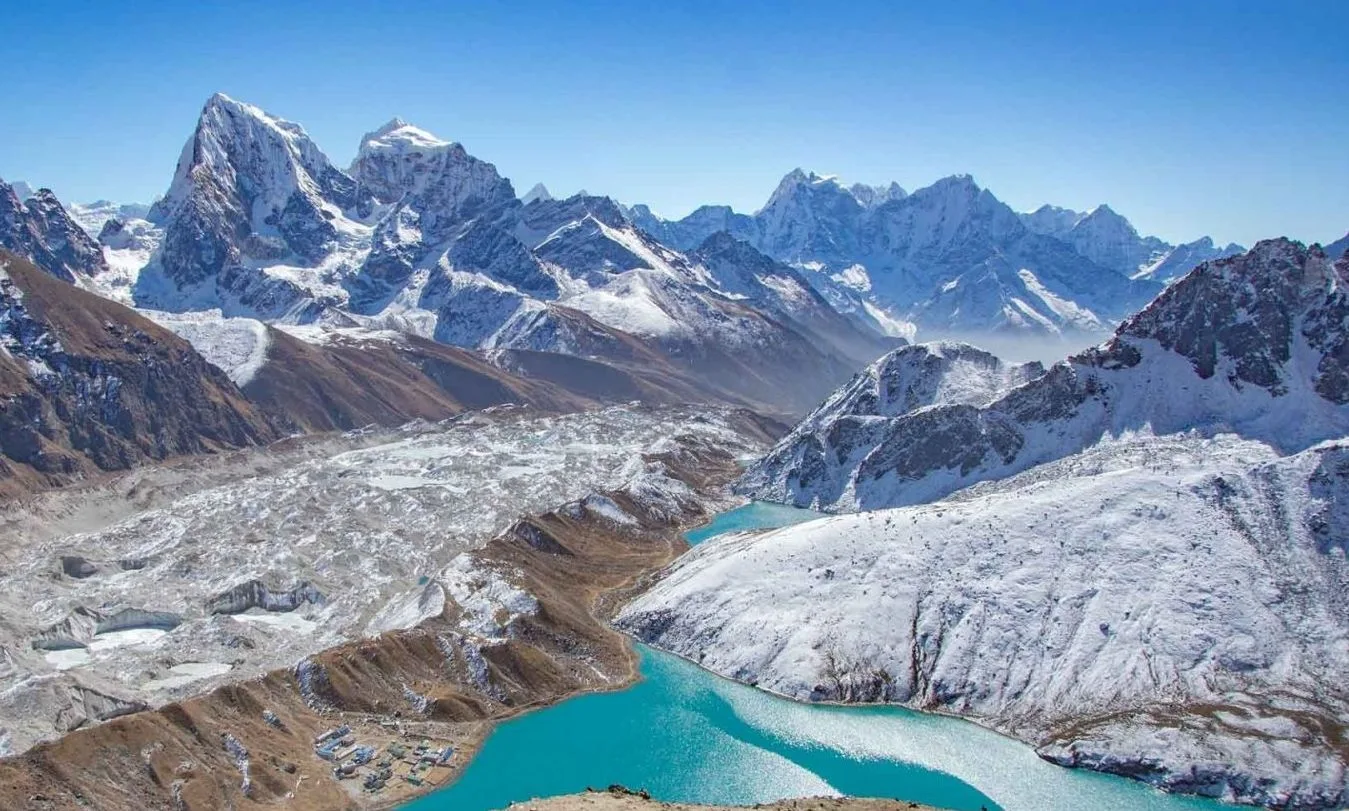
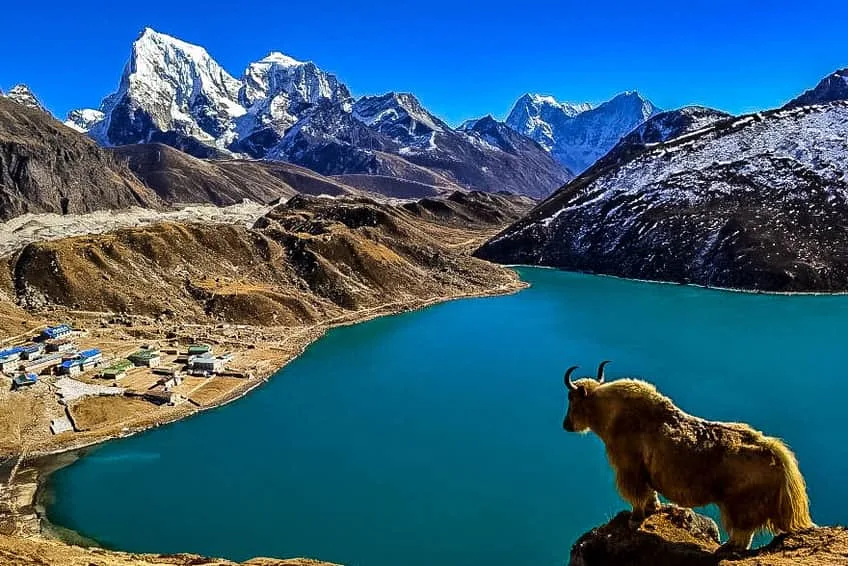
Today, you will trek to Gokyo (4,790 meters), a village situated beside the serene Gokyo Lakes. This is one of the most beautiful spots on the trek, with crystal-clear turquoise waters set against a backdrop of towering peaks, including Cho Oyu. After arriving in Gokyo, you will have the opportunity to explore the Gokyo Lakes and the Ngozumpa Glacier, the largest glacier in Nepal.
An early morning hike to Gokyo Ri (5,357 meters) will reward you with some of the most spectacular views in the Himalayas, including Everest, Lhotse, Makalu, and Cho Oyu. Afterward, you will begin your trek towards Lungden (4,380 meters) via the scenic Renjo La Pass (5,340 meters). This pass is less traveled, offering a sense of remoteness and tranquility. Upon descending from the pass, you will spend the night in Lungden.
From Lungden, you will trek to the village of Thame (3,820 meters), known for its monastery and tranquil atmosphere. After exploring Thame, you will descend to Namche Bazaar, retracing your steps along the familiar trails of the Everest region.
The final leg of the trek takes you from Namche Bazaar back to Lukla, where you will celebrate the completion of the Three Passes Trek. The trek is relatively easy, and you will have time to reflect on the incredible journey you’ve just undertaken.
After a memorable adventure, you will take a morning flight from Lukla back to Kathmandu. Once in Kathmandu, you can relax, explore the city’s rich cultural heritage, or simply rest after the long trek. This is your final day to unwind before returning home, and you can take part in a celebratory dinner with your trekking crew to mark the end of your incredible journey.
| Start Date | End Date | Price | Space Left | |
|---|---|---|---|---|
| February 3, 2025 Friday | February 28, 2025 Monday | $ 2877 | 07 | Book |
| March 4, 2025 Friday | February 24, 2025 Monday | $ 2879 | 09 | Book |
| March 23, 2025 Sunday | April 16, 2025 Tuesday | $ 2880 | 05 | Book |
Accommodation during the Island Peak expedition is mainly provided in local teahouses along the trekking route. These teahouses offer basic rooms with twin beds, blankets, and shared bathroom facilities. They provide a comfortable place to rest after long days of trekking through the Himalayas. Although facilities vary between villages, trekkers can generally expect simple rooms and essential services throughout the journey.
As the trail ascends to higher elevations, accommodation becomes more basic because of the remote terrain and limited resources. Facilities near Island Peak Base Camp are particularly limited, and camping may be necessary depending on the expedition arrangements. Trekkers should prepare for colder nights, simple sleeping conditions, and fewer amenities. Carrying suitable warm clothing, personal toiletries, and essential sleeping accessories can help improve comfort during the expedition.
Teahouses along the Island Peak trekking route serve a variety of filling meals to support trekkers during long walking days and demanding mountain activities. Common options include dal bhat (rice and lentils), noodles, momos (dumplings), soups, porridge, potatoes, and other locally available dishes. These meals provide energy for trekking and help maintain strength throughout the journey. Most teahouses offer several choices at lower elevations, allowing trekkers to select meals according to their preferences.
At higher elevations, food options become more limited because supplies must be transported to remote mountain settlements. Menus may focus on simple, carbohydrate-rich meals that are easier to prepare and store. Trekkers are encouraged to eat regularly, maintain a balanced diet, and drink enough fluids throughout the day. Informing the trekking agency about dietary restrictions before departure can also help the team plan suitable meals wherever possible.
The Island Peak expedition requires specific permits for trekking through the Khumbu region and climbing the mountain. These generally include a Sagarmatha National Park entry permit and an Island Peak climbing permit for the summit attempt. A TIMS (Trekkers’ Information Management System) card may also be required, depending on current regulations and the applicable trekking arrangements. The necessary documentation allows trekkers to access designated areas and helps ensure compliance with local requirements.
Permit regulations, fees, and documentation requirements can change, so trekkers should confirm the latest information before beginning their journey. The permits should be arranged in advance to avoid unnecessary delays during the expedition. Working with an experienced trekking agency can simplify the process, as the team can explain which permits apply to the selected itinerary and assist with the required paperwork. Trekkers should also keep their permits and identification accessible for verification at relevant checkpoints.
Altitude sickness is a significant concern during the Island Peak expedition, particularly when trekking above 3,000 meters and approaching the summit at 6,189 meters. As elevation increases, lower oxygen levels can make physical activity more demanding and increase the risk of altitude-related illness. Proper acclimatization is therefore essential, and the itinerary should allow sufficient time for gradual ascent and rest. Trekkers should maintain a steady pace, drink enough fluids, eat nutritious meals, and follow their guide’s recommendations throughout the journey.
Good physical fitness and previous high-altitude trekking experience are strongly recommended because the expedition involves long walking days, steep trails, and challenging alpine terrain. Trekkers should inform their guide promptly if they develop symptoms such as headaches, dizziness, nausea, or unusual fatigue. Severe symptoms, including confusion, difficulty walking, or breathlessness at rest, require urgent medical attention and descent. The summit climb may involve snow, ice, and cold weather, so suitable clothing, appropriate climbing equipment, and guidance from experienced mountain professionals are essential.
The best seasons for the Island Peak expedition are generally spring (March to May) and autumn (September to November). Spring offers increasingly mild temperatures at lower elevations, blooming rhododendrons, and beautiful mountain scenery. These months can provide favorable opportunities for trekking and climbing, although conditions at higher elevations remain cold. The changing landscapes and longer daylight hours can also make the journey particularly rewarding for trekkers exploring the Khumbu region.
Autumn is another popular season because it often brings clear skies, excellent Himalayan views, and relatively stable weather following the monsoon. September to November can offer favorable conditions for trekking through mountain villages and preparing for the summit attempt. However, mountain weather can change quickly in either season, and suitable climbing conditions are never guaranteed. Trekkers should monitor weather forecasts, follow their guide’s advice, and remain flexible with their itinerary to accommodate changing conditions or necessary acclimatization.