Manaslu Circuit Trek
Price From: N/A
15 Days/14 Nights

The Helambu Trek is a picturesque and rewarding journey that offers trekkers a unique opportunity to explore the untouched beauty and cultural richness of the Helambu region, located just north of Kathmandu, Nepal. Known for its tranquil atmosphere, stunning landscapes, and rich Sherpa culture, the Helambu Trek provides the perfect blend of natural beauty, spiritual immersion, and cultural exploration. The trek is ideal for those looking for a moderate yet fulfilling adventure, surrounded by awe-inspiring mountain views and serene landscapes. The journey begins with a scenic drive from Kathmandu to Sundarijal, a small town located on the outskirts of the Kathmandu Valley. From Sundarijal, trekkers start their adventure by heading toward the lush greenery of Shivapuri National Park. The trek is characterized by its moderate ascent through rich forests, terraced farmlands, and charming rural villages, offering glimpses into the daily lives of the Tamang and Sherpa communities that inhabit the region.
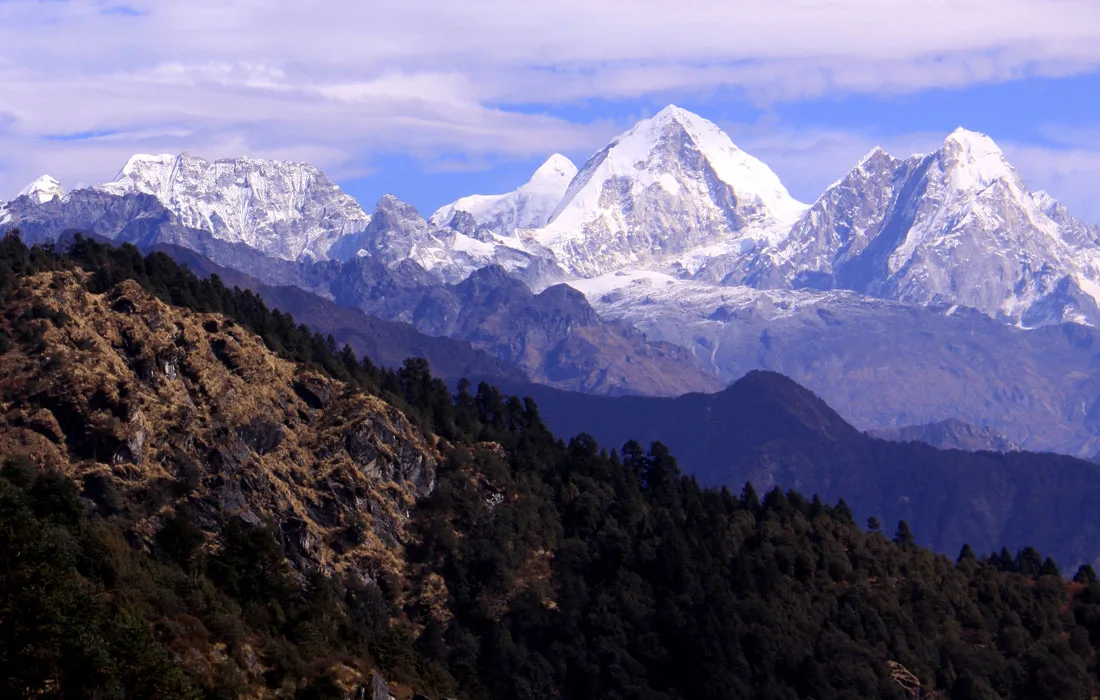
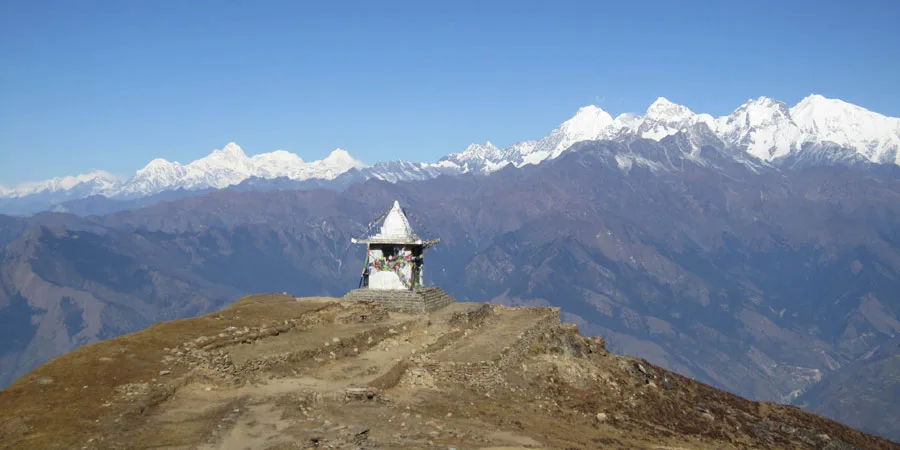
The Helambu Trek is considered one of the less crowded trekking routes, allowing trekkers to enjoy a peaceful and more intimate experience with nature. As trekkers make their way through the varied terrain, they are treated to panoramic views of snow-capped peaks including Langtang Himal, Ganesh Himal, and even glimpses of Everest on clear days. This trek is perfect for those who want to escape the hustle and bustle of urban life while enjoying the captivating natural beauty of the Himalayas.
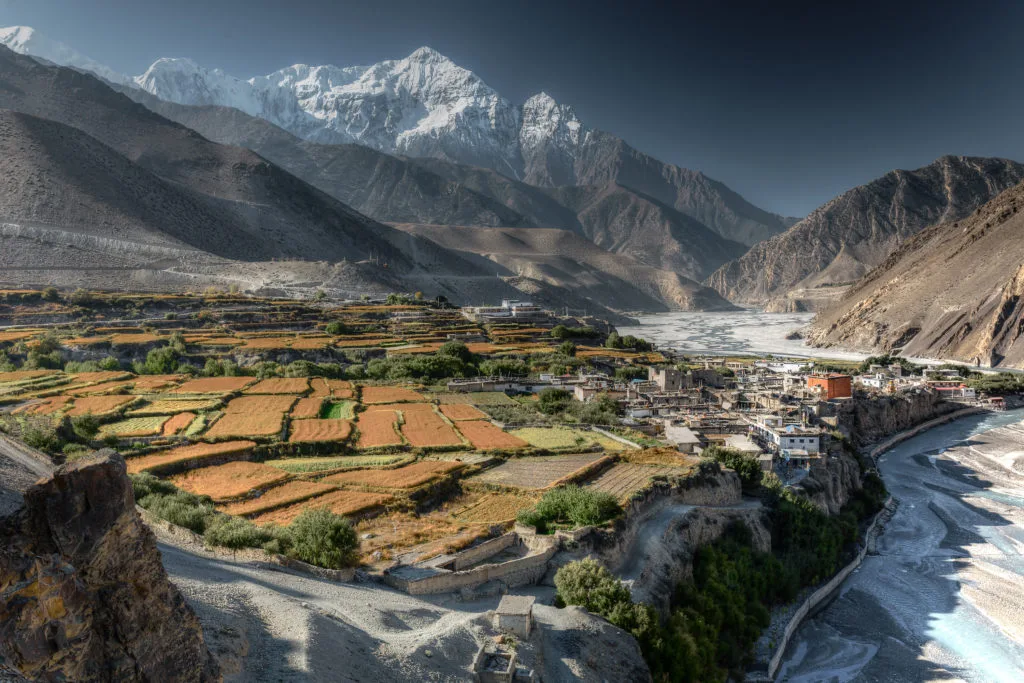
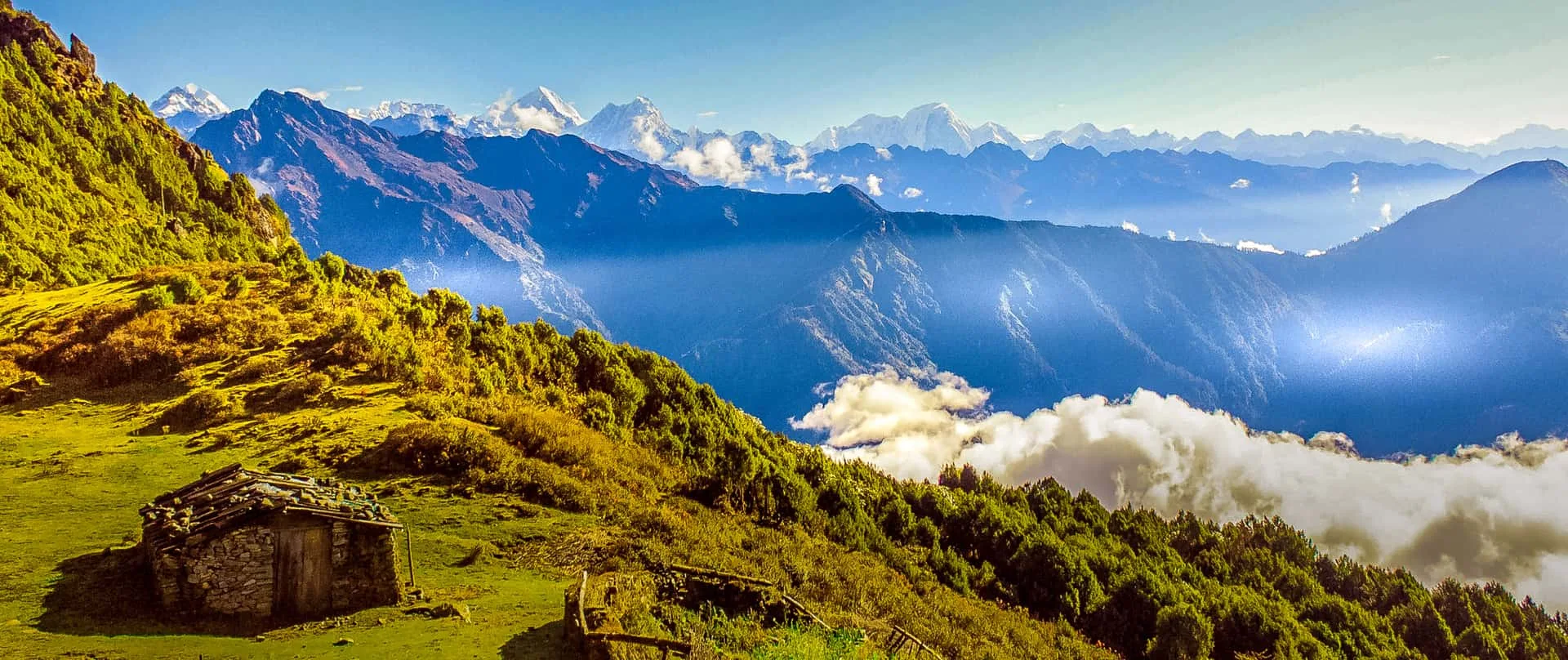
One of the standout features of the Helambu Trek is its ever-changing landscape. The trail meanders through rhododendron and oak forests, terraced fields, alpine meadows, and traditional villages. The forested paths are particularly enchanting in spring when the rhododendrons bloom in vibrant shades of pink, red, and white, creating a colorful spectacle that adds to the charm of the trek.
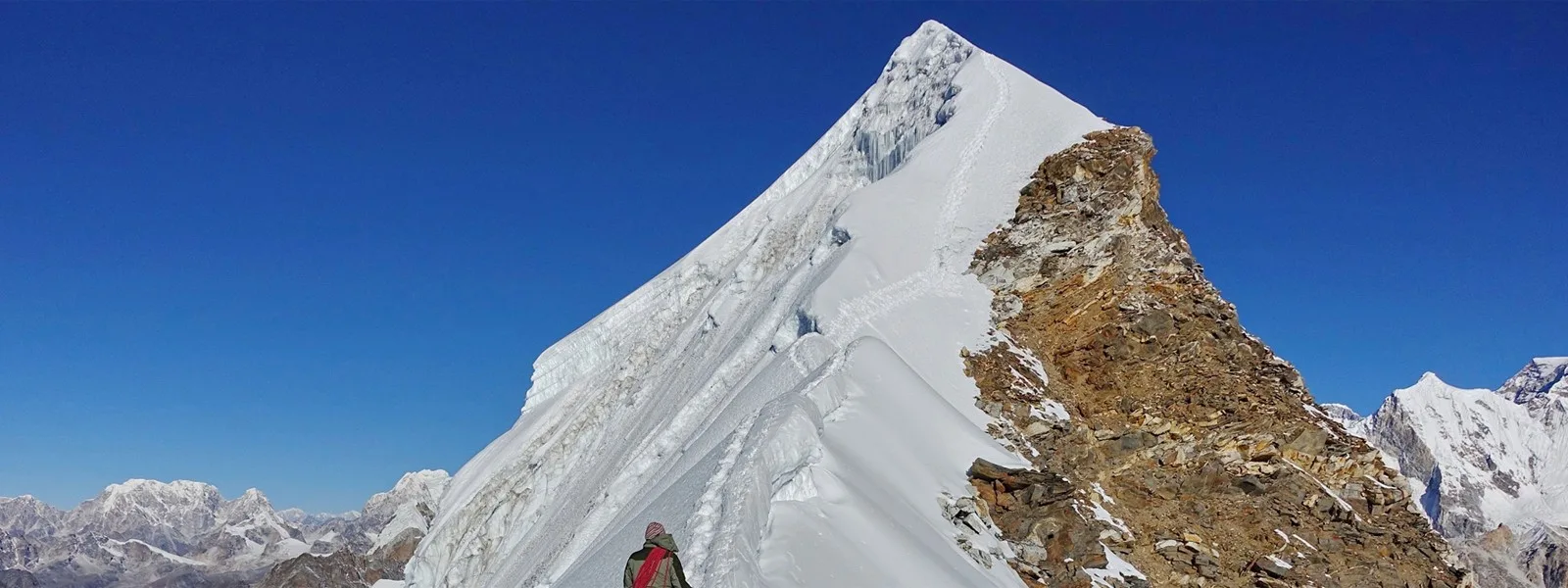
As trekkers ascend, the altitude increases and the views become even more stunning, with towering Himalayan peaks visible in the distance. The trek offers frequent opportunities to stop and take in the magnificent surroundings, from crystal-clear mountain streams and cascading waterfalls to vast meadows dotted with wildflowers. The variety of flora and fauna along the trail makes it a haven for nature lovers and wildlife enthusiasts.
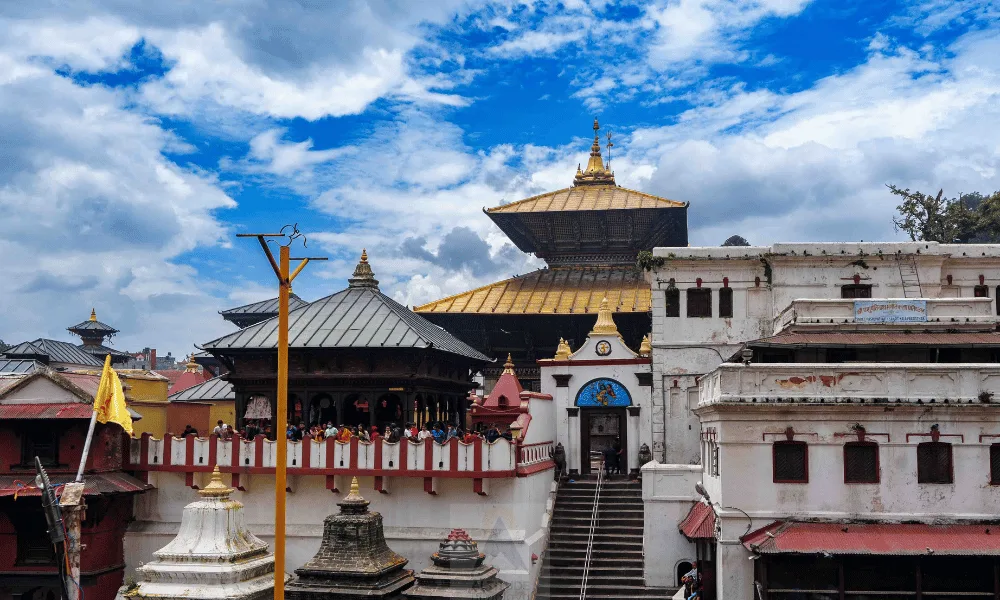
Throughout the journey, trekkers are also treated to serene moments of reflection at the many Buddhist monasteries, chhortens (stupas), and prayer flags that adorn the route. These peaceful sites offer insight into the spiritual practices of the Sherpa people and provide trekkers with a deeper understanding of the region’s Buddhist heritage.
The Helambu Trek is not only a journey through natural beauty but also an opportunity to immerse oneself in the rich cultural heritage of the Sherpa and Tamang communities. The trek passes through several villages where trekkers can experience local customs, traditions, and hospitality firsthand.
Sherpa culture is deeply rooted in Buddhism, and trekkers will have the chance to explore several monasteries along the route, interact with local monks, and learn about the spiritual practices that shape daily life in the region. Visitors can witness Buddhist rituals, hear the soothing sounds of temple bells, and admire the intricately painted mandalas that decorate the monasteries and chhortens.
The warmth and friendliness of the locals are a highlight of the trek. Along the trail, trekkers are welcomed by the Sherpa people with open arms, offering them the chance to sample traditional Sherpa cuisine, such as “dal bhat” (lentil soup with rice), “momo” (dumplings), and freshly brewed tea. The teahouses along the route offer a warm and comfortable place to rest, enjoy a hot meal, and interact with fellow trekkers. These small, cozy establishments serve as gathering points where trekkers can share stories of their journey and learn more about the traditions and way of life of the Helambu people.
For those interested in exploring the spiritual side of the Himalayas, the Helambu Trek offers many opportunities for reflection and meditation. The trail is dotted with Buddhist monasteries, prayer wheels, and chhortens, where trekkers can take a moment to pause, light a candle, and meditate in a peaceful and sacred environment.
The trek provides a perfect balance of physical activity and spiritual exploration, as trekkers can reflect on their journey and connect with the deep-rooted spiritual essence of the region. Many trekkers find that the tranquility and natural beauty of the Helambu region create a serene atmosphere that allows for moments of introspection and personal growth. The Helambu Trek is a moderate trek that is suitable for trekkers of all experience levels. The route is well-marked, and the trekking days are not overly strenuous, making it ideal for those who want to experience the beauty of the Himalayas without the challenges of more technical routes. The trek is designed to be accessible for those with a basic level of fitness, with plenty of opportunities to rest and acclimatize along the way.
As trekkers journey through the trail, they will encounter a variety of landscapes, from dense forests to alpine meadows, offering plenty of opportunities for photography and reflection. The gradual ascent helps trekkers acclimatize comfortably, making it easier to adjust to the altitude.
The Helambu Trek offers an unforgettable experience that blends natural beauty, cultural exploration, and spiritual immersion. With its tranquil landscapes, rich Sherpa culture, and stunning mountain views, this trek provides the perfect opportunity to explore one of Nepal’s most picturesque regions while discovering the deep cultural and spiritual roots of the Himalayas. Whether you are an experienced trekker or a beginner, the Helambu Trek promises to be a journey of a lifetime, leaving you with lasting memories of the beauty, warmth, and hospitality of the Helambu region. For those looking to experience the best of Nepal’s natural beauty and cultural heritage, the Helambu Trek is a must-do adventure that will leave you captivated by its charm and serenity.
The journey of the Helambu Trek begins with a scenic drive from Kathmandu to Sundarijal, which takes around 1-2 hours. As you leave the bustling streets of Kathmandu behind, the serene beauty of rural Nepal starts to unfold before your eyes. Upon reaching Sundarijal, the trekking adventure begins as you start walking towards Chisapani. The trail takes you through the pristine Shivapuri National Park, a protected area rich in biodiversity. As you ascend, the trail meanders through dense forests of oak, rhododendron, and pine, with occasional views of snow-capped peaks in the distance. The trek to Chisapani is moderate, offering trekkers a chance to immerse themselves in nature while appreciating the peaceful surroundings. Upon arrival in Chisapani, you will rest and enjoy the evening surrounded by beautiful mountain views and the sound of nature. This marks the first step into the heart of the Helambu region.
On the second day of the trek, you leave Chisapani and begin your journey towards Kutumsang, a charming Tamang village nestled in the mountains. The day’s trek is relatively moderate, passing through lush forests and beautiful terraced fields. Along the way, you’ll encounter traditional Tamang and Sherpa villages, where you will get the opportunity to observe the rural life of the locals. As you continue trekking, the views of the Langtang Himalayan range come into sight, with towering peaks dominating the skyline. The picturesque landscape, combined with the serenity of the villages you pass through, creates an authentic experience of rural Nepal. Upon reaching Kutumsang, you will rest for the night in a local teahouse, reflecting on the day’s trek and enjoying the warmth and hospitality of the region.
The third day of your trek involves a steady ascent as you make your way towards Tharepati, one of the highest points on this trek. The trail ascends gradually through dense rhododendron forests and alpine meadows, offering trekkers stunning views of the surrounding mountains and valleys. The landscape transforms as you climb, with the vibrant colors of rhododendron blossoms adding a touch of magic to the atmosphere, especially in spring. As you reach higher altitudes, the air becomes thinner, and you are rewarded with panoramic views of the Langtang and Ganesh Himal mountain ranges. Tharepati, a peaceful spot surrounded by nature, offers trekkers a chance to rest and enjoy breathtaking views of snow-capped peaks. The day’s trek is challenging, but the serene environment and spectacular vistas make it worthwhile.
After a night at Tharepati, the trek continues with a descent towards Melamchi Gaon, a beautiful Sherpa village nestled in the Helambu region. As you descend from Tharepati, the trail winds through forests, past small streams, and along well-trodden paths leading to the village. The landscape becomes more open, and you will begin to notice the traditional Sherpa culture reflected in the architecture and lifestyle of the locals. Upon arriving at Melamchi Gaon, you will have the chance to explore the village, interact with the local Sherpa people, and gain insights into their rich cultural heritage. The village is known for its warm hospitality, and the people are always eager to share their customs and stories with visitors. After a day of exploring, you will rest and enjoy the peaceful surroundings of this picturesque village.
On day five, you will trek from Melamchi Gaon to Tarke Gyang, another delightful village with deep cultural significance. The trail takes you through beautiful forests, streams, and meadows, offering picturesque views of the mountains. As you walk, you’ll pass through traditional villages where you can interact with the friendly locals and observe the way of life in this rural Himalayan region. The highlight of the day is the opportunity to visit Buddhist monasteries and chhortens, which are scattered along the trail. These sacred sites are integral to the spiritual life of the Sherpa people and offer trekkers the chance to learn about Buddhist practices. The peaceful atmosphere of the monasteries and the surrounding landscapes will create lasting memories as you make your way to Tarke Gyang for an overnight stay.
On the sixth day, you’ll continue your journey by trekking from Tarke Gyang to Sermathang, a village known for its stunning views and apple orchards. The trail offers excellent views of the surrounding mountain ranges, including Ganesh Himal and Langtang. As you trek through the landscape, you will notice the influence of Sherpa culture in the architecture, traditions, and lifestyle of the villagers. The village of Sermathang offers a glimpse into the agricultural life of the region, with apple orchards dotting the area. After a day of trekking, you will reach Sermathang, where you can rest and take in the surrounding natural beauty. The village’s serene atmosphere provides a peaceful environment to unwind and reflect on your trekking experience.
On the final day of the trek, you will begin your descent towards Melamchi Pul Bazaar, the endpoint of the Helambu Trek. The trail descends through forests, past terraced fields, and along small streams, leading to the bustling bazaar. This is a great place to enjoy the last moments of your trek before you embark on the drive back to Kathmandu. From Melamchi Pul Bazaar, you will take a scenic drive back to Kathmandu, a journey that takes approximately 2-3 hours. The drive offers a final chance to soak in the natural beauty of the region and reflect on the adventure you’ve experienced. Upon arrival in Kathmandu, you will be transferred to your hotel, where you can rest and relax after your memorable trek.
| Start Date | End Date | Price | Space Left | |
|---|---|---|---|---|
| February 3, 2025 Friday | February 28, 2025 Monday | $ 2877 | 07 | Book |
| March 4, 2025 Friday | February 24, 2025 Monday | $ 2879 | 09 | Book |
| March 23, 2025 Sunday | April 16, 2025 Tuesday | $ 2880 | 05 | Book |
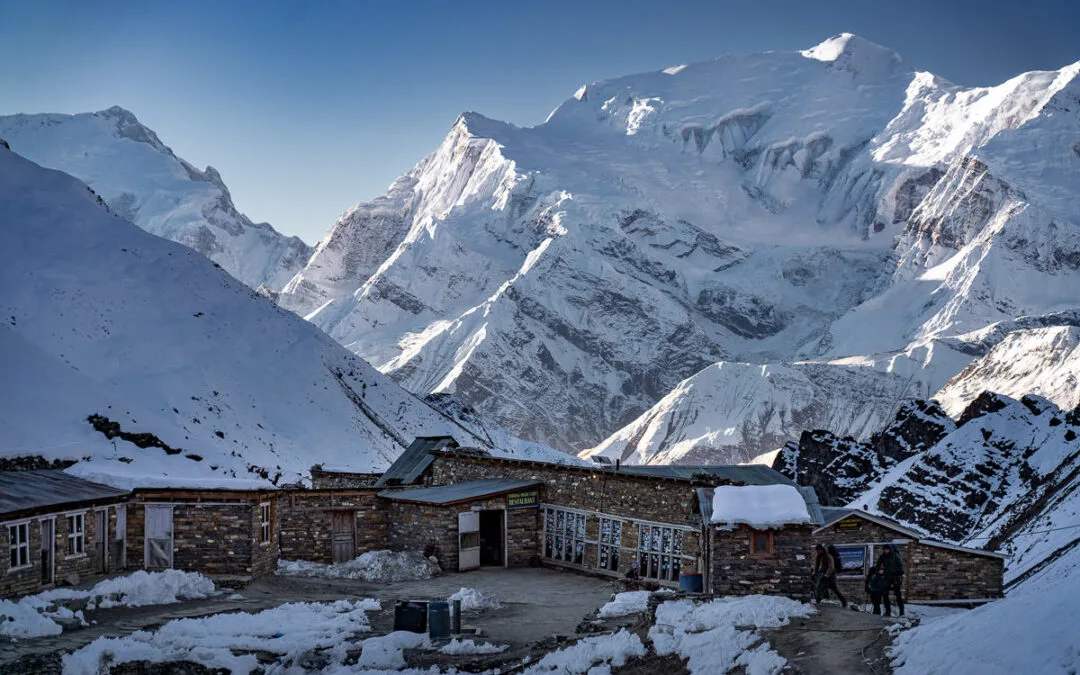
During the Helambu Trek, trekkers typically stay in basic teahouses and local lodges that provide a comfortable place to rest after a day of walking. Most teahouses offer simple rooms with twin beds, mattresses, pillows, and blankets, while shared bathrooms are common. Facilities may vary between villages, and hot showers, electricity, and charging services may not always be available or may cost extra. Carrying warm clothing and a sleeping bag can help you stay comfortable, particularly during colder nights.
One of the most rewarding aspects of accommodation along the Helambu trail is the opportunity to experience the hospitality and culture of the local Tamang and Sherpa communities. Teahouses often serve as gathering places where trekkers can enjoy warm meals, relax by the dining area, and interact with local hosts and fellow travelers. These stays offer a glimpse into traditional mountain life and allow visitors to appreciate the welcoming atmosphere of the region. During the busy spring and autumn seasons, arranging accommodation ahead of time can be helpful, especially in popular villages along the route.
Meals during the Helambu Trek are generally hearty, nutritious, and suitable for maintaining energy throughout the trekking journey. Common dishes include dal bhat (rice, lentils, and vegetables), noodles, soups, potatoes, eggs, porridge, and locally prepared foods. Tea and other hot drinks are widely available at teahouses, offering a welcome break during cool mornings and evenings. Vegetarian and non-vegetarian choices may be available, depending on the location and the ingredients supplied to each village.
As you ascend toward higher settlements such as Tharepati, food menus may become simpler because transporting supplies to remote areas is more difficult. Although the variety may decrease, trekkers can usually find filling meals to support their daily walking activities. Food availability and menu choices can vary according to the season and the individual teahouse, so carrying lightweight snacks such as nuts, dried fruit, or energy bars can be useful during longer stretches of the trail.
Maintaining a balanced diet and drinking enough water are important throughout the trek. Regular meals help replenish energy, while proper hydration supports physical performance and overall comfort. Trekkers should carry a reusable water bottle and use an appropriate water-treatment method when necessary. Eating freshly prepared food and maintaining good personal hygiene can also help reduce the risk of stomach problems during the journey.
Before beginning the Helambu Trek, trekkers should check which permits and registrations are required for their specific itinerary. The Langtang National Park Entry Permit may be required if the planned route enters the national park. Permit requirements depend on the exact trail being followed, so travelers should confirm whether their itinerary passes through protected areas before making arrangements.
The Trekkers’ Information Management System (TIMS) card has also been associated with trekking in Nepal, but its applicability and current requirements can vary according to the latest regulations and the trekking arrangement. It is important not to assume that every trekker needs the same combination of permits. Confirm the current rules with the relevant Nepal tourism authorities or a registered trekking agency before departure.
When arranging permits, travelers should check the applicable fees, required identification documents, issuing locations, and any additional registration procedures. Keeping copies of important documents and carrying the required permits during the trek can help avoid delays at checkpoints. Preparing the necessary paperwork in advance allows you to focus on the scenery, villages, and cultural experiences along the Helambu route.
The Helambu Trek is generally considered a moderate trekking route, but it still requires preparation and awareness of changing mountain conditions. The trail may reach Tharepati at approximately 3,640 meters above sea level, where the risk of altitude-related illness becomes an important consideration. Although the altitude is lower than that of many major Himalayan trekking destinations, trekkers can still experience altitude sickness, especially if they ascend too quickly or ignore early symptoms.
To reduce risks, walk at a comfortable pace, take regular breaks, drink sufficient water, and allow your body time to adjust to increasing elevation. Symptoms of altitude sickness can include headache, dizziness, nausea, loss of appetite, and unusual fatigue. If symptoms develop, do not continue ascending. Rest and seek appropriate medical advice; if symptoms worsen or serious signs appear, urgent assistance and descent to a lower elevation are necessary. Severe symptoms, such as confusion, difficulty walking straight, or breathlessness at rest, require emergency attention.
Physical preparation can make the trek more enjoyable and manageable. Regular walking, stair climbing, and cardiovascular exercise before the trip can help build stamina for uphill sections and extended walking days. Wearing comfortable trekking boots with good grip is important, as forest paths and mountain trails can become slippery, particularly after rainfall. Carry a basic first aid kit, personal medications, warm layers, a waterproof jacket, and sun protection.
Weather conditions in the mountains can change quickly, even during the main trekking seasons. Check the forecast and trail conditions before setting out each day, and follow the guidance of an experienced local guide when available. Staying hydrated, eating regular meals, protecting yourself from cold and rain, and avoiding unnecessary risks will help make the Helambu Trek safer and more comfortable.
The best seasons for the Helambu Trek are generally spring (March to May) and autumn (September to November). During spring, the weather often becomes milder, and rhododendron forests may bloom in vibrant shades of red, pink, and white. The green hillsides, colorful flowers, and mountain scenery make this season especially attractive for nature lovers and photographers. Daytime temperatures are often suitable for trekking, although mornings and evenings can remain cold at higher elevations.
Autumn is another popular season because conditions are often relatively stable following the monsoon. Clearer skies can provide excellent views of the surrounding Himalayan ranges, while comfortable daytime temperatures make walking more pleasant. September may still experience occasional monsoon rainfall, whereas October and November are commonly favored for their generally favorable trekking conditions. As always, visibility and temperatures depend on the weather during the particular travel period.
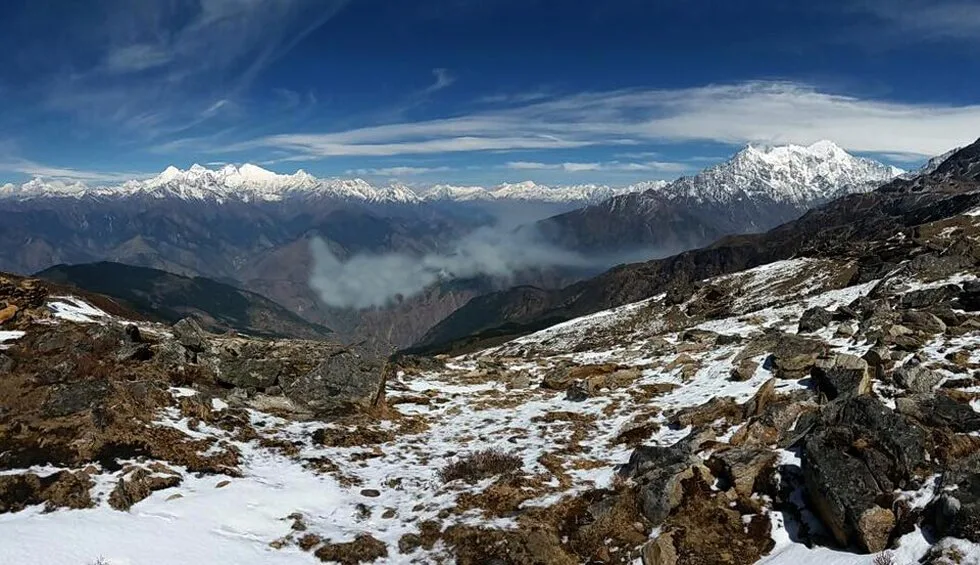
The trek can also be undertaken during winter, from December to February, but colder temperatures and snowfall may affect the higher sections of the trail, especially around Tharepati. Trekkers choosing this season should carry suitable winter clothing and check local trail conditions before departure. During the monsoon months, generally June to August, rainfall can make trails muddy and slippery, reduce mountain visibility, and increase the possibility of travel disruptions.
When selecting your trekking dates, consider your experience, available time, preferred scenery, and comfort with cold or wet weather. Checking local weather forecasts and trail reports shortly before departure is advisable in every season. With suitable preparation and flexible planning, the Helambu Trek can offer a rewarding combination of Himalayan landscapes, traditional villages, and cultural experiences.