Mardi Himal Trek
Price From: N/A
9 Days/8 Nights
The Gosaikunda Trek is one of the most revered and captivating trekking routes in Nepal, offering a rich blend of natural beauty, cultural heritage, and spiritual significance. Nestled in the Langtang region, this trek takes you to the sacred Gosaikunda Lake, a destination that attracts Hindu and Buddhist pilgrims alike. The trek not only showcases the stunning landscapes of the Himalayas but also provides trekkers with an opportunity to experience the local traditions and hospitality of the Tamang and Sherpa communities that inhabit the region. The Gosaikunda Trek is a journey that begins with a scenic drive from Kathmandu to Dhunche, the starting point of the trek. As you leave the bustling capital behind, the landscape transforms into lush greenery and terraced fields. Villages dot the terrain, providing a glimpse into the rural lifestyle of the locals. From Dhunche, trekkers begin the journey towards Gosaikunda, a journey that offers not just a physical challenge but an immersive experience of Nepal’s cultural richness and natural grandeur.
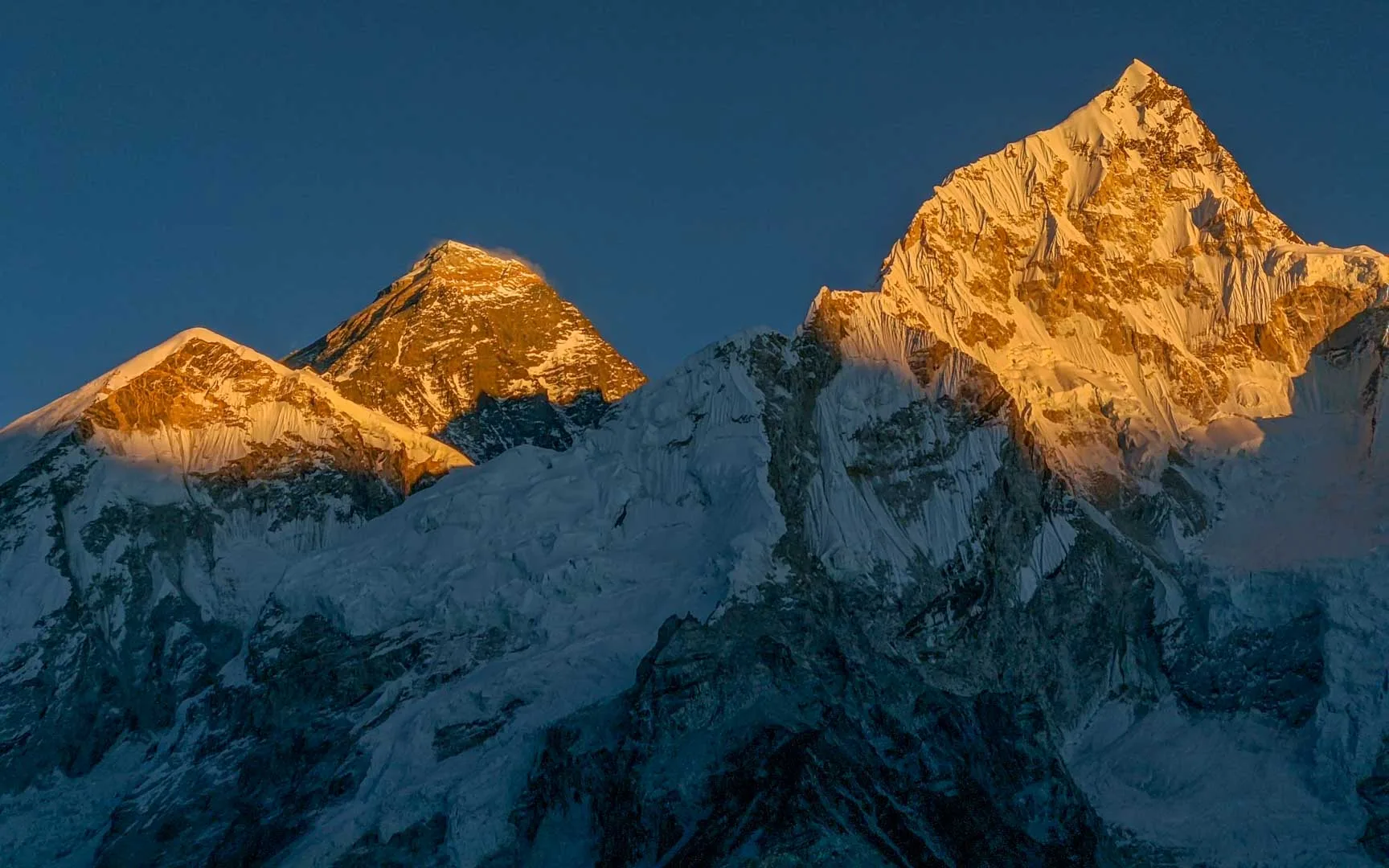
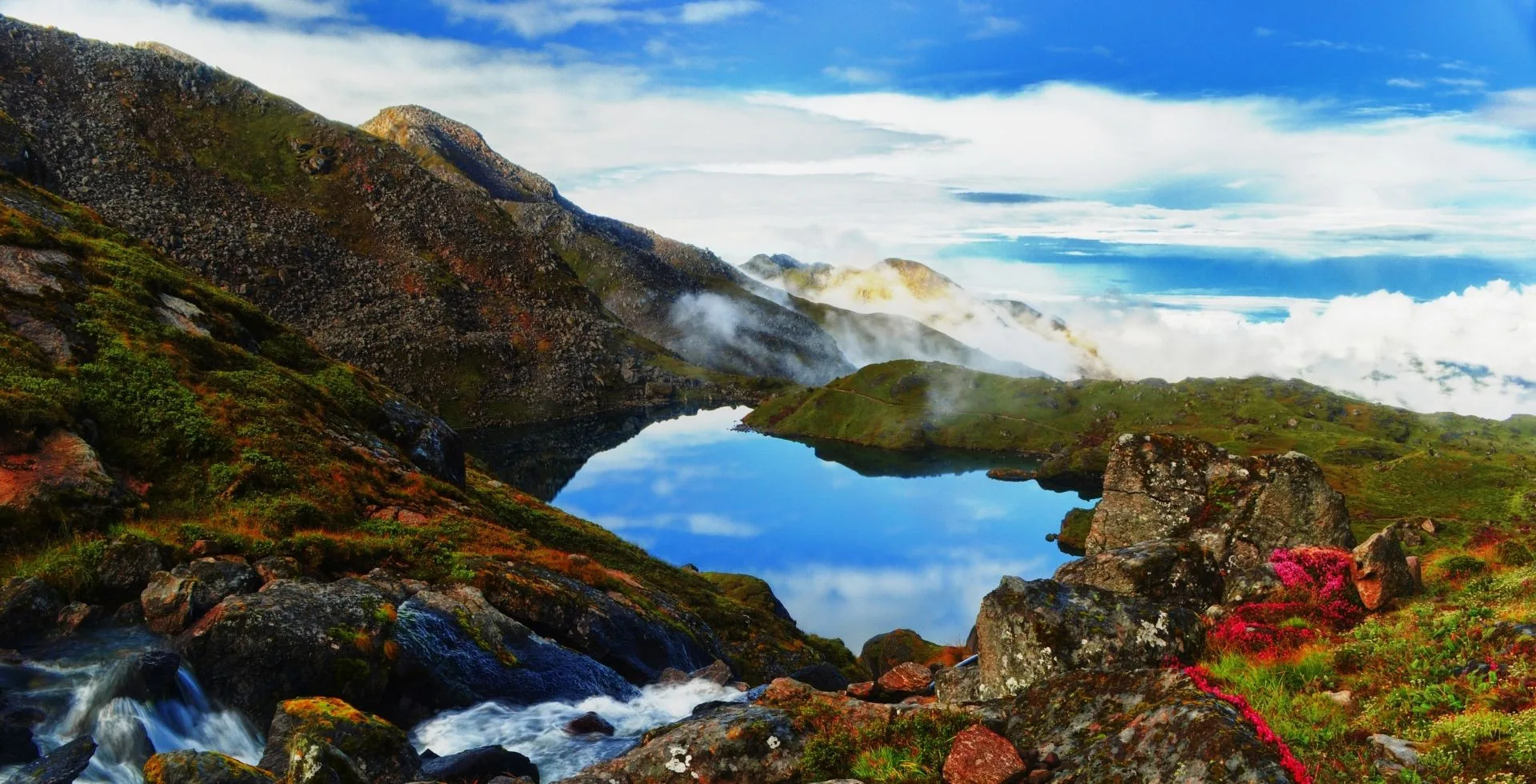
The trail meanders through dense forests filled with rhododendron blooms in spring and summer, offering a colorful canopy of flowers. As you make your way higher into the Langtang region, you are greeted with awe-inspiring views of snow-capped peaks, including the mighty Langtang Lirung, Ganesh Himal, and other Himalayan ranges. The trek is not just about reaching a destination but also about savoring the journey through the pristine landscapes that change with every step.
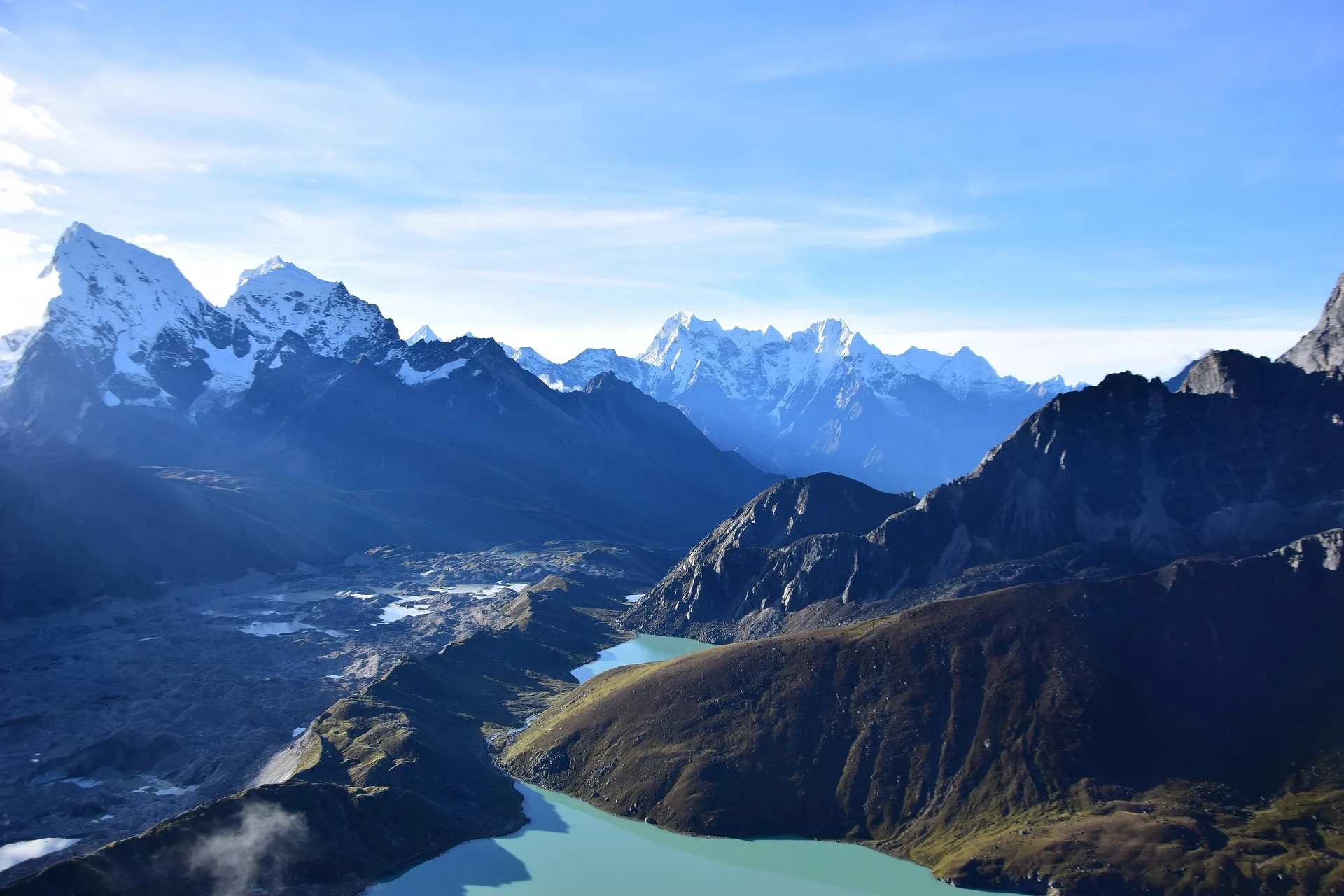
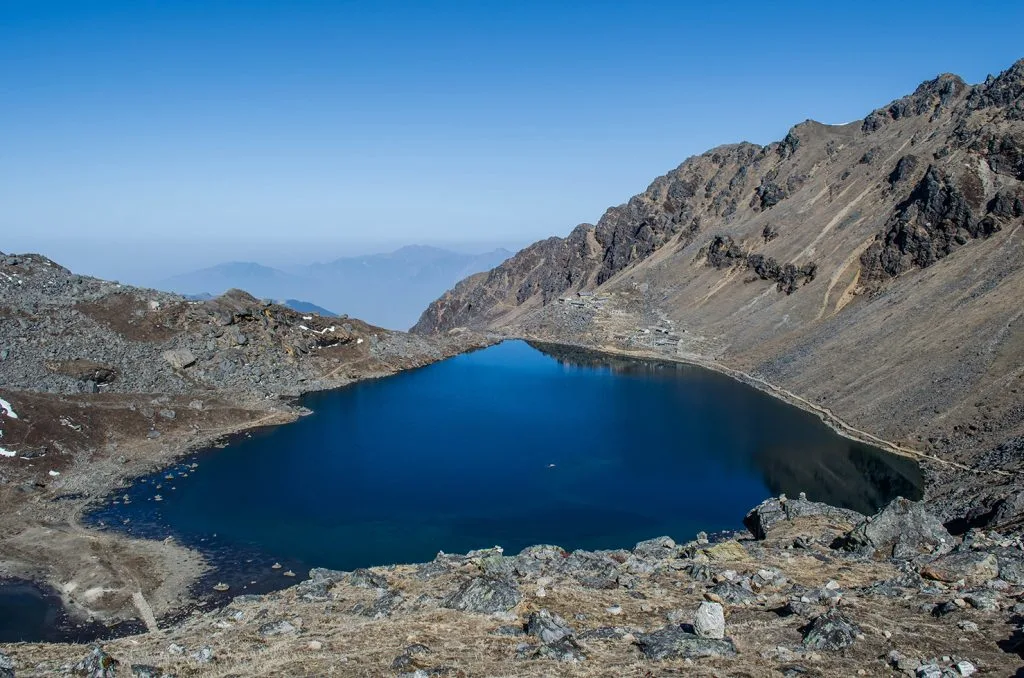
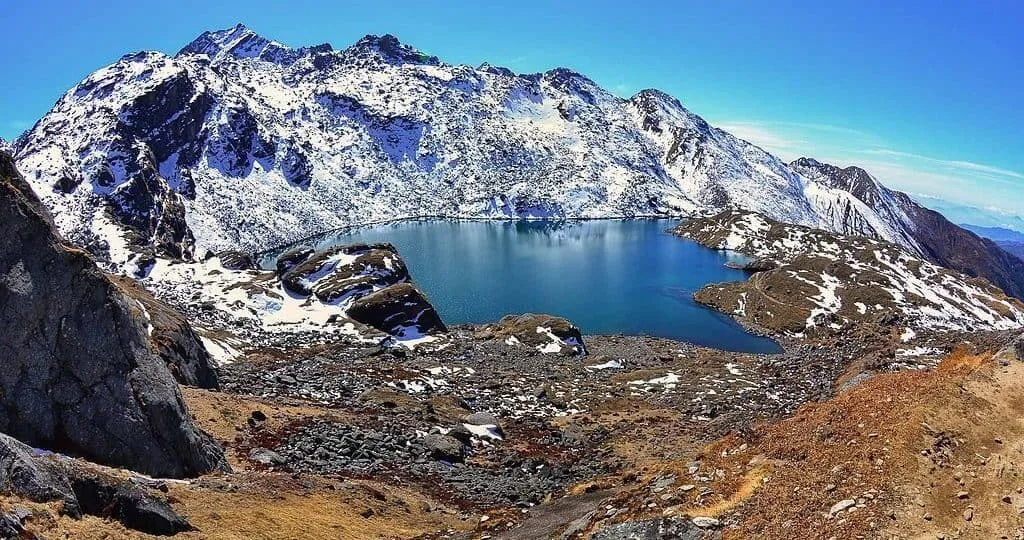
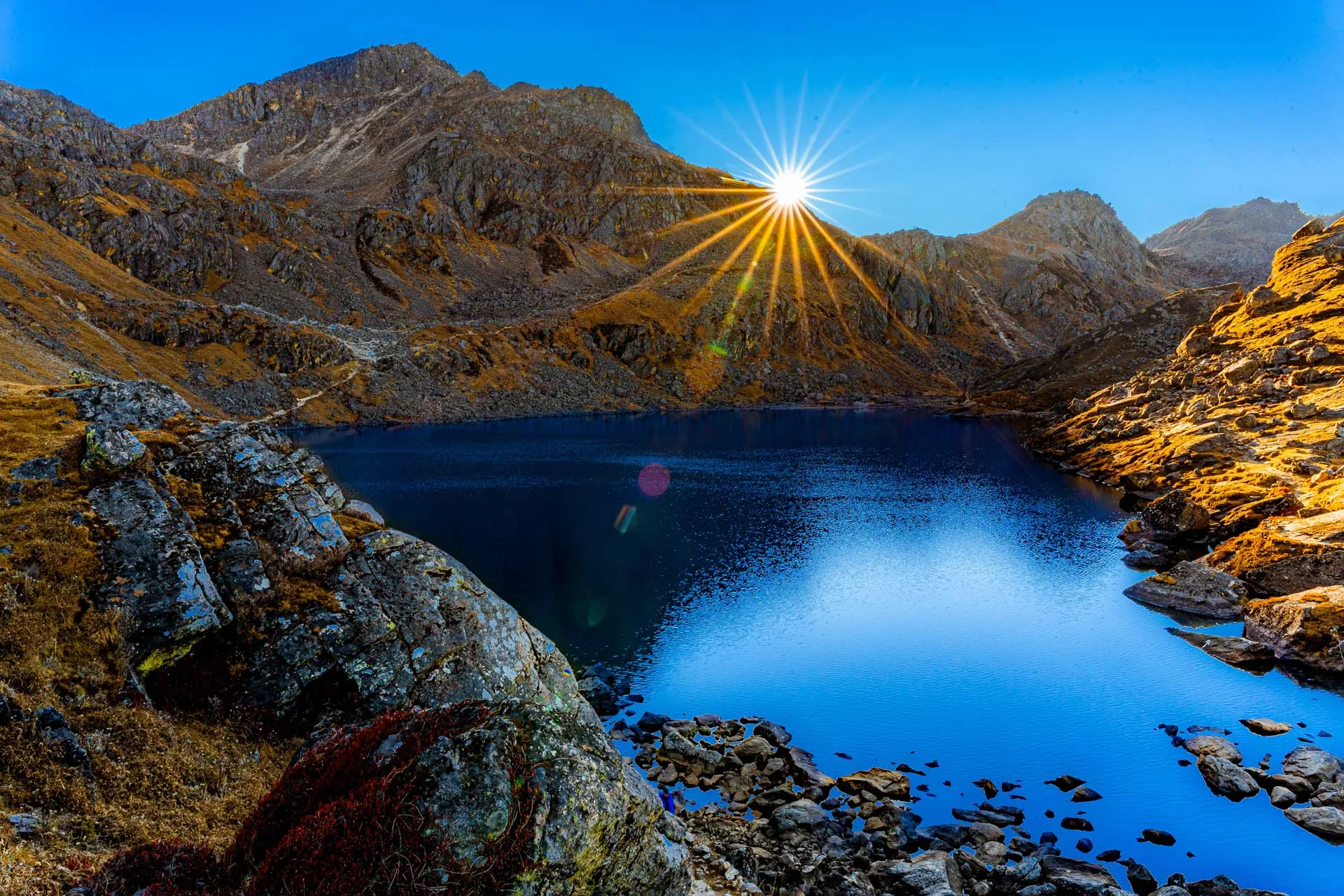
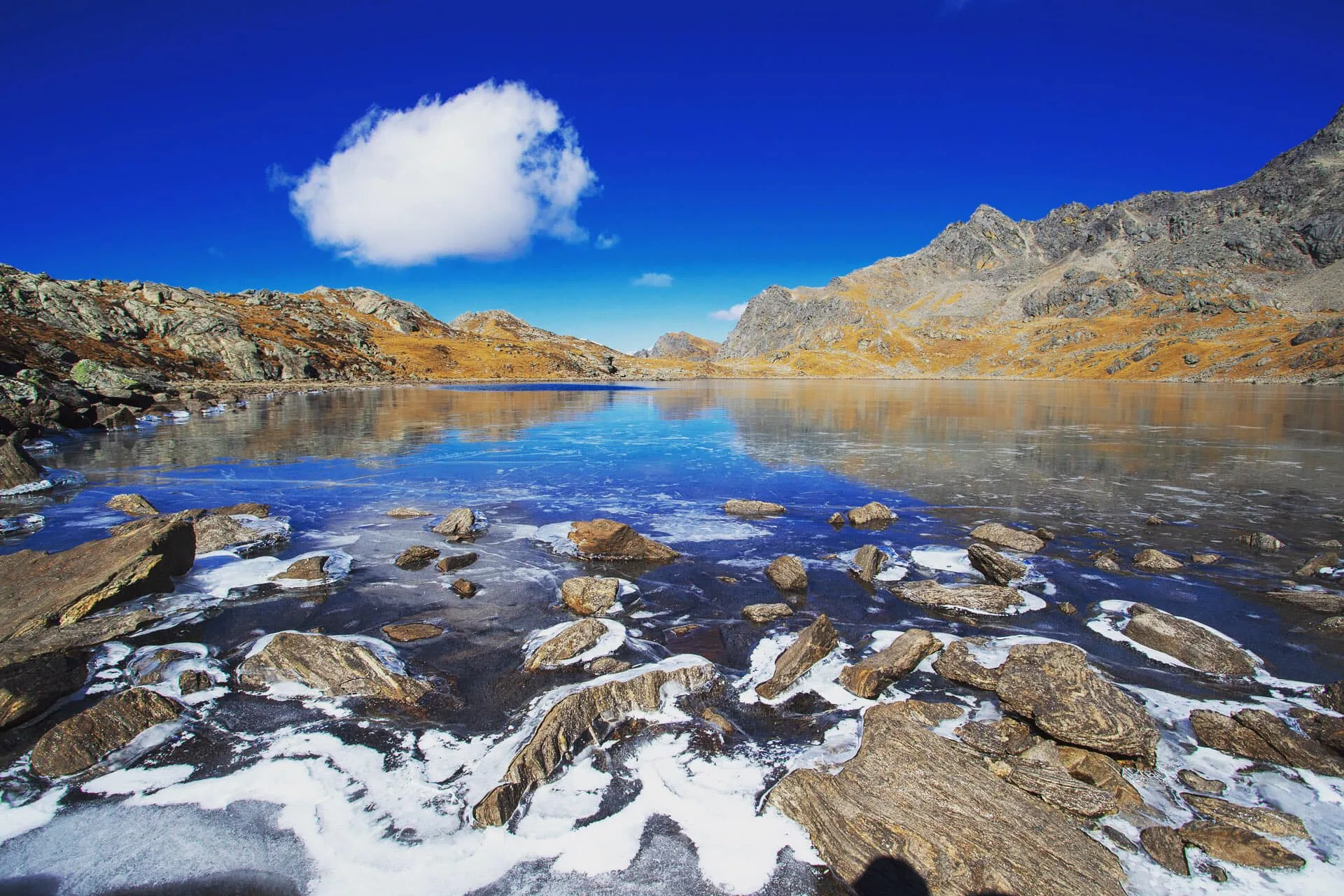
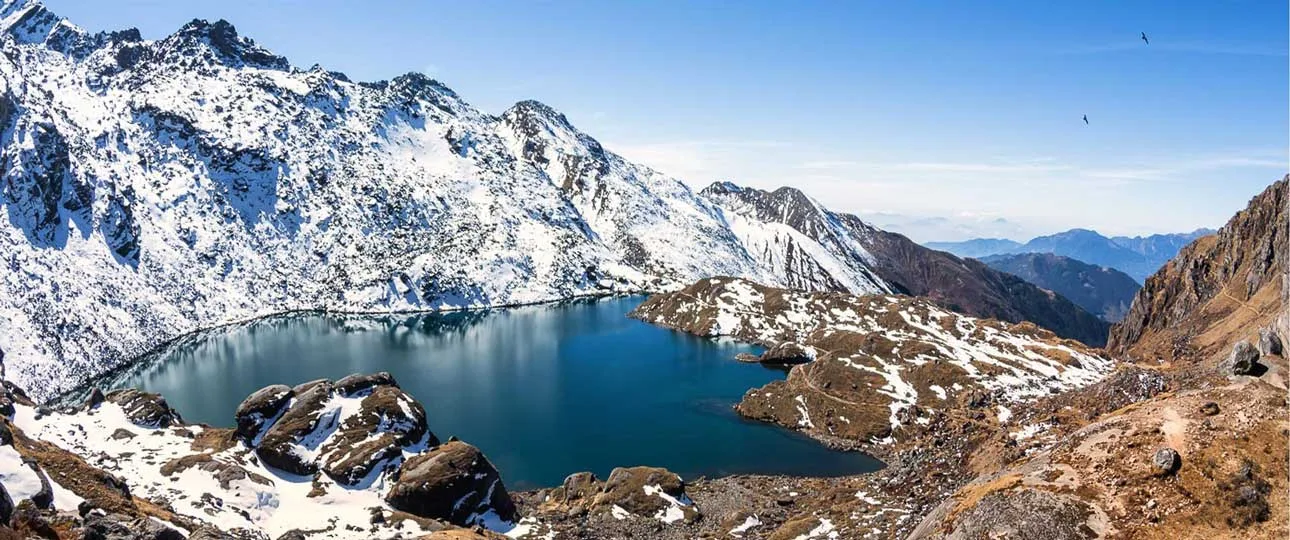
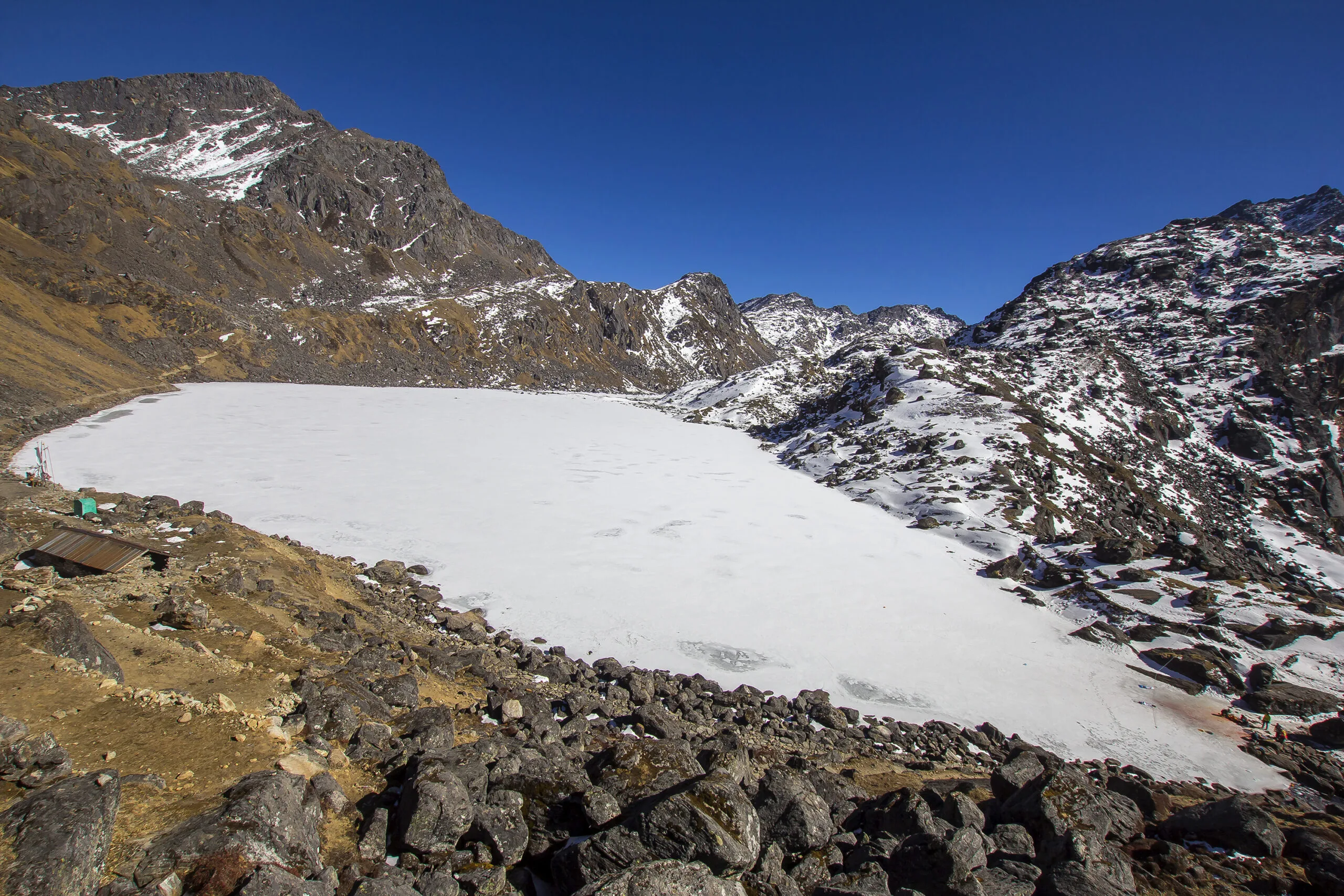
Gosaikunda, located at an altitude of 4,380 meters, is the centerpiece of this trek. This sacred lake, surrounded by snow-capped peaks, holds immense significance for both Hindu and Buddhist communities. Every year, thousands of pilgrims from across Nepal and abroad trek to Gosaikunda to bathe in its waters, which are believed to have healing powers. The lake is also a popular destination for devotees during the full moon festival of Janai Purnima, adding a spiritual dimension to the trek.
Besides Gosaikunda, the trek also includes visits to other sacred lakes such as Saraswatikunda and Bhairabkunda, each of which holds its own religious and cultural significance. These lakes not only serve as pilgrimage sites but also offer breathtaking views and a tranquil environment, perfect for meditation and introspection.
Along the way, trekkers encounter charming villages such as Sing Gompa, Laurebina, and Dhunche, where they can engage with the local communities and learn about their rich cultural traditions. The Tamang and Sherpa people, who primarily inhabit the Langtang region, are known for their warm hospitality and deep-rooted connection to the mountains. Staying in these villages provides trekkers with a rare opportunity to experience the local lifestyle, enjoy traditional meals, and learn about the customs and practices of these indigenous communities.
Sing Gompa, for instance, is home to a Buddhist monastery that offers a peaceful retreat with stunning panoramic views of the surrounding mountains. Laurebina, located higher on the trek, offers trekkers the chance to see the region’s alpine meadows and snow-capped peaks, making it a perfect spot for photography and reflection.
The Gosaikunda Trek is rated as moderate to challenging, making it accessible for trekkers with varying levels of experience. While the trek does involve significant altitude gain and some rugged terrain, it is manageable for trekkers who are in good physical condition and have some prior experience with high-altitude trekking. For beginners, it is important to undergo proper acclimatization to minimize the risks of altitude sickness. World Trade Travel & Tours Pvt. Ltd. ensures that all trekkers are guided by experienced professionals who provide necessary support and advice along the way to ensure safety and comfort.
The trek’s moderate to challenging nature also means that trekkers are rewarded with some of the most spectacular views in the Himalayas. From terraced fields to alpine meadows, dense forests to sacred lakes, the changing scenery throughout the trek offers an experience that is both diverse and unforgettable. The Gosaikunda Trek is a perfect blend of natural beauty, cultural richness, and spiritual significance. With its spectacular landscapes, sacred lakes, and the opportunity to engage with local cultures, it offers an unforgettable trekking experience. Whether you are seeking adventure, peace, or spiritual connection, the Gosaikunda Trek provides it all. Let World Trade Travel & Tours Pvt. Ltd. be your guide on this sacred Himalayan journey.
Your Gosaikunda Trek begins with a scenic drive from Kathmandu to Dhunche, which is the starting point of the trek. The journey itself is a visual treat as you drive along winding roads, with the Langtang mountain range visible in the distance. On the way, you’ll pass through charming villages, lush green hills, and terraced fields that depict rural life in Nepal. The drive takes approximately 6-7 hours, and along the way, you’ll be able to witness the diverse landscapes of the lower Himalayas. Upon arrival in Dhunche, the main entry point for the trek, you’ll settle into a local teahouse for the night, enjoying your first taste of the hospitality of the Tamang and Sherpa communities that live in this region.
The trekking adventure officially begins today with a hike from Dhunche to Sing Gompa. The trail takes you through dense forests of oak, pine, and rhododendron, with an abundance of vibrant flowers during the spring and summer months. As you make your way through the forested paths, you’ll come across traditional villages where locals go about their daily lives. The trek is relatively moderate but offers some steady ascents that will warm you up for the higher altitudes ahead. After reaching Sing Gompa, you’ll visit the famous Sing Gompa monastery, an important Buddhist site in the region, where you can take in the panoramic views of the Langtang range. The monastery and its peaceful surroundings offer a tranquil spot for reflection and relaxation after a rewarding day’s trek.
The trek continues as you ascend to Laurebina, passing through beautiful rhododendron forests and alpine meadows. The trail slowly climbs higher, and as you reach Laurebina, the air becomes cooler and the views even more spectacular. Along the way, you’ll be treated to views of several peaks including Langtang Lirung and Ganesh Himal, with snow-capped mountains beginning to dominate the landscape. The beauty of the surroundings makes this day a photographer’s paradise, as you capture the contrast of lush forests with the towering Himalayan peaks in the distance. Laurebina is an excellent spot to rest for the night, as it provides trekkers with serene views and a peaceful atmosphere, making it a perfect place to relax and acclimatize.
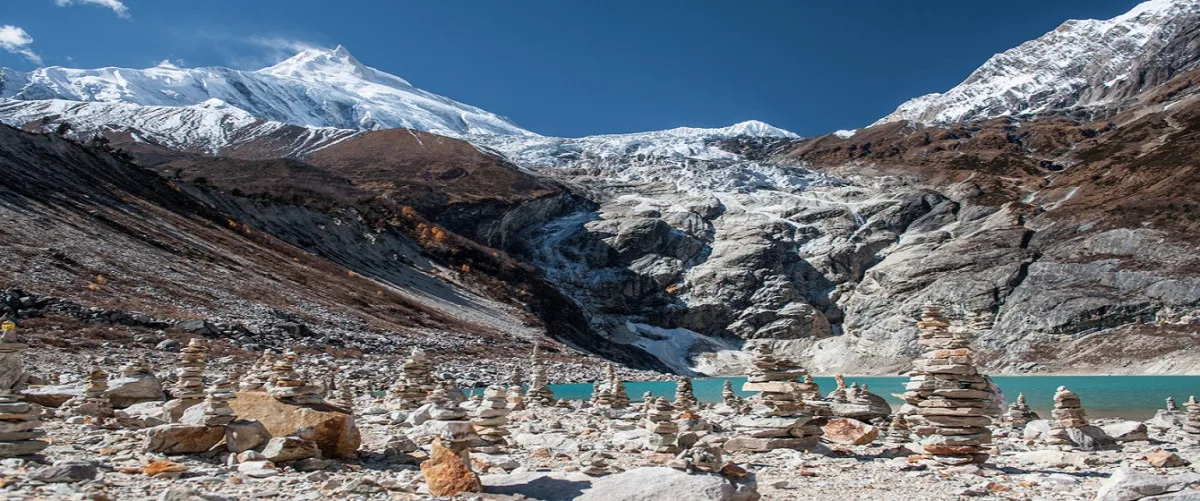
Today’s journey takes you to the sacred Gosaikunda Lake, which lies at an elevation of 4,380 meters. The trek from Laurebina to Gosaikunda is a bit more challenging due to the higher altitude, but it is also incredibly rewarding. The path ascends through rocky terrain and sparse vegetation, with breathtaking views of the surrounding snow-covered peaks and glaciers. As you approach Gosaikunda, you’ll be able to catch your first glimpse of the sacred lake, which is revered by Hindus and Buddhists alike. Upon arrival at the lake, you can explore the surrounding areas, take in the spiritual ambiance, and reflect at this serene and beautiful spot. Gosaikunda Lake holds great religious significance, and pilgrims from Nepal and beyond visit the lake to perform rituals and take a holy dip, believed to cleanse the soul. Spend some time soaking in the tranquil beauty of the lake before heading to your accommodation for the night.
Dedicated to exploring the Gosaikunda Lakes and the surrounding area. There are several smaller lakes around Gosaikunda, including Saraswatikunda and Bhairabkunda, each with its own religious significance. The area is an ideal spot for reflection, meditation, or simply enjoying the stunning views of the surrounding mountains. You can take a leisurely walk around the lakes, marvel at the pristine natural beauty, and learn about the spiritual importance these sites hold for pilgrims. This day gives you the opportunity to immerse yourself in the sacredness of the place and take in the peaceful surroundings, allowing you to deepen your connection with nature and the culture of the region. After a day of exploration, return to your accommodation in Gosaikunda for the night, where you can rest and reflect on the experiences of the day.
After spending time at Gosaikunda, it’s time to retrace your steps and head back down the trail to Sing Gompa. The descent is much easier than the ascent, allowing you to enjoy the downhill trek and the changing scenery. As you descend through the forests, you’ll once again pass through traditional villages where you can interact with the locals. The return journey offers a new perspective on the landscape, as you now have a clear view of the majestic Langtang range, and the green hills and forests seem even more lush and vibrant. The trek to Sing Gompa allows for a more relaxed pace, giving you the chance to enjoy the beauty of the trail and reflect on the experiences of the past days. Once you reach Sing Gompa, rest for the night in the comfort of a teahouse, preparing for the final leg of your trek.
The final day of your trek begins with a relatively easy trek back to Dhunche. As you descend from Sing Gompa to Dhunche, you’ll experience the changing landscapes, from dense forests to terraced fields, and enjoy the final sweeping views of the Langtang range. Upon reaching Dhunche, you’ll bid farewell to the trekking route and board a vehicle for the drive back to Kathmandu. The journey back provides a last opportunity to reflect on the incredible experiences and memories you’ve gained from the trek. After approximately a 6-7 hour drive, you will arrive back in Kathmandu, where you can rest and relax, knowing you’ve just completed a journey through some of the most stunning landscapes and sacred sites in Nepal. The trek not only offers you the thrill of adventure but also a deeper connection to the culture and spirituality of the Himalayas.
| Start Date | End Date | Price | Space Left | |
|---|---|---|---|---|
| February 3, 2025 Friday | February 28, 2025 Monday | $ 2877 | 07 | Book |
| March 4, 2025 Friday | February 24, 2025 Monday | $ 2879 | 09 | Book |
| March 23, 2025 Sunday | April 16, 2025 Tuesday | $ 2880 | 05 | Book |
Accommodation during the Gosaikunda Trek is primarily available in teahouses and mountain lodges located along the trekking route. These establishments provide trekkers with a place to rest, sleep, and enjoy meals after a day of walking through the beautiful Langtang region. Most accommodations offer simple rooms with twin beds, mattresses, pillows, and blankets. Shared bathrooms are common, and the availability of hot showers, electricity, and other facilities may vary depending on the location and season.
As you ascend toward Gosaikunda Lake, accommodation facilities generally become more basic because of the remote mountain environment and limited access to supplies. Trekkers should be prepared for colder rooms, simple amenities, and fewer choices at higher elevations. Carrying warm clothing and a suitable sleeping bag can make overnight stays more comfortable, particularly during colder months. During the busy spring and autumn trekking seasons, teahouses may fill up quickly, so arranging accommodation in advance or trekking with an experienced local agency can be helpful.
Staying in local teahouses also provides an opportunity to experience the hospitality and lifestyle of communities in the region. Trekkers can relax in communal dining areas, enjoy freshly prepared meals, and interact with other travelers and local hosts. Although facilities are not as luxurious as those in cities, the welcoming atmosphere and mountain surroundings make the accommodation experience an important part of the Gosaikunda Trek.
Meals along the Gosaikunda Trek generally consist of simple, filling dishes designed to provide energy for long walking days. Common options include dal bhat (rice, lentil soup, and vegetables), noodles, soups, potatoes, eggs, porridge, and other locally available foods. Vegetarian meals are widely available, making it relatively easy for trekkers who prefer plant-based options to find suitable dishes along the route. Menu choices may vary from one teahouse to another.
At lower elevations, trekkers may have access to a wider selection of meals, including some meat dishes and additional menu options. As the trail climbs toward Gosaikunda Lake, food supplies become more difficult to transport, and menus may become simpler. Meals are usually prepared fresh, but the variety and availability of particular ingredients depend on the season, location, and supply conditions. Carrying a few lightweight snacks, such as energy bars, nuts, or dried fruit, can be useful during long sections of the trail.
Maintaining proper nutrition and hydration is especially important when trekking at high altitude. Eating regular meals helps sustain energy, while drinking enough safe water supports physical performance and reduces the risk of dehydration. Trekkers should carry a reusable water bottle and use an appropriate water-treatment method when the safety of the water source is uncertain. Warm drinks and soups can also be comforting in the cold mountain environment.
The Gosaikunda Trek takes place within the Langtang region, and the Langtang National Park Entry Permit is generally required to enter the protected area where Gosaikunda Lake is located. This permit contributes to the conservation and management of the national park, including the protection of its natural landscapes, forests, wildlife, and cultural heritage. Trekkers should carry their permit and any required identification documents during the journey, as officials may check them at designated checkpoints.
Requirements for the Trekkers’ Information Management System (TIMS) card and other registrations should be confirmed before departure. Applicable rules can vary according to current regulations, the route, and whether the trek is organized independently or through a registered trekking agency. Rather than assuming that the same requirements apply to every trek, travelers should verify the latest information with the relevant Nepal tourism authorities or their trekking operator.
Permits are commonly arranged in Kathmandu before the trek begins, although the available application and issuing arrangements should be checked in advance. It is advisable to confirm current permit fees, required documents, opening hours, and payment methods before traveling. Organizing the necessary paperwork ahead of time helps avoid delays and allows trekkers to begin their journey with greater confidence.
Health and safety are particularly important on the Gosaikunda Trek because the route reaches approximately 4,380 meters above sea level. At this elevation, the reduced availability of oxygen can increase the risk of altitude-related illness, even for people who are physically fit. Trekkers should ascend gradually, maintain a comfortable walking pace, take regular breaks, and allow adequate time for acclimatization. Avoiding unnecessary rushing is essential, especially when climbing toward the lake.
Symptoms of acute mountain sickness can include headache, nausea, dizziness, loss of appetite, unusual fatigue, and difficulty sleeping. Trekkers should pay attention to how they feel and communicate any symptoms to their guide or trekking companions. If symptoms develop, do not continue ascending. Rest and seek appropriate medical advice; if symptoms worsen or serious signs develop, urgent assistance and descent to a lower altitude are necessary. Severe symptoms, including confusion, difficulty walking straight, or breathlessness at rest, require emergency attention.
Physical preparation can also improve comfort and safety throughout the trek. Regular walking, uphill training, stair climbing, and cardiovascular exercise before departure can help build endurance for steep ascents and uneven trails. Proper trekking boots, layered clothing, a waterproof jacket, warm gloves, sun protection, and a basic first-aid kit are useful items to carry. Weather conditions can change quickly at high elevations, so trekkers should be ready for cold temperatures, wind, rain, or snow depending on the season.
Safe drinking water, adequate food, and personal hygiene are additional considerations. Use treated or otherwise safe drinking water, wash or sanitize your hands before meals, and protect yourself from cold and strong sunlight. Following the advice of an experienced guide, checking local weather and trail conditions, and avoiding trekking beyond your ability can help make the journey safer and more enjoyable.
The most popular seasons for the Gosaikunda Trek are spring (March to May) and autumn (September to November). During spring, temperatures generally become milder, and forests along sections of the route may display colorful rhododendron blooms. The combination of flowering landscapes, mountain scenery, and relatively favorable walking conditions makes this season attractive for nature lovers and photographers.
Autumn is another excellent period for trekking, as the weather often becomes more stable after the monsoon season. Clearer skies can provide impressive views of the Himalayan ranges, while comfortable daytime conditions make walking more pleasant. September may still experience some lingering monsoon rainfall, so conditions can vary, but October and November are commonly favored for their generally favorable trekking weather.
The trek is possible outside these main seasons, but conditions may be more challenging. During winter, temperatures at higher elevations can fall significantly, and snow or ice may make trails difficult to navigate. The monsoon season, generally from June to August, can bring heavy rainfall, cloudy mountain views, slippery paths, and possible travel disruptions. The exact conditions depend on the year and the weather pattern.
Before choosing travel dates, trekkers should consider their experience, physical preparation, available time, and tolerance for cold or changing weather. Checking the forecast and local trail conditions shortly before departure is important regardless of the season. If visiting Gosaikunda for its religious significance, travelers may also wish to consider the annual Janai Purnima pilgrimage period, when many devotees visit the sacred lake. This period can be especially meaningful but may also be busier, so accommodation and travel arrangements should be planned accordingly.