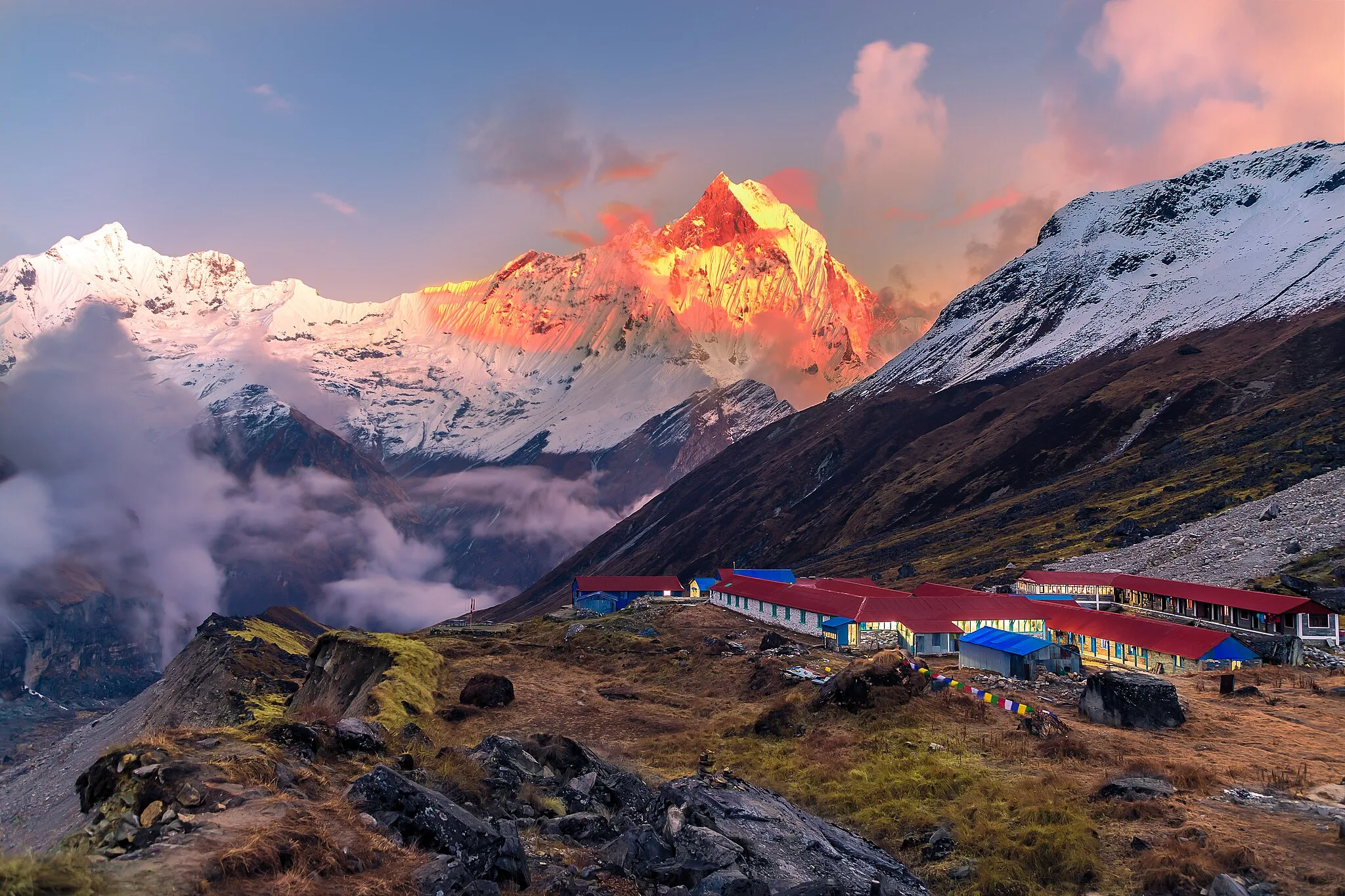
Annapurna Base Camp Trek
Price From: N/A
10Days/ 9 Nights
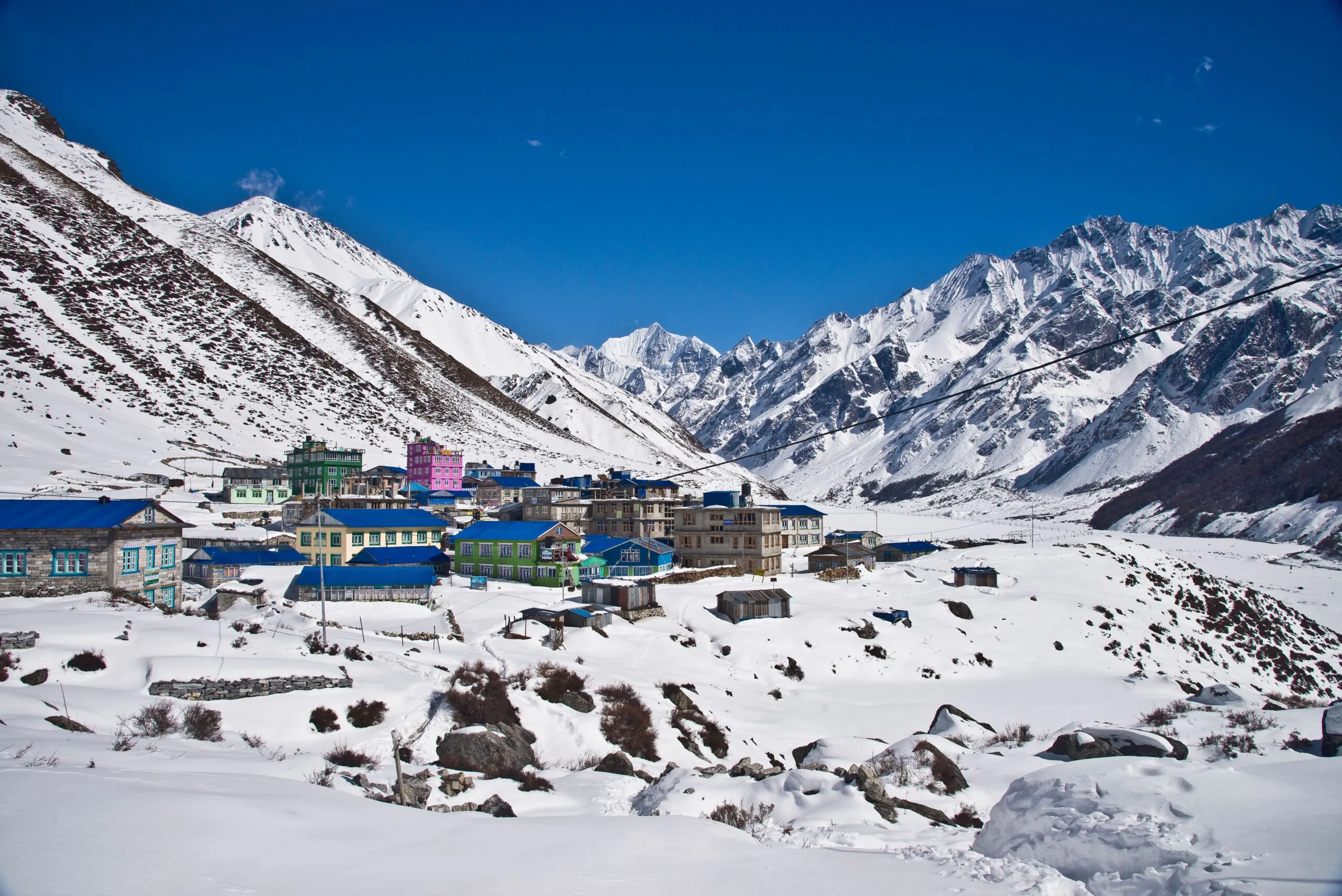
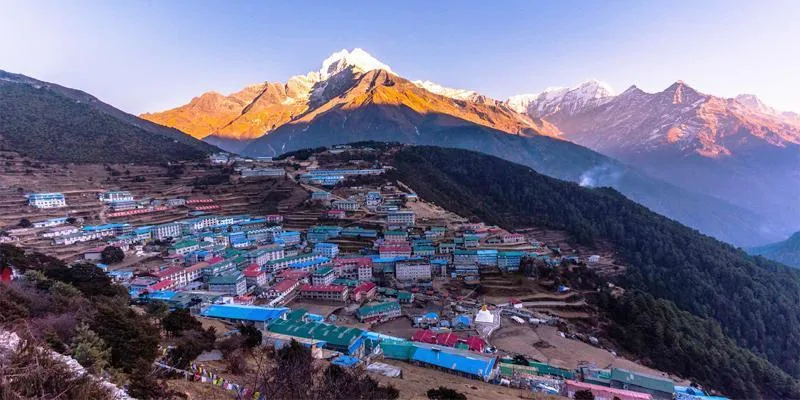
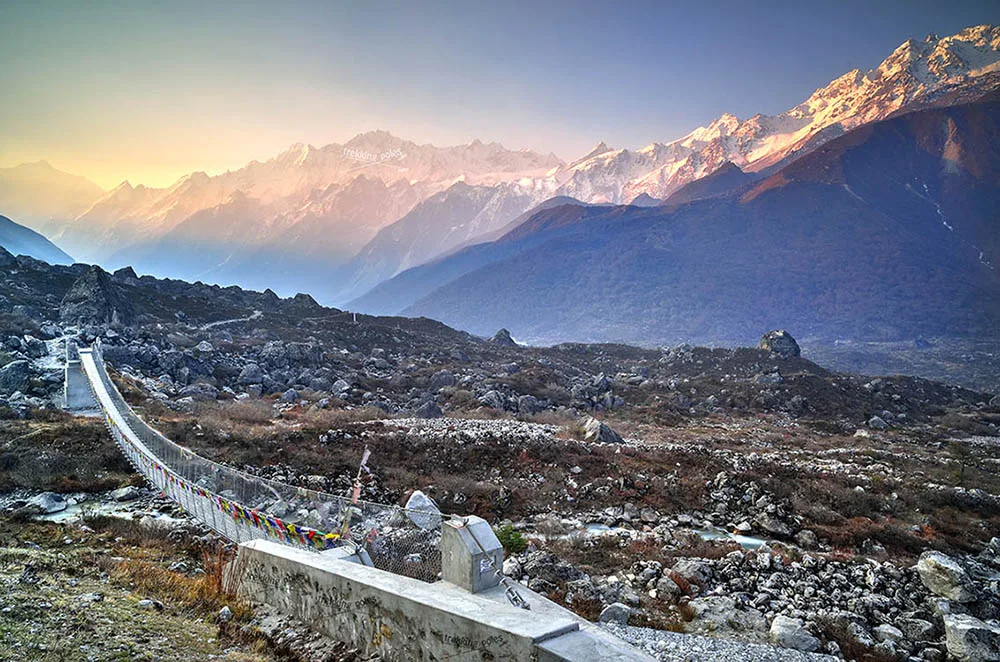
The Kyanjing Gompa Trek is an unforgettable adventure that takes trekkers into the heart of the Langtang Valley, offering a harmonious blend of natural beauty, cultural richness, and spiritual exploration. Located to the north of Kathmandu, the trek weaves through a tapestry of picturesque landscapes, traditional villages, and awe-inspiring Himalayan panoramas, making it a dream journey for trekkers seeking a deeper connection with nature and culture. The trek offers a perfect opportunity for adventure seekers, nature lovers, and those looking to immerse themselves in the unique Tamang culture of the Langtang region. The journey begins with a scenic drive from Kathmandu to Syabrubesi, a lively village nestled in the foothills of the Langtang region. This quaint village is the starting point of the trek and offers trekkers their first introduction to the rural beauty and charm of Nepal. From Syabrubesi, the trekking trail gradually ascends through dense forests of rhododendron, pine, and oak trees. Along the way, trekkers will cross several suspension bridges that span over gurgling mountain streams and rivers, offering both an adventurous experience and unparalleled beauty. The trek offers continuous views of majestic peaks, including Langtang Lirung, Ganesh Himal, and a host of other snow-capped mountains, creating a sense of awe as you make your way through the lush valley.
The Langtang Valley itself is famous for its ethnic Tamang villages, each with its own cultural charm and unique history. These villages are primarily inhabited by the Tamang people, who share cultural and religious ties with Tibetan Buddhism. The warm hospitality of the villagers provides trekkers with the chance to experience authentic mountain life, witness local traditions, and learn about the region’s deep connection to Buddhism and the Himalayas. As you progress through the trek, you’ll pass through traditional villages such as Lama Hotel, Langtang Village, and Kyanjing Gompa, each offering its own piece of the Himalayan puzzle.
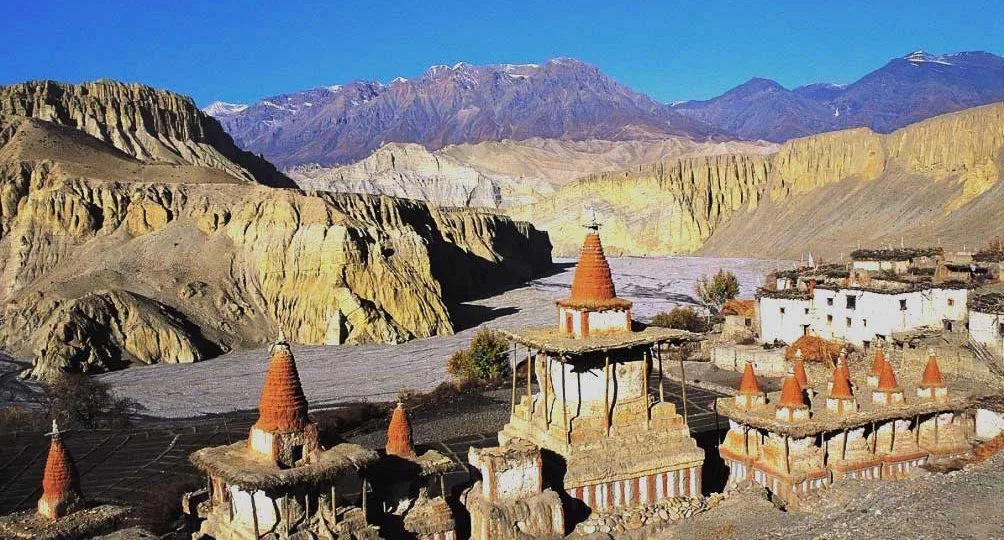
The highlight of the trek is undoubtedly the visit to Kyanjing Gompa, a revered Buddhist monastery perched at an altitude of 3,870 meters. Kyanjing Gompa is not only a spiritual center for the Tamang people but also a place of natural beauty, offering stunning views of the surrounding peaks. Trekkers will have the opportunity to interact with local monks, learn about their spiritual practices, and experience the peaceful atmosphere of the monastery. The surrounding area is dotted with yak pastures, where trekkers may spot grazing yaks and other wildlife.
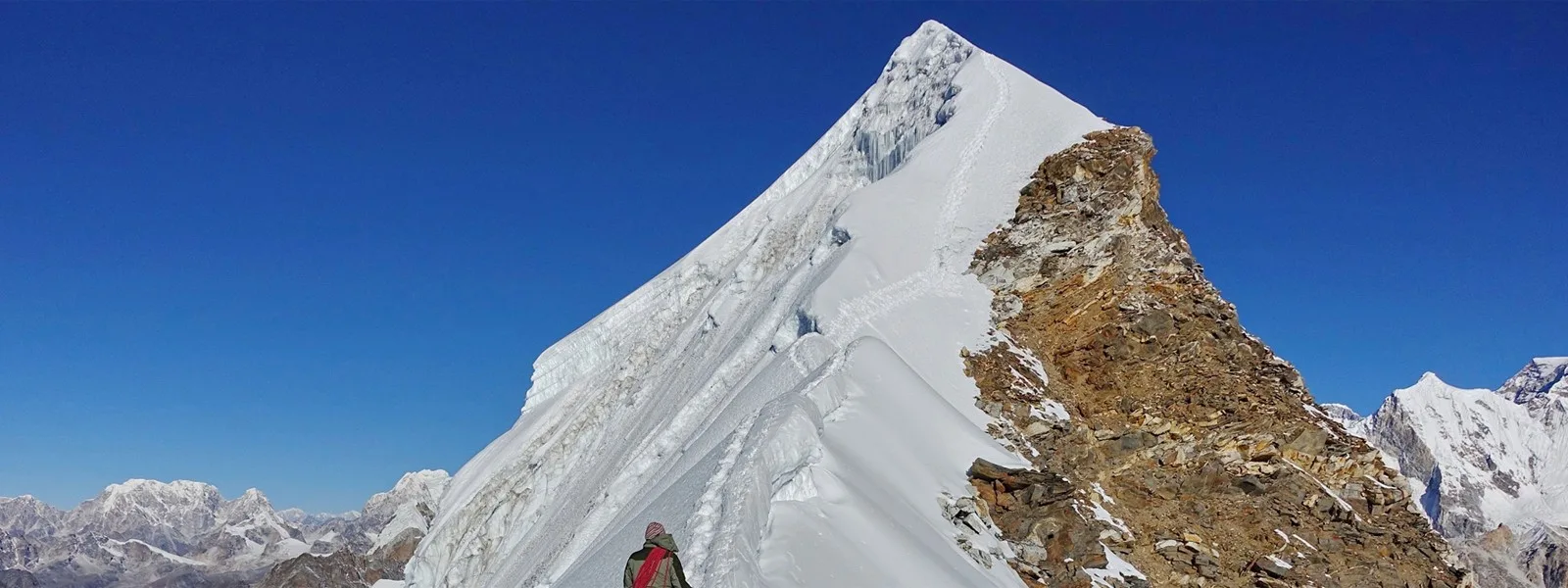
The trek also provides trekkers with the chance to hike to nearby vantage points such as Kyanjing Ri or Langshisa Kharka. These hikes offer panoramic views of the Langtang Himal range and are an excellent way to fully appreciate the grandeur of the Himalayan landscape. The towering Langtang Lirung, the highest peak in the region, dominates the skyline, and its snow-covered slopes offer breathtaking backdrops for photographs.
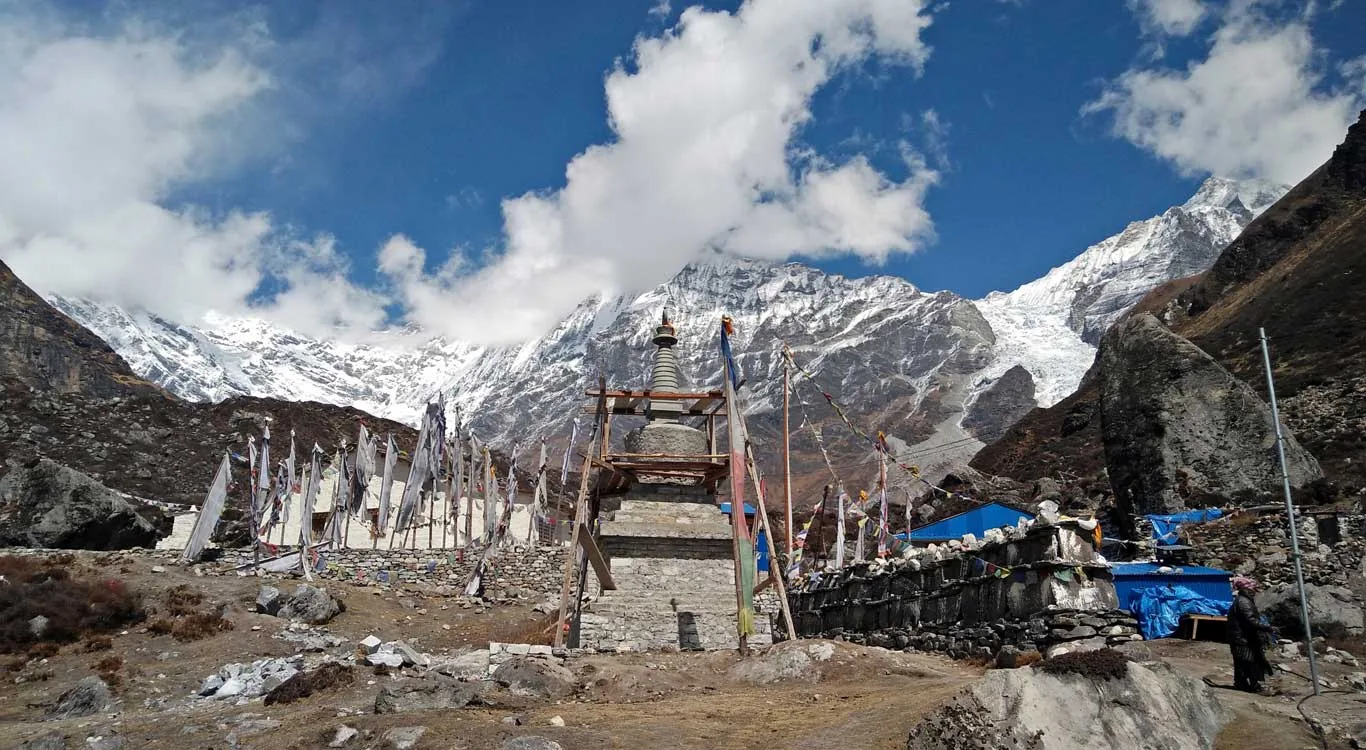
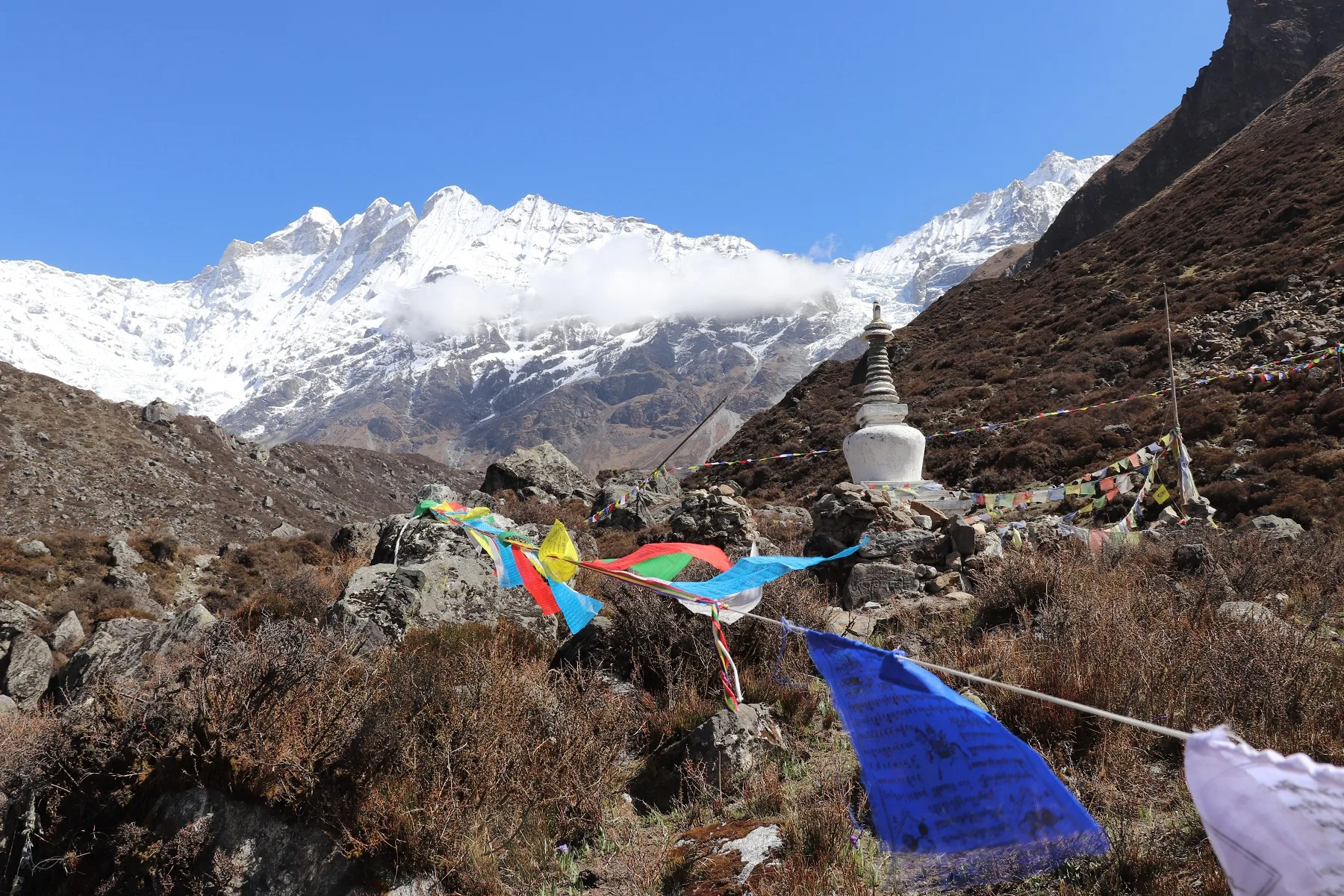
Throughout the trek, trekkers will traverse through a wide range of ecosystems, from subtropical forests to alpine meadows, making each day of the journey unique and exciting. The route offers plenty of opportunities for wildlife enthusiasts to spot a variety of birds, monkeys, and other animals that inhabit the region. Additionally, the trek passes through several sacred sites, including ancient monasteries and stupas, allowing trekkers to delve deeper into the region’s spiritual heritage.
As you make your way through the Langtang Valley, you’ll also witness the region’s recovery after the 2015 earthquake, which devastated many parts of Nepal. The resilience and determination of the local people to rebuild their communities and preserve their culture are truly inspiring, adding a layer of richness to your experience as you travel through these revitalized villages.
One of the most significant aspects of the Kyanjing Gompa Trek is its accessibility, especially for those with moderate fitness levels. The trek is considered moderate in difficulty, with gradual ascents, acclimatization days, and manageable trekking distances. The well-established trail is suitable for trekkers of various experience levels, including beginners who are looking for a less strenuous adventure in the Himalayas.
The trek also includes important rest and acclimatization days, ensuring that trekkers can adjust to the altitude before ascending to higher elevations. These days allow trekkers to take part in short hikes and enjoy the surrounding landscapes, making the overall trekking experience both enjoyable and safe. The Kyanjing Gompa Trek offers an enriching blend of adventure, culture, and spirituality that takes trekkers into the heart of Nepal’s Himalayas. Whether you’re looking to connect with nature, explore the traditions of the Tamang people, or simply enjoy the majestic mountain views, this trek provides an unforgettable journey. The tranquil ambiance, breathtaking landscapes, and spiritual encounters make it a must-do trek for anyone seeking a unique and immersive Himalayan experience.
World Trade Travel & Tours Pvt. Ltd. is dedicated to providing trekkers with an exceptional trekking experience in the Langtang region. Our team of experienced guides, porters, and staff ensure that every aspect of your trek is seamless, allowing you to fully immerse yourself in the beauty and culture of the Langtang Valley. From comfortable accommodations and delicious meals to professional support and safety, we make sure your trekking journey is memorable for all the right reasons. Join us on this unforgettable adventure and explore the breathtaking beauty of the Langtang Valley on the Kyanjing Gompa Trek with World Trade Travel & Tours Pvt. Ltd.
The adventure begins with a scenic drive from Kathmandu to Syabrubesi, the starting point of the Kyanjing Gompa Trek. The drive takes you through beautiful countryside, offering views of terraced fields, rushing rivers, and quaint rural villages nestled in the lush hillsides. As you leave the bustling city of Kathmandu behind, the journey gradually ascends towards the Langtang region, where the road winds through forests and valleys. The landscape gradually changes, and you’ll witness the unique beauty of rural Nepal. After approximately 7-8 hours of travel, you’ll reach Syabrubesi, a small but vibrant village that serves as the gateway to the Langtang Valley. Here, you’ll rest and prepare for the trekking days ahead.
After a hearty breakfast in Syabrubesi, your trekking journey officially begins. The trail initially follows the Langtang River, meandering through dense forests of rhododendron, oak, and pine trees. As you hike along the trail, you’ll cross several suspension bridges that offer stunning views of the rushing river below. The trek is gradual and not too strenuous, allowing you to enjoy the serene atmosphere of the forest and the sounds of chirping birds and flowing streams. You’ll pass through small settlements, where the local Tamang people greet you with warm smiles. After 6-7 hours of trekking, you’ll reach Lama Hotel, a peaceful spot where you can relax and unwind in a comfortable teahouse while surrounded by the natural beauty of the Langtang Valley.
On the third day, the trek continues with an ascent towards Langtang Village, a traditional Tamang settlement. The landscape starts to change as you gain altitude, with panoramic views of Langtang Lirung and other towering peaks gradually becoming visible. The village, perched at an altitude of 3,430 meters, offers a glimpse into the culture and lifestyle of the Tamang people, who have lived in the region for centuries. You’ll find traditional stone houses, prayer flags fluttering in the breeze, and a peaceful, close-knit community. Along the way, you’ll be able to witness views of snow-capped peaks, lush pastures, and alpine meadows. After a 5-6 hour trek, you’ll arrive in Langtang Village, where you’ll rest and enjoy the evening surrounded by awe-inspiring mountain vistas.
The fourth day brings you closer to your destination as you trek to Kyanjing Gompa, a sacred site situated at an altitude of 3,870 meters. The trail becomes steeper as you make your way through yak pastures, surrounded by magnificent views of Langtang Lirung and other surrounding peaks. Kyanjing Gompa is a revered Buddhist monastery that is not only an important spiritual center but also a place of immense natural beauty. The monastery is surrounded by pristine landscapes and offers an extraordinary opportunity to experience the tranquility and peace of the high Himalayas. Upon reaching the gompa, take the time to explore the monastery, interact with the resident monks, and take in the breathtaking mountain views that stretch across the horizon. The trek takes about 5-6 hours, and the village offers several teahouses for you to rest and enjoy the serene environment.
To ensure your body adjusts to the altitude, Day 5 is an acclimatization day at Kyanjing Gompa. This important rest day helps prevent altitude sickness and provides you with the opportunity to explore the surroundings at a leisurely pace. You can opt for short hikes to nearby vantage points like Kyanjing Ri or Langshisa Kharka, both offering panoramic views of the Langtang Himal range, including the mighty Langtang Lirung. These hikes offer perfect opportunities for photography, with the snow-capped peaks providing an impressive backdrop. In the afternoon, you can visit the monastery, learn about the spiritual practices of the monks, or simply relax and enjoy the stunning landscapes. This day also allows for a peaceful break to soak in the natural beauty and spiritual essence of the area.
After a day of rest and acclimatization, Day 6 sees you retracing your steps as you head back down to Lama Hotel. The descent is less strenuous, but it still provides plenty of opportunities to enjoy the lush forests and vibrant scenery along the way. You’ll pass through villages and forests that you encountered during the initial part of your trek, but now you’ll have the chance to see them from a different perspective as you make your way downhill. The trek down to Lama Hotel is approximately 5-6 hours, giving you time to reflect on your adventure thus far. Upon arrival in Lama Hotel, you’ll rest for the night, enjoying the comforts of the teahouse and sharing stories with fellow trekkers about your experiences.
The final day of trekking begins with a relatively easy descent back to Syabrubesi. This final stretch takes about 4-5 hours and is a great opportunity to savor the last views of the Langtang Valley. As you hike, the landscape changes once again, with lush green forests and sparkling mountain streams providing a refreshing backdrop to your final day of trekking. Upon arrival in Syabrubesi, take the time to reflect on the entire journey, enjoy a farewell dinner with your fellow trekkers and guides, and soak in the beauty of the surroundings for the last time. This day marks the end of your trekking adventure, but the memories of this extraordinary journey will last a lifetime.
On the final day of the trip, you’ll take a scenic drive back to Kathmandu from Syabrubesi. As you travel back, you’ll be able to enjoy the picturesque views of the rolling hills, terraced fields, rivers, and villages once again. The drive takes approximately 7-8 hours, allowing you to relax and reflect on the incredible adventure you’ve just completed. Once in Kathmandu, you will be transferred to your hotel, where you can rest and unwind after the trek. This marks the conclusion of your Kyanjing Gompa Trek with World Trade Travel & Tours Pvt. Ltd., leaving you with unforgettable memories of the magnificent Langtang Valley and the experience of a lifetime.
| Start Date | End Date | Price | Space Left | |
|---|---|---|---|---|
| February 3, 2025 Friday | February 28, 2025 Monday | $ 2877 | 07 | Book |
| March 4, 2025 Friday | February 24, 2025 Monday | $ 2879 | 09 | Book |
| March 23, 2025 Sunday | April 16, 2025 Tuesday | $ 2880 | 05 | Book |
• Private transportation from Kathmandu to Syabrubesi and back.
• Experienced trekking guide, porters, and necessary permits.
• Accommodation in comfortable teahouses along the trekking route.
• All meals (breakfast, lunch, and dinner) during the trek.
• Basic trekking equipment, including sleeping bags and trekking poles.
• International flights to and from Kathmandu.
• Travel insurance, visa fees, and personal expenses.
• Meals in Kathmandu (except for the welcome dinner).
• Tips for the guides, porters, and additional expenses not listed above.
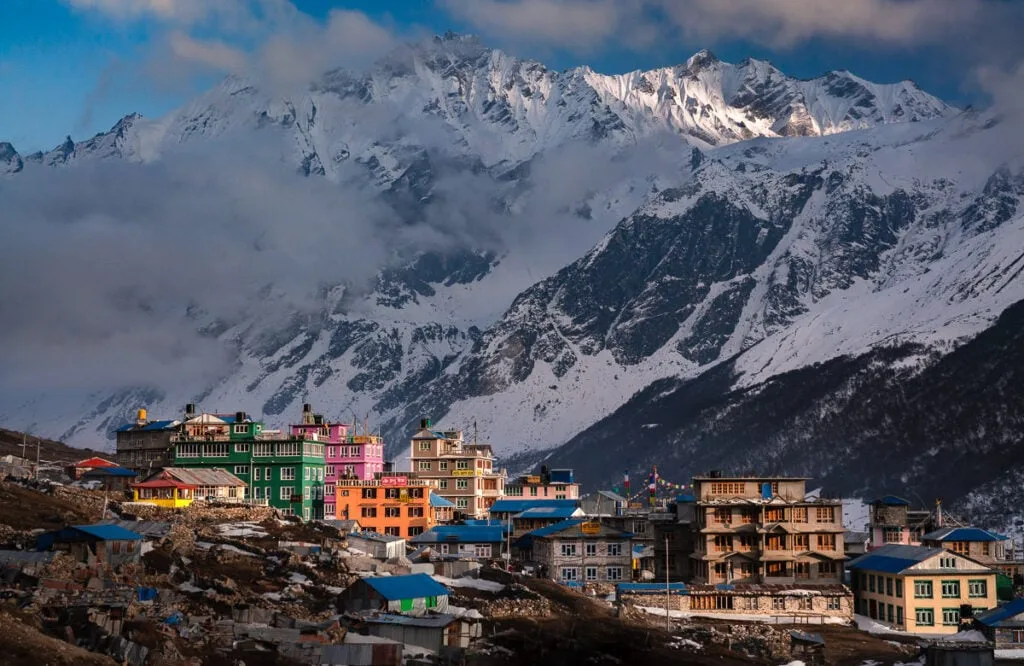
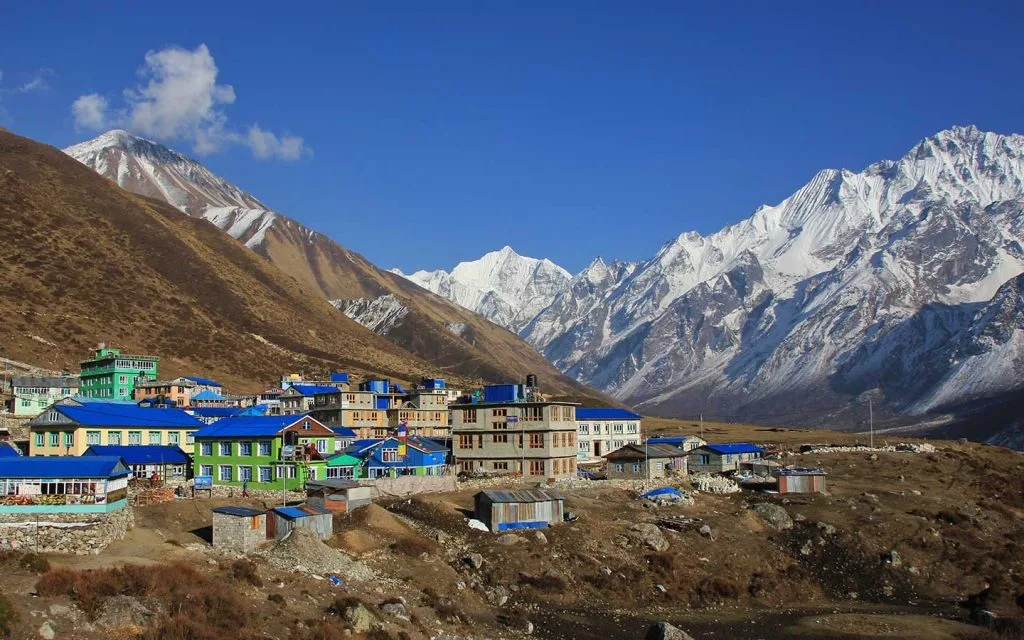
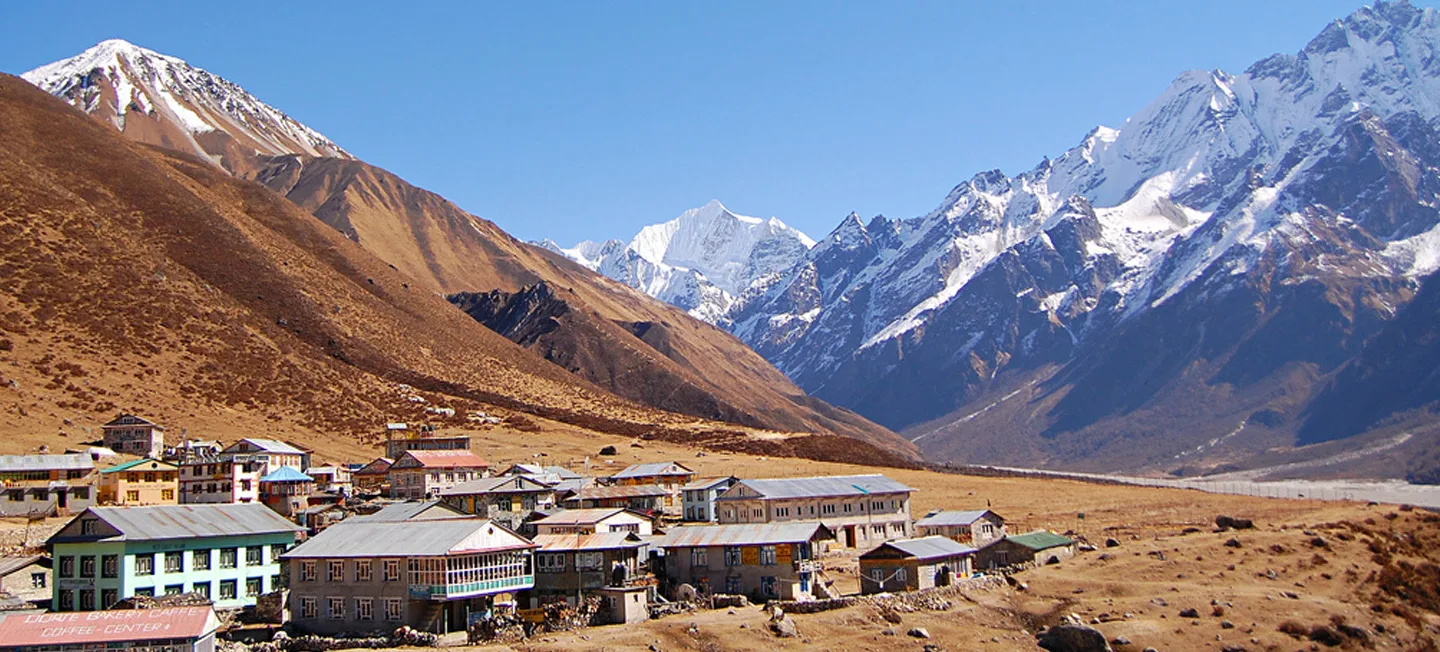
Accommodation during the Kyanjing Gompa Trek is primarily provided by local teahouses and lodges situated along the Langtang Valley trail. These establishments offer trekkers a convenient place to rest, enjoy meals, and recover after a day of walking through the Himalayan landscape. Most teahouses provide basic rooms with twin beds, mattresses, pillows, and blankets, while bathrooms are generally shared. Facilities and comfort levels may vary depending on the location and availability of resources.
As you travel farther into the valley, accommodation options may become more basic due to the remote mountain environment. Some teahouses have communal dining areas where trekkers can relax beside a stove, interact with fellow travelers, and learn about local culture. Although luxury facilities are limited, the warm hospitality of the Tamang people makes the experience welcoming and memorable.
Trekkers should be prepared for simple facilities, particularly at higher elevations, and consider carrying a suitable sleeping bag for additional warmth during cold nights. During the busy spring and autumn trekking seasons, booking accommodation in advance or arranging it through a trekking agency can help ensure a comfortable stay.
Meals during the Kyanjing Gompa Trek provide the energy needed for daily walking and exploring the Langtang Valley. Teahouses serve a range of traditional Nepali dishes and simple international-style meals. One of the most common options is dal bhat, a nutritious combination of rice, lentil soup, and vegetables that provides carbohydrates and protein for sustained energy. Other available dishes may include noodles, fried rice, soups, potatoes, eggs, porridge, and bread.
At lower elevations, trekkers may find a wider variety of food, including seasonal vegetables and occasionally meat. As the trail progresses toward Langtang Village and Kyanjing Gompa, menus may become more limited because of the remote location and the challenges of transporting supplies. Nevertheless, the meals available at local teahouses are generally intended to meet the needs of trekkers spending long days on the trail.
Eating regular meals, drinking sufficient water, and carrying lightweight snacks such as nuts, energy bars, or dried fruit can help maintain energy levels. Warm drinks, including tea and hot lemon, are also popular during cold mornings and evenings. Trekkers with dietary restrictions should inform their trekking agency or guide in advance so that suitable food options can be discussed.
The Kyanjing Gompa Trek follows a route through the Langtang region, including protected areas within Langtang National Park. Trekkers must obtain the applicable Langtang National Park entry permit before entering the protected area. This permit supports the management and conservation of the park, which protects the region’s forests, wildlife, landscapes, and cultural heritage.
The requirements for a TIMS (Trekkers’ Information Management System) card may vary according to current government regulations, trekking arrangements, and whether the trek is organized through a registered agency. Therefore, trekkers should not assume that the same documentation requirements apply in every situation.
Before departure, confirm the latest permit requirements, fees, application procedures, and necessary documents with the relevant authorities or your trekking agency. Trekkers generally should keep their permits accessible during the journey, as documents may be checked at designated points along the route.
If you are booking through World Trade Travel & Tours Pvt. Ltd., the agency can help clarify the applicable permit arrangements and explain which documents you need to prepare before beginning the trek.
Health and safety are important considerations on the Kyanjing Gompa Trek because the route gradually ascends into the high Himalayas. Kyanjing Gompa is situated at approximately 3,870 meters above sea level, where lower oxygen availability can increase the risk of altitude-related illness. Even trekkers with good physical fitness may experience altitude sickness if they ascend too quickly.
To reduce the risk, trekkers should follow a gradual ascent, maintain a comfortable walking pace, drink sufficient water, eat regular meals, and allow time for acclimatization. Rest days and short hikes can help the body adjust to higher elevations when incorporated appropriately into the itinerary. Avoid pushing yourself to continue ascending when you feel unwell.
Common symptoms of altitude sickness include headache, nausea, dizziness, loss of appetite, and unusual fatigue. If these symptoms develop, inform your guide and avoid ascending further until the situation has been assessed. Severe or worsening symptoms, including difficulty breathing at rest, confusion, or problems walking steadily, require urgent medical attention and descent when appropriate.
In addition to altitude awareness, trekkers should wear sturdy trekking boots, dress in layers, protect themselves from strong sunlight, and carry a basic first aid kit. Weather conditions can change quickly in the mountains, so checking forecasts and following your guide’s advice are essential. Travel insurance that covers high-altitude trekking and emergency helicopter evacuation is also worth arranging before departure.
The best seasons for the Kyanjing Gompa Trek are generally spring (March to May) and autumn (September to November). During these periods, weather conditions are often more favorable for trekking, and mountain visibility can be excellent. Choosing the right season allows trekkers to enjoy the scenery, explore traditional villages, and experience the cultural richness of the Langtang Valley more comfortably.
Spring (March to May) is an attractive season for nature lovers. Temperatures gradually become milder, forests begin to flourish, and rhododendrons bloom along sections of the trail. The combination of colorful vegetation, flowing streams, and snow-covered Himalayan peaks creates excellent opportunities for photography. Conditions can still be cold at higher elevations, especially in the mornings and evenings, so warm clothing remains necessary.
Autumn (September to November) is another popular period because the monsoon rains have generally eased, leaving clearer skies and fresh mountain landscapes. Trekkers may enjoy impressive views of Langtang Lirung, Ganesh Himal, and the surrounding Himalayan ranges. Daytime conditions are often suitable for walking, although nights become increasingly cold as autumn progresses.
Winter (December to February) can offer peaceful trails and beautiful snow-covered scenery, but temperatures can fall significantly at higher elevations. Snow and icy conditions may affect the route, so appropriate equipment, careful planning, and up-to-date weather information are essential.
Monsoon (June to August) brings heavier rainfall to much of Nepal. Trails may become muddy or slippery, clouds can obscure mountain views, and landslides may affect road access or trekking routes. Although trekking may still be possible in some conditions, flexibility and careful monitoring of weather and trail conditions are particularly important.
For many trekkers, spring and autumn offer the most favorable overall balance of scenery, weather, and trekking conditions. However, the actual experience depends on the weather in the year of travel, so checking local conditions before departure is always advisable.