Kyanjing Gomba Trek
Price From: N/A
8 Days/7 Nights

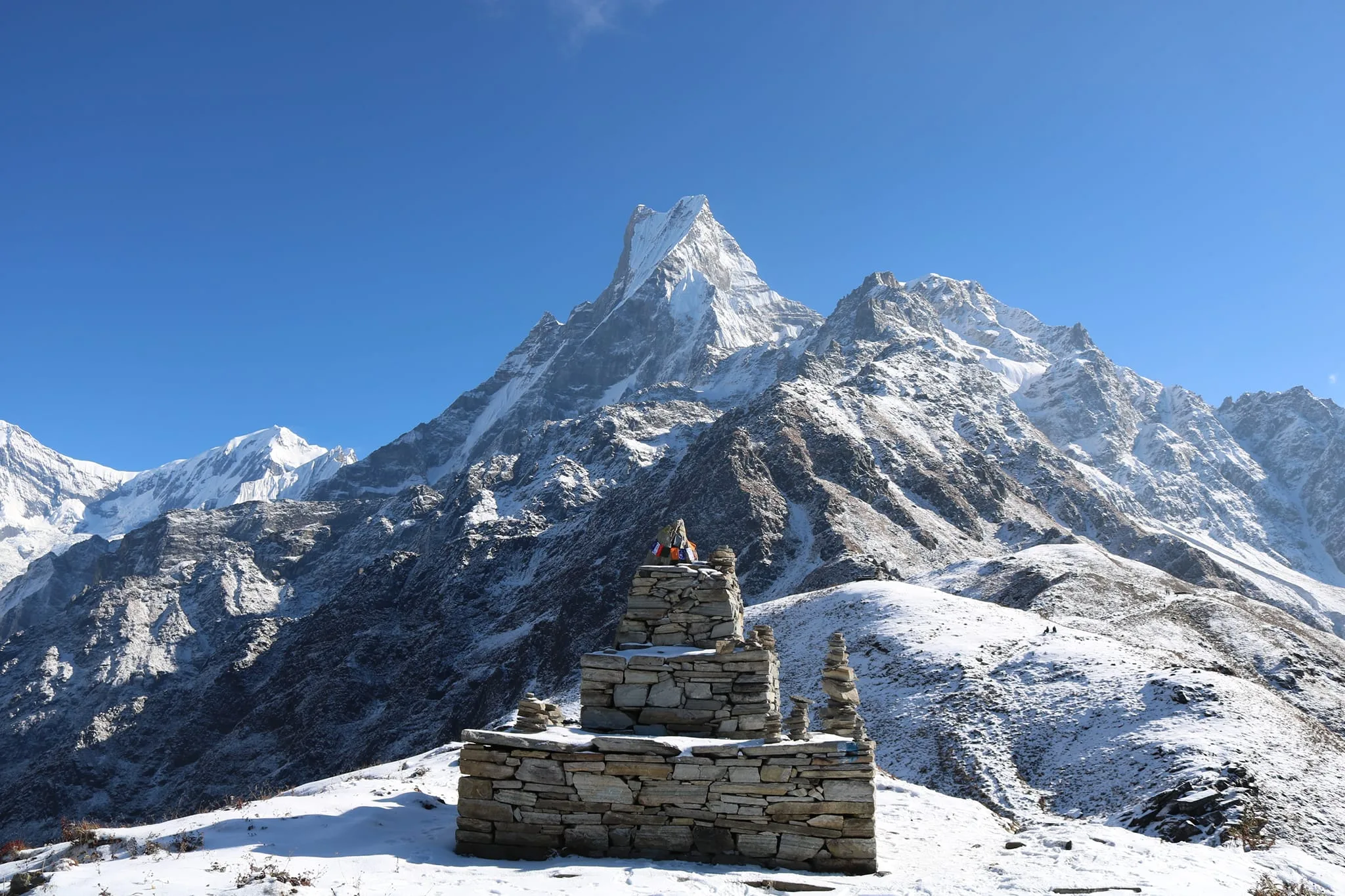
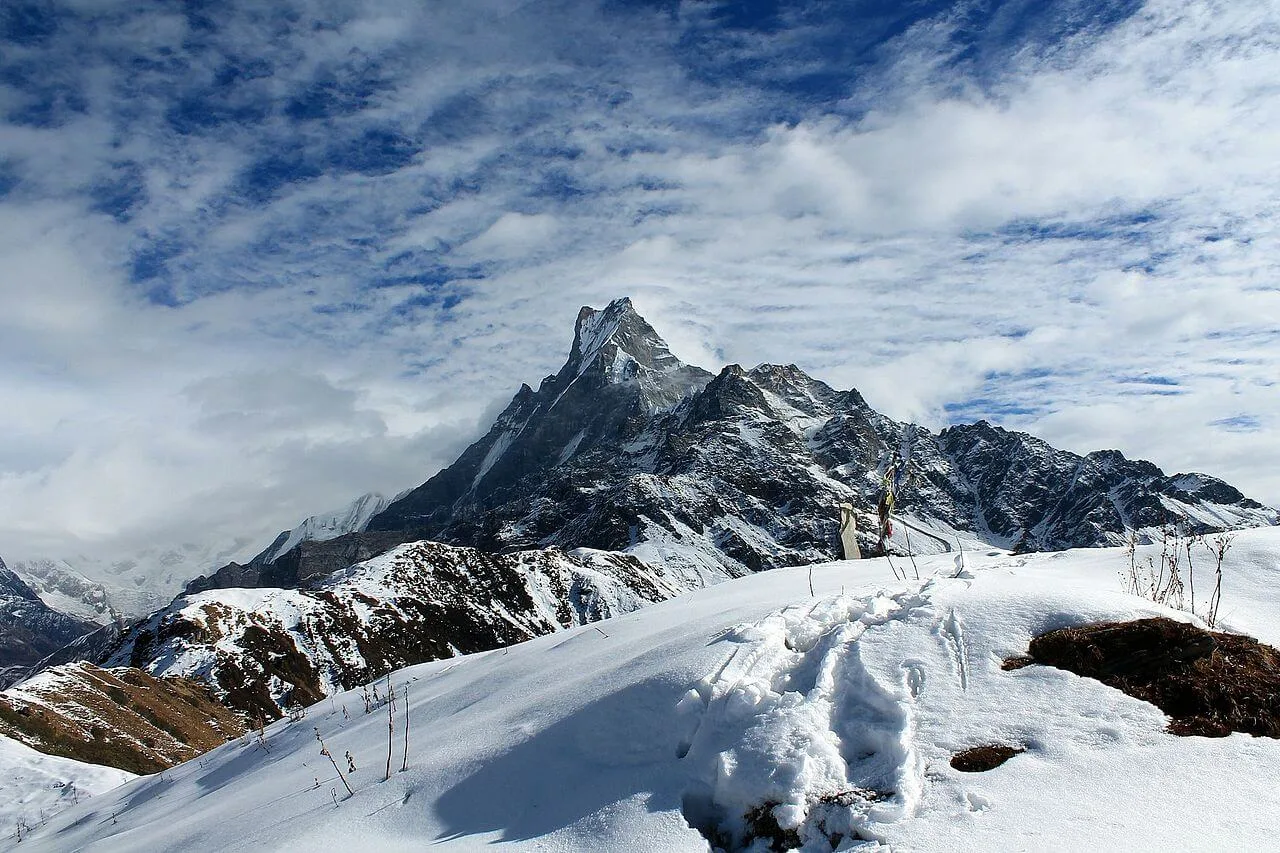
The Mardi Himal Trek is an enchanting and relatively new trekking route located in the Annapurna region of Nepal. This trek offers trekkers the opportunity to explore untouched natural beauty and enjoy panoramic views of some of the highest peaks in the world, including Annapurna and Machhapuchhre (Fishtail). As one of the lesser-known treks in the Annapurna region, Mardi Himal provides an off-the-beaten-path experience, with fewer crowds and a more intimate connection to nature, making it perfect for those seeking a peaceful and serene adventure. The trek takes you through a wide range of landscapes, from subtropical forests to alpine meadows, and ultimately to the high mountain ridges that offer sweeping views of the Annapurna range. Along the way, trekkers will encounter traditional villages, lush rhododendron forests, and serene mountain views that provide a true sense of the Himalayan lifestyle and culture. The Mardi Himal Trek is often seen as an alternative to the more crowded routes such as the Annapurna Base Camp or Ghorepani Poon Hill treks, offering an equally magnificent yet less commercialized experience.
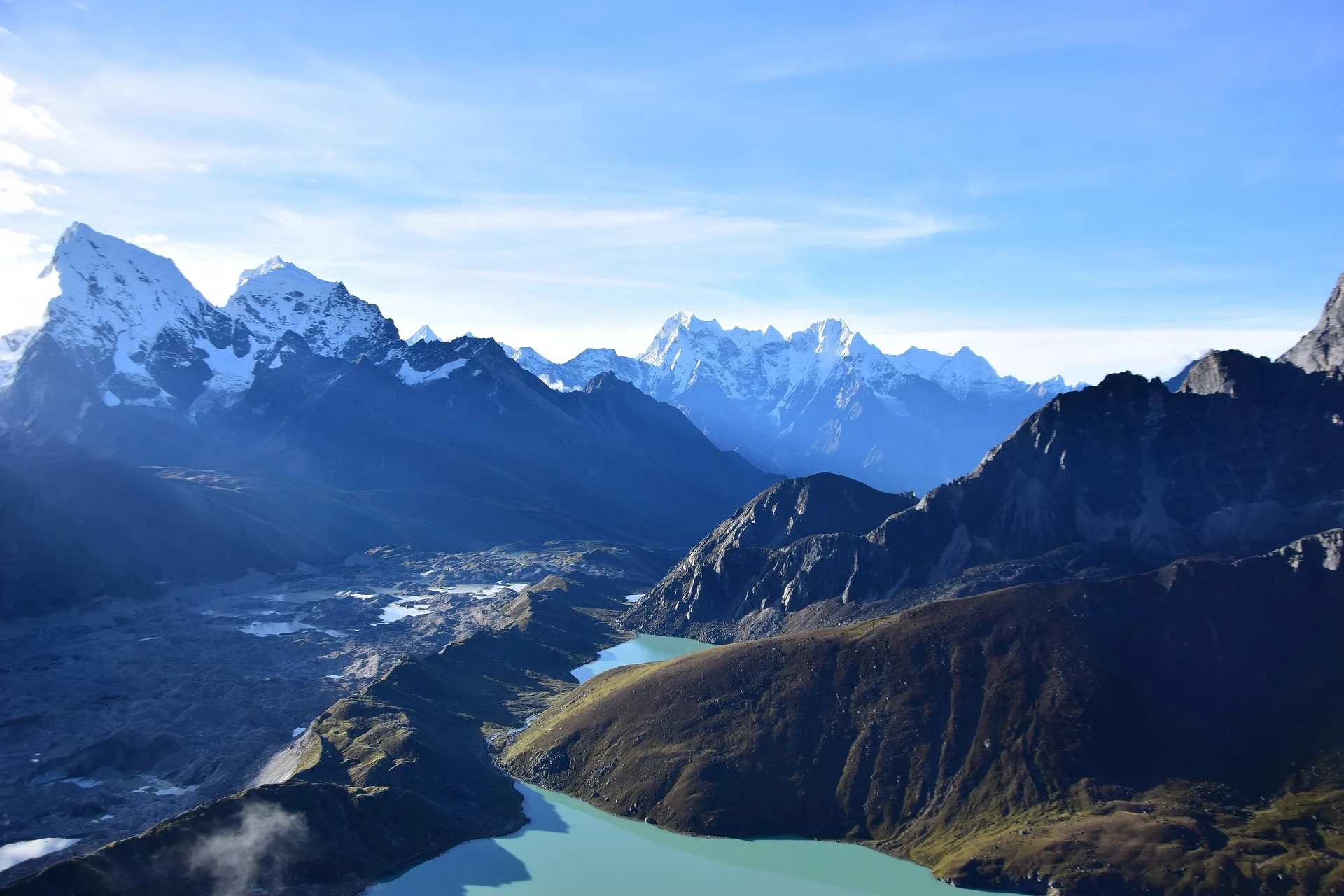
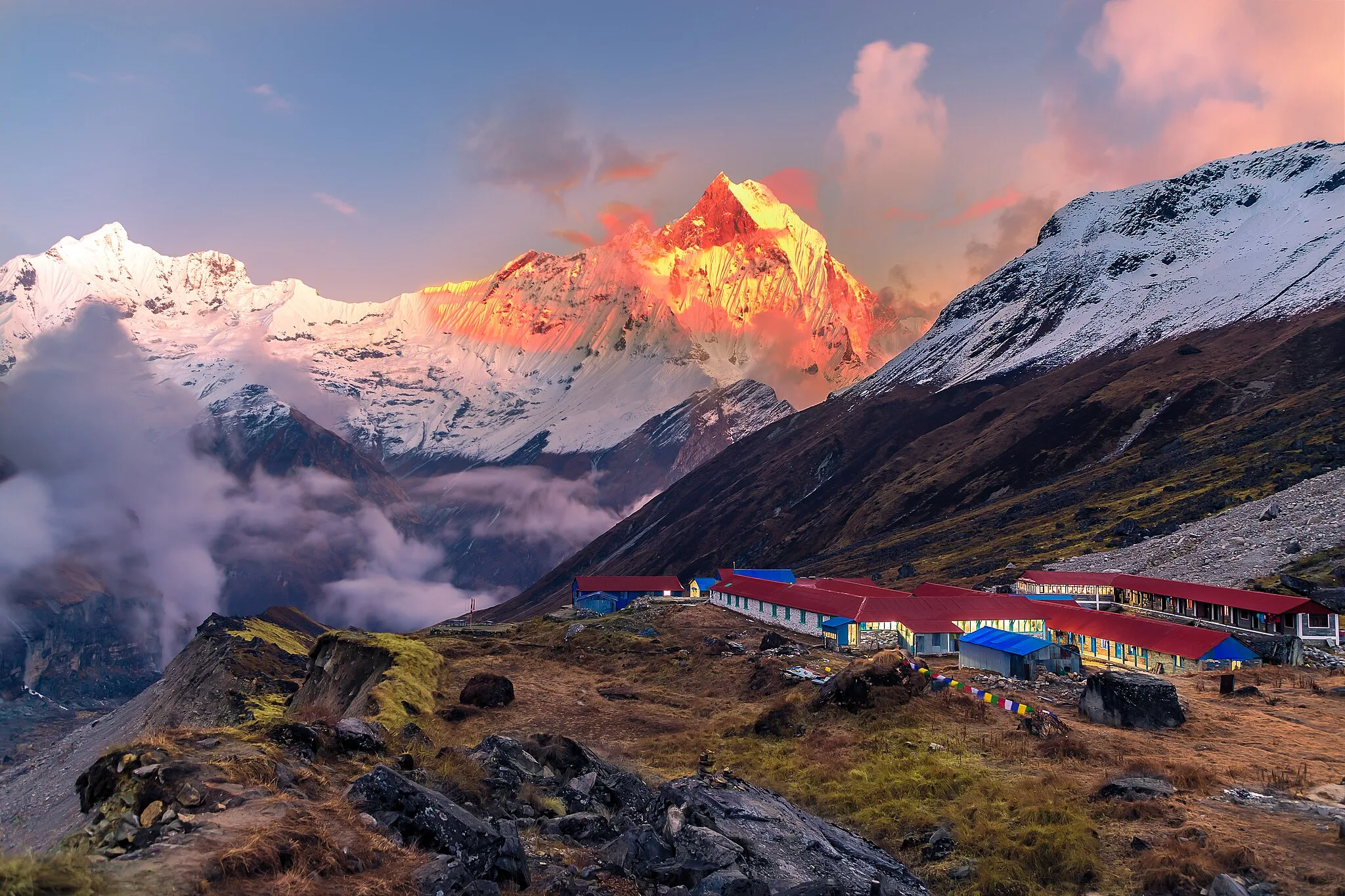
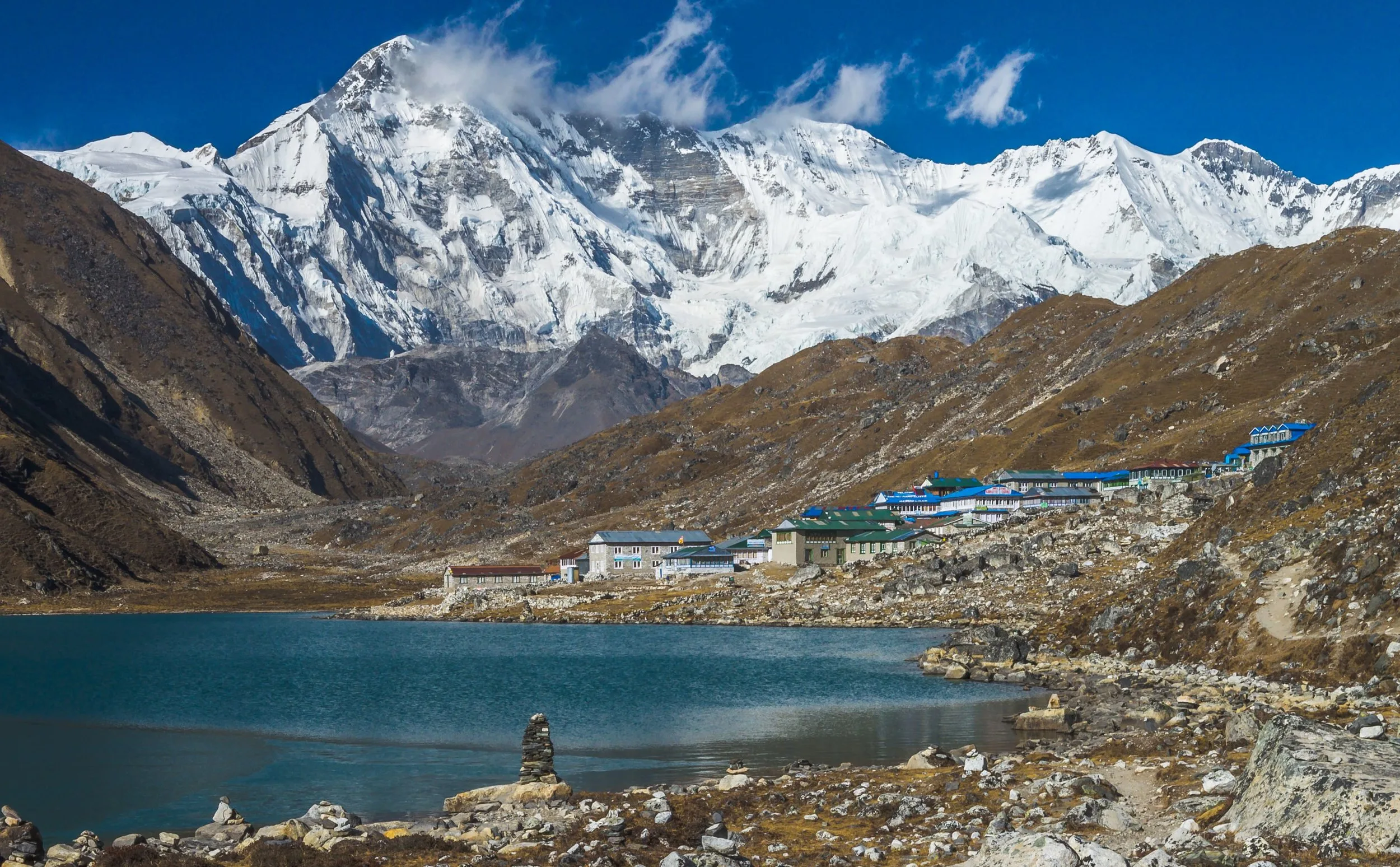
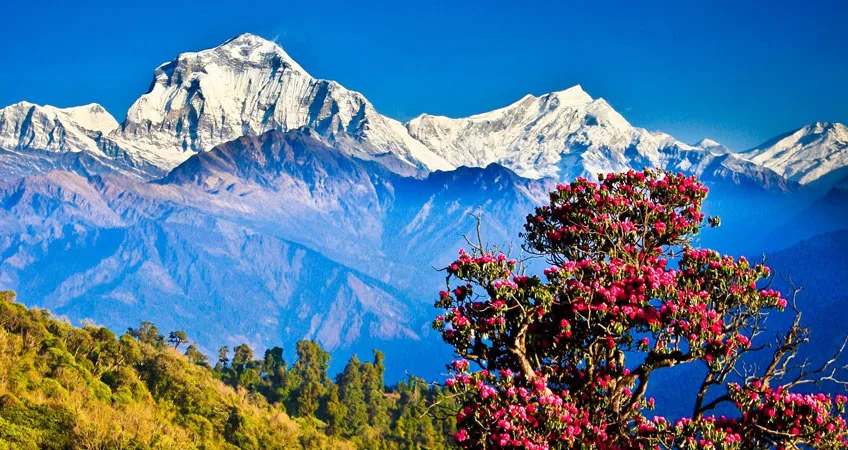
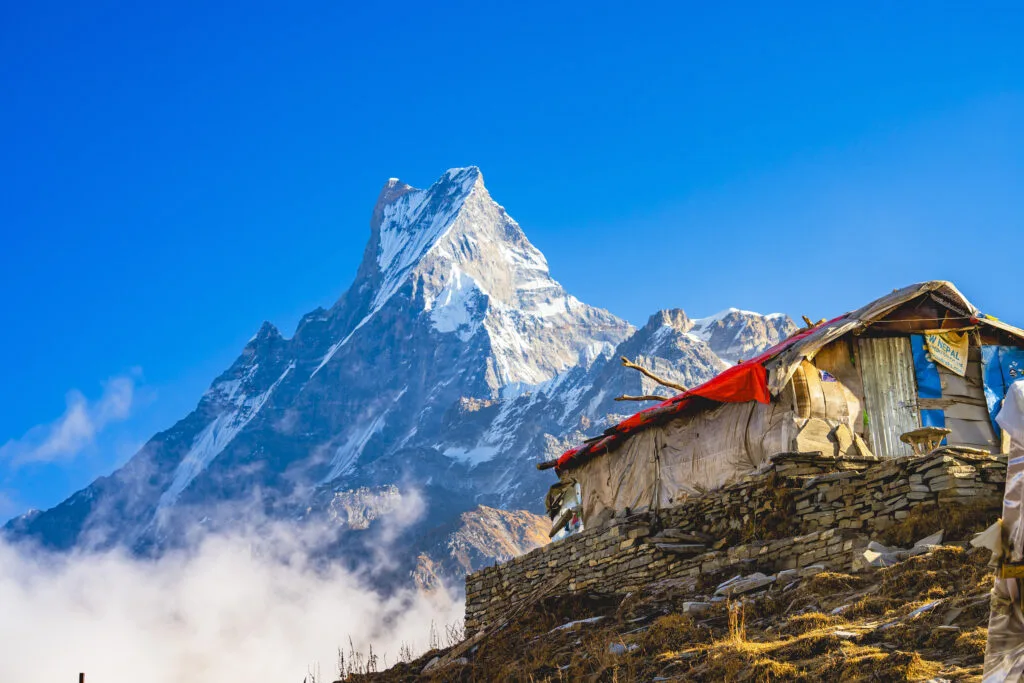
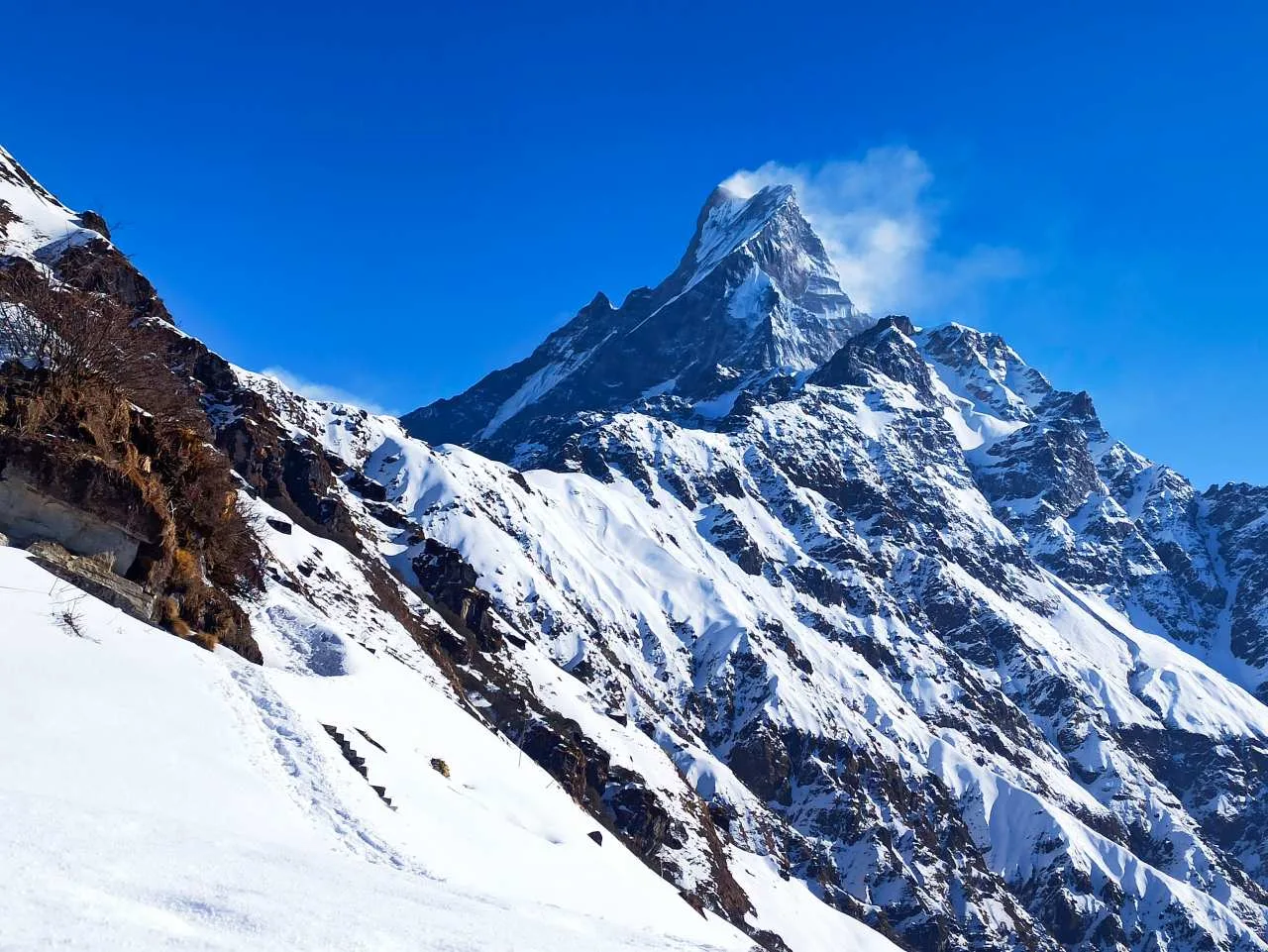
Throughout the Mardi Himal Trek, trekkers are treated to some of the most spectacular views of the Annapurna massif, including Annapurna I, Annapurna South, and the iconic Machhapuchhre (Fishtail) Peak. The views from the Mardi Himal Base Camp are some of the best in the region, offering a front-row seat to the grandeur of these towering mountains. The majestic snow-capped peaks provide a constant backdrop, making every step of the trek a memorable experience. The trek takes you through an incredible variety of landscapes, each more captivating than the last. Starting from the subtropical lowlands, you will pass through dense forests of rhododendron, oak, and pine trees. As you ascend, the forests gradually give way to alpine meadows and high-altitude ridges. The trek offers diverse flora and fauna, with the opportunity to spot various species of birds, butterflies, and wildlife like the Himalayan tahr and musk deer. During spring, the forested areas come alive with vibrant rhododendron blossoms, adding to the trek’s charm.
The Mardi Himal Trek allows trekkers to immerse themselves in the local culture of the Gurung, Magar, and Brahmin communities that reside in the villages along the trail. The trekking route passes through traditional villages like Lumre, Landruk, and Deurali, where trekkers can interact with friendly locals and experience the authentic way of life in the mountains. These remote settlements provide an opportunity to see traditional stone houses, terraced fields, and an ancient way of life that has remained unchanged for centuries.
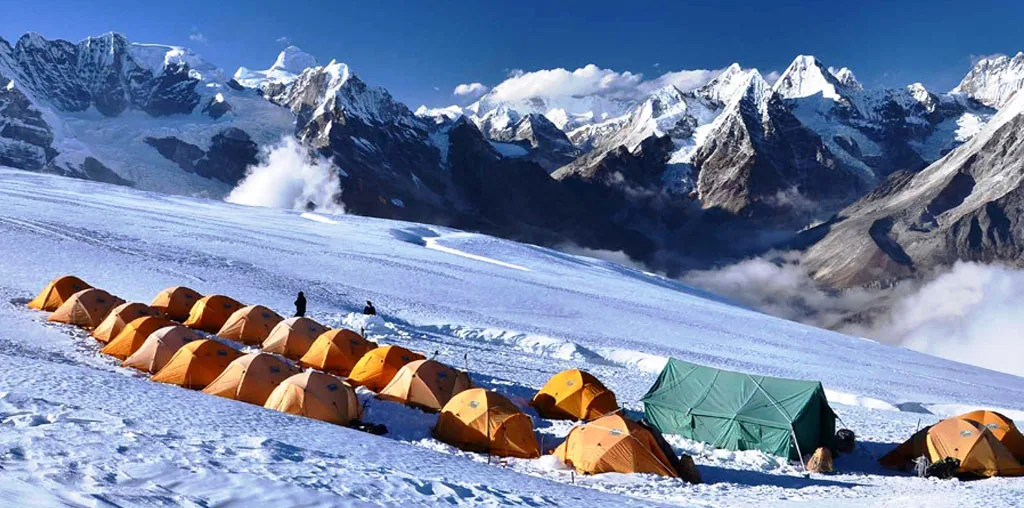
One of the most significant milestones of the trek is reaching the Mardi Himal Base Camp, located at an altitude of 4,500 meters (14,763 feet). The trek to the base camp is a highlight for many, as it provides unparalleled views of Machhapuchhre (Fishtail) and Annapurna South. The base camp itself is surrounded by high ridges, offering stunning panoramas of the Annapurna range. It is a place where trekkers can rest, take in the breathtaking views, and feel a sense of achievement before descending.
Unlike other popular trekking routes in the Annapurna region, Mardi Himal Trek is relatively less crowded, making it an ideal choice for those looking to escape the crowds and experience the tranquility of the mountains. The relatively new nature of the trail means that trekkers can explore remote areas of the Annapurna region without the hustle and bustle of more established trekking routes. The sense of peace and solitude, combined with the grandeur of the surrounding mountains, creates a truly unique experience.
While the Mardi Himal Trek takes you to higher altitudes and challenging terrain, it is still considered a moderately easy trek, making it accessible to a wide range of trekkers. The trek is ideal for those with a moderate level of fitness, and no prior technical mountaineering experience is required. The well-maintained trail, combined with comfortable teahouse accommodations along the way, ensures that trekkers can enjoy the adventure without compromising on comfort.
The Mardi Himal Trek can be undertaken throughout the year, but the best seasons to do this trek are during the spring (March to May) and autumn (September to November) months. During these times, the weather is generally clear, and the views of the mountains are at their most spectacular. The rhododendron forests are in full bloom during spring, adding a burst of color to the trek, while autumn offers crisp air and pleasant temperatures. Winter (December to February) and summer (June to August) are less popular due to heavy snowfall and monsoon rains, which can make the trail slippery and challenging.
The Mardi Himal Trek typically spans 5 to 7 days, depending on the pace of the trekkers and the route taken. The trek usually begins in Pokhara, where trekkers take a short drive to the starting point of the trek at Lumre. From there, the trail ascends gradually, passing through picturesque villages, rhododendron forests, and alpine meadows, with overnight stops at teahouses along the way. The final destination is the Mardi Himal Base Camp, after which trekkers retrace their steps back down to Pokhara.
World Trade Travel & Tours Pvt. Ltd. offers professional and reliable trekking services for the Mardi Himal Trek. Our experienced trekking guides are knowledgeable about the region, ensuring that you have an enriching and safe experience. We provide comfortable accommodations, quality transportation, and personalized itineraries tailored to your preferences. Our commitment to responsible tourism means that we prioritize the preservation of the environment and respect for local communities, ensuring that your journey contributes positively to the Annapurna region. The Mardi Himal Trek is an unforgettable journey through the Annapurna region, offering stunning mountain views, rich cultural encounters, and an opportunity to experience the natural beauty of Nepal in its most unspoiled form. Whether you are a seasoned trekker or a first-time adventurer, this trek is sure to provide a rewarding and memorable experience. Choose World Trade Travel & Tours Pvt. Ltd. for your next trekking adventure, and let us take you on a journey you will never forget.
Upon your arrival in Kathmandu, you will be greeted at the airport and transferred to your hotel. After checking in and settling in, you’ll have a meeting with your trekking guide who will provide a thorough briefing on the Mardi Himal Trek. The guide will go over important details such as the trek route, altitude precautions, and general expectations. You will have the opportunity to ask any questions about the upcoming journey. Afterward, you can take some time to relax or explore the bustling streets of Kathmandu, immersing yourself in the rich culture and history of Nepal’s vibrant capital.
After breakfast, you will embark on a scenic drive or take a flight to Pokhara, which serves as the gateway to the Annapurna region. The drive, which takes approximately 6-7 hours, will take you through picturesque landscapes of terraced fields, rivers, and rural villages. Alternatively, the flight is much shorter and offers stunning aerial views of the Himalayan peaks. Once in Pokhara, you can relax by the serene Phewa Lake, enjoy the stunning views of the surrounding mountains, or take a leisurely walk around the lakeside area. This is the perfect place to unwind and prepare for the trek ahead.
After breakfast, you will drive to the trailhead at Kande, a small village located about 30 kilometers from Pokhara. From here, your trek begins as you ascend through lush forests and terraced fields, gradually making your way up the mountainside. The trail winds through small villages, offering a glimpse into the rural lifestyle of the region. After a steady climb, you will reach Forest Camp, where you’ll spend the night. The surrounding forests of rhododendron, oak, and pine provide a peaceful atmosphere, and if you’re lucky, you might even spot some local wildlife. The night will be spent in a comfortable teahouse, where you can relax and enjoy a warm meal.
You will trek from Forest Camp to Low Camp. The trail gradually ascends through dense forests, offering occasional views of the surrounding valleys and the distant mountains. As you climb higher, you will begin to see panoramic views of the surrounding peaks, including the Annapurna range and Machhapuchhre (Fishtail). The trek to Low Camp is not too strenuous, allowing you to enjoy the landscape and the tranquility of the forested area. Low Camp is situated at a slightly higher altitude and offers stunning views of the mountains. You will spend the night here in a cozy teahouse, resting and preparing for the higher altitudes ahead.
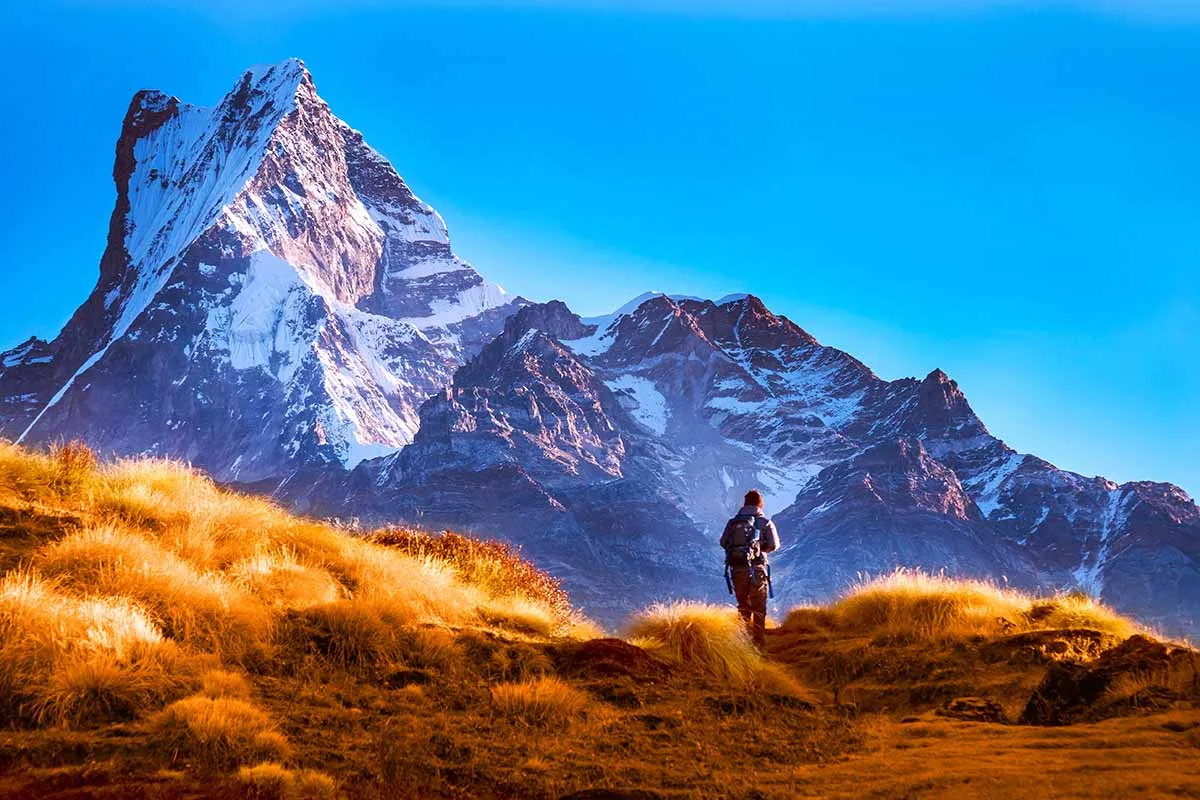
The trek continues with a steady climb from Low Camp to High Camp. As you ascend, the environment becomes more alpine, with the trees gradually giving way to meadows and rocky terrain. The views continue to improve, with glimpses of Machhapuchhre (Fishtail), Mardi Himal, and the Annapurna range getting closer and more dramatic. The air grows thinner as you climb higher, and you’ll begin to notice the change in the landscape as the vegetation thins out. High Camp is a spectacular spot that offers stunning panoramic views, making it the perfect place to relax and soak in the beauty of the surrounding peaks. You will spend the night at High Camp, enjoying the pristine mountain air and the serenity of this high-altitude location.
Is one of the most exciting days of the trek, as you will make your way to Mardi Himal Base Camp. The trek from High Camp to Base Camp involves a steady ascent, and as you approach the base camp, the views of Mardi Himal, Machhapuchhre (Fishtail), and the Annapurna range are nothing short of spectacular. At the base camp, you’ll be surrounded by towering peaks, offering a sense of awe and accomplishment. After spending some time at the base camp, taking in the breathtaking views, you will descend back to High Camp for the night. The descent is easier, and you can relax at High Camp, reflecting on the incredible sights and experiences of the day.
After an exhilarating day at the base camp, Day 7 brings a change of scenery as you descend from High Camp to Siding Village. The trail takes you through lush rhododendron forests, passing by small traditional villages that provide insight into the local way of life. The villages are inhabited by the Gurung people, known for their hospitality and rich cultural traditions. Siding Village is a picturesque settlement where you can rest and enjoy the hospitality of the locals. The trek on this day is primarily downhill, offering a chance to take in the serene landscapes as you descend into the valley.
You will trek from Siding Village to Lumre, where you will reach the end of the trekking route. The trail takes you through terraced fields and small villages, offering lovely views of the surrounding countryside. Once in Lumre, you will take a drive back to Pokhara, where you can relax and enjoy the lakeside atmosphere. You’ll have time to unwind and reflect on your trek, perhaps enjoying a peaceful boat ride on Phewa Lake or exploring the many cafes and shops in the area. Pokhara offers a perfect setting for relaxation after the physical exertion of the trek.
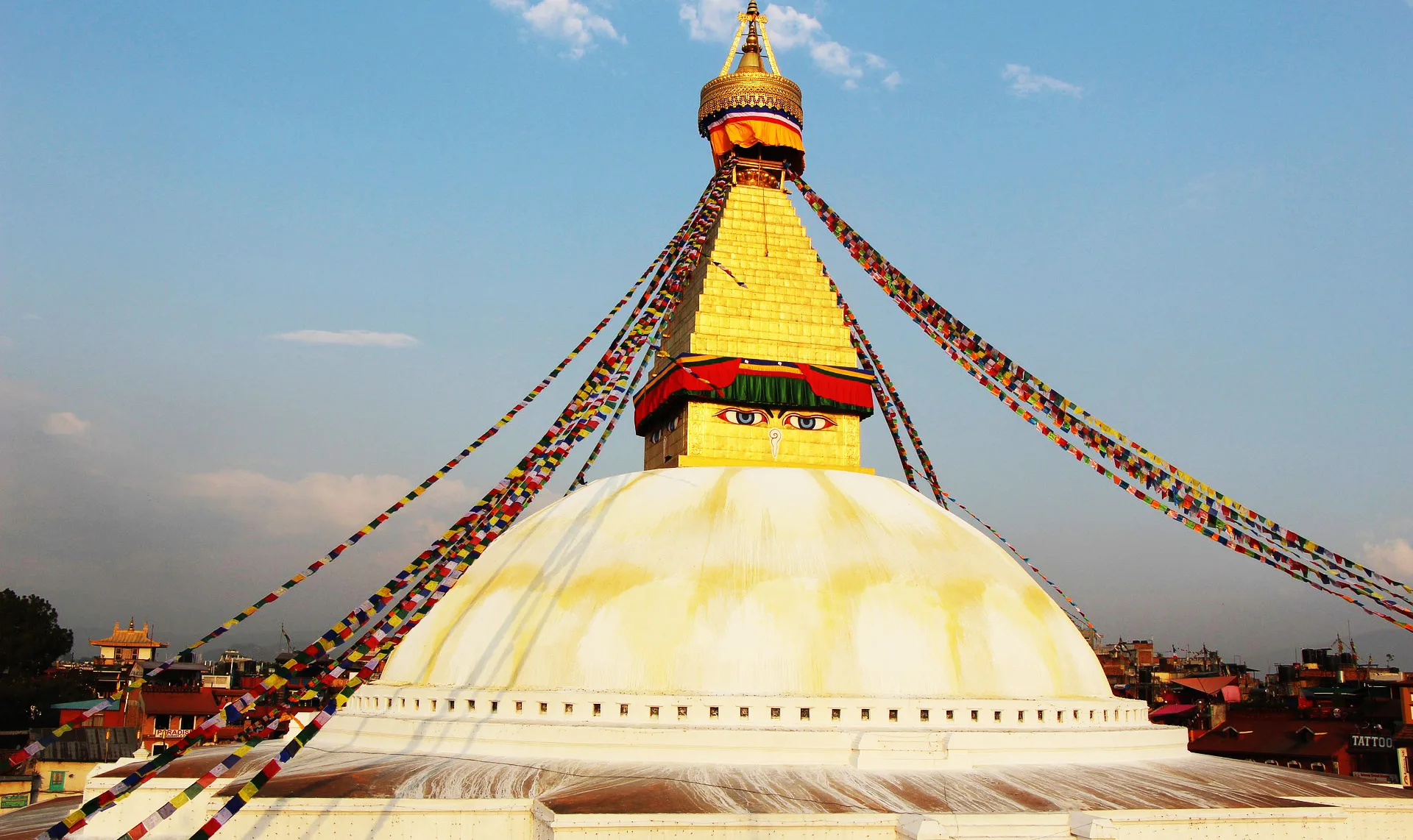
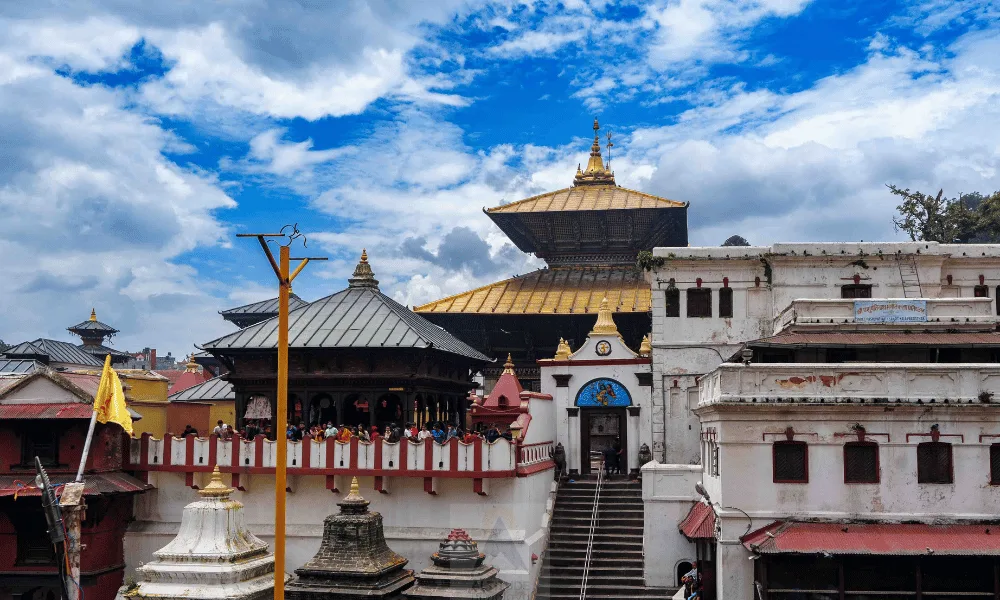
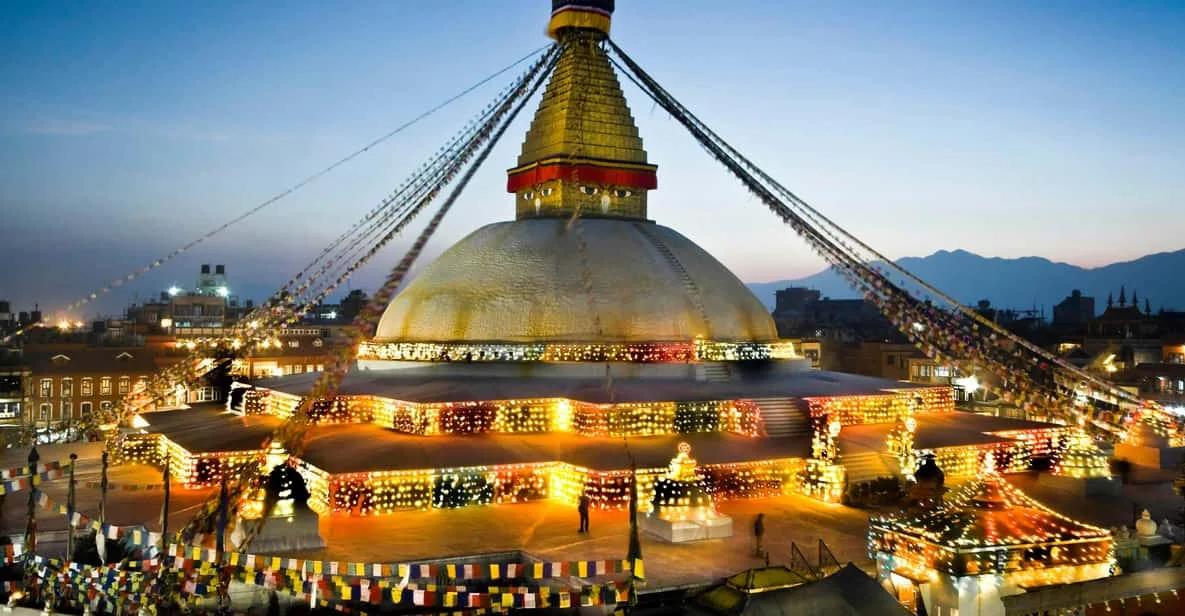
On the final day of your trip, you will either drive or take a flight back to Kathmandu. The drive from Pokhara to Kathmandu takes around 6-7 hours, offering scenic views along the way, while the flight is a much quicker option. Once back in Kathmandu, you will have free time to explore the vibrant capital city, visiting landmarks like Swayambhunath (Monkey Temple), Boudhanath Stupa, or the lively Thamel district. If you have time before your onward journey, you can explore the bustling markets and enjoy the vibrant culture of the city. In the evening, you will be transferred to the airport for your departure, concluding your unforgettable Mardi Himal Trek adventure.
| Start Date | End Date | Price | Space Left | |
|---|---|---|---|---|
| February 3, 2025 Friday | February 28, 2025 Monday | $ 2877 | 07 | Book |
| March 4, 2025 Friday | February 24, 2025 Monday | $ 2879 | 09 | Book |
| March 23, 2025 Sunday | April 16, 2025 Tuesday | $ 2880 | 05 | Book |
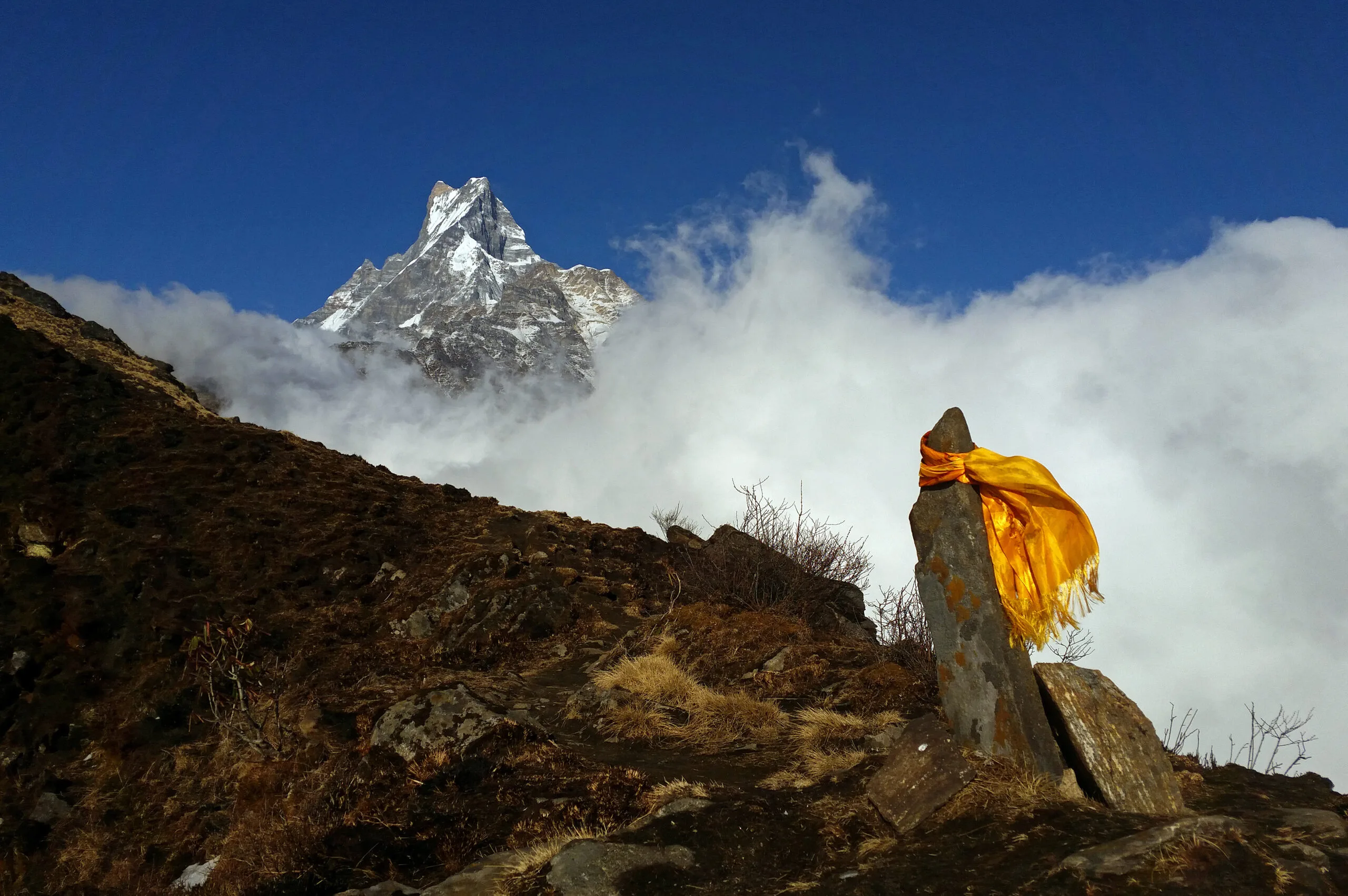
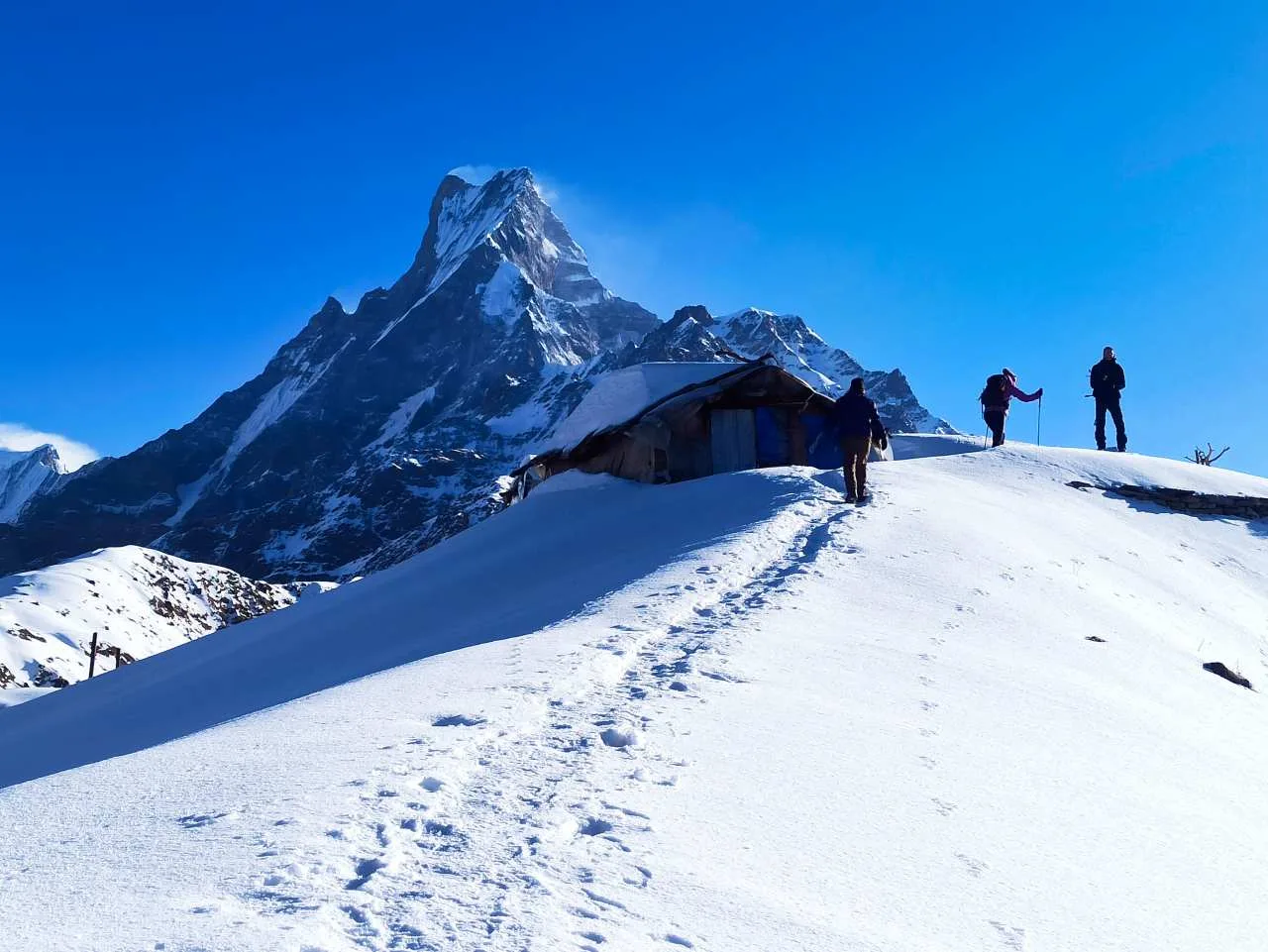
Accommodation during the Mardi Himal Trek is generally provided by basic teahouses located along the trekking route. These teahouses offer simple rooms, usually furnished with twin beds, mattresses, and blankets. Facilities are modest, especially at higher elevations, but they provide trekkers with a convenient place to rest and recover after a day of walking.
Most teahouses have shared bathrooms, and the availability of hot showers, charging facilities, and other amenities may vary from one location to another. As temperatures can drop significantly at higher elevations, trekkers should be prepared for basic living conditions and consider carrying a suitable sleeping bag to stay warm and comfortable during the night.
Meals along the Mardi Himal Trek are designed to provide trekkers with energy for long walking days. Common options include traditional Nepali dal bhat (rice, lentils, and vegetables), noodles, soups, potatoes, eggs, and other simple dishes. Meat may also be available at lower altitudes, depending on the teahouse and the availability of supplies.
As the trail climbs to higher elevations, food choices may become more limited because ingredients and supplies are harder to transport. Meals may be simpler, and prices can increase at higher locations. Trekkers are encouraged to eat regular, nourishing meals and drink plenty of fluids to maintain their energy and support their bodies during the trek.
Trekkers planning to visit the Mardi Himal region should check the current permit requirements before starting their journey. The Annapurna Conservation Area Permit (ACAP) is associated with trekking in the Annapurna Conservation Area and supports the protection and management of the region’s natural environment and local communities.
The Trekkers’ Information Management System (TIMS) card has also been listed among the permits required for this trek. However, permit rules and enforcement requirements can change, so trekkers should confirm the latest regulations with the relevant Nepalese authorities or a registered trekking agency before departure. Carry the required permits and identification documents during the trek, as they may be checked along the route.
Altitude sickness is an important consideration on the Mardi Himal Trek, particularly as the route climbs above 3,000 meters. Trekkers may experience symptoms such as headaches, dizziness, nausea, fatigue, or difficulty sleeping. To reduce the risk, ascend gradually, walk at a comfortable pace, drink enough water, eat regularly, and take breaks whenever necessary.
Trekkers should pay close attention to how they feel as they gain elevation and avoid pushing themselves too hard. If symptoms of altitude sickness develop or worsen, do not continue ascending; rest and seek advice from a qualified guide or medical professional. Severe symptoms, including confusion, difficulty walking straight, or breathlessness at rest, require urgent assistance and descent. Appropriate clothing, good footwear, and a basic first aid kit can also help make the journey safer and more comfortable.
The best time for the Mardi Himal Trek is generally during spring (March to May) and autumn (September to November). These seasons usually offer favorable trekking conditions, relatively stable weather, and clearer views of the Annapurna range and Machhapuchhre (Fishtail). Spring is particularly attractive for its blooming rhododendron forests, while autumn often brings crisp mountain air and excellent visibility.
Although trekking may be possible at other times of the year, weather conditions can be less predictable. The summer monsoon, usually from June to August, can bring heavy rainfall, muddy trails, and reduced visibility. Winter, from December to February, can bring colder temperatures and snow at higher elevations. Choosing spring or autumn generally provides a more comfortable experience and better opportunities to enjoy the mountain scenery.