Upper Mustang Trek
Price From: N/A
16 Days/15 Nights
Embark on an exciting journey with World Tour Travel on a 4 Nights / 5 Days tour of Nepal, combining the cultural treasures of Kathmandu with the breathtaking natural beauty and wildlife of Chitwan National Park. This thoughtfully designed tour offers an excellent introduction to Nepal, bringing together ancient heritage, spiritual experiences, local traditions, and exciting jungle adventures. Your journey begins in Kathmandu, the vibrant capital city, where centuries-old temples, historic monuments, traditional courtyards, and sacred spiritual landmarks reflect Nepal’s rich cultural identity. Explore iconic UNESCO World Heritage Sites, including Swayambhunath Stupa (Monkey Temple), renowned for its hilltop setting and panoramic views of the Kathmandu Valley; Pashupatinath Temple, one of the most important Hindu pilgrimage sites; and Durbar Square, celebrated for its historic palaces, traditional Newari architecture, and intricate wood carvings. As you explore the city, discover a fascinating contrast between ancient customs and modern urban life, with lively streets, colorful markets, traditional shrines, and welcoming local communities creating an unforgettable cultural experience.
From Kathmandu, continue your adventure to Chitwan, one of Nepal’s most celebrated destinations for wildlife and nature experiences. At the heart of this region lies Chitwan National Park, a UNESCO World Heritage Site known for its diverse ecosystems, dense forests, grasslands, wetlands, and remarkable wildlife. During your visit, you may have the opportunity to spot the endangered one-horned rhinoceros, observe a wide variety of bird species, and learn about the park’s conservation efforts. Bengal tigers also inhabit the park, although sightings are rare and never guaranteed. Depending on the activities arranged for your tour, you can enjoy a jeep safari through suitable wildlife habitats, a canoe trip along the Rapti River, or a guided jungle walk to discover the region’s natural environment. Chitwan is also home to the indigenous Tharu community, whose distinctive traditions, cultural practices, and connection with the surrounding landscape add depth to your experience. The combination of wildlife exploration and cultural discovery makes this part of the journey especially memorable for nature lovers and curious travelers.
This World Tour Travel package offers a rewarding balance of culture, adventure, relaxation, and nature, allowing you to experience two very different sides of Nepal within five days. In Kathmandu, wander through the bustling streets of Thamel, browse local shops and marketplaces, admire traditional architecture, and observe the everyday rhythm of life in the capital. The city’s temples, courtyards, and historic neighborhoods provide opportunities to appreciate Nepal’s religious traditions and artistic heritage. In Chitwan, slow down and immerse yourself in the peaceful surroundings of the lowland forests and grasslands while enjoying exciting outdoor activities. Depending on your itinerary and local arrangements, your visit may include wildlife safaris, jungle walks, canoeing, and a stop at the Chitwan National Park Visitor Center to learn more about the park’s ecosystem and conservation initiatives. In the evening, experience the warmth of Nepali hospitality through traditional Tharu dance performances and local cuisine, offering a glimpse into the region’s vibrant cultural life and community traditions.
Throughout the journey, you’ll enjoy comfortable accommodations, guided sightseeing, and a carefully balanced selection of cultural and adventure activities. With transportation between destinations arranged according to your selected package, you can focus on discovering Nepal’s highlights while enjoying a convenient and memorable travel experience. Whether you are admiring the intricate craftsmanship of Kathmandu’s historic temples, learning about Hindu and Buddhist traditions, exploring the wildlife-rich landscapes of Chitwan, or enjoying an evening of traditional Tharu culture, each part of the tour offers a different perspective on Nepal. The itinerary is well suited to travelers seeking a short yet varied holiday that combines spiritual discovery, historical exploration, wildlife encounters, and authentic cultural experiences. Join World Tour Travel for a memorable Kathmandu–Chitwan tour, where Nepal’s cultural heritage and natural wonders come together in one enriching 4 Nights / 5 Days adventure.
Package rates per person
| Group size | 3★ Standard | 3★ Deluxe | 4★ Standard | 4★ Deluxe | 5★ Standard | 5★ Deluxe | 5★ Premium |
|---|---|---|---|---|---|---|---|
| 2–3 people | 18,600 | 20,100 | 21,400 | 23,500 | 27,600 | 29,600 | 32,200 |
| 4–5 people | 16,600 | 18,100 | 19,300 | 21,600 | 25,700 | 27,800 | 30,300 |
| 6–9 people | 15,300 | 16,700 | 17,700 | 20,000 | 24,400 | 26,400 | 29,000 |
| 10–12 people | 13,500 | 15,000 | 16,000 | 18,000 | 22,700 | 24,700 | 27,300 |
| 13–16 people | 13,500 | 15,000 | 16,000 | 18,000 | 22,700 | 24,700 | 27,300 |
| 17–20 people | 12,900 | 14,400 | 15,400 | 17,400 | 22,000 | 24,100 | 26,600 |
| 21–25 people | 13,400 | 14,900 | 15,900 | 17,900 | 22,500 | 24,600 | 27,200 |
| 26–30 people | 12,900 | 14,400 | 15,400 | 17,400 | 22,000 | 24,100 | 26,600 |
| Category | Kathmandu options | Chitwan options |
|---|---|---|
| 3★ Standard | Yellow Pagoda, Satkar, Yukhung, Ananda Pashupati, Thamel Park, or similar | Royal Safari or similar |
| 3★ Deluxe | Le Himalaya, Hotel Grand, Yatri Suites & Spa, Hotel Arts, Moonlight, Manang, or similar | Chitwan Paradise, Rain Forest, or similar |
| 4★ Standard | Lo Mustang, Crown Imperial, Shambala, or similar | Center Park, Earthlight, Park Safari, or similar |
| 4★ Deluxe | Ramada Encore, The Everest, Barahi Kathmandu, Mulberry, Akama, or similar | Jungle Crown, Green Mansion, Tigerland Safari, or similar |
| 5★ Standard | Hyatt Place or similar | Green Park Resort or similar |
| 5★ Deluxe | Yak & Yeti, Radisson, or similar | Siddhartha Vilasa Banbas, Jungle Villa, or similar |
| 5★ Premium | Hyatt Regency | Riverbank Jungle Resort, Jagatpur Lodge, or similar |
Your Arrival Time: (?)
Our representative will meet and greet you at Kathmandu Airport and transfer you to your hotel. Then, we will briefly explain the tour. On this day, we will have half-day sightseeing of Pashupatinath Temple and Boudhanath.
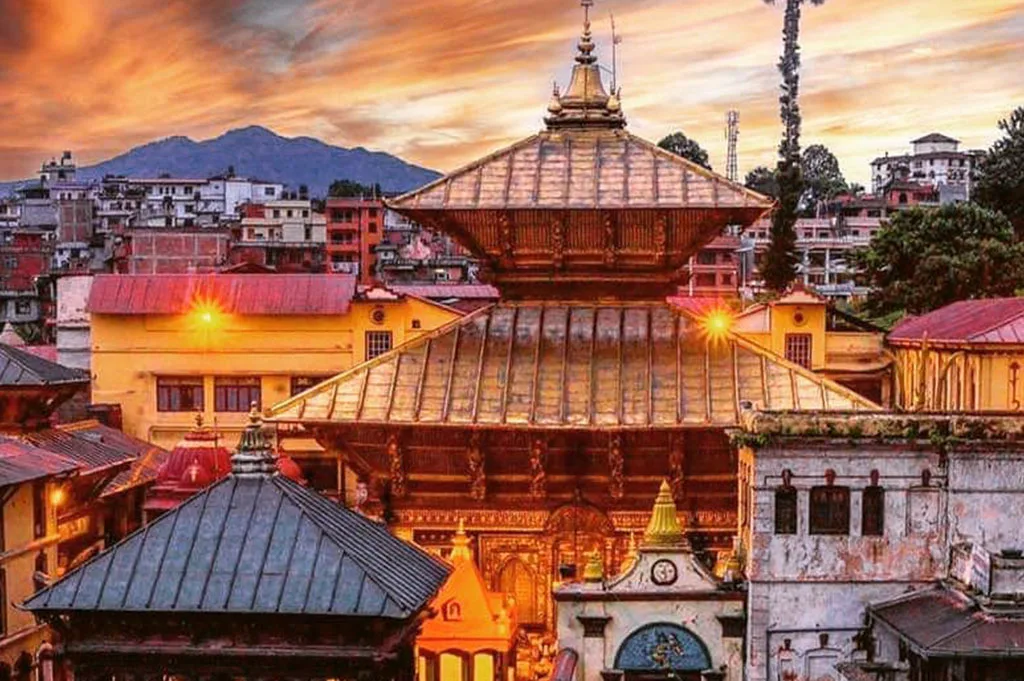
Pashupatinath Temple
Pashupatinath Temple is one of the largest and holiest shrines for Hindus. This temple, situated on the bank of the Bagmati River, was built in the 5th century. There are around 492 temples, 15 Shivalayas (shrines of Lord Shiva), and 12 Jyotirlingas (phallic shrines) to explore. No entrance fee is charged for SAARC nationals to enter the temple. Although only Hindus are allowed to enter the temple, visitors can clearly see the temple and the activities performed on the temple premises from the eastern bank of the Bagmati River.
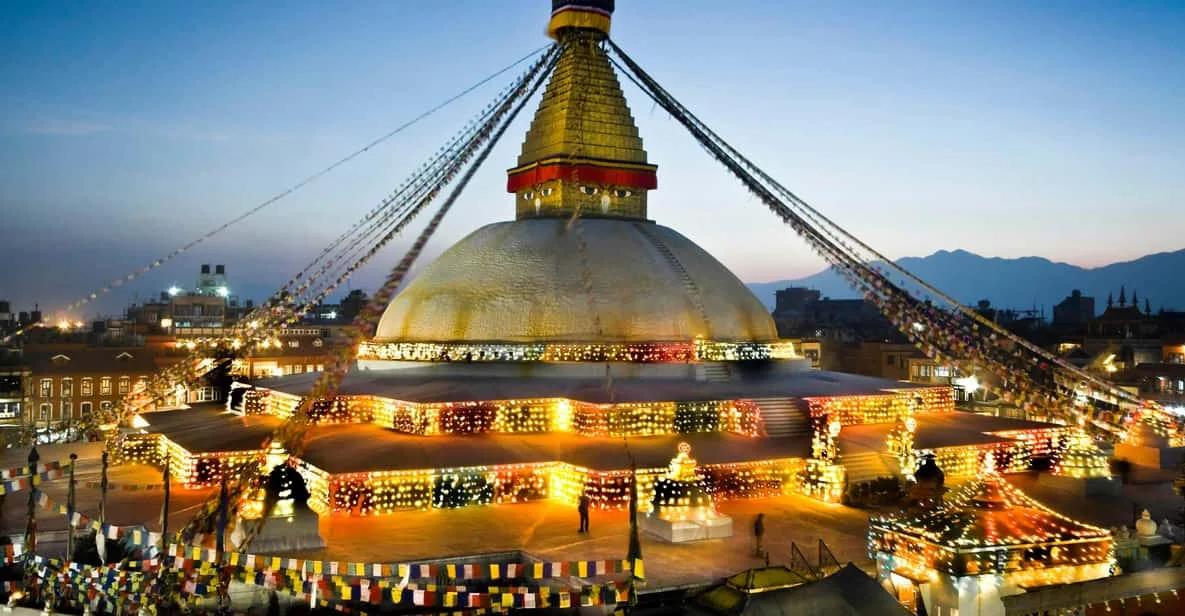
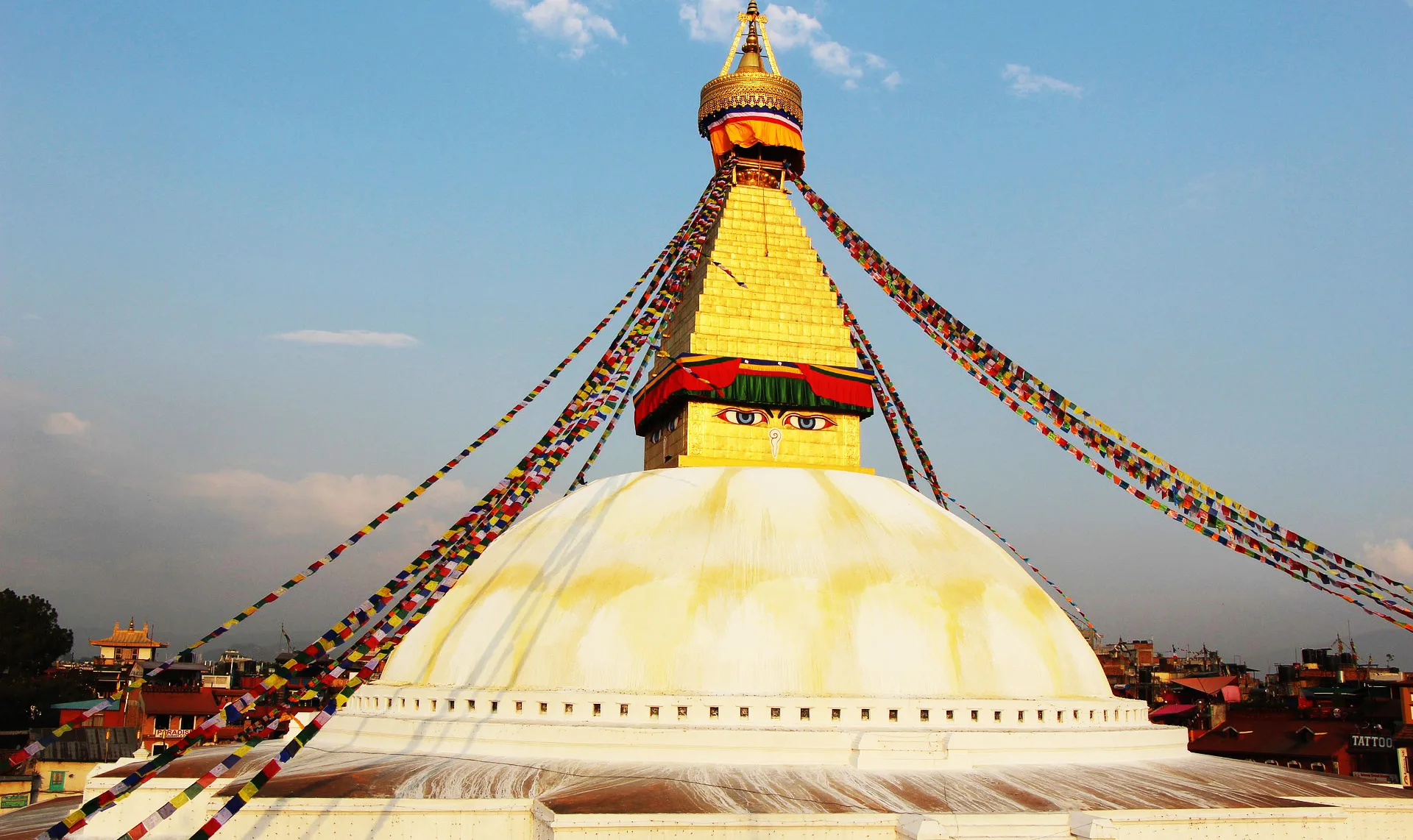
Boudhanath is one of the largest stupas in South Asia. It is the central hub of Buddhism in Nepal, with monasteries surrounding it. Lichchhavi rulers renovated the stupa during the 8th century, and it was made in the shape of a mandala.
After traveling by flight or road from Kathmandu to Chitwan, we will have a short lunch break. Then, we will enjoy a beautiful sunset and watch birds.
Sunset
In the evening, we can observe the beautiful sunset in Chitwan, which offers calming vibes and peaceful moments.
Chitwan National Park is a magnet for avid birdwatchers, who can observe numerous species of resident and migratory birds here. Apart from resident species, many migratory birds arrive in Sauraha during winter from as far away as Siberia and other places thousands of miles away. An early morning walk through the bush and along the Rapti River is a must to view many exotic birds, including the Giant Hornbill, Lesser Florican, and Paradise Flycatcher. Apart from this, enjoy watching the movements of migratory birds at Bish Hajar Taal. You will be accompanied by our experienced naturalist on this wonderful birdwatching experience.
Today, after an early breakfast, you will enjoy a half-day elephant safari or jeep safari and then return to the hotel for lunch.
After lunch, visit for a canoeing ride, Tharu cultural dance, and elephant breeding center visit in Sauraha. You can experience two kinds of crocodiles and various birds during the 45-minute wooden canoe ride on the Rapti River.
Seated high on the back of a trained elephant, exploring the grassland and core area of the park, you become an integral part of the national park’s life. Although the elephant safari is not the most comfortable ride, it is an amazing experience.
The jeep safari or tour is one of the best activities for exploring rare wildlife in Chitwan National Park, and it is highly recommended for wildlife lovers. Rhinoceroses, deer species, monkey species, sloth bears, common leopards, tigers, gaur, and crocodile species have a high chance of being spotted from an open-hood jeep.
During a canoeing ride on the Rapti River, you can see the popular marsh mugger and gharial crocodiles in their natural habitat. You can observe them from close proximity in your canoe while the naturalist guides you on the proper way to view them. During the canoeing trip, you can also see rare species of birds, reptiles, and more in the wetlands.
One of the largest ethnic groups residing in Chitwan is the Tharu community. They have a unique culture and lifestyle. The locals living in the villages of Chitwan perform dances showcasing their culture, art, and lifestyle. This performance is arranged as a welcome experience and is called the Tharu dance.
The unique center was established in 1985 for the captive breeding of domesticated elephants captured for domestication. Located in Sauraha, the elephant breeding center was set up to protect endangered elephants in the region. There are often many baby elephants there, along with a small museum.
After an early breakfast, we will leave Chitwan and head towards Kathmandu by road or flight. On the way to Kathmandu, we will visit Manakamana Temple.
Manakamana Temple is a highly respected sacred Hindu temple dedicated to Goddess Bhagawati. The temple is 140 kilometers from Kathmandu and lies on the way to Pokhara. The meaning of Manakamana is “wish fulfillment.” Therefore, Manakamana is believed to be a goddess who rewards pilgrims who reach the temple by granting their wishes. The temple is situated at an altitude of 1,302 meters and overlooks the river valleys of the Trishuli to the south and the Marshyangdi to the west. Panoramic views of Manaslu, Himchuli, and the Annapurna ranges can be seen from the temple.
After breakfast at the hotel, we will transfer you to the international airport according to your flight schedule for your departure back to your country.
| Start Date | End Date | Price | Space Left | |
|---|---|---|---|---|
| February 3, 2025 Friday | February 28, 2025 Monday | $ 2877 | 07 | Book |
| March 4, 2025 Friday | February 24, 2025 Monday | $ 2879 | 09 | Book |
| March 23, 2025 Sunday | April 16, 2025 Tuesday | $ 2880 | 05 | Book |
Accommodation for 4 nights in Kathmandu and Chitwan (3-star or 4-star hotels).
Daily breakfast at the hotels.
Airport transfers (pick-up and drop-off).
Guided sightseeing tours in Kathmandu (including entry fees for UNESCO World Heritage Sites).
Transportation throughout the tour (comfortable private vehicle).
English-speaking guide for city tours and park activities.
Visit to the Chitwan National Park Visitor Center.
Service charges and taxes for hotels and transportation.
International airfare to and from Nepal.
Nepal visa fees (to be obtained on arrival or online).
Lunch and dinner (unless specified in the package).
Personal expenses, such as souvenirs, shopping, and tips.
Travel insurance (highly recommended but not included).
Additional activities not mentioned in the itinerary (e.g., extra safaris, cultural shows, or adventure activities).
Optional activities like paragliding in Pokhara (if added to the tour).
Local transport within Kathmandu and Chitwan (unless specified).
Any expenses due to unforeseen circumstances, such as natural calamities or political unrest.
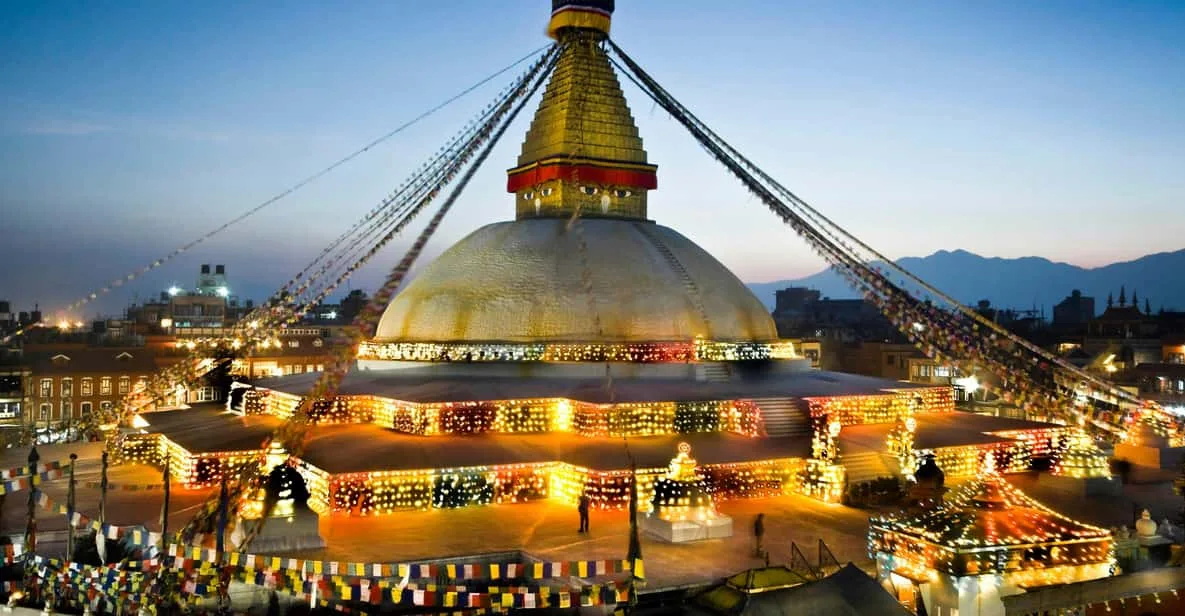
The Kathmandu–Chitwan Tour offers a wonderful combination of Nepal’s cultural heritage, historical landmarks, natural landscapes, and wildlife experiences. This 4-night, 5-day journey allows travelers to discover the vibrant atmosphere of Kathmandu before exploring the subtropical forests, rivers, and wildlife habitats of Chitwan National Park. It is an excellent choice for visitors who want to experience two distinct sides of Nepal within a relatively short period.
In Kathmandu, travelers can explore ancient temples, sacred stupas, traditional architecture, bustling markets, and historic squares that reflect Nepal’s rich cultural and religious traditions. Popular attractions may include Swayambhunath Stupa, Pashupatinath Temple, and Kathmandu Durbar Square, depending on the itinerary. The city also offers opportunities to experience local cuisine, shop for handicrafts, and observe everyday life in its lively neighborhoods.
The journey continues to Chitwan, a destination renowned for its natural beauty and wildlife. Visitors may participate in guided jungle activities, explore the surrounding landscape, observe birdlife, and learn about the region’s conservation efforts. The area is particularly famous for the greater one-horned rhinoceros and is also home to other wildlife, including deer, monkeys, crocodiles, and the elusive Bengal tiger.
This tour is suitable for couples, families, small groups, and individual travelers interested in culture, nature, and wildlife. The pace is generally comfortable, although road journeys and outdoor activities may require some flexibility. The exact sightseeing schedule, included activities, transportation arrangements, and accommodation standards depend on the selected package and local conditions.
The Kathmandu–Chitwan Tour can be enjoyed throughout the year, but the experience may vary depending on the season. Spring (March–May) and autumn (September–November) are generally popular periods because they often provide favorable conditions for sightseeing, cultural exploration, and outdoor activities. These seasons can be suitable for travelers who want to combine visits to historical landmarks with time in the natural surroundings of Chitwan.
During spring, temperatures gradually rise, flowers bloom in many areas, and outdoor sightseeing can be enjoyable. In Chitwan, the warmer weather can create opportunities for wildlife observation, although visibility and animal activity vary. Travelers should pack lightweight clothing, sun protection, and comfortable walking shoes while keeping a light jacket available for cooler mornings and evenings in Kathmandu.
Autumn is another popular season, often offering comfortable temperatures and generally favorable travel conditions. It is a good time to explore Kathmandu’s heritage sites, walk through traditional neighborhoods, and enjoy outdoor experiences in Chitwan. As this is a popular travel period, booking accommodation and transportation in advance can help secure preferred arrangements.
Winter (December–February) can also be suitable for the tour. Kathmandu may experience cold mornings and evenings, while Chitwan is generally warmer during the daytime. Travelers should bring warm layers for the capital and comfortable clothing for outdoor activities in the lowlands. Summer and monsoon (June–August) bring higher temperatures, humidity, and rainfall, which may affect road conditions, visibility, and some outdoor activities.
The best travel period ultimately depends on individual preferences, weather conditions, and planned activities. Wildlife sightings are never guaranteed, regardless of the season, and itineraries may need to be adjusted because of rainfall, road conditions, or national park regulations.
Accommodation during the Kathmandu–Chitwan Tour is generally arranged in hotels, resorts, or lodges according to the selected package. Travelers can usually choose from standard, deluxe, or luxury options, depending on their budget and preferred level of comfort. The accommodation category can influence room facilities, dining options, location, and the overall travel experience.
In Kathmandu, hotels are commonly located in or near popular tourist areas, providing convenient access to cultural attractions, restaurants, shops, and transportation services. Depending on the property, facilities may include private bathrooms, hot showers, Wi-Fi, air conditioning or heating, room service, and on-site dining. The availability of these services varies by hotel category and individual property.
In Chitwan, accommodation may be arranged at a hotel, resort, or lodge in the tourist area near Chitwan National Park. Many properties provide a relaxed setting with access to gardens, outdoor spaces, restaurants, and arrangements for jungle activities. Some accommodations may also organize cultural programs or assist with booking local excursions, subject to availability and the package selected.
Room types may include standard rooms, twin-sharing rooms, double rooms, or family rooms. Travelers who require specific arrangements, such as single occupancy, connecting rooms, or accessible facilities, should discuss these needs before confirming the booking. Additional charges may apply for room upgrades or single supplements.
The included accommodation standard, meal plan, and facilities should be checked carefully before departure. Travelers are encouraged to confirm hotel names, check-in and check-out arrangements, and any additional charges with their tour operator. During busy travel periods, accommodation may be subject to availability, and equivalent alternatives may occasionally be offered.
Transportation is an important part of the Kathmandu–Chitwan Tour, as the itinerary connects the Kathmandu Valley with Nepal’s southern lowlands. Travel arrangements generally depend on the selected package, group size, budget, and preferred level of convenience. Common options include tourist buses, private vehicles, and, where available and practical, domestic flights combined with road transfers.
Travel by tourist bus is often an economical option for reaching Chitwan. The journey takes several hours and passes through changing landscapes, including hills, rivers, settlements, and agricultural areas. Private vehicles provide greater flexibility with departure times and stops, making them suitable for families, small groups, or travelers who prefer a more personalized experience.
Road travel times can vary considerably because of traffic, road construction, weather, and local conditions. Travelers should avoid arranging important onward connections too close to their expected arrival time. During the monsoon season, rainfall or landslides may cause delays on some routes, so flexibility is particularly useful.
Domestic flights may be available for certain parts of the journey, depending on the route, schedule, and package arrangements. Flights can reduce travel time, but availability may be affected by weather, operational conditions, and seasonal schedules. Airport transfers may also be required, and the overall travel time should account for check-in and transfer arrangements.
Within Kathmandu, sightseeing transportation may be provided by private vehicle, depending on the itinerary. Some heritage areas are best explored on foot because of narrow streets, pedestrian zones, or limited vehicle access. In Chitwan, transportation for jungle activities may be arranged separately and may include a safari vehicle or transfers to designated activity points.
Before departure, travelers should confirm which transfers are included, whether transportation is private or shared, and whether airport pickups, sightseeing transfers, and Chitwan activity transfers are covered. Keeping some flexibility in the itinerary can help accommodate unexpected changes.
The Kathmandu–Chitwan Tour offers opportunities to sample Nepalese cuisine alongside a variety of international dishes. Meals may include traditional Nepali food, Indian cuisine, and familiar Western or Asian options, depending on the restaurant or accommodation. Travelers can enjoy a range of dishes while experiencing the different dining environments of Kathmandu and Chitwan.
In Kathmandu, restaurants and cafés serve a broad selection of meals, from traditional dal bhat to momos, noodles, soups, curries, and international favorites. Dal bhat, commonly served with rice, lentil soup, vegetables, and pickles, is a staple of Nepali cuisine. Momos, or dumplings, are also popular and are available with different fillings and preparation styles.
In Chitwan, meals are commonly available through hotels, resorts, and local restaurants. Menus may include Nepali dishes, rice and curry combinations, vegetables, soups, and other familiar options. Travelers staying at resorts should check whether meals are served as a set menu, buffet, or à la carte, as arrangements vary between properties.
The meals included in the tour package depend on the itinerary and accommodation plan. Some packages may include breakfast, while others may include additional meals during the stay in Chitwan. Drinks, snacks, specialty beverages, and meals ordered outside the agreed plan may incur extra charges.
Travelers with vegetarian, vegan, or other dietary preferences should inform the tour operator and accommodation providers in advance. Those with food allergies or specific dietary restrictions should explain their requirements clearly and confirm meal arrangements before ordering. Although many restaurants can accommodate common preferences, the range of available choices may vary by location.
It is advisable to drink safe water and choose food from establishments that maintain appropriate hygiene standards. Travelers can carry a reusable water bottle and ask their guide or hotel staff for advice about reliable dining options during the tour.
Chitwan National Park is one of Nepal’s best-known wildlife destinations and a major highlight of the Kathmandu–Chitwan Tour. Its forests, grasslands, wetlands, and river environments support a diverse range of animal and bird species. A visit to the park offers travelers an opportunity to learn about Nepal’s natural ecosystems and conservation efforts while exploring the subtropical landscape.
The park is particularly well known for the greater one-horned rhinoceros. Other wildlife may include deer, monkeys, wild boar, crocodiles, and numerous bird species. Bengal tigers also inhabit the park, but they are elusive, and sightings are uncommon and cannot be guaranteed. The animals observed during a visit depend on factors such as weather, season, habitat conditions, and their natural behavior.
Depending on the package, available activities, and current park regulations, visitors may participate in a jeep safari, guided nature walk, canoe ride, birdwatching excursion, or other approved activities. A jeep safari can provide an opportunity to explore designated areas of the park with an experienced guide. Canoe trips, where available, may offer views of river habitats and aquatic wildlife, while birdwatching can be especially rewarding for visitors interested in Nepal’s diverse birdlife.
Some itineraries may also include opportunities to learn about local conservation projects or visit nearby communities. Cultural experiences may introduce travelers to aspects of Tharu traditions, including local music, dance, crafts, and daily life. The availability of these experiences depends on the itinerary and local arrangements.
Wildlife activities require care, patience, and respect for the natural environment. Travelers should remain with their guide, follow safety instructions, keep a safe distance from animals, and never attempt to feed or touch wildlife. Photography should be carried out responsibly, without disturbing animals or other visitors.
Jungle activities can be affected by weather, park regulations, animal movements, and safety considerations. Certain activities may be modified, rescheduled, or unavailable under particular conditions. Travelers should confirm which activities are included in the package and whether any entrance fees, equipment, guide services, or optional excursions require additional payment.
Preparing the correct travel documents helps ensure a smooth journey to Nepal and throughout the Kathmandu–Chitwan Tour. International visitors should check Nepal’s current visa and entry requirements before traveling, as these may depend on nationality, passport type, and the purpose and duration of the visit. Travelers should ensure that their passport is valid for the required period and meets the applicable entry conditions.
Depending on nationality and eligibility, visitors may be able to obtain a visa through an approved process before departure or on arrival. Requirements, fees, and procedures can change, so travelers should consult official Nepalese immigration information or the relevant Nepalese diplomatic mission before making travel arrangements.
Keep copies of important documents, including passport details, visa information, flight tickets, hotel confirmations, and travel insurance. Digital copies stored securely can be useful if original documents are lost or damaged, although travelers should still carry any originals required by immigration officials or service providers.
It is also helpful to keep the contact details of your tour operator, accommodation providers, and emergency contacts accessible. Travelers using domestic flights or other transport services should ensure that their names and identification details match their booking documents.
Visitors should confirm whether any additional documents are required for their particular circumstances. Requirements can vary, and the tour operator may be able to provide general guidance, but final responsibility for meeting immigration and travel-document requirements rests with the traveler.
Packing suitable clothing and essential personal items can make the Kathmandu–Chitwan Tour more comfortable. Because the itinerary combines city sightseeing with outdoor activities in the lowlands, travelers should prepare for changing temperatures, walking, sun exposure, and possible rainfall. Lightweight, breathable clothing is generally useful, while a warm layer is recommended for cooler mornings and evenings in Kathmandu.
For sightseeing in Kathmandu, pack comfortable trousers, shirts, or other everyday clothing suitable for walking and visiting cultural sites. Comfortable walking shoes with good grip are useful for exploring heritage areas, where paths may be uneven or paved with stone. A light jacket or sweater can be helpful during cooler periods, particularly in the early morning and evening.
For Chitwan, lightweight clothing is generally suitable for warmer weather. Neutral or subdued colors may be practical for wildlife activities, and long sleeves and trousers can help protect against sun exposure and insects. A hat or cap, sunglasses, sunscreen, and insect repellent are useful additions for outdoor excursions.
A small daypack is convenient for carrying water, personal medication, a camera, tissues, and other daily essentials. A reusable water bottle can help reduce plastic waste, while a rain jacket or compact umbrella may be useful during the monsoon season. Travelers should also pack personal toiletries, hand sanitizer, and any medication they regularly use.
Electronic items may include a mobile phone, camera, chargers, a power bank, and any necessary travel adapters. Keep valuables secure and avoid carrying unnecessary items during excursions. If you plan to take photographs during jungle activities, bring suitable equipment and protect it from dust, moisture, and accidental damage.
The exact packing list depends on the season, planned activities, and accommodation facilities. Travelers should review their itinerary before departure and confirm whether any specialist clothing or equipment is required for the activities included in their package.
Maintaining good health and following basic safety precautions can help make the Kathmandu–Chitwan Tour more enjoyable. Travelers should prepare for a combination of urban sightseeing, road journeys, walking, and outdoor activities. Anyone with an existing medical condition, mobility concern, or specific health requirement should consider consulting a healthcare professional before departure.
Drink safe water and maintain good personal hygiene throughout the trip. Use sunscreen, wear suitable clothing, and protect yourself from excessive sun exposure, especially during outdoor activities in Chitwan. Insect repellent may be useful, and travelers should follow current medical advice regarding insect-borne illnesses and recommended vaccinations.
Carry essential personal medication in its original packaging when practical, together with a basic first-aid kit containing items suitable for minor problems such as blisters, small cuts, or headaches. Travelers who take prescription medication should bring an adequate supply for the trip and keep it accessible during travel. Do not rely on finding a particular medicine locally without checking its availability in advance.
During jungle activities, follow your guide’s instructions at all times. Remain in designated areas, avoid approaching wildlife independently, and do not feed or touch animals. Exercise caution near rivers, on uneven trails, and when entering or leaving safari vehicles or boats. Activities may be changed or stopped if weather, wildlife behavior, or other conditions create a safety concern.
Road travel can be tiring, and journey times may be longer than expected because of traffic or road conditions. Carry drinking water and essential items during transfers, and allow adequate rest between activities. Travelers should keep valuables secure, remain aware of their surroundings, and follow local guidance in crowded areas.
If you feel unwell or experience an injury, inform your guide or accommodation staff promptly so appropriate assistance can be arranged. Travelers should also know how to contact their insurance provider and local emergency services if needed. Taking reasonable precautions and following professional guidance can help reduce avoidable risks throughout the journey.
Nepal’s official currency is the Nepalese rupee (NPR). Cash remains useful for small purchases, snacks, drinks, tips, local shopping, and expenses at businesses that may not accept cards. Travelers can exchange eligible foreign currencies through authorized exchange facilities and banks, while ATMs and card payment services are available in many parts of Kathmandu.
Access to banking facilities may be more limited in some areas of Chitwan than in the capital. It is therefore sensible to carry a reasonable amount of local currency for everyday expenses before leaving Kathmandu. Avoid carrying more cash than necessary, and keep money and valuables secure during transfers, sightseeing, and outdoor activities.
Personal expenses can vary according to individual preferences and the services included in the tour package. Common additional costs may include meals not listed in the itinerary, beverages, snacks, souvenirs, tips, laundry, optional activities, and purchases from local shops. Some hotels or activity providers may also charge separately for services that are not included in the package.
Before booking, review the tour inclusions and exclusions carefully. Confirm whether transportation, entrance fees, national park charges, guide services, meals, and jungle activities are covered. This helps prevent unexpected expenses and makes it easier to estimate how much spending money to bring.
Travelers may wish to set aside a separate amount for emergencies or unexpected changes to the itinerary. Exchange rates and transaction fees can vary, so check the terms before exchanging money or withdrawing cash. Keep receipts for significant transactions and use reputable exchange services.
Mobile networks and internet services are generally available in Kathmandu and the main tourist areas of Chitwan. Many hotels, cafés, and restaurants provide Wi-Fi, although connection speed, coverage, and reliability vary by property and location. Connectivity may be less consistent during road travel or when visiting more remote natural areas.
International visitors may consider purchasing a local SIM card for mobile calls, messages, and data. SIM registration and activation requirements may apply, and travelers should check the current rules and required identification before purchasing one. An international roaming plan may be another option, depending on the traveler’s provider and budget.
Keeping a working mobile phone can be helpful for communicating with your guide, confirming pickup times, accessing booking details, and contacting family or friends. Save important phone numbers and travel documents before departure, and consider keeping offline copies of maps and confirmations in case the internet is unavailable.
Travelers should not rely entirely on mobile connectivity during jungle excursions or road journeys. Inform your guide or group leader if you need to remain reachable for a particular reason, and follow the arrangements provided for meeting points and activity schedules.
When using public Wi-Fi, avoid accessing sensitive accounts over unsecured networks unless appropriate protection is in place. Keep devices secured with passwords or other suitable safeguards, and store valuables safely while sightseeing. With a little preparation, staying connected during the tour should generally be straightforward.
Nepal is home to diverse ethnic communities, religious traditions, languages, and customs. Showing respect for local culture can enrich the Kathmandu–Chitwan Tour and help travelers build positive connections with the people they meet. Visitors are encouraged to approach cultural experiences with curiosity, courtesy, and an appreciation of local traditions.
When visiting temples, monasteries, and other religious sites, dress modestly and follow posted instructions. Remove shoes where required, respect restricted areas, and ask before photographing religious ceremonies or individuals. Some sites may have specific rules regarding entry or photography, so follow the guidance of local staff or your guide.
Greetings and polite communication are appreciated. Ask permission before photographing local people, especially during ceremonies or in private settings. If visiting a community or participating in a cultural program, follow the host’s guidance and avoid treating local customs as performances without cultural significance.
In Kathmandu’s heritage areas, travelers should respect historic buildings, religious objects, and public spaces. Avoid touching sacred objects without permission, climbing on monuments, or leaving litter. In Chitwan, show consideration for local communities and the natural environment by following designated routes and observing local guidance.
Responsible tourism also means supporting local businesses where possible, respecting the privacy of residents, and minimizing waste. Learning a few simple Nepali greetings may be appreciated, although English is spoken in many tourist establishments. Being considerate, patient, and respectful helps create a more meaningful travel experience.
Travel insurance is recommended for the Kathmandu–Chitwan Tour because it can provide financial protection and assistance if unexpected problems occur. Depending on the policy, coverage may include medical expenses, emergency assistance, trip cancellation or interruption, travel delays, and loss, theft, or damage to personal belongings.
Before purchasing a policy, review its coverage limits, exclusions, excess or deductible, and claim procedures. Ensure that the activities planned during the tour are covered, particularly if you intend to participate in jungle excursions or other outdoor activities. Not every policy covers every activity automatically.
Travelers should check whether the policy covers medical treatment, emergency transport, and assistance in the locations they plan to visit. If you have a pre-existing medical condition, review the policy wording carefully and disclose information where required by the insurer. Coverage may be subject to specific conditions.
Keep a copy of your policy, emergency assistance number, and relevant documentation accessible during the journey. It can also be useful to share important insurance information with a trusted travel companion. In the event of a medical emergency, contact local emergency services or seek appropriate assistance first, then notify the insurer according to the policy instructions.
Insurance does not replace sensible precautions, careful planning, or compliance with local safety rules. Travelers should understand what their policy covers before departure and confirm any uncertainties directly with the insurance provider.
Planning the Kathmandu–Chitwan Tour in advance helps travelers understand the arrangements and choose a package that suits their interests, budget, and comfort requirements. Before confirming a booking, carefully review the itinerary, number of nights in each destination, accommodation category, transportation type, meal plan, and activities included in the price.
Ask the tour operator to clarify which services are included and which require additional payment. These may include heritage-site entrance fees, national park charges, jungle activities, guide services, transfers, meals, and optional excursions. Confirm whether transportation between Kathmandu and Chitwan is by tourist bus, private vehicle, or another arrangement, and ask about expected journey times.
Accommodation details should also be confirmed before booking. Check the hotel category, room type, meal arrangements, and whether Wi-Fi, hot water, air conditioning, or other preferred facilities are available. If you have special requirements, such as dietary needs, family rooms, or accessibility considerations, communicate them early.
Review payment terms, cancellation policies, refund conditions, and any charges for itinerary changes. Keep a written copy of the booking confirmation, payment receipts, and contact information for the tour operator. If your travel dates fall during a busy season, booking accommodation and transport in advance may help secure your preferred arrangements.
It is wise to maintain some flexibility in the schedule because traffic, weather, road conditions, and activity availability can change. Avoid planning important onward travel immediately after a long road transfer unless you have allowed enough time for possible delays.
Finally, choose a tour operator that provides clear information, realistic itineraries, and appropriate support throughout the journey. Asking questions before departure can help you understand what to expect and enjoy a smoother, more organized travel experience.
The Kathmandu–Chitwan Tour provides an opportunity to experience two distinctive aspects of Nepal: the cultural and historical richness of the Kathmandu Valley and the wildlife and natural landscapes of the southern lowlands. Across four nights and five days, travelers can explore heritage sites, experience local cuisine, learn about Nepali traditions, and enjoy guided activities in and around Chitwan National Park.
To make the most of the journey, prepare suitable clothing for the season, carry essential travel documents, bring any personal medication you need, and keep important contact details accessible. Review the itinerary and package inclusions before departure so that you understand which services and activities have been arranged and which may involve additional costs.
Respect local customs, follow your guide’s instructions, and take care when participating in outdoor and wildlife activities. Be patient during road transfers and remain flexible if weather, traffic, or park regulations affect the schedule. Wildlife observation is a natural experience, and sightings can never be guaranteed, so enjoy the wider landscape and learning opportunities as well as any animals you encounter.
Travel insurance, responsible spending, and basic health and safety precautions can provide additional peace of mind. Travelers should also confirm current visa requirements, transportation details, and booking conditions before leaving home.
With thoughtful preparation and realistic expectations, this 4-night, 5-day journey can offer a rewarding introduction to Nepal’s heritage, landscapes, wildlife, and local culture. By combining cultural discovery with nature-based experiences, the Kathmandu–Chitwan Tour can become a memorable part of your visit to Nepal.