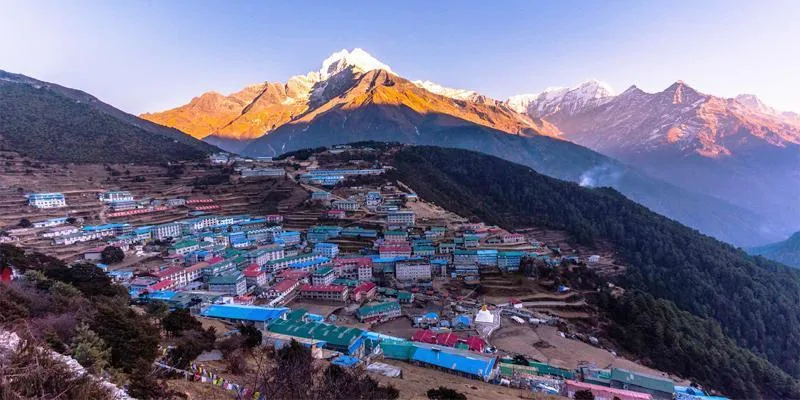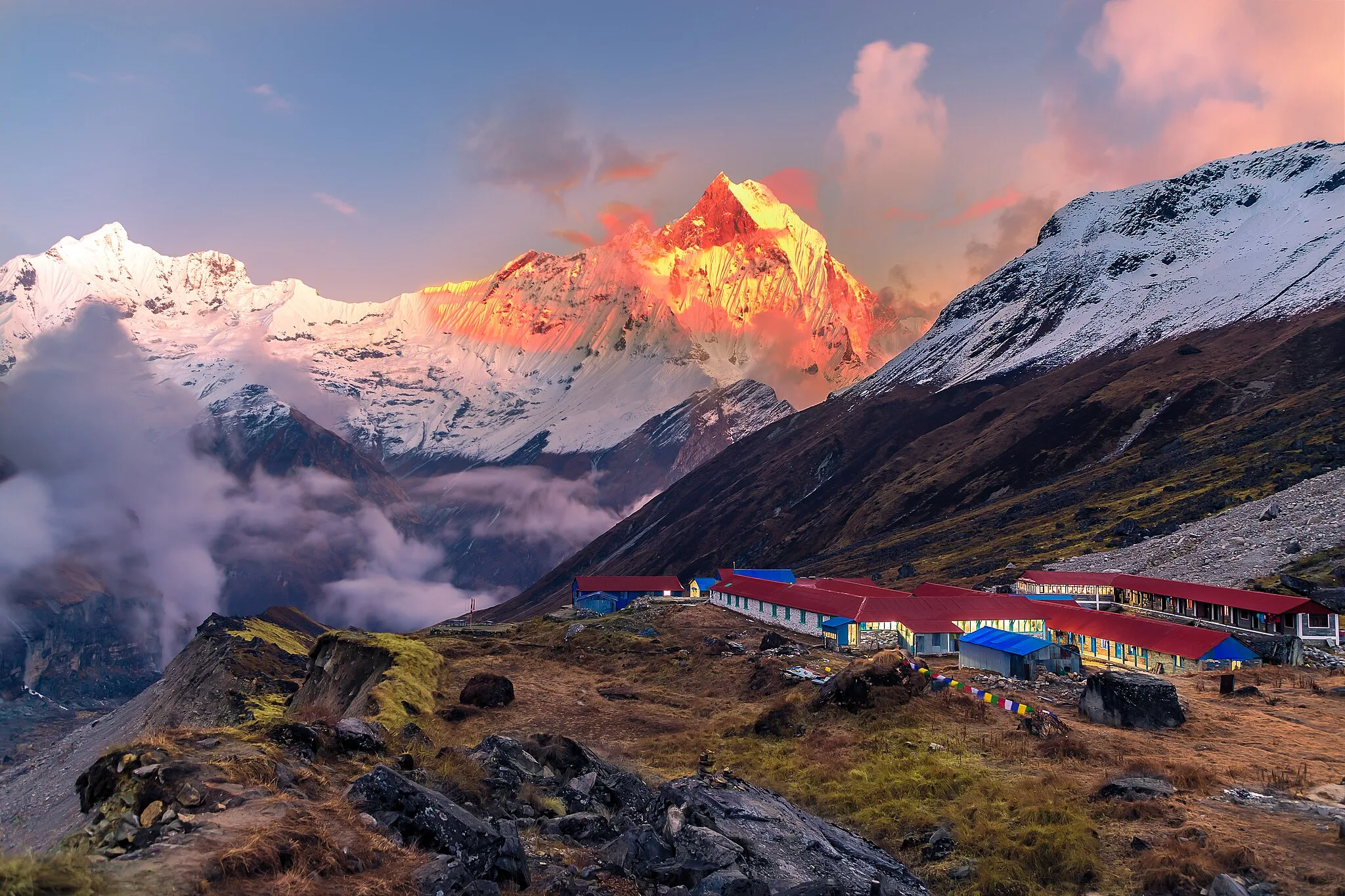
Annapurna Base Camp Trek
Price From: N/A
10Days/ 9 Nights
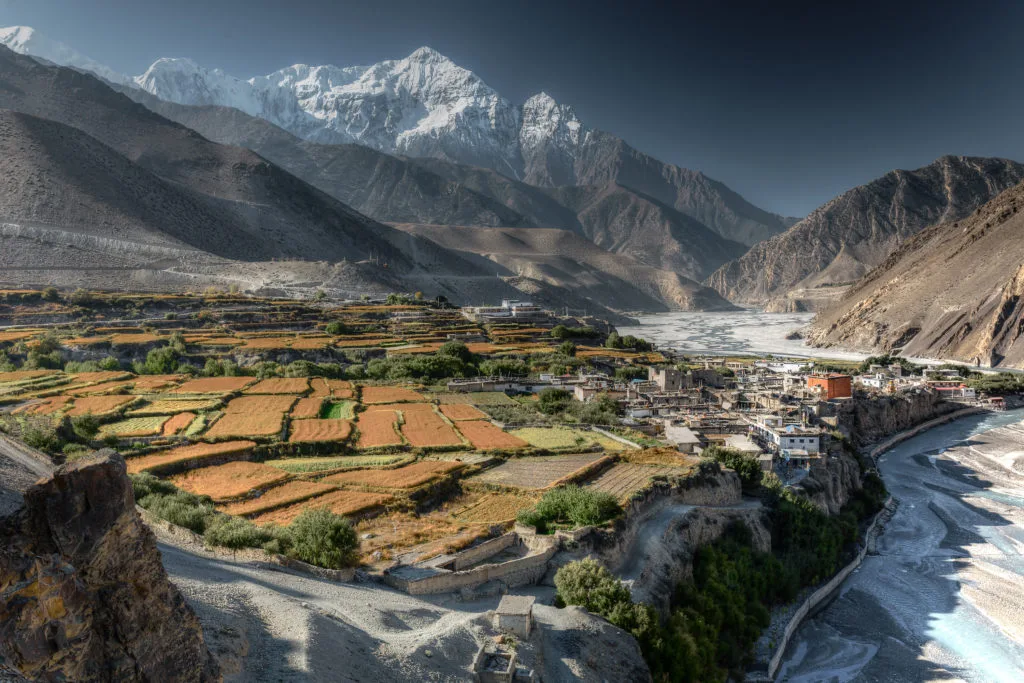
The Lower Mustang Trek offers an exciting and enriching adventure through one of Nepal’s most culturally significant and geographically diverse regions. Organized by World Trade Travel & Tours Pvt. Ltd., this remarkable journey allows travelers to discover spectacular Himalayan landscapes, traditional mountain settlements, ancient religious sites, and the distinctive heritage of the Mustang region. Combining natural beauty, cultural exploration, and spiritual discovery, the trek provides an unforgettable opportunity to experience a different side of Nepal. From lush green hills and dense forests to dramatic rocky cliffs and dry, windswept valleys, the route reveals an extraordinary variety of scenery. It is an excellent choice for travelers who want to experience the beauty of the Himalayas while learning about the traditions, beliefs, and everyday lives of local communities.
Located in the foothills of the Annapurna and Dhaulagiri mountain ranges, Lower Mustang is known for its sweeping mountain views, deep river valleys, picturesque villages, and striking semi-arid landscapes. The region marks a fascinating transition between Nepal’s greener middle hills and the drier terrain influenced by the Tibetan Plateau. Towering Himalayan peaks rise above terraced fields, winding trails, and settlements built from traditional stone and mud-brick structures. Unlike Upper Mustang, which has special restricted-area permit requirements, Lower Mustang is generally more accessible to visitors. This makes it an attractive destination for trekkers seeking a moderate Himalayan adventure without the extensive logistical arrangements associated with more restricted trekking regions. Along the way, travelers can explore local markets, observe traditional architecture, and experience a way of life shaped by centuries of mountain living, trade, agriculture, and religious traditions.
The journey commonly begins in Pokhara, Nepal’s beautiful lakeside city, which serves as an important gateway to the Annapurna region. From Pokhara, trekkers travel toward the trailhead and continue through charming settlements such as Nayapul, Tikhedhunga, and Ghorepani, depending on the chosen itinerary. These villages offer an introduction to rural mountain life, with stone houses, terraced farmland, welcoming teahouses, and spectacular views of the surrounding hills. As the trail gradually climbs, the landscape changes with elevation, revealing forested slopes, cascading streams, cultivated fields, and increasingly impressive mountain scenery. Walking through these settlements allows travelers to experience local hospitality while enjoying the peaceful atmosphere of the countryside. The route also provides opportunities to interact with villagers, learn about traditional farming practices, and observe how communities adapt their daily routines to the demands of life in the Himalayas.
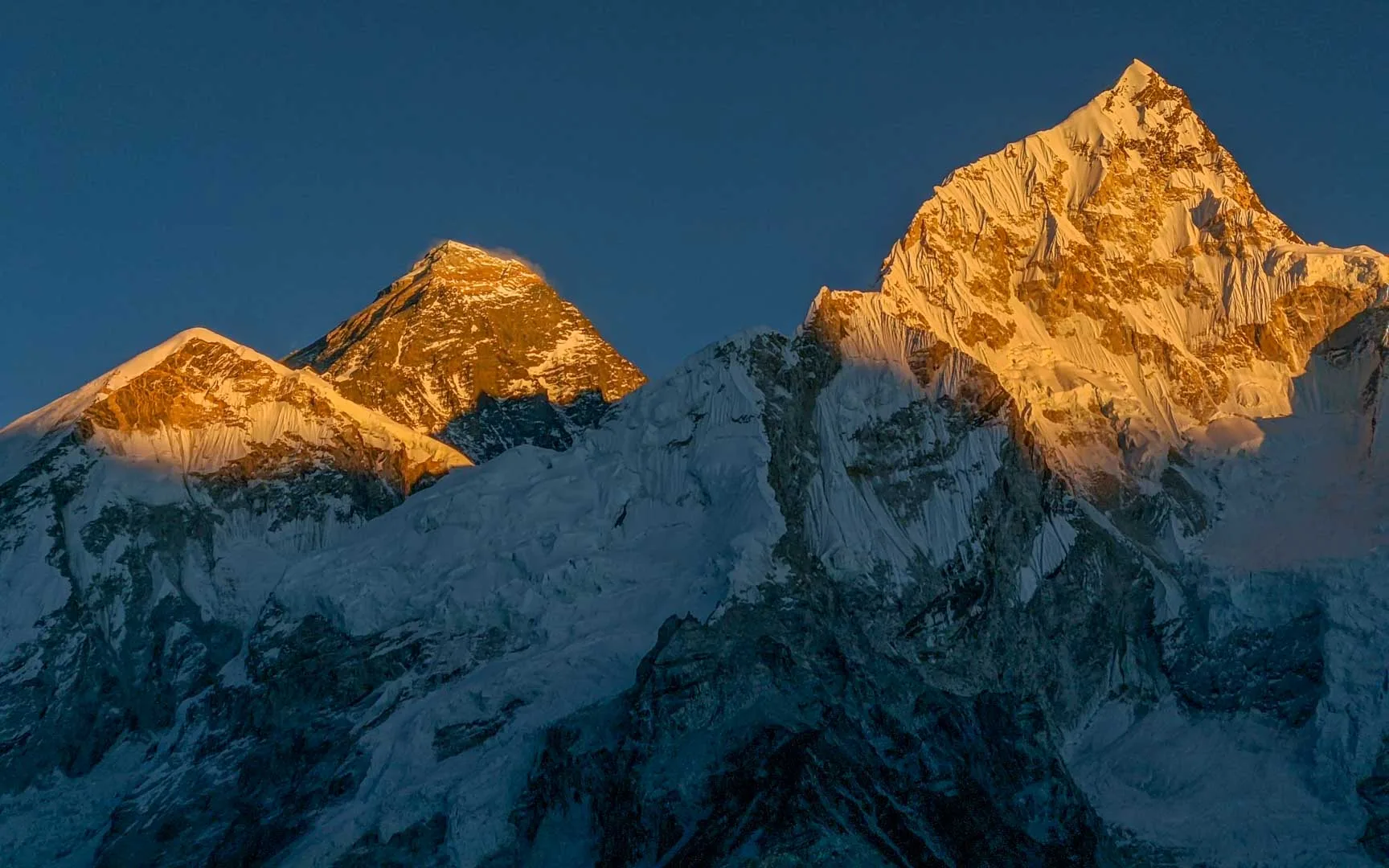
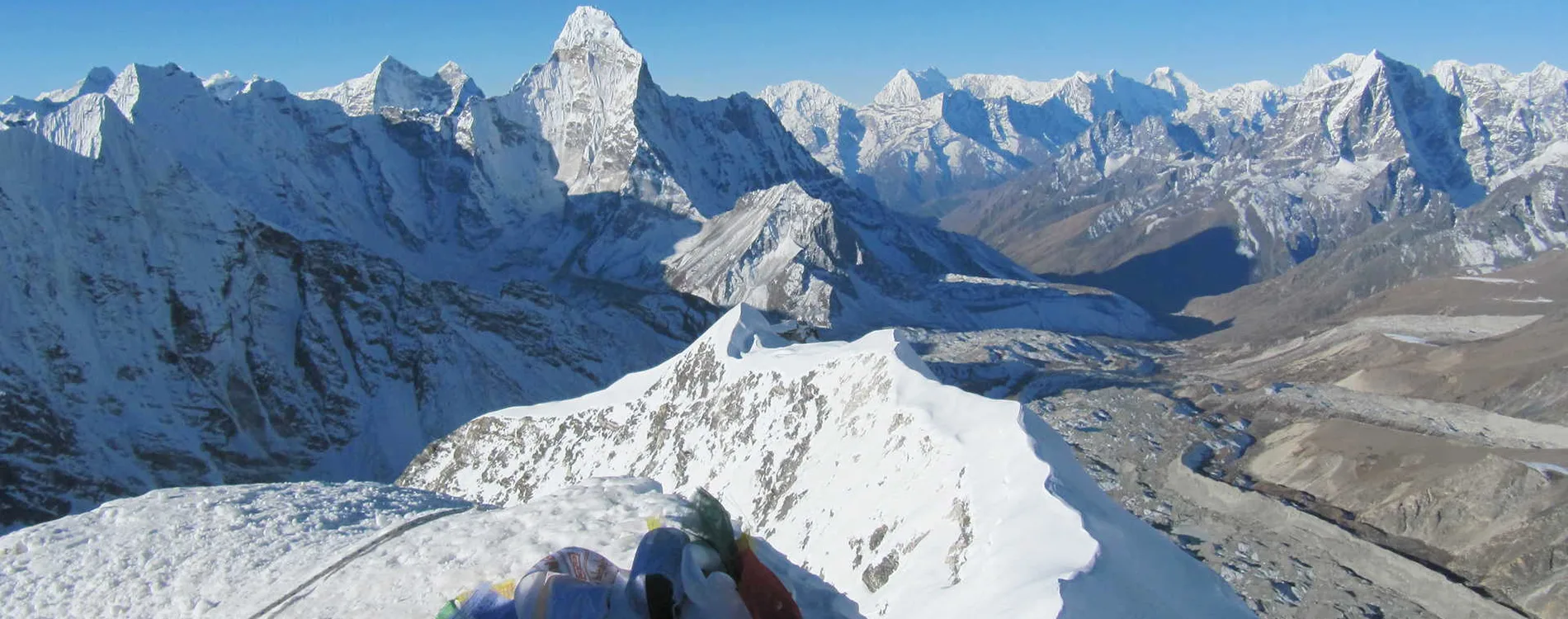
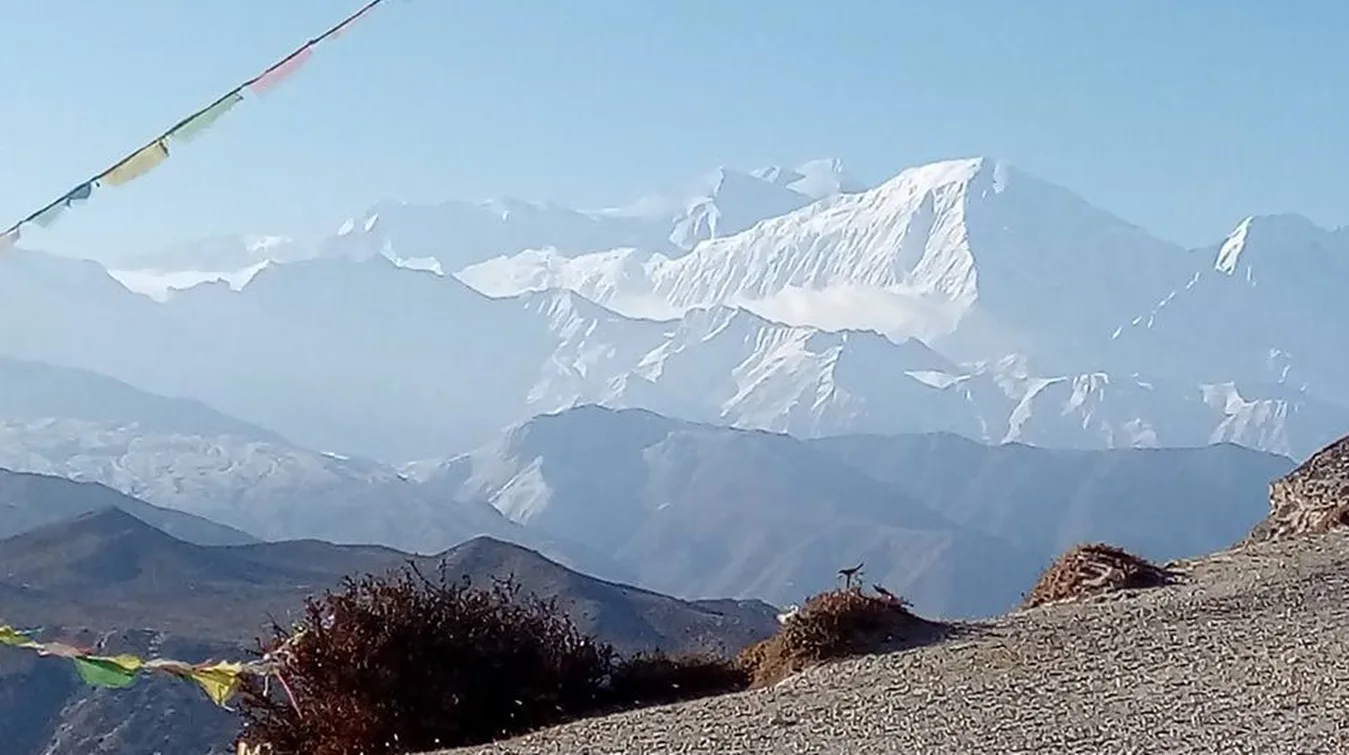
One of the most memorable highlights of the trek is Poon Hill, a celebrated viewpoint renowned for its panoramic sunrise views across the Annapurna and Dhaulagiri ranges. Reaching the viewpoint early in the morning allows trekkers to witness the first sunlight spreading across the Himalayan skyline. As dawn breaks, the snow-covered peaks gradually glow in shades of gold, pink, and orange, creating a spectacular contrast against the deep blue morning sky. The magnificent views may include prominent peaks of the Annapurna range, Dhaulagiri, and surrounding Himalayan mountains, depending on weather conditions. The experience is particularly rewarding for photography enthusiasts and nature lovers, offering a memorable opportunity to appreciate the scale and beauty of Nepal’s high mountains. Beyond the scenery, the quiet atmosphere of sunrise at Poon Hill provides a moment to pause, reflect, and enjoy the natural surroundings before continuing the journey.
After exploring Ghorepani and the surrounding viewpoints, the trail descends through beautiful forests of rhododendron and oak, where the atmosphere changes with the seasons. During spring, blooming rhododendrons add vibrant splashes of red, pink, and other colors to the hillsides, while birdsong and flowing streams enhance the peaceful woodland environment. The route continues through changing terrain toward areas such as Ghasa, introducing trekkers to the geographical diversity that characterizes the wider Mustang region. As the journey progresses, dense forests and greener valleys gradually give way to more open landscapes, rocky slopes, and drier hillsides. This transition is one of the trek’s most distinctive features, demonstrating how elevation, rainfall, and local geography shape the environment. The contrast between fertile valleys and the rugged, almost desert-like terrain of Mustang creates a fascinating landscape that feels different from many other trekking routes in Nepal.
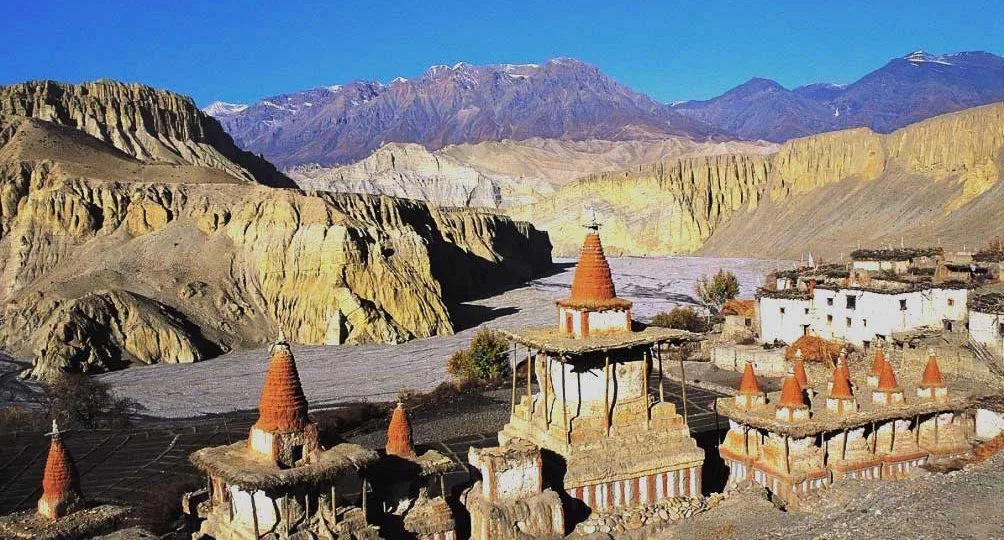
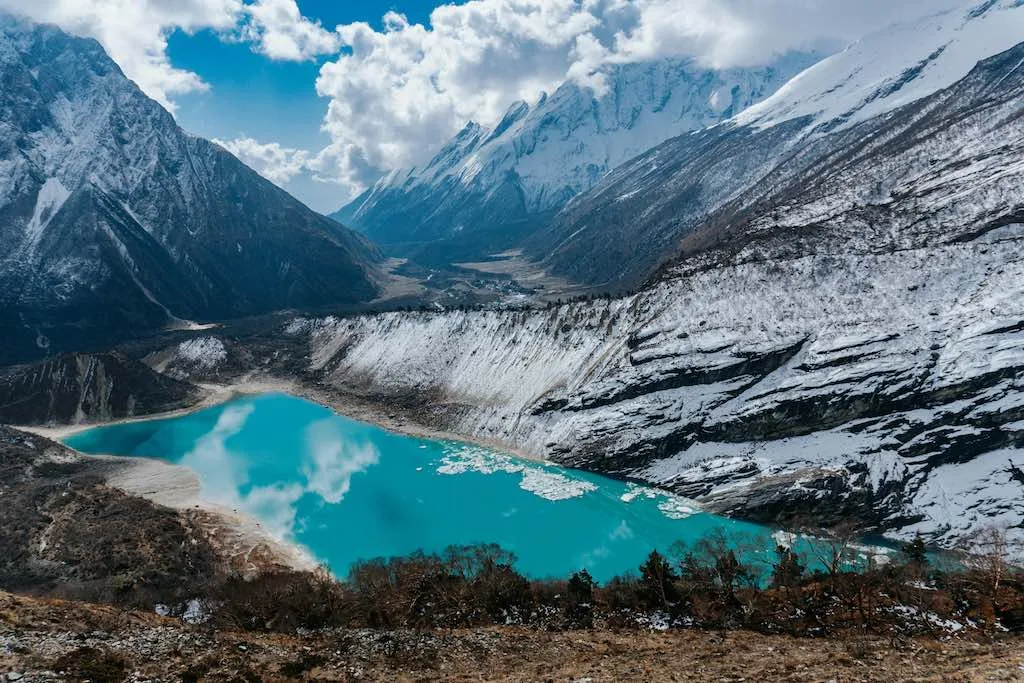
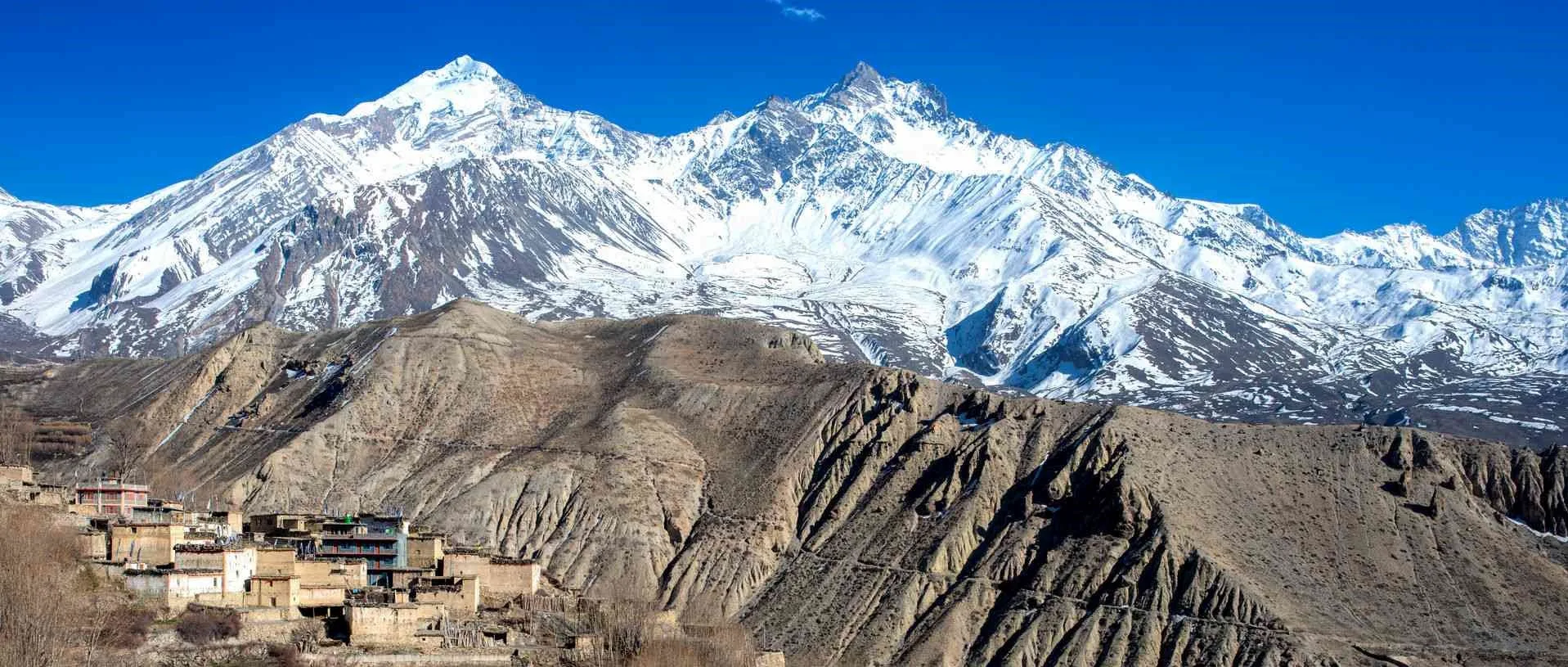
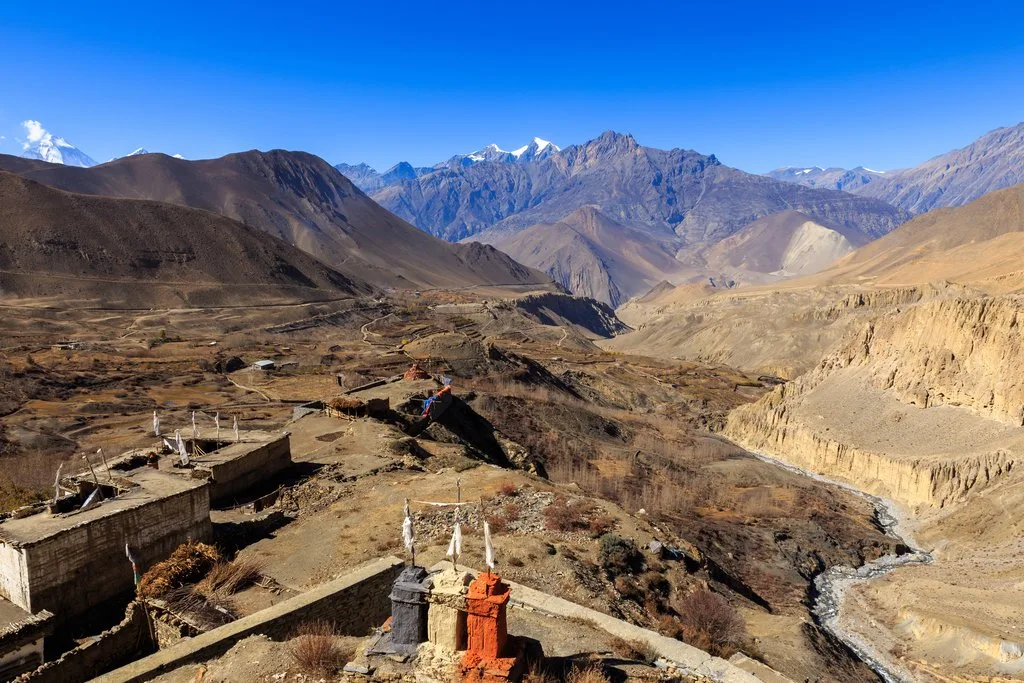
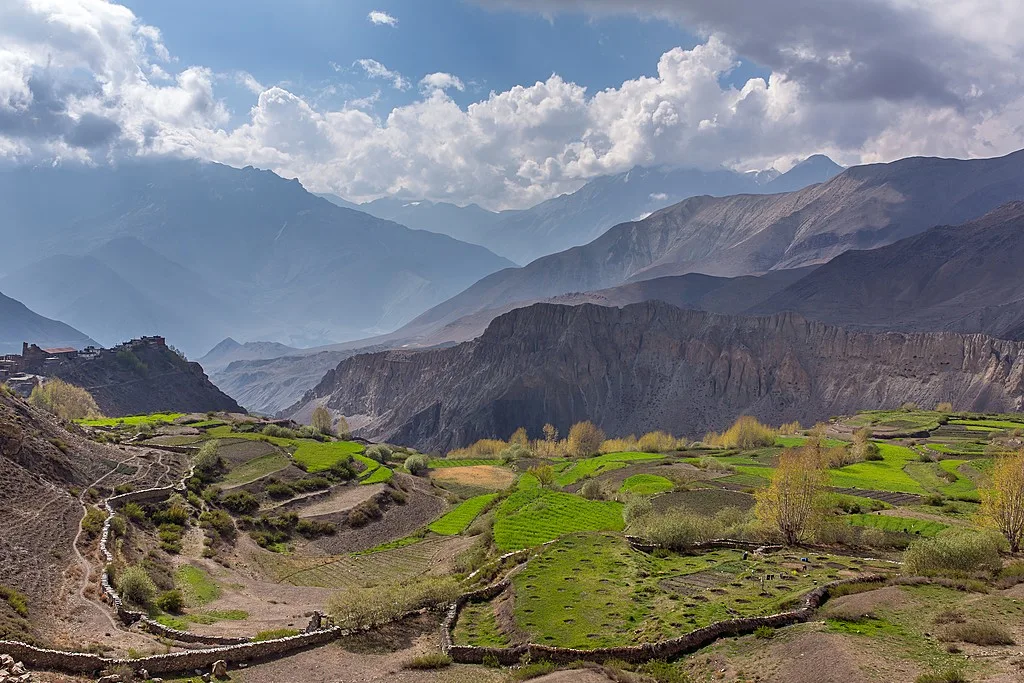
As trekkers enter the Mustang area, they encounter a striking combination of dramatic mountain scenery and distinctive local culture. The region’s dry climate, wind-carved rock formations, broad river valleys, and barren hillsides reflect its position in the rain shadow of the Annapurna and Dhaulagiri ranges. The Kali Gandaki valley, one of the region’s defining geographical features, offers remarkable views of the surrounding mountains and rugged terrain. Small settlements and cultivated areas stand out against the otherwise dry landscape, illustrating how local communities have developed ways to grow crops and sustain livelihoods in challenging environmental conditions. The changing scenery provides excellent opportunities for photography, nature observation, and quiet exploration. For travelers interested in geography and natural environments, the Lower Mustang Trek offers a valuable opportunity to understand the relationship between mountain weather patterns, vegetation, and traditional settlement.
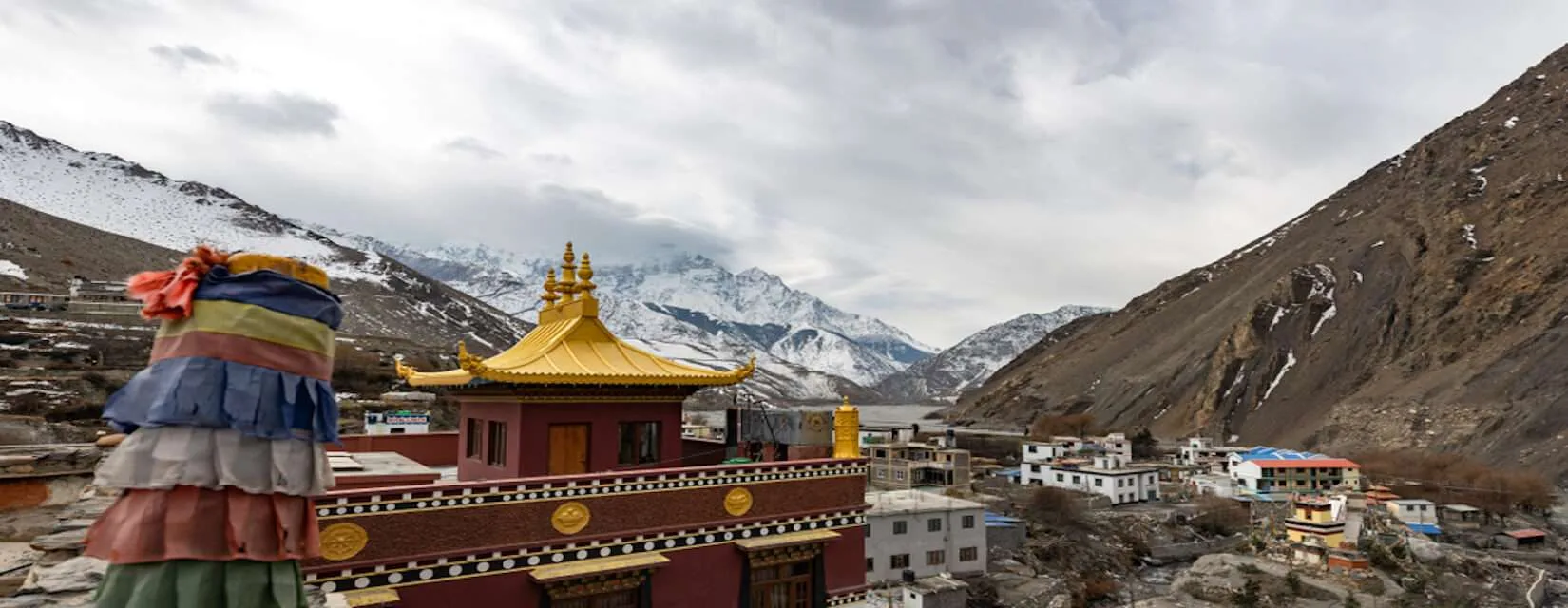
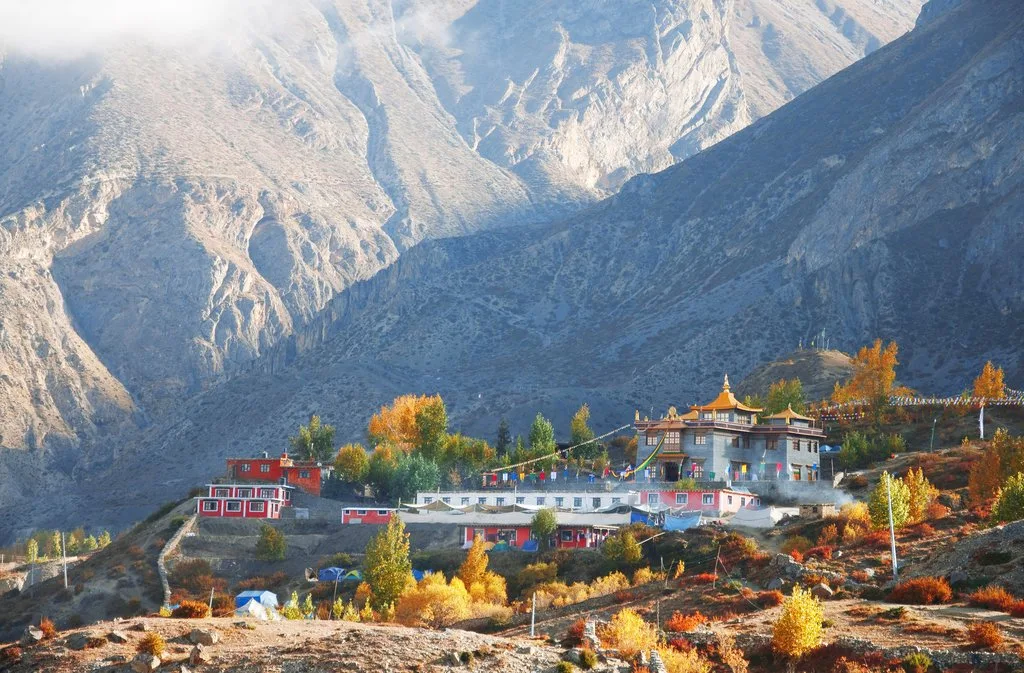
The cultural heritage of Lower Mustang is another major attraction of the journey. Historically connected with Tibet through trade, religion, and cultural exchange, the region preserves traditions influenced by Tibetan Buddhism and the distinctive customs of local communities. The Thakali people, particularly associated with parts of the Mustang region, are known for their hospitality, cuisine, trading history, and strong cultural identity. Along the trail, trekkers may encounter traditional homes, prayer flags, mani walls, stupas, and monasteries that reflect the enduring importance of Buddhist beliefs. These cultural features are not simply decorative elements of the landscape; they are part of the daily spiritual life of local communities. Visiting villages and religious sites provides opportunities to learn about regional customs, traditional architecture, and the role of religion in shaping community life. Respectful interaction with local residents can make the trek more meaningful and provide a deeper appreciation of Mustang’s cultural diversity.
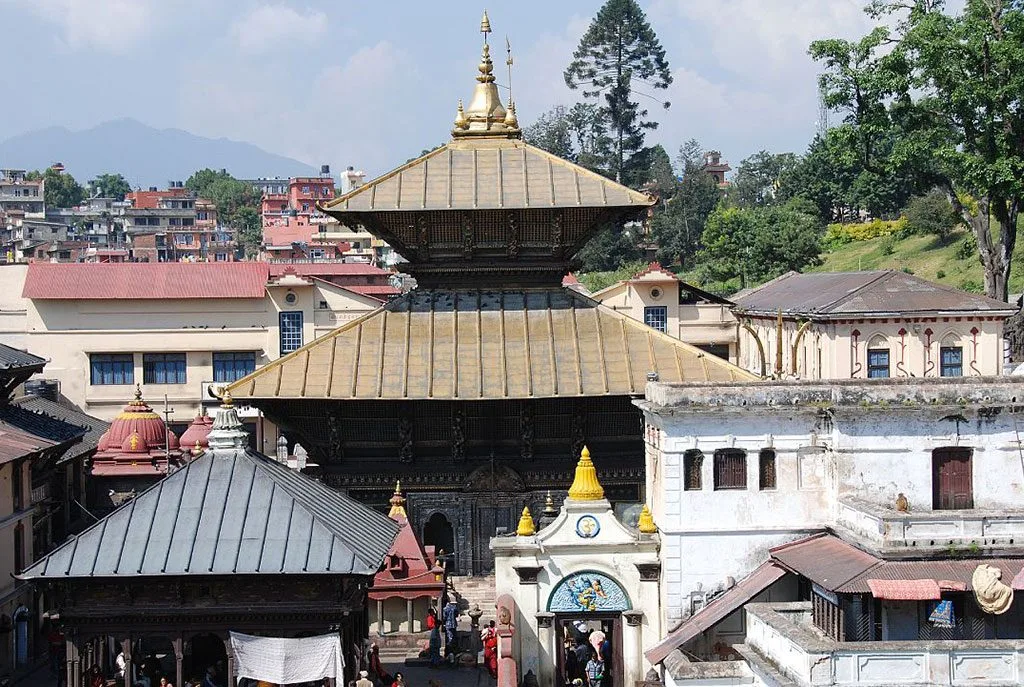
One of the most important religious destinations on the route is Muktinath, a sacred pilgrimage site revered by both Hindus and Buddhists. Situated at approximately 3,710 meters above sea level, the Muktinath Temple complex holds great spiritual significance and attracts pilgrims from Nepal, India, and other parts of the world. For Hindus, the temple is associated with Lord Vishnu and liberation, while Buddhists also regard the area as an important sacred place. The complex is especially well known for its 108 water spouts, through which pilgrims traditionally pass as part of their religious observances. The combination of ancient spiritual traditions, mountain surroundings, and the peaceful atmosphere makes Muktinath a memorable destination for visitors of different backgrounds. Trekkers can explore the temple grounds, observe pilgrimage activities respectfully, and appreciate the cultural connections that bring people to this remote Himalayan location.
The journey to Muktinath also offers a rewarding combination of natural and spiritual experiences. The surrounding landscape features dry hills, rocky slopes, open valleys, and views of the Himalayan ranges, creating a striking setting for this important pilgrimage site. The contrast between the rugged environment and the temple’s spiritual atmosphere gives the destination a distinctive character. Visitors may encounter pilgrims performing rituals, prayer flags fluttering in the mountain breeze, and local people maintaining religious traditions that have continued for generations. While the religious significance is central to the experience, the surrounding scenery also makes the visit memorable for nature lovers and photographers. Trekkers should allow enough time to explore respectfully, follow local customs, and dress appropriately when visiting religious areas. For many travelers, reaching Muktinath provides a fitting culmination to a journey that combines mountain adventure, cultural discovery, and personal reflection.
Beyond the monasteries and pilgrimage sites, the Lower Mustang Trek offers an opportunity to experience the warmth and hospitality of local mountain communities. Staying in family-run teahouses and lodges allows travelers to enjoy simple accommodation while learning about regional lifestyles. Local meals provide another important cultural connection, with popular dishes including dal bhat, a traditional combination of rice, lentil soup, and vegetables, and momos, savory dumplings commonly found throughout Nepal. In areas associated with Thakali cuisine, visitors may also have the opportunity to sample regional dishes prepared using local ingredients and traditional cooking methods. Sharing meals in local establishments creates opportunities to interact with hosts, hear stories about village life, and learn about the challenges and rewards of living in a mountainous environment. These everyday experiences often become some of the most memorable aspects of trekking, adding a personal dimension to the spectacular scenery.
The region also offers opportunities to observe Nepal’s diverse plant and animal life. Lower sections of the route include forested areas where rhododendrons, oak trees, and other vegetation thrive, particularly in locations receiving greater rainfall. As the trail climbs and moves toward the drier Mustang landscape, vegetation becomes more sparse, with hardy plants adapted to colder temperatures and limited moisture. Birdwatchers may spot a variety of Himalayan bird species, potentially including large soaring birds such as the Himalayan griffon vulture. The surrounding mountain environment may also support wildlife such as Himalayan tahr and other highland species, although sightings are never guaranteed. Observing wildlife from a respectful distance and avoiding disturbance to animals helps protect the region’s natural environment. The changing ecosystems along the trek make the journey particularly appealing to nature enthusiasts who want to experience the variety of landscapes found within a relatively compact Himalayan adventure.
The Lower Mustang Trek is generally suitable for travelers with a reasonable level of physical fitness who are comfortable walking for several hours a day over varied terrain. Although the trek does not require technical climbing skills, it may include steep stone steps, uphill sections, uneven trails, and changes in altitude. Preparing through regular walking, hiking, or other endurance activities can help trekkers feel more comfortable on the route. The higher elevations, including Muktinath, also make it important to pace the journey appropriately and remain alert to possible symptoms of altitude sickness. It is advisable to drink enough water, eat regularly, follow the planned ascent profile, and communicate any health concerns to the guide. Weather conditions can change quickly in the mountains, so suitable clothing, sturdy footwear, and flexibility in the itinerary are important. With proper preparation and a well-organized route, the trek can provide a rewarding experience for both first-time Himalayan trekkers and more experienced travelers.
Accommodation and travel arrangements help make Lower Mustang an accessible option for visitors seeking a combination of adventure and cultural exploration. Teahouses and lodges are available along many commonly used trekking routes, offering places to rest, enjoy meals, and meet fellow travelers. Facilities vary between settlements, and conditions may be more basic in remote locations, so trekkers should be prepared for simple rooms and shared bathrooms where applicable. The route and transportation arrangements can also vary depending on the selected itinerary, road conditions, and the time available for the journey. Before departure, travelers should confirm the planned route, daily walking distances, accommodation arrangements, and any necessary permits with their trekking agency. Checking seasonal weather conditions and preparing suitable clothing and equipment can further improve comfort and safety throughout the trek.
World Trade Travel & Tours Pvt. Ltd. aims to provide a well-organized and memorable trekking experience, supporting travelers with itinerary planning, transportation arrangements, accommodation coordination, and guidance throughout the journey. With local knowledge and attention to responsible tourism, the team can help visitors understand the cultural significance of the places they encounter while navigating the practical requirements of trekking in the Himalayas. Travelers should confirm the current permit requirements, route conditions, and services included in their package before departure. Respecting local customs, minimizing waste, supporting local businesses, and treating religious sites with care can also help ensure that tourism benefits the communities and environments visited along the way.
Ultimately, the Lower Mustang Trek is much more than a walk through spectacular mountain scenery. It is a journey through changing ecosystems, traditional settlements, living religious traditions, and landscapes shaped by the powerful forces of the Himalayas. From the sunrise panorama at Poon Hill and the forested trails around Ghorepani to the dry valleys of Mustang and the sacred atmosphere of Muktinath, every stage offers a different perspective on Nepal’s natural and cultural richness. The combination of accessible trekking routes, welcoming communities, regional cuisine, and important pilgrimage sites makes this adventure appealing to a wide range of travelers. With thoughtful preparation and responsible travel practices, the Lower Mustang Trek can become a deeply rewarding experience filled with beautiful landscapes, meaningful cultural encounters, and lasting memories of Nepal.
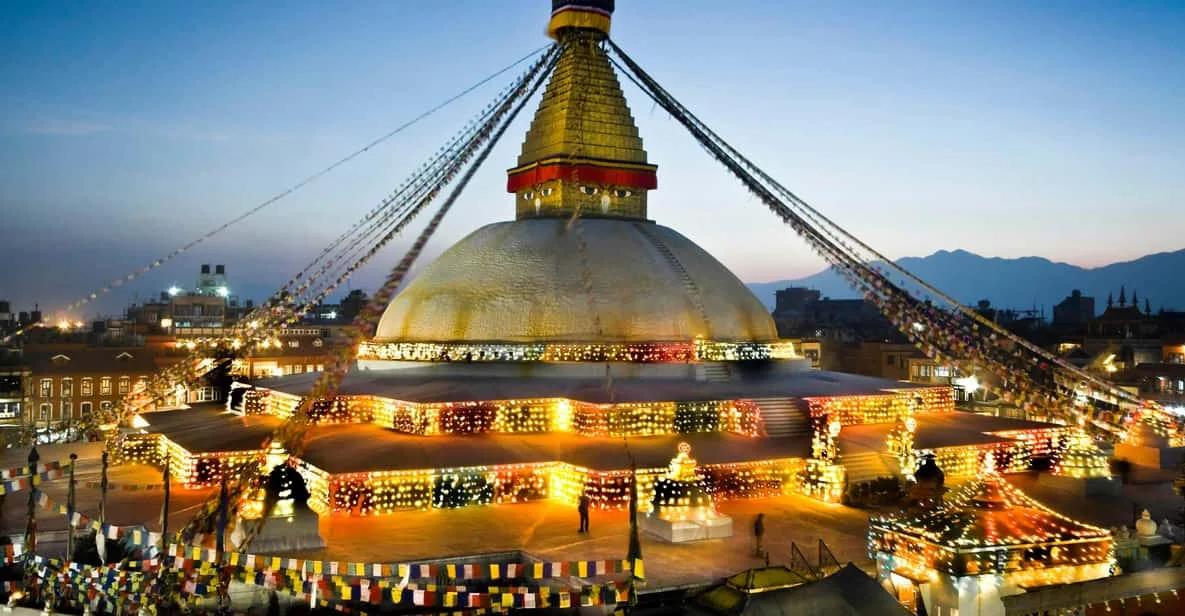
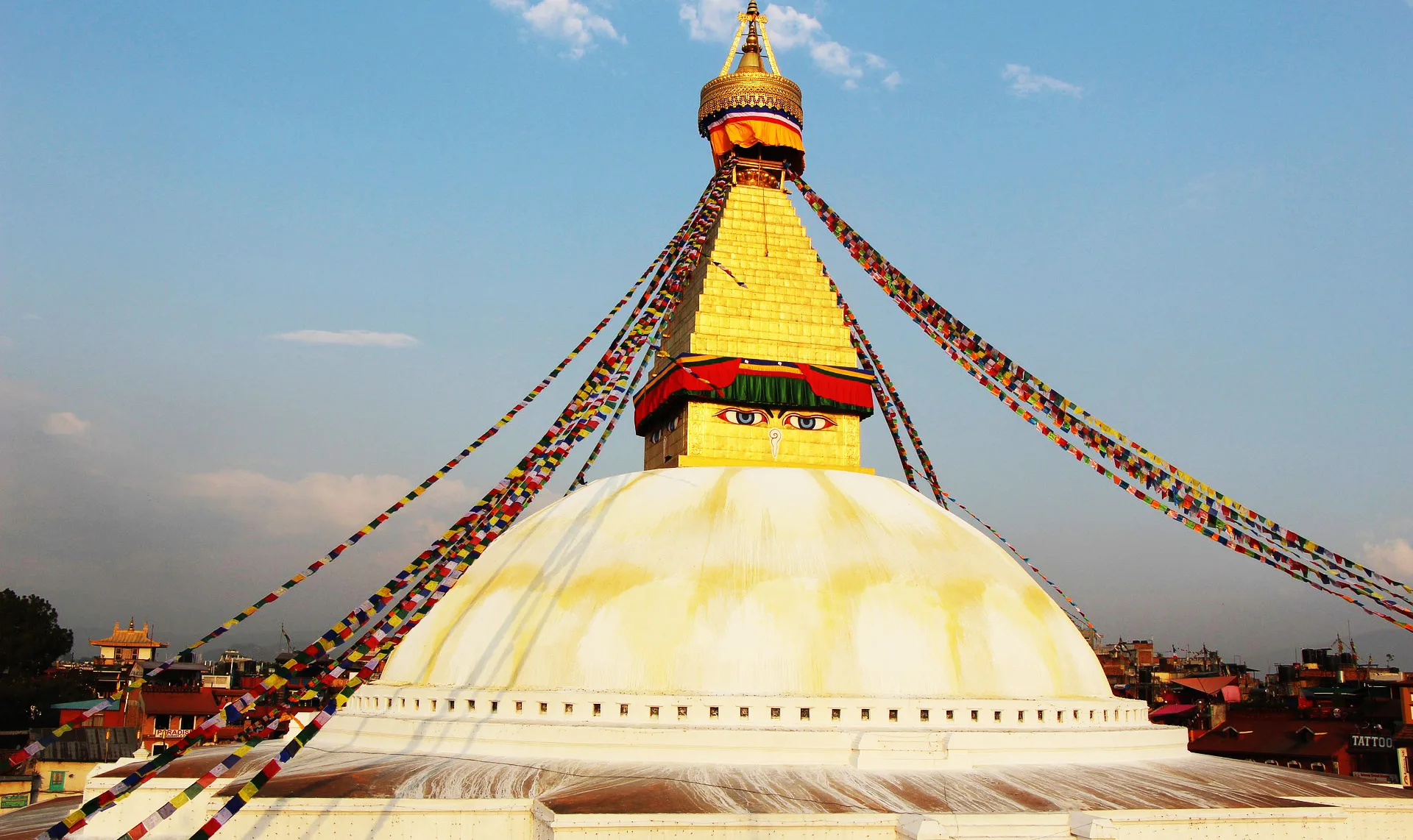
Upon arrival at Tribhuvan International Airport, you will be welcomed by the representative of World Trade Travel & Tours Pvt. Ltd. who will assist you in transferring to your hotel in Kathmandu. After checking into your hotel, there will be a trek briefing where your guide will explain the details of the trek, answer any questions you might have, and ensure you are fully prepared for the journey ahead. If time permits, you will have the opportunity to explore the vibrant capital city of Nepal. You can visit cultural landmarks like Swayambhunath (Monkey Temple), a UNESCO World Heritage Site that offers stunning panoramic views of the city and is home to a variety of monkeys. Alternatively, a visit to Kathmandu Durbar Square will take you through centuries of history and architectural splendor. The evening can be spent at leisure, experiencing the hustle and bustle of the city, or simply relaxing to prepare for the adventure ahead.
After breakfast, you will take a scenic flight to Pokhara, which takes approximately 25 minutes and offers splendid views of the Himalayas. Once you arrive in Pokhara, a beautiful lakeside city nestled beneath the Annapurna and Machapuchare mountains, you will be transferred to your hotel. The day is free for exploration and preparation for the trek. You can take a boat ride on Phewa Lake, visit the Peace Pagoda for its panoramic views of the surrounding mountains and the lake, or explore Devi’s Fall, a captivating waterfall known for its underground passage. The International Mountain Museum, a tribute to the legendary mountaineers and the history of Nepal’s mountaineering heritage, is also worth a visit. In the evening, you can enjoy the peaceful ambiance of the lake area and have dinner at one of the lakeside restaurants.
In the morning, you will take a short, breathtaking flight to Jomsom, located at an altitude of 2,720 meters. The flight offers spectacular views of the Annapurna and Dhaulagiri mountain ranges as you approach this remote and picturesque town. Upon arrival in Jomsom, you will begin your trek to Kagbeni, a charming village situated in the Kali Gandaki Valley. The trek takes about 3 to 4 hours, passing through dry, arid landscapes dotted with sparse vegetation and dramatic cliffs. As you walk, enjoy the stunning views of the Nilgiri and Dhaulagiri peaks towering in the distance. Kagbeni, the gateway to Upper Mustang, has a fascinating old-world charm. The narrow alleys, traditional stone houses, and the Kagbeni Monastery offer an insight into the local culture and spirituality. You can explore the village, meet the friendly locals, and immerse yourself in the Tibetan-influenced culture.
Today’s trek takes you on a journey through the barren landscapes and rugged terrains of the Kali Gandaki Valley, gradually ascending towards Muktinath. This sacred site holds immense significance for both Hindus and Buddhists. The trek, which will take around 5 to 6 hours, brings you to an elevation of 3,800 meters. Upon reaching Muktinath, you will explore the famous Muktinath Temple, a revered pilgrimage destination known for its 108 water spouts that are believed to have purifying properties. The temple complex is a harmonious blend of Hindu and Buddhist traditions. You will also have the opportunity to enjoy the stunning views of the surrounding Himalayan peaks, including Dhaulagiri and Nilgiri. The area’s peaceful ambiance and spiritual significance make this a memorable and meaningful stop on your journey.
After a rewarding visit to Muktinath, you will continue your trek to Marpha, a beautiful village known for its apple orchards and its production of apple-related products. The trek to Marpha will take around 6 to 7 hours as you descend gradually through the Kali Gandaki Valley. Along the way, you will pass through traditional villages, interact with local communities, and experience the stark contrast in landscapes, from arid desert-like terrain to fertile agricultural valleys. Marpha is a picturesque village with narrow cobblestone streets and traditional whitewashed houses. Here, you can take a leisurely stroll through the village, visit the local monastery, and enjoy the delicious apple-based products such as cider, jam, and fresh apples. The village is a great place to unwind and appreciate the region’s unique charm.
Today, the trek continues downward through the Kali Gandaki Valley towards Tatopani, famous for its natural hot springs. The trek to Tatopani takes approximately 6 to 7 hours and offers beautiful views of the river valley, terraced fields, and lush green landscapes. As you descend, the environment becomes more tropical, with dense forests and rich vegetation. Upon reaching Tatopani, you will have the opportunity to soak in the rejuvenating hot springs, which are believed to have therapeutic properties. A relaxing dip in the hot springs is the perfect way to relieve the aches and pains from the previous days of trekking and prepare for the next leg of your journey.
Today’s trek is a more challenging one, as you ascend from Tatopani to Ghorepani, a popular stop along the Annapurna Circuit. The trek, which takes approximately 7 to 8 hours, involves a steady climb through lush rhododendron forests. As you gain altitude, the scenery changes, with alpine meadows and panoramic views of the surrounding peaks. Ghorepani is a beautiful village perched at an altitude of 2,850 meters, offering incredible views of the Annapurna and Dhaulagiri ranges. Upon arrival, you can relax and enjoy the tranquil surroundings. Ghorepani is a perfect place to acclimatize to the higher altitudes and prepare for the exciting hike to Poon Hill the following day.
The highlight of today’s journey is the early morning hike to Poon Hill, one of the best viewpoints in Nepal. The 45-minute climb to the top rewards you with spectacular views of the Annapurna and Dhaulagiri mountain ranges at sunrise. The sight of the first rays of sunlight hitting the snow-capped peaks is truly breathtaking. After soaking in the beauty of the Himalayas, you will return to Ghorepani for breakfast before trekking to Nayapul. The trek to Nayapul takes approximately 3 to 4 hours, and from there, you will drive back to Pokhara. Upon arrival in Pokhara, you can relax and enjoy some free time, exploring the lakeside area or simply unwinding after the trek.
In the morning, you will fly back to Kathmandu, where you will have the rest of the day free for shopping, sightseeing, or relaxation. You can visit any attractions you may have missed earlier or simply enjoy the vibrant atmosphere of the city. Kathmandu’s Thamel area offers a wide variety of shops, restaurants, and cafes, making it a great place to unwind and reflect on your trek.
On your final day in Nepal, you will be transferred to Tribhuvan International Airport for your onward journey. Your adventure in Nepal comes to an end, but the memories and experiences you gained from the trek will remain with you long after you depart. World Trade Travel & Tours Pvt. Ltd. will ensure a smooth and hassle-free departure, wishing you safe travels as you head towards your next destination.
| Start Date | End Date | Price | Space Left | |
|---|---|---|---|---|
| February 3, 2025 Friday | February 28, 2025 Monday | $ 2877 | 07 | Book |
| March 4, 2025 Friday | February 24, 2025 Monday | $ 2879 | 09 | Book |
| March 23, 2025 Sunday | April 16, 2025 Tuesday | $ 2880 | 05 | Book |
Accommodation during the Lower Mustang Trek is primarily provided by local teahouses and lodges situated along the trekking route. These establishments offer basic yet comfortable facilities, allowing trekkers to rest and recover after a day of exploring the Himalayan landscapes. Most teahouses provide twin-sharing rooms with beds, mattresses, pillows, and blankets, while bathrooms are generally shared. Although the facilities are relatively simple, the warm hospitality of local families creates a welcoming atmosphere where travelers can relax and experience the region’s traditional way of life.
As you progress through the villages toward Mustang, accommodation standards and available amenities may vary depending on the location. Many teahouses have communal dining areas where trekkers can enjoy warm meals, meet fellow travelers, and exchange stories about their journeys. Electricity, hot showers, and Wi-Fi may be available in some places, sometimes for an additional charge, but these services should not be expected everywhere. Carrying a suitable sleeping bag is advisable, particularly during colder months, to ensure a comfortable night’s rest. During the busy spring and autumn seasons, arranging accommodation in advance through your trekking agency can help make your journey smoother.
Meals during the Lower Mustang Trek provide the energy needed for daily walking and exploring the diverse landscapes of the Annapurna and Mustang regions. Local teahouses serve a selection of traditional Nepali dishes and simple international-style meals. One of the most popular options is dal bhat, a nourishing combination of rice, lentil soup, and vegetables that provides carbohydrates and protein for sustained energy. Other common choices include noodles, fried rice, soups, potatoes, eggs, and seasonal vegetables. Meat dishes may also be available, particularly in lower-altitude settlements where supplies are easier to obtain.
As you travel toward higher and more remote villages, food choices may become more limited because of transportation challenges and the availability of fresh ingredients. Nevertheless, teahouses generally offer filling meals suitable for trekkers spending several hours on the trail each day. You may also have opportunities to sample regional specialties, including Thakali cuisine, Tibetan-style bread, and locally produced yak cheese where available. Drinking sufficient water, eating regular meals, and carrying lightweight snacks such as nuts, dried fruit, or energy bars can help maintain your energy levels. If you have dietary restrictions or food allergies, inform your trekking agency or guide before departure so that suitable options can be discussed.
The Lower Mustang Trek generally follows routes within the Annapurna Conservation Area, so trekkers need to confirm the applicable conservation-area entry requirements before starting their journey. The Annapurna Conservation Area Permit (ACAP) is required for entry into the protected area. Requirements for a TIMS (Trekkers’ Information Management System) card may vary depending on current regulations, the selected route, and whether the trek is arranged through a registered trekking agency.
Permit fees, application procedures, and documentation requirements can change, so travelers should verify the latest rules with the relevant authorities or their trekking agency before departure. Depending on the itinerary, permits may be arranged in Kathmandu or Pokhara through authorized channels. Keep the required documents accessible during the trek, as they may be checked at designated points along the route.
Unlike Upper Mustang, which requires a special restricted-area permit, the standard Lower Mustang route generally does not require the Upper Mustang restricted-area permit. However, the exact requirements depend on the places visited and the route selected. World Trade Travel & Tours Pvt. Ltd. can help clarify the applicable permit arrangements and advise you on the documents needed for your specific itinerary.
Health and safety are important considerations during the Lower Mustang Trek, particularly because the route reaches elevations above 3,000 meters, with Muktinath situated at approximately 3,710 meters above sea level. At higher elevations, the reduced availability of oxygen can increase the risk of altitude sickness, even among physically fit trekkers. Following a suitable itinerary, maintaining a comfortable walking pace, drinking enough water, and allowing time for acclimatization can help reduce the risk.
Common symptoms of altitude sickness include headache, nausea, dizziness, loss of appetite, and unusual fatigue. If you experience these symptoms, inform your guide and avoid ascending further until your condition has been assessed. Severe or worsening symptoms, including difficulty breathing at rest, confusion, or difficulty walking steadily, require urgent medical attention and descent when appropriate. Never ignore serious symptoms simply to keep to the planned schedule.
Weather conditions can also change quickly in the mountains, so dressing in layers, wearing sturdy trekking boots, and carrying rain protection are essential. Use sunscreen and UV-protective sunglasses to protect yourself from strong sunlight, and carry a basic first aid kit containing supplies for minor injuries and blisters. Travel insurance that specifically covers high-altitude trekking and emergency helicopter evacuation is strongly recommended. Following your guide’s advice and checking trail and weather conditions regularly can help make the trek safer and more enjoyable.
The best seasons for the Lower Mustang Trek are generally spring (March to May) and autumn (September to November). These periods often provide favorable trekking conditions, relatively clear skies, and excellent opportunities to enjoy views of the Annapurna, Dhaulagiri, and Nilgiri mountain ranges. Seasonal conditions vary from year to year, but spring and autumn are popular choices for travelers seeking a combination of mountain scenery, comfortable walking conditions, and cultural exploration.
Spring (March to May) is particularly attractive for nature lovers. Temperatures gradually become milder, forests begin to flourish, and rhododendrons bloom along sections of the trail. The combination of colorful vegetation, flowing streams, and snow-covered mountain peaks creates beautiful scenery for photography. Although daytime temperatures can be pleasant, mornings and evenings may remain cold, especially at higher elevations, so warm clothing is still important.
Autumn (September to November) is another excellent season, as the monsoon rains have generally eased and mountain visibility often improves. The fresh landscapes, clearer skies, and impressive Himalayan panoramas make this period popular among trekkers. Daytime conditions are often suitable for walking, although temperatures can drop significantly at night as winter approaches.
Winter (December to February) can provide peaceful trails and beautiful snow-covered scenery, but temperatures may fall sharply at higher elevations. Snow and icy conditions can affect walking routes, so suitable equipment and careful planning are necessary.
Monsoon (June to August) brings heavier rainfall to many parts of Nepal. Trails in the greener lower sections may become muddy or slippery, while rain, clouds, and landslides can affect visibility and road access. Mustang’s rain-shadow areas can be comparatively dry, but conditions vary along the route. Checking current weather forecasts, road conditions, and local trekking advice before departure is essential regardless of the season.