Gokyo Trek
Price From: N/A
13 Days/12 NIghts
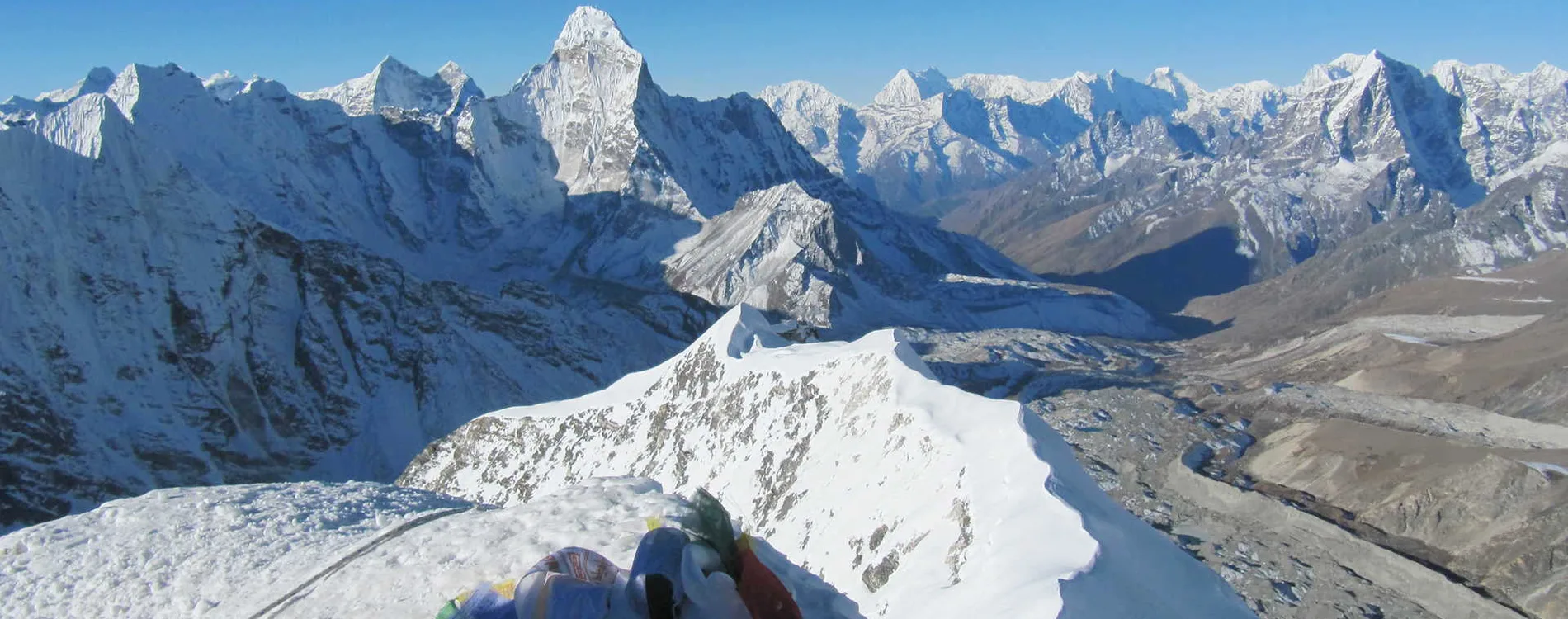
The Island Peak Trek is a once-in-a-lifetime adventure that combines the grandeur of trekking to Everest Base Camp with the challenging and technical climb of Island Peak (Imja Tse), at an elevation of 6,189 meters. This thrilling package offers trekkers the opportunity to explore the stunning landscapes of the Khumbu region, while providing an unparalleled experience of high-altitude mountaineering. The trek is designed for those seeking a deeper challenge in the Himalayas—combining cultural immersion, breathtaking natural beauty, and a technical climb, all under the guidance of experienced Sherpas. Your adventure starts in Kathmandu, the vibrant capital of Nepal. Before embarking on the trek, you’ll have the opportunity to explore Kathmandu’s rich cultural and historical heritage. Visit iconic landmarks such as the Swayambhunath Stupa (Monkey Temple), Pashupatinath Temple, and Boudhanath Stupa, all of which are UNESCO World Heritage sites. The city provides the perfect introduction to the spiritual and cultural backdrop of Nepal, making it an essential starting point for your trek.
After your Kathmandu exploration, the next step takes you to Lukla, a small town nestled in the foothills of the Himalayas. You’ll take an early morning flight from Kathmandu to Lukla, which is often regarded as one of the most thrilling flights in the world. Upon arrival, your trek begins with a descent into the lush valley, passing through small Sherpa villages and dense forests of rhododendron and pine trees.
From Lukla, you’ll begin your trek to Everest Base Camp. As you ascend through picturesque villages such as Phakding and Namche Bazaar, the anticipation of reaching Everest Base Camp continues to build. The path to Namche Bazaar is particularly stunning, offering your first views of the mighty Everest and Lhotse, two of the most iconic peaks in the world. Namche Bazaar, at 3,440 meters, is the commercial hub of the Khumbu region and a perfect place to acclimatize to the altitude. Spend a day in Namche to adjust to the higher elevations while exploring the local market, cafés, and hiking up to the Everest View Hotel for an awe-inspiring view of the mountains.
From Namche, the trail takes you further into the Khumbu region. You’ll pass through villages like Tengboche, famous for its monastery, and Dingboche, a scenic village surrounded by stone-walled fields. As you trek through the high-altitude landscape, you’ll notice the air thinning, and with each step, you’ll approach the highest points of the trek. The journey is strenuous but rewarding as you reach Gorak Shep, the final settlement before Everest Base Camp.
Reaching Everest Base Camp is a momentous achievement for many trekkers. Standing at 5,364 meters, Everest Base Camp is the gateway for climbers attempting to summit the world’s tallest mountain. You’ll explore the iconic Khumbu Icefall, the treacherous route that climbers use to ascend Everest. The sense of accomplishment and awe that comes with standing at the base of Everest is unmatched, and it will surely be one of the most memorable moments of your journey.
From Everest Base Camp, you’ll trek to Kala Patthar, a peak at 5,545 meters that offers one of the best panoramic views of Mount Everest and its surrounding peaks. The sunrise from Kala Patthar is one of the highlights of the trek, with Everest, Lhotse, Nuptse, and many other Himalayan peaks lit up in a golden glow. This is the perfect spot for photographs and reflection before beginning the climb to Island Peak.
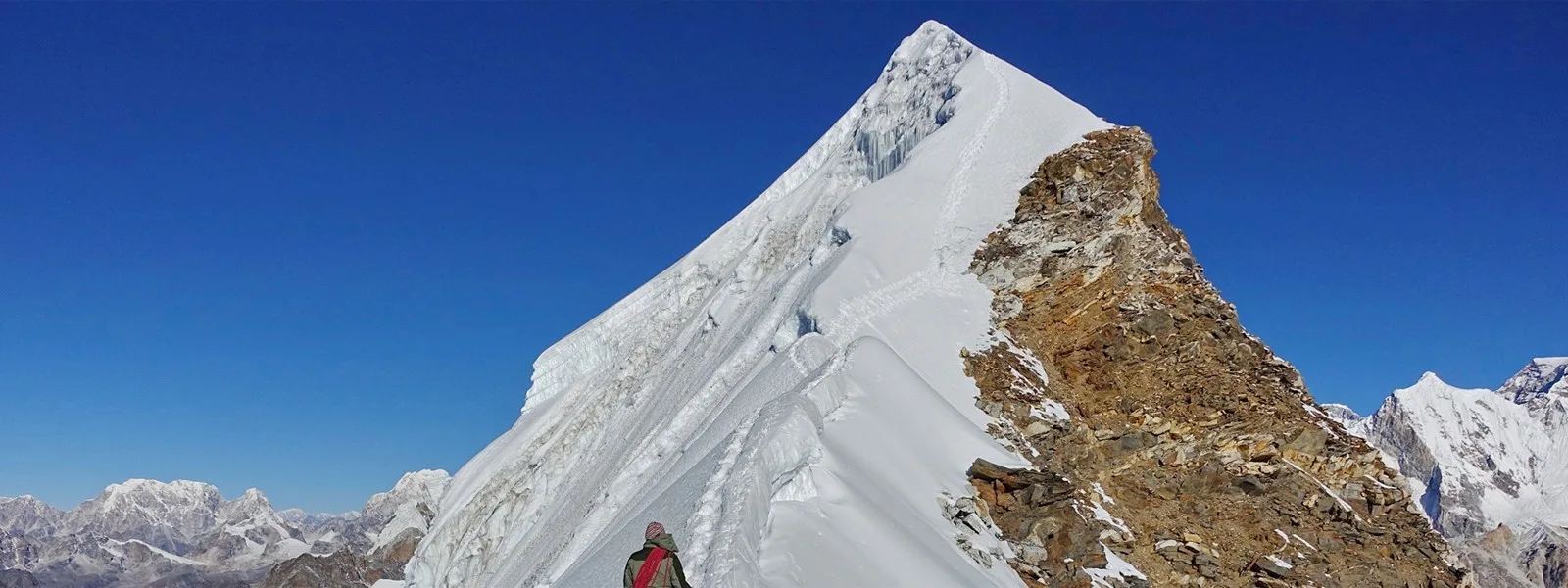
Island Peak, standing at 6,189 meters, is a challenging peak for novice climbers, but with proper training and guidance, it is a conquerable summit. The climb requires a combination of trekking, technical climbing, and the use of ropes, ice axes, and crampons. At Island Peak Base Camp (5,200 meters), you’ll receive a thorough briefing from your expert guides, who will prepare you for the summit push.
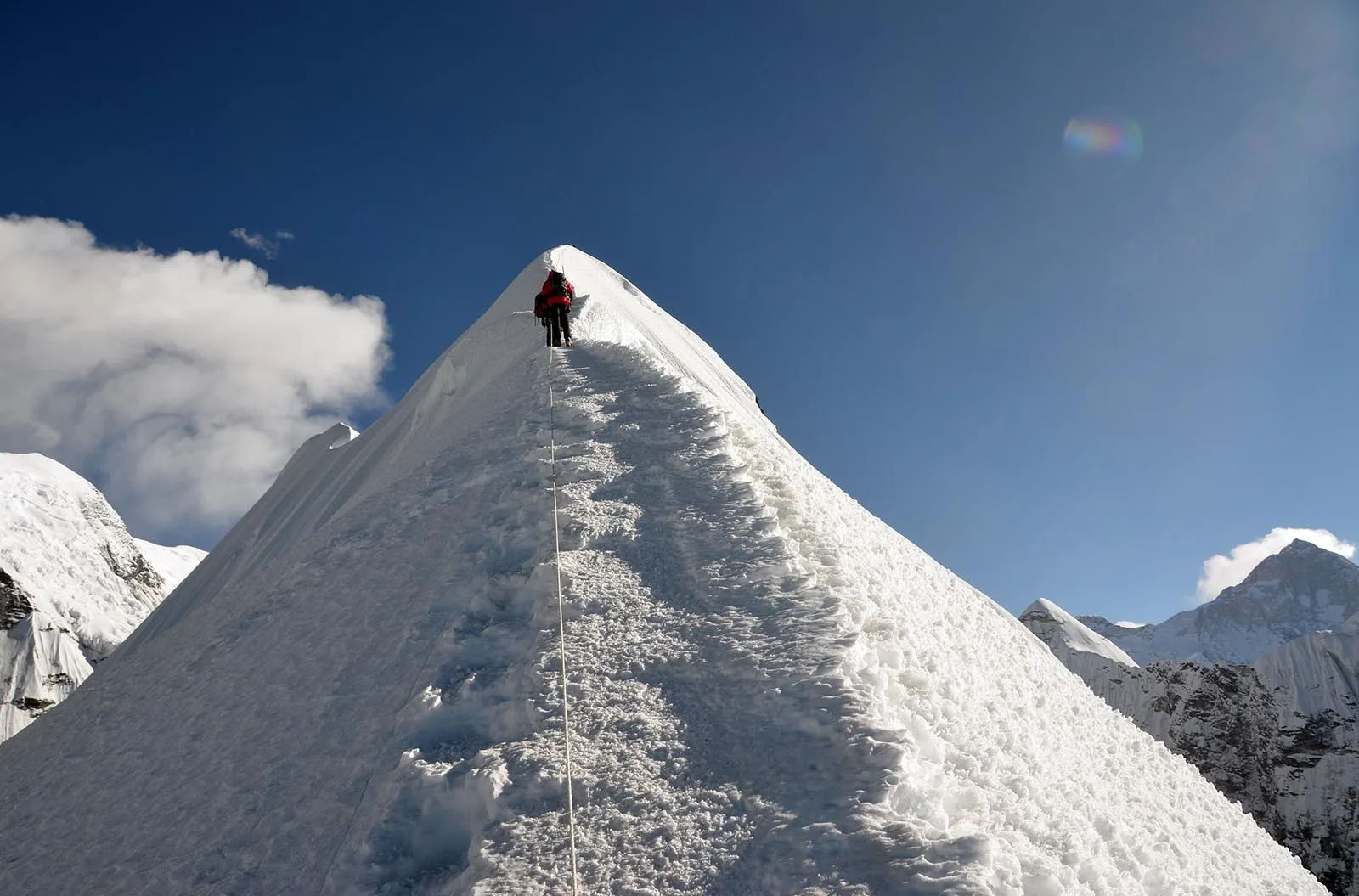
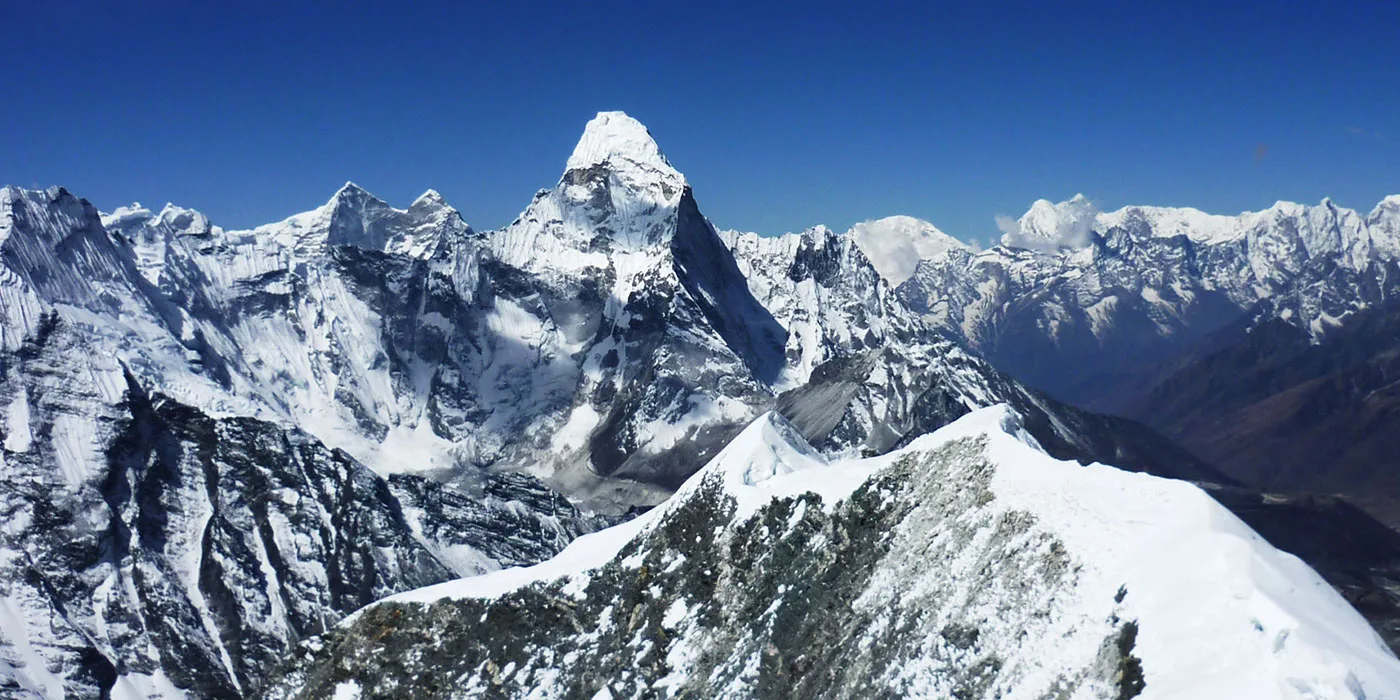
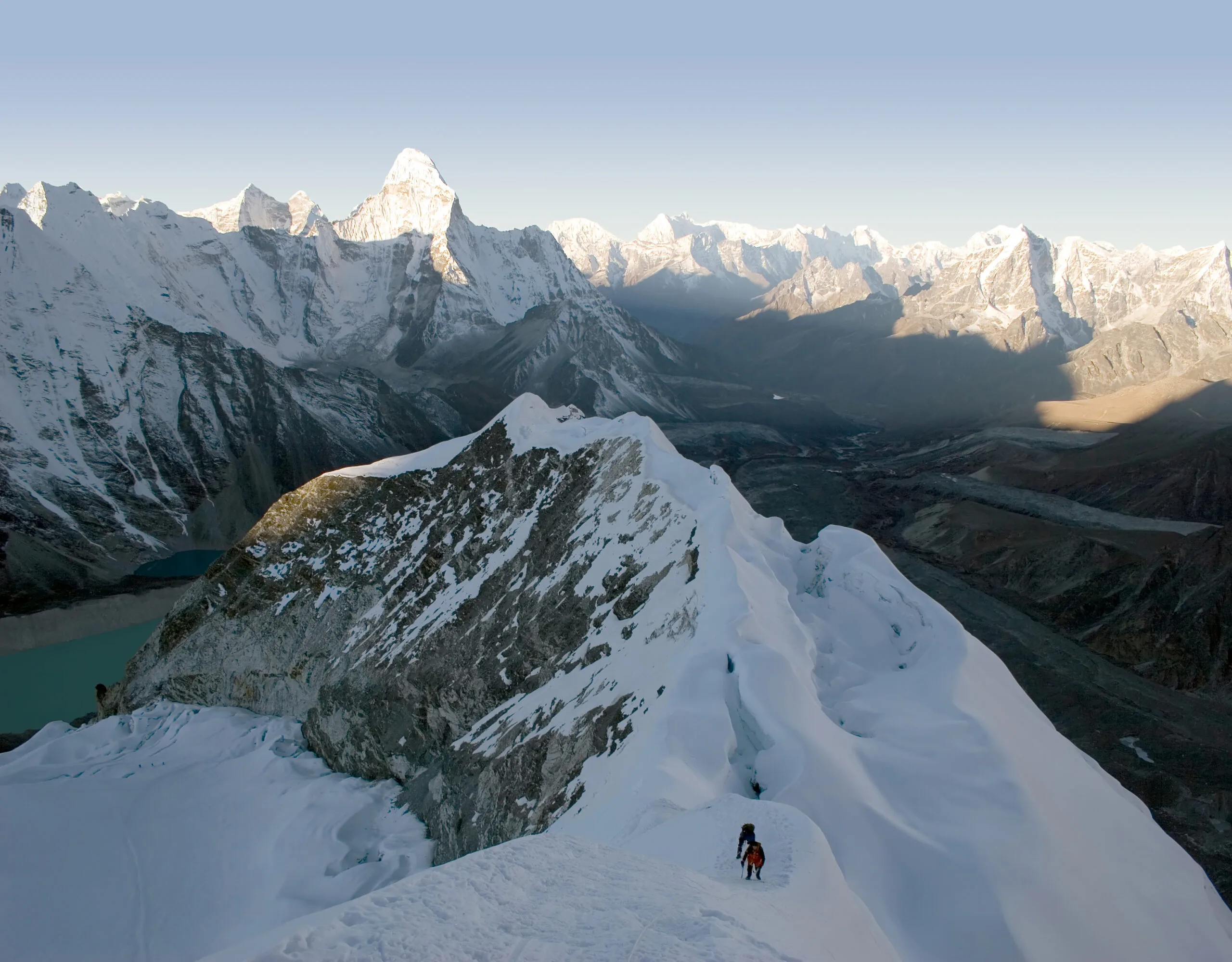
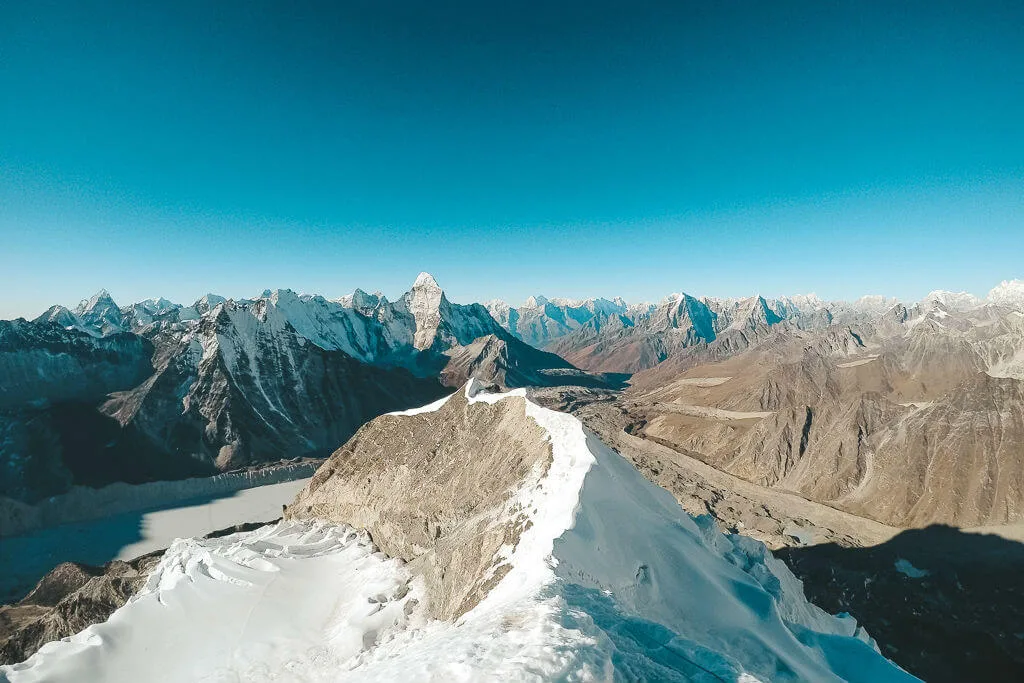
The ascent to the summit of Island Peak is a thrilling challenge. You will navigate rocky terrain, glaciers, and snow slopes, aided by fixed ropes. Under the careful supervision of your climbing Sherpas, you’ll make your way toward the top. Once you reach the summit, the reward is breathtaking—an expansive 360-degree view of the surrounding peaks, including Everest, Lhotse, Makalu, and Ama Dablam. The sense of achievement when standing atop Island Peak, surrounded by the world’s highest mountains, is unforgettable.
After summiting Island Peak, the descent begins, and you’ll retrace your steps back through the Khumbu region. The journey back to Lukla takes you through familiar trails, allowing you to reflect on your achievements and experience the beauty of the region from a different perspective. You’ll cross suspension bridges, pass through lush forests, and interact with local Sherpa communities as you make your way back to Lukla.
From Lukla, you’ll take a flight back to Kathmandu, where you can relax and recount your experiences. The trek ends with a celebratory farewell dinner with your guides and fellow trekkers, where you’ll share stories of your journey and reflect on the incredible adventure you’ve just completed.
The Island Peak Trek is not just a physical challenge it is an emotional and spiritual journey. The trek offers an unparalleled opportunity to experience the beauty of the Himalayas, engage with Sherpa culture, and test your limits with the ascent of Island Peak. It is a rewarding trek for those who are physically prepared and eager for a challenge, and with the support of experienced guides and Sherpas, you’ll be in safe hands every step of the way. Whether you are an avid trekker or a beginner climber looking for your first mountaineering experience, the Island Peak Trek offers an adventure that will stay with you forever. From the cultural insights of Kathmandu to the thrilling climb of Island Peak, this trek is the ultimate Himalayan adventure. This carefully crafted trek, offered by World Trade Travel & Tours Pvt. Ltd., promises to be a life-changing experience filled with cultural discoveries, epic mountain views, and personal triumphs.
Upon arrival at Tribhuvan International Airport in Kathmandu, you’ll be greeted by a representative from World Trade Travel & Tours Pvt. Ltd. and transferred to your hotel. Here, you will meet the trekking team and get a comprehensive briefing about the trek ahead. This session will include a discussion about the itinerary, equipment check, and necessary preparations. You’ll be provided with any final equipment and gear requirements for the trek. The day will end with an overnight stay in Kathmandu, allowing you to rest and recover before the adventure begins.
After breakfast, you will embark on a guided sightseeing tour of Kathmandu’s UNESCO World Heritage Sites. Visit the Swayambhunath Stupa (Monkey Temple), perched high on a hill with a spectacular view of the city, and the sacred Pashupatinath Temple, one of the holiest Hindu temples in the world. Explore the iconic Boudhanath Stupa, an important Buddhist pilgrimage site, and the Kathmandu Durbar Square, rich in ancient temples and royal palaces. In the afternoon, return to the hotel to finalize preparations for the trek, double-check your gear, and ensure everything is ready for the adventure. Spend the night in Kathmandu to relax and enjoy the cultural ambiance of the city.
Today, you will take an early morning flight from Kathmandu to Lukla, a small mountain town nestled in the foothills of the Himalayas. This thrilling flight offers stunning panoramic views of the Himalayan range. Upon arrival in Lukla, you’ll meet your trekking crew and begin your journey. The trek begins with a descent through lush rhododendron forests, passing by small Sherpa villages along the Dudh Koshi River. The easy trek offers gentle views of the surroundings, and after a few hours of walking, you will arrive in Phakding for your overnight stay.
On this day, you will trek from Phakding to Namche Bazaar, which serves as the bustling Sherpa town and commercial hub of the Khumbu region. The trail takes you across several suspension bridges, and you will gradually ascend through beautiful forests. Along the way, you’ll get your first glimpse of the mighty Everest and Lhotse. After crossing the last bridge, the climb becomes steeper as you make your way into Namche Bazaar. Once there, you can explore the vibrant market, visit local museums, and enjoy stunning views of the surrounding mountains. You will stay overnight in Namche Bazaar, soaking in the Sherpa culture and panoramic views of the Himalayan peaks.
To help your body adjust to the high altitude, today will be a rest day in Namche Bazaar. Acclimatization is essential for ensuring you stay healthy throughout the trek. You may choose to take an optional hike to Everest View Hotel or visit Khumjung Village for cultural insights and even more breathtaking views of the Everest region. The afternoon will be free for exploring Namche Bazaar’s cafes, shops, and bakeries. Enjoy some downtime to relax and explore the local area. Overnight stay in Namche Bazaar.
After a restful day in Namche, you will continue your trek to Tengboche, a picturesque village known for its beautiful monastery and magnificent views of Everest, Lhotse, and Ama Dablam. The trail takes you through peaceful forests of rhododendron and pine, descending to the Dudh Koshi River before starting the gradual ascent to Tengboche. Once there, visit Tengboche Monastery, the largest in the Khumbu region, and experience the tranquility of this sacred place. Overnight stay in Tengboche, where you can admire the peaks surrounding you.
The trek from Tengboche to Dingboche will take you through a dramatic landscape filled with stone-walled fields, yak pastures, and majestic mountain views. Along the way, you’ll pass Pangboche, where you can visit an ancient monastery. Dingboche is a beautiful village with stunning views of Everest, Lhotse, and Island Peak. It is also the last village before the high-altitude climb begins. You’ll spend the night here in Dingboche, with a chance to rest and acclimatize.
Another acclimatization day in Dingboche allows your body to adjust to the higher altitude. You may choose to hike to Nangkartshang Peak for fantastic views of Everest, Lhotse, and Makalu, or simply relax in the village, interact with the locals, and enjoy the peaceful environment. Dingboche offers some of the best views of the Himalayas, and this day is crucial for ensuring that you’re physically prepared for the challenges ahead. Overnight stay in Dingboche.
Today, you’ll trek from Dingboche to Lobuche, passing through the moraine of the Khumbu Glacier. The trail ascends gradually, offering majestic views of the surrounding peaks. Along the way, you’ll pass memorials dedicated to fallen climbers, and the landscape will become more rugged as you approach Lobuche. This quiet settlement offers a stunning view of Nuptse, Pumori, and other towering peaks. You’ll stay overnight in Lobuche.
The day begins with a trek from Lobuche to Gorak Shep, the last settlement before Everest Base Camp. From Gorak Shep, you will continue on foot to Everest Base Camp, a historic and iconic destination for trekkers and climbers alike. At Everest Base Camp, you’ll be surrounded by the Khumbu Icefall and glacier, providing a true sense of awe. You’ll have time to take photos, enjoy the moment, and soak in the achievement of reaching the base of the world’s tallest mountain. Afterward, you’ll return to Gorak Shep for an overnight stay.
An early morning start will take you to the summit of Kala Patthar, one of the best viewpoints in the entire Everest region. From the top, you will be treated to panoramic views of Everest, Lhotse, Nuptse, and many other peaks in the area. The sunrise from Kala Patthar is a truly unforgettable experience. After taking in the views, you’ll descend back to Gorak Shep and continue trekking to Pheriche, a village located at a lower altitude to aid in acclimatization. Enjoy more breathtaking views along the trail. Overnight stay in Pheriche.
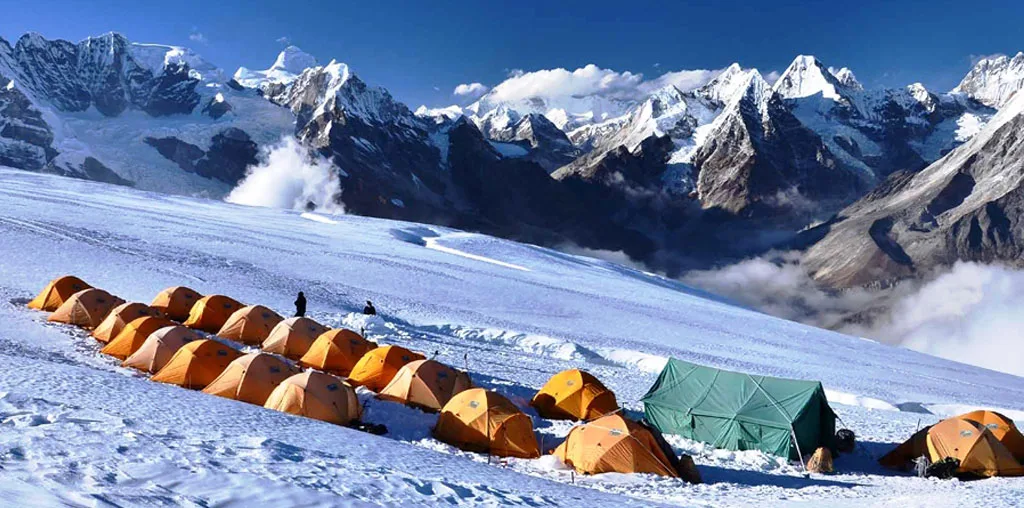
From Pheriche, you will trek to Island Peak Base Camp, crossing the Khumbu Glacier and lateral moraine. The trail offers incredible views of the surrounding peaks, including Island Peak itself. Upon arrival at Base Camp, you will set up camp, receive detailed climbing instructions from your expert Sherpas, and prepare for the summit push the next day. The atmosphere is filled with anticipation, and you’ll rest here to acclimatize and get ready for the climb. Overnight camping at Island Peak Base Camp.
Today is the most challenging day of the trek, as you make the summit attempt on Island Peak. Starting early in the morning, you will ascend the peak with the help of experienced climbing Sherpas, navigating rocky terrains, glaciers, and fixed ropes. Reaching the summit of Island Peak is a momentous achievement, offering panoramic views of Everest, Lhotse, Makalu, and other towering peaks. After enjoying the views and celebrating your success, you’ll descend to Base Camp and continue to Chhukung for an overnight stay.
This day is reserved as a contingency for unfavorable weather conditions or for additional acclimatization. It provides flexibility in the schedule, ensuring that all climbers are well-prepared and safe. If conditions allow, you may explore Chhukung or take a rest. Otherwise, you will have the chance to reflect on your achievements so far. Overnight stay in Chhukung.
The trek today retraces your steps through Dingboche and Pangboche before descending to Tengboche. The views along the way continue to amaze, and you will enjoy the scenery as you move toward your destination. After reaching Tengboche, enjoy the peaceful atmosphere of the village once again and overnight there.
The trail from Tengboche to Namche Bazaar will take you through dense forests, past rivers, and through several picturesque villages. The descent is gradual, and the closer you get to Namche, the more beautiful the surroundings become. You’ll arrive in Namche Bazaar for another overnight stay, where you can relax, indulge in local cuisine, and explore the market before your final leg back to Lukla.
On the final leg of your trekking adventure, you will descend from Namche Bazaar to Lukla. The familiar trail will be easier to navigate as you cross suspension bridges and walk through forests, reflecting on the journey you’ve just completed. Once in Lukla, celebrate your successful expedition with your team and crew. Overnight stay in Lukla.
From Lukla, you’ll take an early morning scenic flight back to Kathmandu, weather permitting. The flight provides stunning views of the Himalayan peaks, offering one last glimpse of the majestic mountains. Once in Kathmandu, transfer to your hotel for a well-deserved rest. Enjoy a farewell dinner with the trekking team and reflect on your incredible adventure.
On the last day of your trip, you’ll have a free day to explore Kathmandu further or relax. Depending on your flight schedule, you will be transferred to Tribhuvan International Airport for your onward journey, bidding farewell to Nepal with cherished memories of your Island Peak adventure.
| Start Date | End Date | Price | Space Left | |
|---|---|---|---|---|
| February 3, 2025 Friday | February 28, 2025 Monday | $ 2877 | 07 | Book |
| March 4, 2025 Friday | February 24, 2025 Monday | $ 2879 | 09 | Book |
| March 23, 2025 Sunday | April 16, 2025 Tuesday | $ 2880 | 05 | Book |
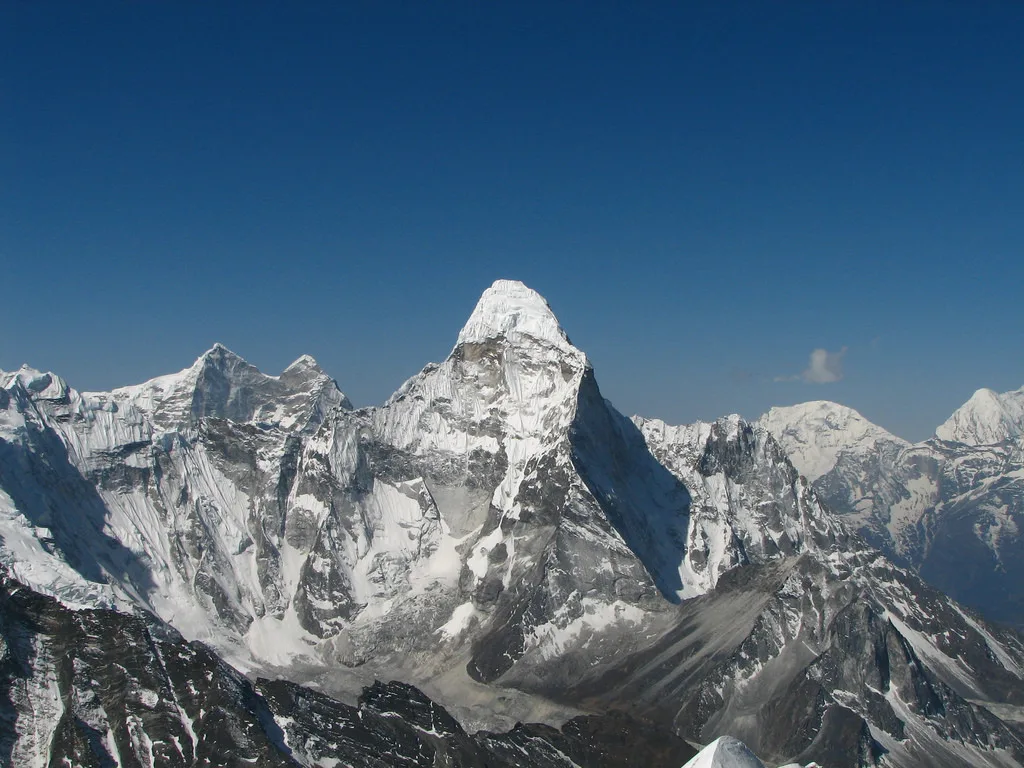
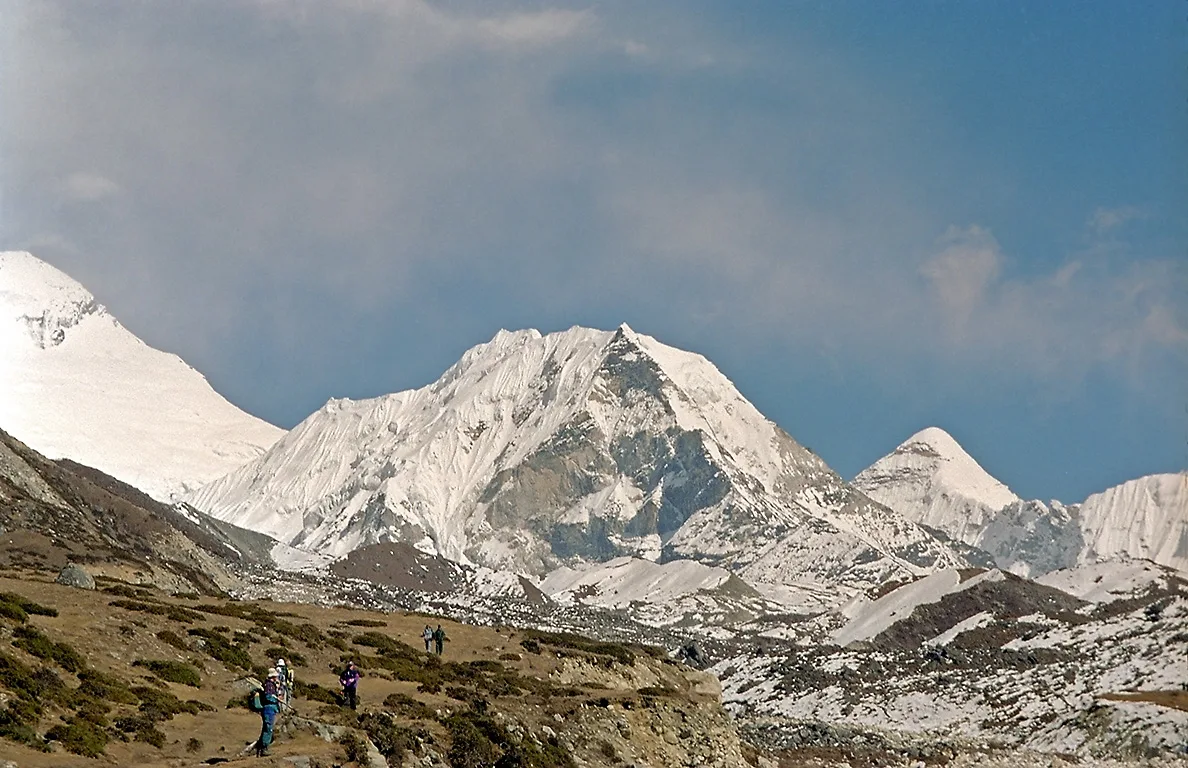
Accommodation during the Island Peak expedition is mainly provided in local teahouses along the trekking route. These teahouses offer basic rooms with twin beds, blankets, and shared bathroom facilities. They provide a comfortable place to rest after long days of trekking through the Himalayas. Although facilities vary between villages, trekkers can generally expect simple rooms and essential services throughout the journey.
As the trail ascends to higher elevations, accommodation becomes more basic because of the remote terrain and limited resources. Facilities near Island Peak Base Camp are particularly limited, and camping may be necessary depending on the expedition arrangements. Trekkers should prepare for colder nights, simple sleeping conditions, and fewer amenities. Carrying suitable warm clothing, personal toiletries, and essential sleeping accessories can help improve comfort during the expedition.
Teahouses along the Island Peak trekking route serve a variety of filling meals to support trekkers during long walking days and demanding mountain activities. Common options include dal bhat (rice and lentils), noodles, momos (dumplings), soups, porridge, potatoes, and other locally available dishes. These meals provide energy for trekking and help maintain strength throughout the journey. Most teahouses offer several choices at lower elevations, allowing trekkers to select meals according to their preferences.
At higher elevations, food options become more limited because supplies must be transported to remote mountain settlements. Menus may focus on simple, carbohydrate-rich meals that are easier to prepare and store. Trekkers are encouraged to eat regularly, maintain a balanced diet, and drink enough fluids throughout the day. Informing the trekking agency about dietary restrictions before departure can also help the team plan suitable meals wherever possible.
The Island Peak expedition requires specific permits for trekking through the Khumbu region and climbing the mountain. These generally include a Sagarmatha National Park entry permit and an Island Peak climbing permit for the summit attempt. A TIMS (Trekkers’ Information Management System) card may also be required, depending on current regulations and the applicable trekking arrangements. The necessary documentation allows trekkers to access designated areas and helps ensure compliance with local requirements.
Permit regulations, fees, and documentation requirements can change, so trekkers should confirm the latest information before beginning their journey. The permits should be arranged in advance to avoid unnecessary delays during the expedition. Working with an experienced trekking agency can simplify the process, as the team can explain which permits apply to the selected itinerary and assist with the required paperwork. Trekkers should also keep their permits and identification accessible for verification at relevant checkpoints.
Altitude sickness is a significant concern during the Island Peak expedition, particularly when trekking above 3,000 meters and approaching the summit at 6,189 meters. As elevation increases, lower oxygen levels can make physical activity more demanding and increase the risk of altitude-related illness. Proper acclimatization is therefore essential, and the itinerary should allow sufficient time for gradual ascent and rest. Trekkers should maintain a steady pace, drink enough fluids, eat nutritious meals, and follow their guide’s recommendations throughout the journey.
Good physical fitness and previous high-altitude trekking experience are strongly recommended because the expedition involves long walking days, steep trails, and challenging alpine terrain. Trekkers should inform their guide promptly if they develop symptoms such as headaches, dizziness, nausea, or unusual fatigue. Severe symptoms, including confusion, difficulty walking, or breathlessness at rest, require urgent medical attention and descent. The summit climb may involve snow, ice, and cold weather, so suitable clothing, appropriate climbing equipment, and guidance from experienced mountain professionals are essential.
The best seasons for the Island Peak expedition are generally spring (March to May) and autumn (September to November). Spring offers increasingly mild temperatures at lower elevations, blooming rhododendrons, and beautiful mountain scenery. These months can provide favorable opportunities for trekking and climbing, although conditions at higher elevations remain cold. The changing landscapes and longer daylight hours can also make the journey particularly rewarding for trekkers exploring the Khumbu region.
Autumn is another popular season because it often brings clear skies, excellent Himalayan views, and relatively stable weather following the monsoon. September to November can offer favorable conditions for trekking through mountain villages and preparing for the summit attempt. However, mountain weather can change quickly in either season, and suitable climbing conditions are never guaranteed. Trekkers should monitor weather forecasts, follow their guide’s advice, and remain flexible with their itinerary to accommodate changing conditions or necessary acclimatization.