Mera Peak Trek
Price From: N/A
17 Days/16 Nights
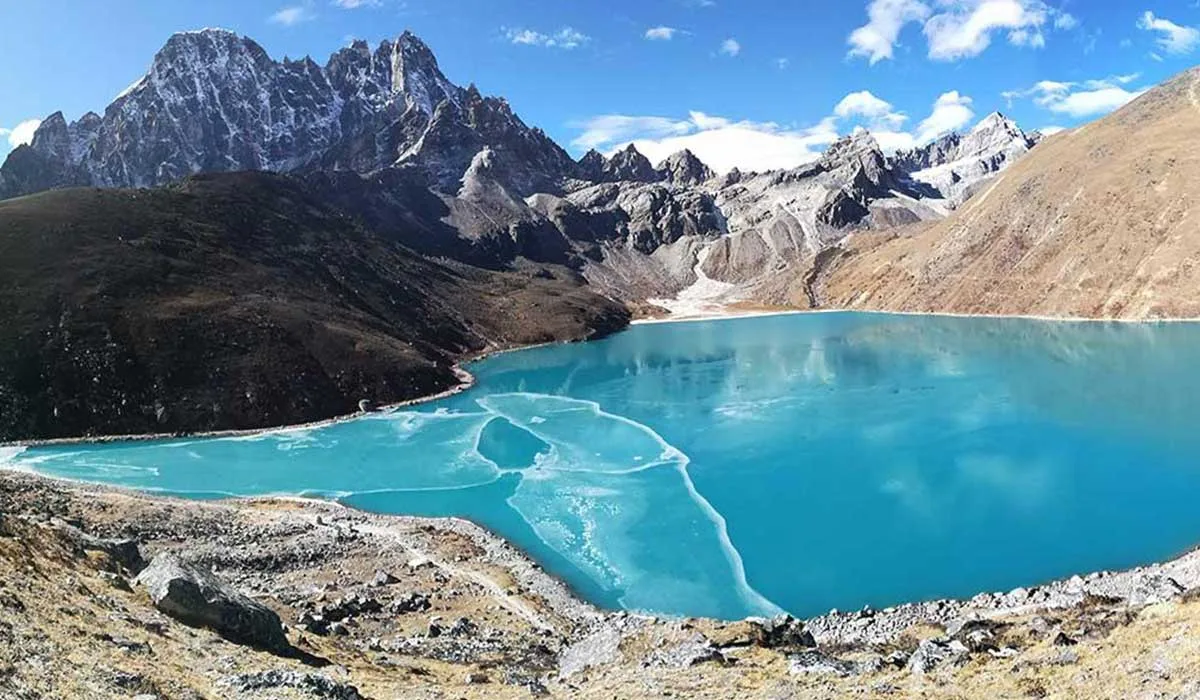
The Gokyo Trek is a remarkable journey through the Everest region, offering trekkers an unforgettable experience filled with stunning natural beauty, rich Sherpa culture, and awe-inspiring mountain vistas. Unlike other popular Everest region treks, the Gokyo Trek takes you off the beaten path, offering a quieter and equally mesmerizing alternative while still providing the opportunity to see some of the world’s highest peaks up close, including Everest, Lhotse, Makalu, and Cho Oyu. One of the highlights of the Gokyo Trek is the ascent to Gokyo Ri, a peak that offers one of the best panoramic views in the world. From the summit of Gokyo Ri, trekkers are treated to an unparalleled view of the majestic Mount Everest and its neighboring peaks, including the towering Lhotse, Makalu, and Cho Oyu, all of which appear in their full glory against the backdrop of a crystal-clear sky. Gokyo Ri also provides one of the most stunning sunrise experiences, with the first light of the day casting a golden glow over the snowy peaks and tranquil Gokyo Lakes below.
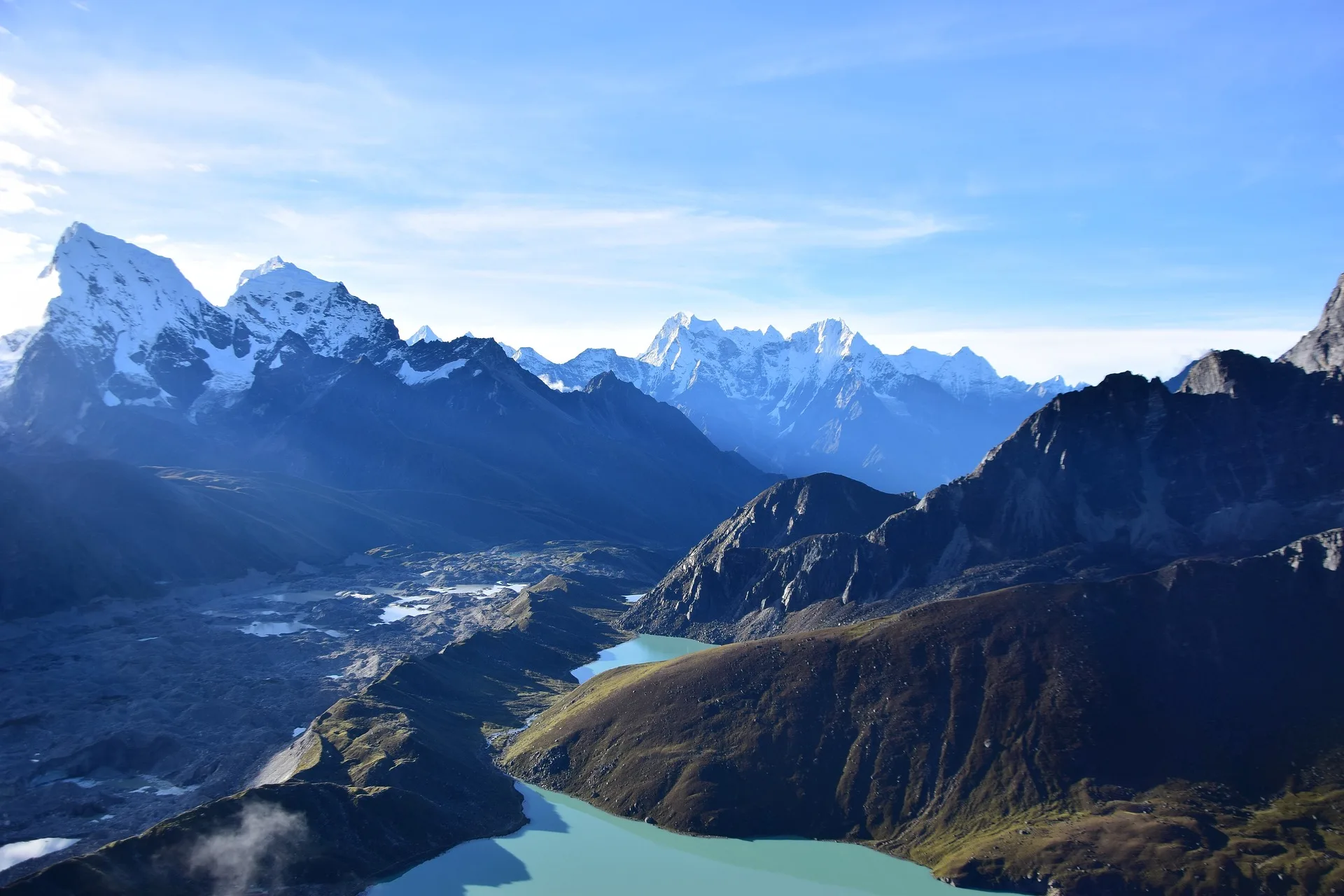
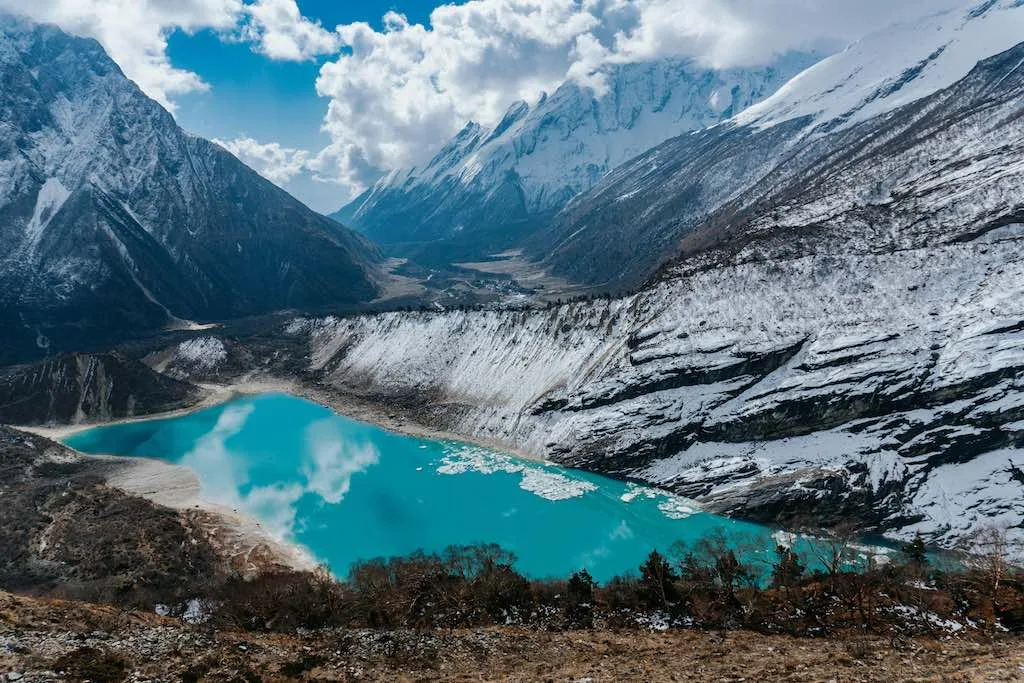
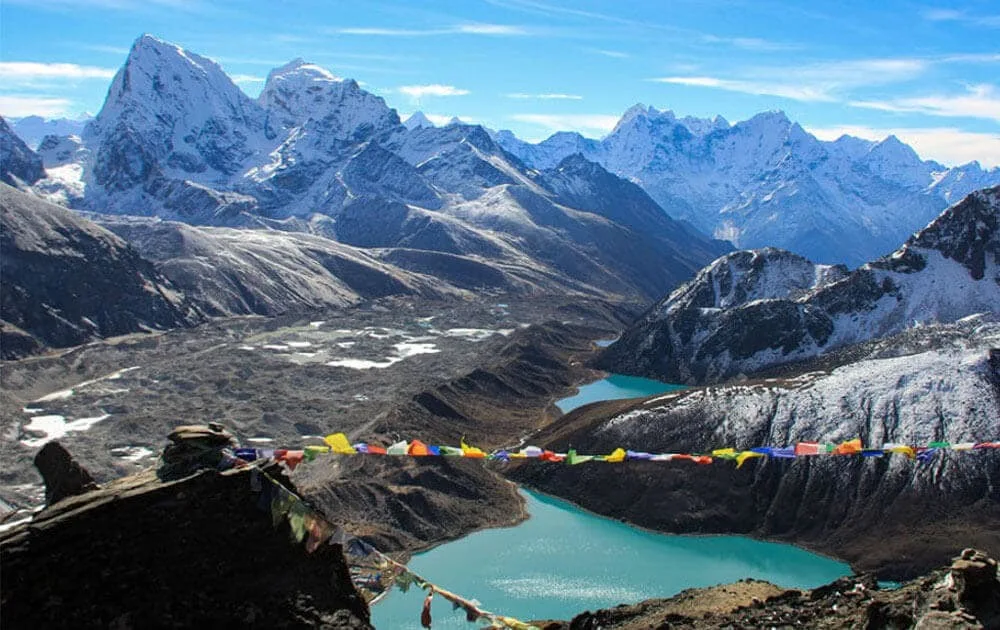
The trek itself is a journey through some of the most scenic landscapes in the Himalayas, including lush valleys, alpine forests, serene rivers, and of course, the famous Gokyo Lakes. These lakes, a series of five stunning turquoise bodies of water, are set at the foot of towering peaks and provide a sense of peace and tranquility, making them a photographer’s paradise. These lakes are a significant part of the trek, as they hold religious importance to the local Sherpa people and add a unique spiritual element to the adventure.
Along the way, trekkers will pass through traditional Sherpa villages, which offer a glimpse into the local way of life. The journey begins with a scenic flight to Lukla, from where you start your trek towards the higher elevations. The trek takes you through charming villages such as Phakding, Namche Bazaar, and Dole, where you can immerse yourself in the Sherpa culture. Namche Bazaar, in particular, is known as the gateway to the Everest region, offering a lively atmosphere with local markets, monasteries, and breathtaking views of Everest and the surrounding peaks. The people here are known for their warmth and hospitality, and their rich cultural heritage is reflected in the architecture and traditions of the region.
As you continue the trek, you’ll pass through forests of rhododendron, pine, and juniper, which add a sense of serenity to the surroundings. The diverse flora and fauna that thrive at these altitudes make the trek even more interesting for nature enthusiasts. Along the trail, you may spot Himalayan tahr, musk deer, and a variety of bird species, including the majestic Himalayan griffon vulture. The entire trek is an incredible blend of nature, culture, and adventure.
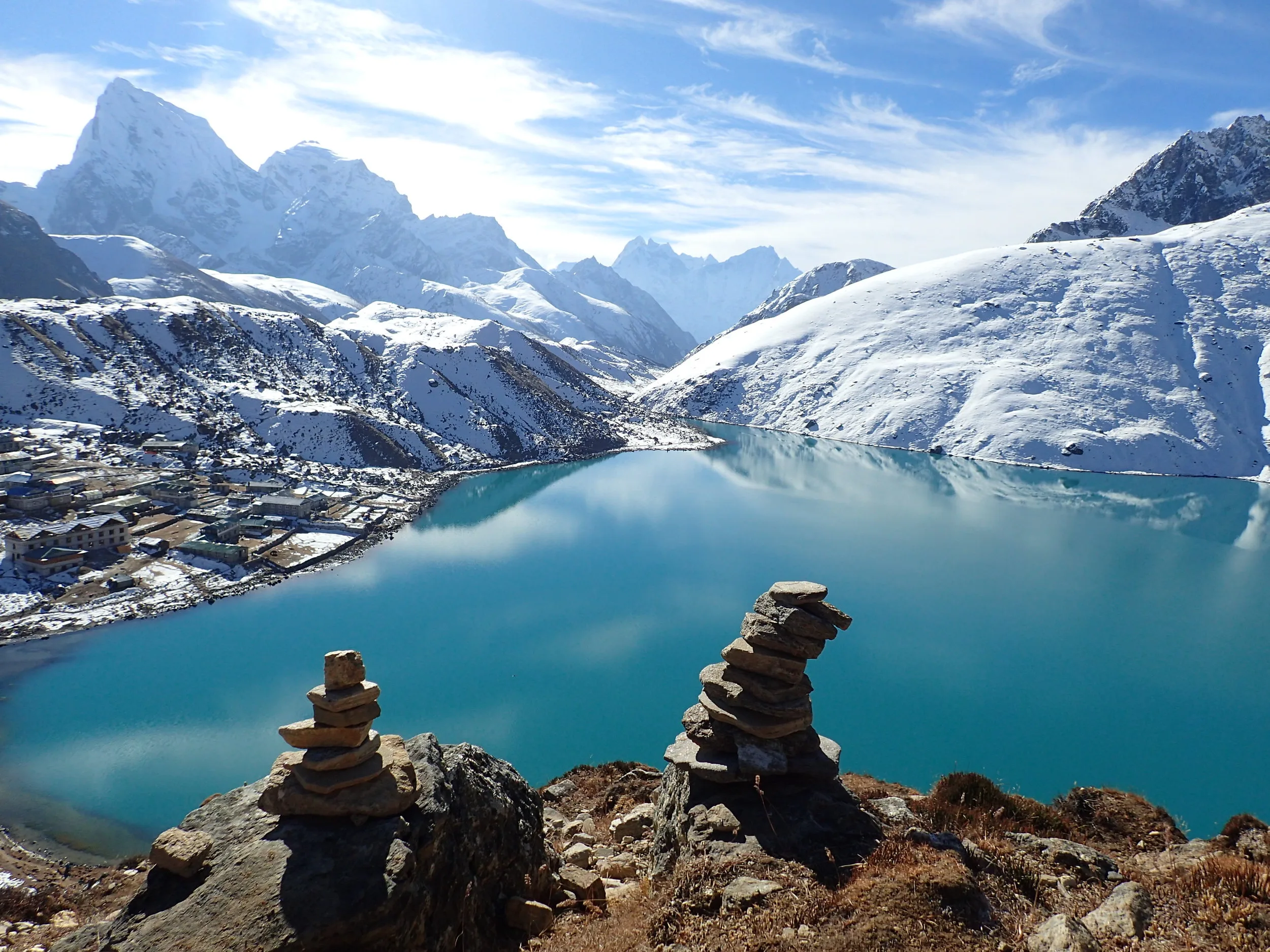
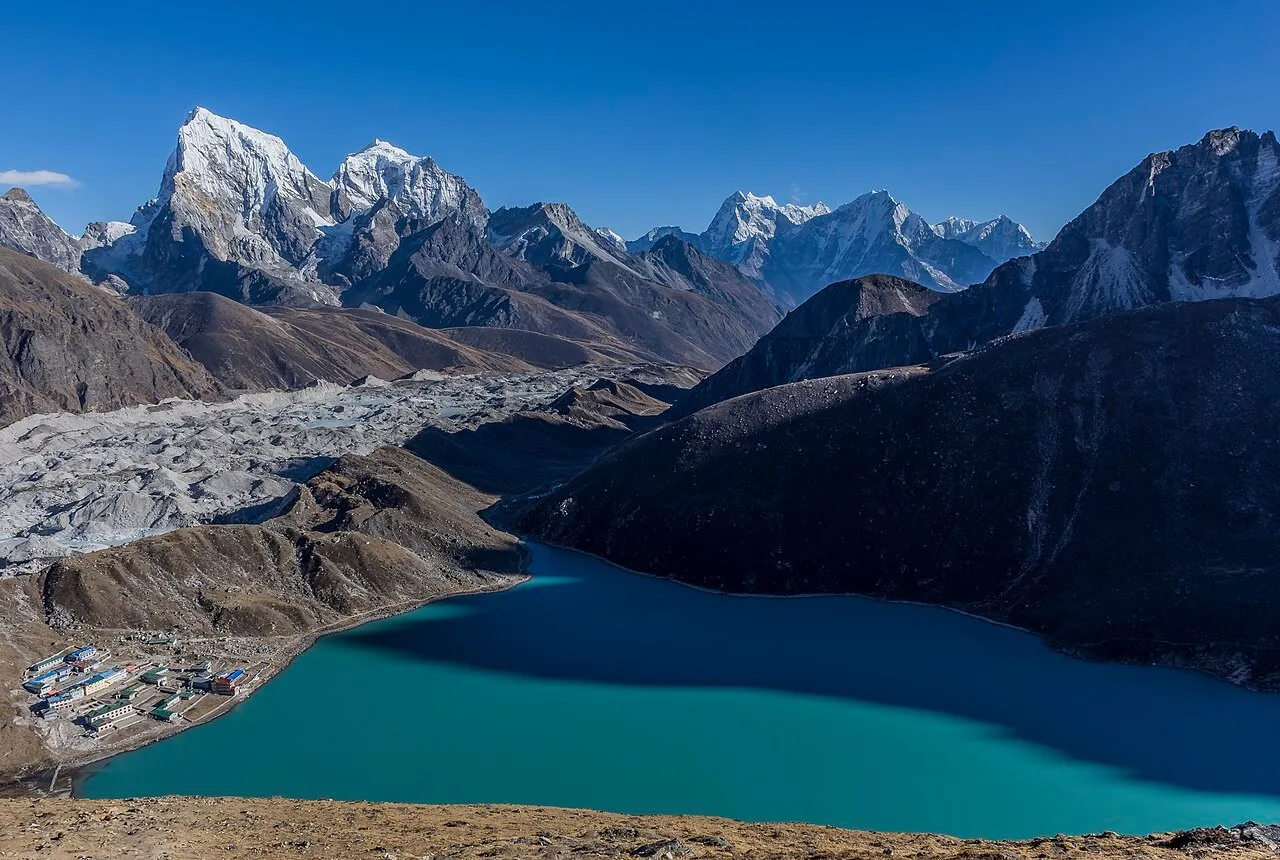
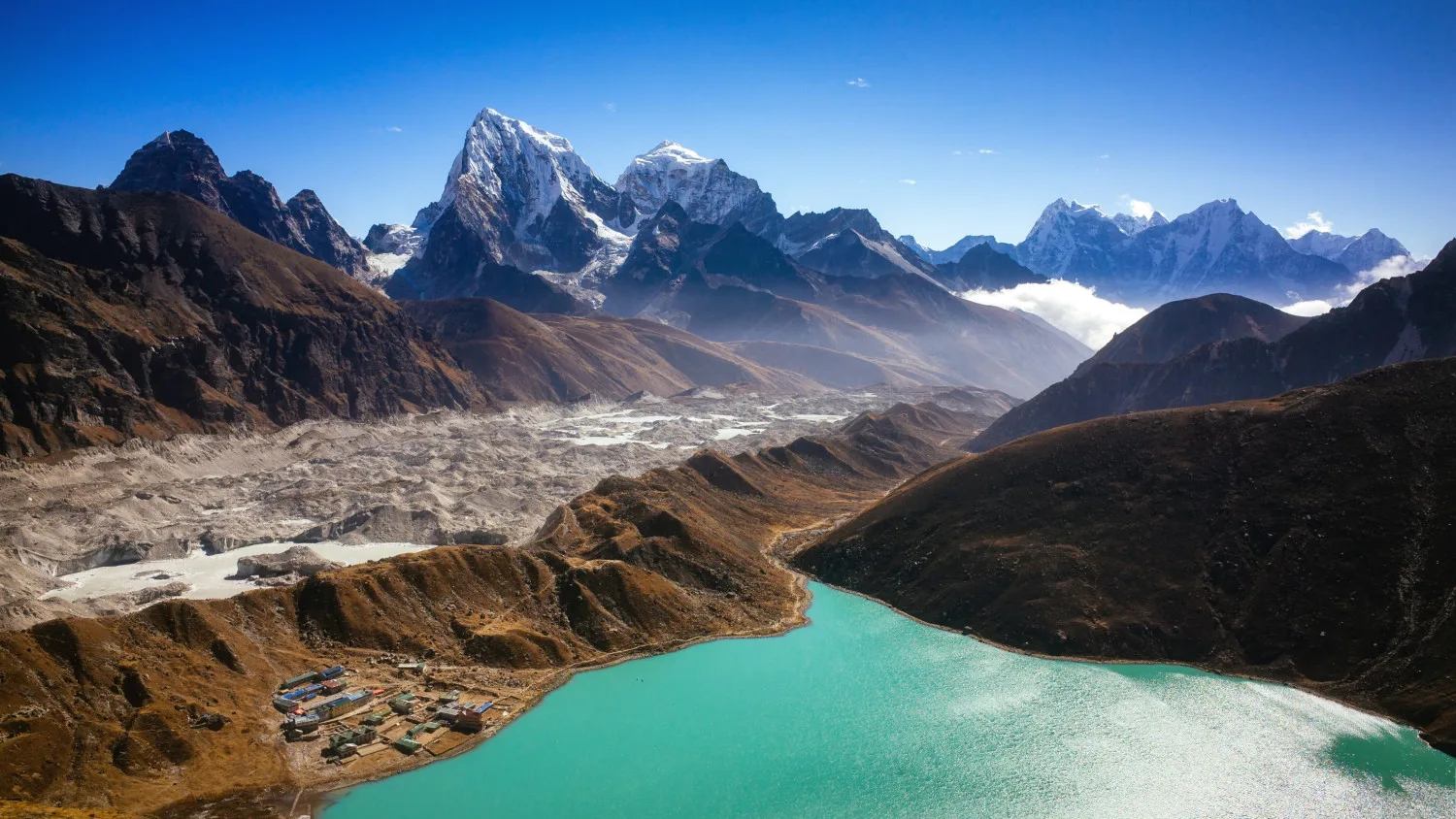
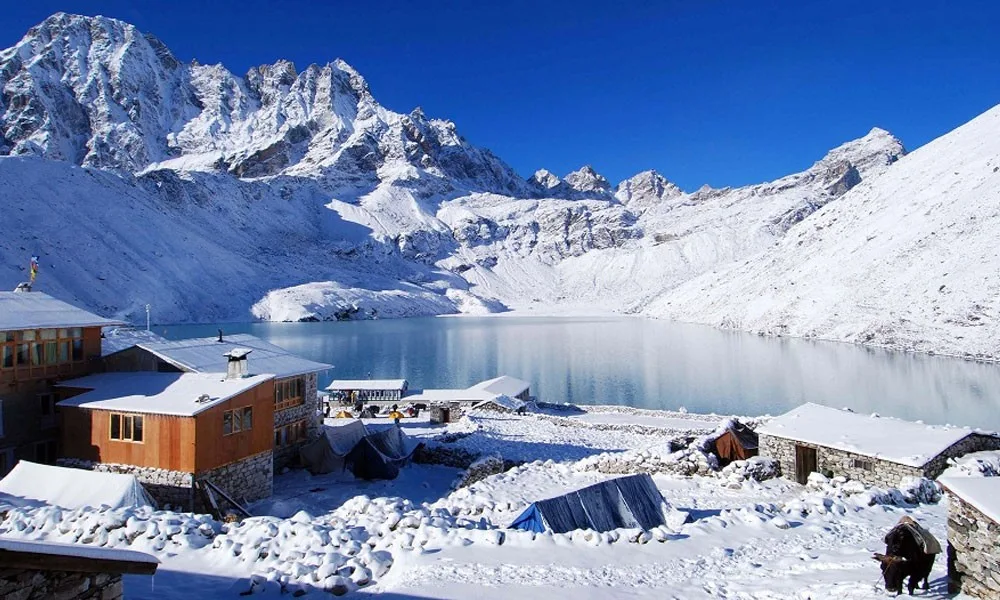
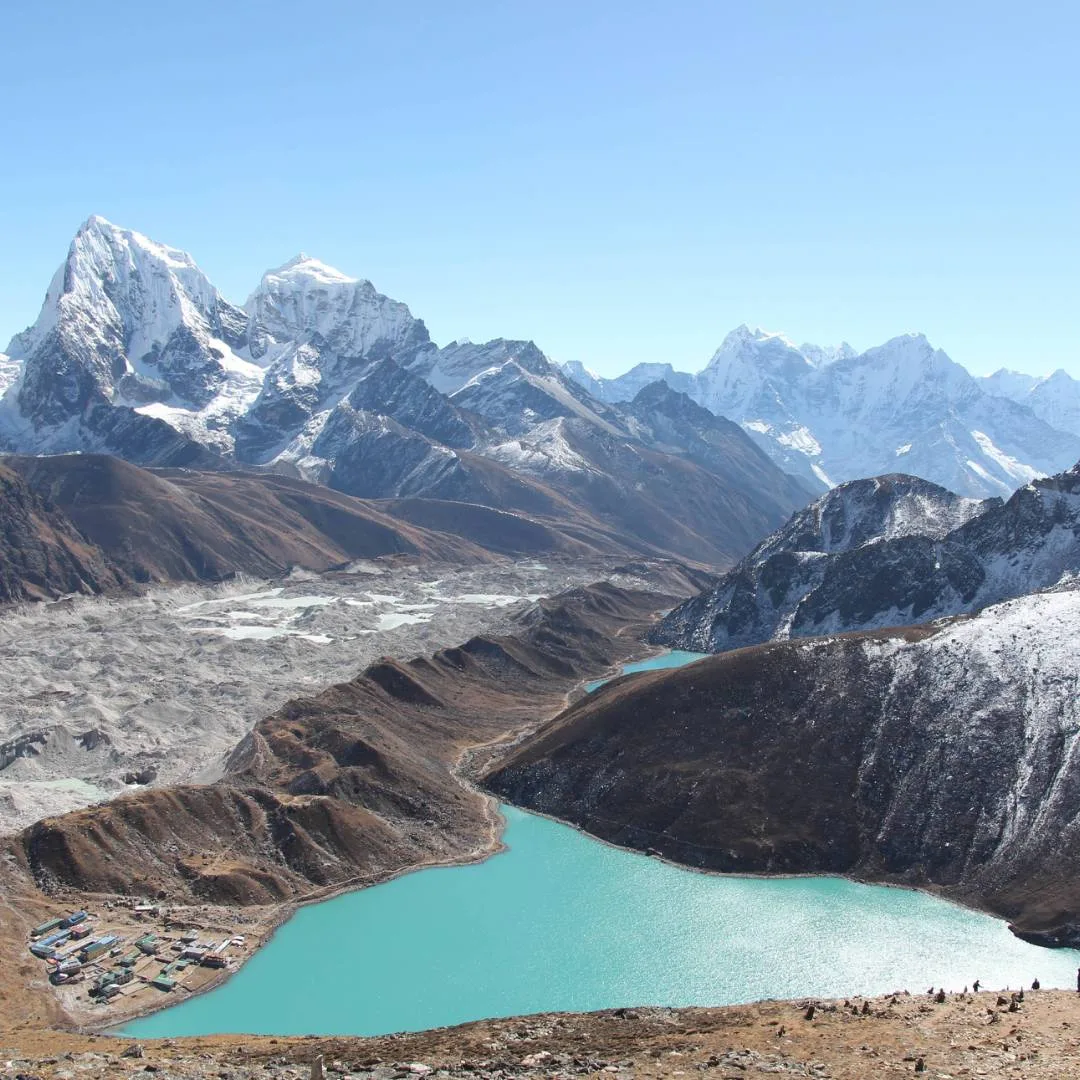
The heart of the Gokyo Trek is undoubtedly the visit to the Gokyo Lakes, which are located at an altitude of 4,800 meters. These lakes are one of the most serene and beautiful places in the entire Everest region. The landscape around the lakes is dominated by glaciers, and the turquoise waters of the lakes reflect the towering peaks that surround them. The tranquility and natural beauty of this area make it a must-see on any trekking itinerary in the region.
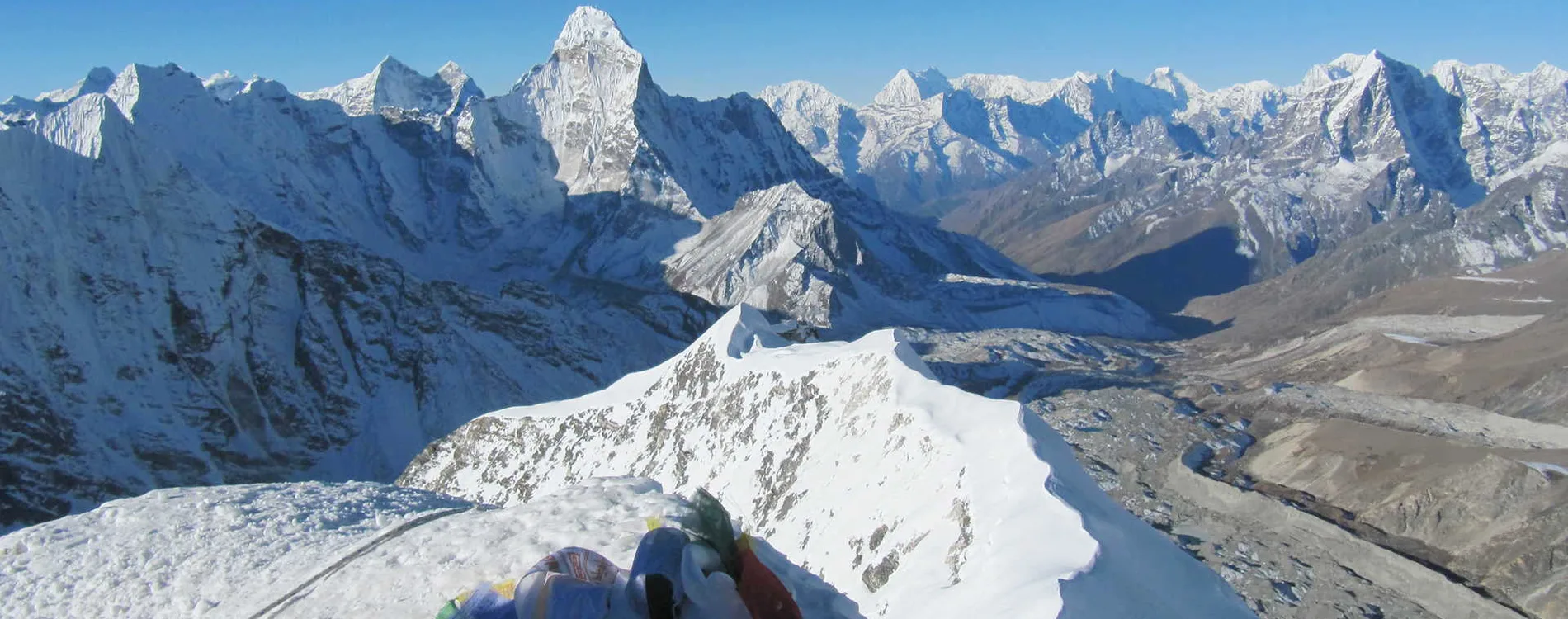
Once at Gokyo, trekkers have the opportunity to ascend Gokyo Ri, a peak located above the village. From the summit of Gokyo Ri (5,360 meters), you are treated to a panoramic view of Everest and the surrounding peaks. The view is nothing short of spectacular and offers a unique perspective of the Everest massif, as well as a panoramic view of the surrounding valleys, lakes, and glaciers.
In addition to the breathtaking views, the trek to Gokyo Ri provides a challenging but rewarding experience. The climb to the summit of Gokyo Ri is steep, but the views from the top make it all worthwhile. The sunrise from the summit is especially magical, as the first light of the day bathes the mountains in a soft glow, creating an unforgettable experience.
One of the key aspects of the Gokyo Trek is the gradual acclimatization process that is built into the itinerary. Altitude sickness is a concern for any trek at high altitudes, and the Gokyo Trek allows for plenty of time to adjust to the altitude. Acclimatization days in places like Namche Bazaar and Dole are designed to help trekkers adapt to the thinning air and prevent altitude-related issues. These rest days also give trekkers a chance to explore the local villages and take in the stunning views at a slower pace, ensuring that the trek remains enjoyable and safe.
While the trek is challenging due to the high-altitude terrain, the gradual ascent and well-maintained trails make it manageable for trekkers with a moderate level of fitness. The trek is suitable for those who are prepared for long days of walking and can handle steep ascents. For those with prior trekking experience, the Gokyo Trek is a rewarding and challenging adventure that provides a chance to experience the beauty of the Everest region without the crowds typically associated with the Everest Base Camp Trek.
The best time to undertake the Gokyo Trek is during the spring (March to May) and autumn (September to November) seasons. During these months, the weather is generally stable, and the skies are clear, offering the best conditions for trekking and mountain views. The spring season brings lush greenery and blooming rhododendrons, while the autumn season offers crisp air and the clearest mountain vistas. The Gokyo Trek is a journey that offers a perfect blend of adventure, natural beauty, and cultural immersion. Whether you’re trekking through the serene landscapes surrounding the Gokyo Lakes, experiencing the rich Sherpa culture, or reaching the summit of Gokyo Ri for breathtaking views of the Himalayas, this trek is sure to leave you with memories to last a lifetime. With World Trade Travel & Tours Pvt. Ltd., you can embark on this incredible adventure, guided by experts who ensure your safety, comfort, and enjoyment throughout the entire trek.
Upon your arrival in Kathmandu, our team will warmly greet you and transfer you to your hotel. You will have the opportunity to rest after your journey and prepare for the adventure ahead. In the evening, enjoy a traditional welcome dinner where we will introduce you to the culture and flavors of Nepal. During the dinner, you will also receive a detailed briefing about the Gokyo Trek, including the itinerary, safety guidelines, and general trekking information to help you prepare for the days ahead.
The day begins with an early morning flight from Kathmandu to Lukla, one of the most thrilling flights in the world, offering panoramic views of the Himalayan ranges. Upon arrival in Lukla, your trek officially begins. The journey takes you through charming Sherpa villages, lush forests, and along the banks of the Dudh Koshi River. The scenic trek to Phakding allows you to adjust to the altitude as you walk through beautiful landscapes. In Phakding, you will settle into a cozy teahouse for an overnight stay, where you can enjoy the peaceful ambiance of the village and rest for the next day’s trek.
After a hearty breakfast, you will continue your trek to Namche Bazaar, the vibrant gateway to the Everest region. The route to Namche offers captivating views of the surrounding mountains and takes you through Sagarmatha National Park. As you enter the park, you will cross several suspension bridges, marveling at the beauty of the forested trails. The final ascent to Namche Bazaar is a steady climb, but the panoramic views of Everest and its neighboring peaks, including Lhotse and Nuptse, will keep your spirits high. Upon reaching Namche, the Sherpa capital, you will check into a teahouse for a restful overnight stay.
This is a crucial acclimatization day to help your body adjust to the increasing altitude. Resting in Namche is vital to avoid altitude sickness as you prepare for higher elevations. During the day, you can explore the vibrant town, which has markets, shops, and cafes. A popular optional hike is to the Everest View Hotel, which sits at a higher elevation and offers stunning panoramic views of Everest, Lhotse, and other peaks. The views from here will inspire and prepare you for the adventure ahead. Afterward, return to your teahouse for a relaxing evening.
After a good rest in Namche, you will continue your trek towards Dole. The trail winds through forests filled with pine and rhododendron trees and small Sherpa settlements. Along the way, you will witness glimpses of the local Sherpa culture as you pass through their villages. Dole is a small village situated at an altitude of 4,200 meters and offers beautiful views of the surrounding peaks. Upon arrival in Dole, you will settle into your teahouse for the night, with the tranquility of the area offering a peaceful retreat.
From Dole, you will trek to Machhermo, a scenic village known for its high-altitude location and views of Cho Oyu and other towering peaks. The day’s trek involves passing through more open terrain and crossing several small streams. As you ascend, you will begin to notice the changing landscape as the vegetation becomes sparser, and the air becomes thinner. During the trek, your guide will inform you about high-altitude sickness and how to manage it, ensuring you are prepared for the higher altitudes. In Machhermo, you will rest for the night, surrounded by magnificent mountain views.
On this day, you will trek to Gokyo, a village set at the base of the Gokyo Ri mountain. The route takes you along the banks of the Dudh Koshi River and passes through breathtaking landscapes, including rugged terrain, glaciers, and valleys. As you climb higher, you will be greeted by expansive views of the surrounding snow-capped peaks. Upon reaching Gokyo, you can relax and take in the serene surroundings of the village. Gokyo is a peaceful settlement located near the turquoise Gokyo Lakes, which are an iconic feature of the trek.
Today is one of the most exciting days of your trek as you will ascend Gokyo Ri, a peak located just above the village of Gokyo. The early morning ascent is rewarded with a stunning sunrise view, with Everest, Lhotse, Makalu, and Cho Oyu dominating the horizon. The panoramic views from the top of Gokyo Ri are one of the highlights of the trek and are truly unforgettable. After spending some time taking in the views and capturing photographs, you will descend back to Gokyo for a well-deserved rest, where you can enjoy the tranquility of the Gokyo Lakes.
On this day, you will retrace your steps back to Dole. As you descend, you will pass through beautiful landscapes and small Sherpa villages, soaking in the serene atmosphere of the region. The trek back offers a different perspective of the landscapes, and you can relax and reflect on the unforgettable views and experiences of the past few days. Once in Dole, you will check into your teahouse for the night.
From Dole, you will trek back towards Namche Bazaar. The trail descends through forests and villages, offering a chance to visit local markets and interact with the Sherpa people. Namche Bazaar will feel like a familiar and welcoming sight after the days of trekking through high-altitude landscapes. Once in Namche, you can relax and explore any areas you may have missed on your first visit.
On the final trekking day, you will descend to Lukla, completing the journey through the Everest region. The route back to Lukla takes you through picturesque villages and lush forests, offering a peaceful end to your trekking adventure. Upon reaching Lukla, you can celebrate the successful completion of the Gokyo Trek and rest in preparation for your return flight to Kathmandu.
After a restful night in Lukla, you will board a flight back to Kathmandu. The scenic flight offers a final view of the mountains as you make your way back to the capital. Upon arrival in Kathmandu, you will be transferred to your hotel, where you can relax or enjoy a leisurely day exploring the cultural sights and shopping in the bustling markets of Kathmandu.
On your last day in Kathmandu, you will have free time to shop for souvenirs, explore more of the city’s historic temples, or simply relax before your departure. Our team will assist you with your airport transfer, ensuring that you arrive at Tribhuvan International Airport in time for your departure flight, bringing an end to your memorable Gokyo Trek experience.
| Start Date | End Date | Price | Space Left | |
|---|---|---|---|---|
| February 3, 2025 Friday | February 28, 2025 Monday | $ 2877 | 07 | Book |
| March 4, 2025 Friday | February 24, 2025 Monday | $ 2879 | 09 | Book |
| March 23, 2025 Sunday | April 16, 2025 Tuesday | $ 2880 | 05 | Book |
Accommodation during the Gokyo Trek is mainly provided by teahouses located along the trekking route. These teahouses offer basic facilities, usually including twin beds, mattresses, pillows, and blankets. They provide trekkers with a place to rest and recover after a day of walking through the Himalayan landscape. Although the facilities are generally simple, teahouses offer a practical and welcoming environment for trekkers throughout the journey.
As you travel into more remote areas and gain altitude, accommodation facilities become increasingly limited. Rooms may be basic, and shared bathrooms are common, with fewer amenities available at higher elevations. The availability of hot showers, charging facilities, and other comforts may also be limited depending on the location. Trekkers should be prepared for simple living conditions and focus on staying warm, resting well, and preparing for the next day’s trek.
During the Gokyo Trek, teahouses serve a variety of nutritious meals to help trekkers maintain their energy throughout the journey. Popular options include dal bhat, a traditional Nepali meal of rice, lentils, and accompanying vegetables, as well as noodles, momos (dumplings), and different types of soup. These meals provide convenient sources of energy after several hours of walking and help trekkers recover from the physical demands of the trail.
As the trek progresses to higher altitudes, food choices generally become more limited because supplies must be transported to remote mountain settlements. Menus may become simpler, with fewer ingredients and meal options available than in lower villages. Trekkers should be prepared for basic meals and make the most of the available food options. Eating regularly and choosing nutritious meals can help maintain energy levels throughout the trek.
The Gokyo Trek requires a Sagarmatha National Park Permit, as the route passes through Sagarmatha National Park, a protected area in the Everest region. This permit supports conservation efforts and helps regulate access to the national park. Trekkers should arrange the necessary permit before entering the protected area and keep it available for inspection at designated checkpoints along the route.
The original list also includes the TIMS (Trekkers’ Information Management System) card as a trekking document. Permit and registration requirements can change, so trekkers should confirm the current rules, fees, and applicable documentation with an authorized trekking agency or the relevant tourism office before departure. Preparing the required documents in advance helps reduce delays and allows the trek to proceed more smoothly.
One of the main health concerns during the Gokyo Trek is altitude sickness, which can occur above 3,000 meters as the body adjusts to lower oxygen availability at higher elevations. The risk increases when trekkers ascend too quickly without allowing enough time for acclimatization. Walking at a comfortable pace, allowing time for the body to adjust, and taking appropriate rest breaks are important measures for reducing altitude-related risks during the trek.
Staying hydrated and paying attention to how you feel throughout the journey are also essential. Trekkers should avoid pushing themselves beyond their limits and should take breaks whenever necessary. Symptoms such as headaches, dizziness, nausea, unusual fatigue, or shortness of breath should not be ignored, particularly if they worsen with altitude. If symptoms suggest altitude sickness, do not continue ascending; seek advice from your guide or a medical professional. Severe or worsening symptoms require prompt descent and urgent medical assistance.
The best time for the Gokyo Trek is generally during spring, from March to May, when weather conditions are often favorable for trekking. During this period, the landscape becomes more vibrant, and clear-weather days can provide excellent views of the surrounding Himalayan peaks. Temperatures gradually become milder at lower elevations, making walking more comfortable, although higher-altitude areas can still be cold. Trekkers should carry suitable warm clothing and prepare for changing mountain weather.
Another ideal season is autumn, from September to November, when the weather is often relatively stable, rainfall is generally lower than during the monsoon season, and mountain views can be especially clear. These conditions make autumn a popular time to explore the Gokyo Valley and its turquoise lakes. However, temperatures can drop significantly at higher elevations, particularly in the mornings and evenings. Regardless of the season, trekkers should check weather forecasts, pack appropriate clothing, and allow flexibility in their itinerary for changing conditions.