Annapurna Base Camp Trek
Price From: N/A
10Days/ 9 Nights

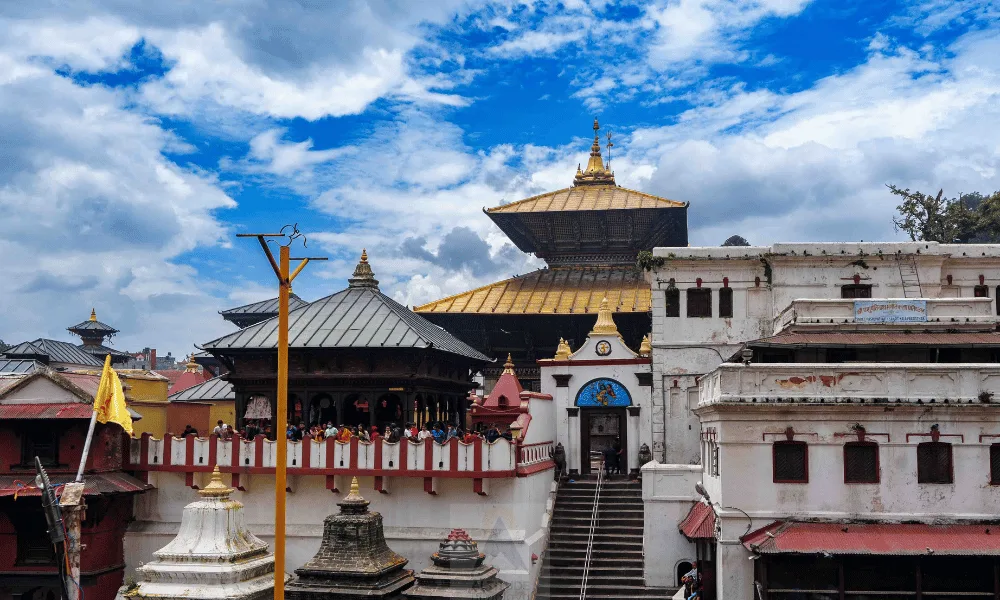
Pashupatinath Temple, a UNESCO World Heritage Site, is one of the most sacred Hindu temples in the world and an important center of devotion dedicated to Lord Shiva. Situated on the banks of the holy Bagmati River in Kathmandu, Nepal, this ancient temple complex holds immense religious, historical, and cultural significance. Renowned for its traditional pagoda-style architecture, intricate wood carvings, sacred shrines, and vibrant religious ceremonies, Pashupatinath attracts thousands of pilgrims, devotees, and international visitors every year. For many Hindus, a visit to this sacred destination is an opportunity to offer prayers, seek blessings, and strengthen their spiritual connection with Lord Shiva. For travelers interested in Nepal’s cultural heritage, the temple provides a fascinating introduction to the country’s religious traditions, artistic achievements, and long-standing spiritual practices.
World Trade Travel & Tours Pvt. Ltd. offers an enriching guided Pashupatinath Temple Tour designed to help visitors understand the deeper meaning behind this revered destination. Accompanied by an experienced guide, you will explore the temple complex while learning about its religious importance, historical background, architectural features, and daily rituals. Rather than simply viewing the temple as a historic monument, the tour provides insight into the living traditions that continue to shape its atmosphere. From the sound of temple bells and the chanting of prayers to the sight of devotees making offerings and sadhus engaging in spiritual practices, every part of the visit offers an opportunity to appreciate the close relationship between faith, culture, and everyday life in Nepal.
Your experience begins with a comfortable pick-up from your hotel in Kathmandu, followed by a drive to the Pashupatinath Temple complex. As you approach the sacred area, the surroundings gradually reveal a lively atmosphere shaped by pilgrims, worshippers, vendors, priests, and visitors from different parts of Nepal and beyond. Upon entering the accessible areas of the complex, you will discover a collection of temples, shrines, courtyards, and traditional structures that reflect centuries of religious devotion and artistic craftsmanship. Your guide will introduce you to the history of Pashupatinath and explain how the site developed into one of the most important centers of Shaivite worship in South Asia.
One of the most striking features of the complex is the main pagoda-style temple, distinguished by its tiered roof, richly decorated wooden elements, and traditional Nepalese craftsmanship. The sacred Shiva Lingam inside the main sanctum represents Lord Shiva and remains the central focus of worship for Hindu devotees. Your guide will explain the symbolism associated with Shiva and the spiritual meaning of the offerings, prayers, and ceremonies performed at the temple. The site has a long history, with references to its existence dating back at least to the fifth century, although the structures visible today reflect different periods of construction, renovation, and restoration. These layers of history make Pashupatinath an important example of Nepal’s enduring religious and architectural heritage.
As you explore the surrounding grounds, you will encounter smaller shrines, stone sculptures, sacred images, and courtyards that contribute to the complex’s distinctive character. Intricate carvings and traditional architectural details reveal the artistic skill of generations of craftspeople, while inscriptions and religious monuments offer clues to the development of worship at the site. Your guide will help you understand the significance of the different shrines and explain how the temple complex functions as a living place of pilgrimage rather than simply a historical attraction. You may also observe devotees offering flowers, lighting incense, presenting ritual items, or quietly sitting in prayer. These moments provide a meaningful glimpse into the personal and communal expressions of Hindu faith.
A particularly fascinating aspect of the Pashupatinath Temple Tour is the opportunity to learn about the diverse traditions associated with Lord Shiva. As a deity connected with meditation, asceticism, transformation, and the cycle of existence, Shiva holds a special place in Hindu philosophy and worship. The temple’s atmosphere reflects these themes through its sacred symbols, religious ceremonies, and the presence of ascetics who devote themselves to spiritual practice. Your guide will explain the cultural background of these traditions and help you appreciate their importance within Nepalese society. Visitors who approach the site with curiosity and respect can gain a deeper understanding of how religious beliefs influence local customs, festivals, family traditions, and the broader cultural identity of the Kathmandu Valley.
Another memorable part of the visit is the opportunity to observe the saffron-clad sadhus, or Hindu ascetics, who are often associated with the Pashupatinath area. Their distinctive appearance, traditional markings, and spiritual practices make them a recognizable part of the temple’s cultural landscape. Many sadhus follow paths of renunciation and devote themselves to meditation, prayer, and the pursuit of spiritual understanding. Your guide can provide background on their role in Hindu religious life and explain the symbolism of their clothing and practices. Some may be willing to interact with visitors, but it is important to approach them politely, ask permission before taking photographs, and respect their personal boundaries. This respectful approach helps preserve the dignity of the people whose spiritual lives form part of the temple’s living heritage.
The sacred Bagmati River is another essential element of the Pashupatinath experience. Flowing beside the temple complex, the river holds deep religious significance for many Hindus and serves as the setting for a variety of rituals and ceremonies. Along its banks, visitors may observe people offering prayers, performing traditional rites, or paying their respects to deceased family members. The riverfront illustrates how religious practice at Pashupatinath extends beyond the main temple building into the surrounding landscape. It is a place where devotion, remembrance, and reflection come together, revealing the importance of sacred geography in Hindu belief. Your guide will explain the customs associated with the river and help you understand why it remains central to the spiritual life of the complex.
One of the most moving areas of the complex is Arya Ghat, where Hindu cremation rites take place along the Bagmati River. These ceremonies reflect beliefs concerning the cycle of life, death, and rebirth, as well as the importance of performing traditional rites for departed family members. Observing this aspect of the temple complex can provide valuable cultural insight, but it should always be done with sensitivity and discretion. Cremation ceremonies are deeply personal events for the families involved, so visitors should maintain a respectful distance, avoid intrusive photography, and follow the guidance of their tour leader. This part of the visit offers an opportunity to reflect on the ways religious traditions help communities understand mortality, honor loved ones, and express their beliefs about spiritual continuity.
For visitors who join an evening tour, the aarti ceremony along the Bagmati River can be one of the most memorable highlights. During this devotional ritual, priests perform coordinated movements with illuminated oil lamps while chants, devotional music, and prayers fill the surrounding space. The warm glow of the lamps against the evening sky creates a powerful visual atmosphere, while the collective participation of worshippers reflects the importance of shared devotion. The ceremony is not simply a performance for visitors; it is a religious observance rooted in established Hindu traditions. Watching respectfully from the designated public areas allows you to appreciate its spiritual significance while avoiding disruption to worshippers. The evening aarti provides a moving conclusion to the visit, combining sound, light, ritual, and collective faith in a memorable experience.
In addition to the main temple and riverfront ceremonies, the tour explores other accessible shrines and religious structures within the Pashupatinath complex. These include sacred images, smaller temples, traditional courtyards, and monuments associated with different aspects of Hindu worship. As you move through the grounds, your guide will point out architectural details and explain the stories and beliefs connected with selected sites. You will also gain a better understanding of how the complex accommodates different forms of worship, pilgrimage, remembrance, and religious service. Each corner reveals another dimension of the site’s cultural importance, making the visit especially rewarding for travelers who wish to look beyond the best-known landmarks and discover the traditions that give Pashupatinath its distinctive identity.
Throughout the tour, World Trade Travel & Tours Pvt. Ltd. aims to provide an informative and comfortable experience that balances sightseeing with cultural understanding. Your guide will help explain unfamiliar customs, answer questions about the temple’s history, and provide context for the rituals and traditions you encounter. Since Pashupatinath is an active religious site, the experience may vary according to the time of day, festival calendar, and local religious activities. Some areas may be restricted to non-Hindu visitors, and access to particular shrines or ceremonies depends on the rules in force at the time of your visit. Following these guidelines is an important part of responsible travel and helps ensure that the temple remains a welcoming and sacred place for worshippers.
At the end of the tour, you will be transferred comfortably back to your hotel in Kathmandu. As you leave the temple complex, you will carry with you more than photographs of its architecture and riverfront scenery. The experience offers a deeper appreciation of Nepal’s religious diversity, traditional craftsmanship, and enduring spiritual heritage. Whether you visit to learn about Hindu philosophy, explore an important UNESCO World Heritage Site, observe traditional ceremonies, or simply spend time in a place of reflection, the Pashupatinath Temple Tour provides a meaningful introduction to one of Kathmandu’s most significant cultural landmarks.
With World Trade Travel & Tours Pvt. Ltd., your visit becomes an opportunity to explore the history, rituals, and living traditions that make Pashupatinath so extraordinary. From the intricate details of the main temple to the sacred atmosphere along the Bagmati River, each part of the journey reveals another aspect of Nepal’s spiritual identity. Whether you are a cultural enthusiast, a history lover, a spiritual traveler, or a first-time visitor to Kathmandu, this guided tour offers an enriching experience that connects you with the heart of Nepalese religious life and leaves you with lasting memories of this remarkable sacred destination.
Upon arrival at Tribhuvan International Airport, our representative from World Trade Travel & Tours Pvt. Ltd. will warmly welcome you and assist with your transfer to the hotel. After check-in and some time to relax and refresh, we begin exploring the cultural and spiritual highlights of Kathmandu with a visit to Boudhanath Stupa, one of the largest Buddhist stupas in the world and a significant center of Tibetan Buddhism. As you walk around the magnificent white dome, observe Tibetan monks chanting prayers, devotees spinning colorful prayer wheels, and pilgrims circling the stupa in a peaceful atmosphere. Colorful prayer flags flutter above the monument, creating a serene setting for reflection and offering a fascinating introduction to Nepal’s rich Buddhist heritage.
Later, we visit Swayambhunath Stupa (Monkey Temple), an ancient hilltop shrine revered by both Hindus and Buddhists. Climbing toward the iconic stupa, you can admire its golden spire, watchful Buddha eyes, and intricate religious symbols while enjoying breathtaking panoramic views of the Kathmandu Valley. This sacred site symbolizes enlightenment and harmony between religious traditions, making it one of the valley’s most remarkable landmarks. In the evening, enjoy a traditional Nepali welcome dinner accompanied by lively cultural dance performances, offering a delightful introduction to the country’s cuisine, music, and customs. After this memorable first day, return to the hotel for a comfortable overnight stay in Kathmandu.
After an early breakfast at the hotel, we set out for Pashupatinath Temple, Nepal’s most sacred Hindu temple, dedicated to Lord Shiva. Located on the banks of the holy Bagmati River, this revered pilgrimage site is renowned for its spiritual significance, ancient architecture, and centuries-old religious traditions. Accompanied by our expert guide, you will explore the temple complex while learning about its fascinating history, Hindu mythology, and cultural importance. Along the way, admire the intricately carved statues, smaller shrines, and traditional pagoda-style architecture, while observing devotees offering prayers, performing rituals, and making offerings to Lord Shiva.
One of the most significant areas we visit is Arya Ghat, the traditional cremation site along the Bagmati River, where Hindu funeral rites are performed according to ancient customs. This sacred place offers insight into Hindu beliefs about mortality, spiritual liberation, and the eternal cycle of life and death. You may also encounter sadhus, or Hindu ascetics, whose distinctive appearances and dedicated spiritual practices reflect different paths of devotion. With guidance from our knowledgeable tour guide, you will gain a deeper understanding of their way of life and the religious traditions that make Pashupatinath such an important spiritual destination.
In the evening, we return to Pashupatinath Temple to witness the mesmerizing Bagmati Aarti ceremony. As dusk settles over the riverbanks, priests perform devotional rituals with glowing oil lamps, accompanied by rhythmic chants, sacred hymns, and the resonant sound of temple bells. The flickering lights reflected on the Bagmati River create a captivating atmosphere filled with devotion and reverence. This spiritual ceremony offers a memorable opportunity to experience Nepal’s living religious traditions firsthand. After witnessing this deeply moving ritual, we return to the hotel for a relaxing evening and a peaceful overnight stay in Kathmandu.
After breakfast at the hotel, we continue our spiritual and cultural exploration with a visit to Patan Durbar Square, a UNESCO World Heritage Site celebrated for its remarkable Newari architecture, ancient temples, royal palaces, and beautifully crafted courtyards. As we stroll through this historic square, you will discover the artistic brilliance and cultural heritage of the Kathmandu Valley. We explore Krishna Mandir, an elegant stone temple dedicated to Lord Krishna, admire the intricate metalwork and peaceful atmosphere of the Golden Temple, and visit other sacred shrines that reflect Nepal’s rich religious diversity and centuries-old traditions. The square offers wonderful opportunities to appreciate traditional craftsmanship, observe local religious practices, and capture memorable photographs of Nepal’s architectural treasures.
Next, we travel to Dakshinkali Temple, an important Hindu pilgrimage site located on the southern outskirts of Kathmandu and dedicated to Goddess Kali, a powerful manifestation of the divine feminine. Surrounded by lush greenery and a peaceful natural setting, the temple attracts devotees seeking blessings for protection, strength, and prosperity. Here, you can observe local worshippers performing traditional rituals and gain insight into the temple’s deep-rooted spiritual significance. Our journey then continues to Pharping Monastery, a renowned Buddhist pilgrimage destination associated with Guru Rinpoche, also known as Padmasambhava, who is believed to have meditated in this sacred area. Surrounded by hills, monasteries, and prayer flags, Pharping offers a tranquil atmosphere for reflection and an opportunity to learn about Nepal’s Buddhist heritage and meditation traditions.
In the evening, you will have free time to explore Kathmandu at your own pace. You may browse local shops for traditional handicrafts, prayer flags, handmade souvenirs, and other Nepalese products, or enjoy a leisurely walk through the lively streets and charming neighborhoods. Alternatively, relax at a local café and reflect on the day’s cultural and spiritual experiences. After a rewarding day of temple visits, historic discoveries, and peaceful surroundings, return to the hotel for a comfortable overnight stay in Kathmandu.
On the final day of your spiritual journey, enjoy breakfast at the hotel before spending some leisurely time exploring Kathmandu at your own pace. Depending on your interests and departure schedule, you may browse the local markets for traditional handicrafts, souvenirs, prayer flags, and other Nepalese treasures to take home as lasting memories of your visit. Alternatively, enjoy a peaceful stroll through the Garden of Dreams, a beautifully landscaped historic garden in the heart of Kathmandu, featuring elegant pavilions, fountains, and tranquil green spaces that provide a refreshing escape from the city’s bustling streets.
If your flight schedule allows, we can also arrange an optional visit to Budhanilkantha Temple, an important Hindu pilgrimage site famous for its magnificent stone statue of Lord Vishnu reclining on the coils of the cosmic serpent in a sacred pond. Surrounded by a peaceful setting, this remarkable shrine offers another opportunity to experience Nepal’s rich religious traditions and admire its unique sacred art. The visit can be arranged according to your available time and departure arrangements.
At the appropriate time, our team from World Trade Travel & Tours Pvt. Ltd. will provide your transfer to Tribhuvan International Airport for your onward journey. As your memorable Pashupatinath Temple tour comes to an end, depart Kathmandu with cherished memories of its sacred temples, ancient heritage, vibrant culture, and heartfelt hospitality. May the blessings of Lord Shiva accompany you on your journey home, leaving you with the unforgettable spiritual essence of Kathmandu and a desire to return to Nepal again.
| Start Date | End Date | Price | Space Left | |
|---|---|---|---|---|
| February 3, 2025 Friday | February 28, 2025 Monday | $ 2877 | 07 | Book |
| March 4, 2025 Friday | February 24, 2025 Monday | $ 2879 | 09 | Book |
| March 23, 2025 Sunday | April 16, 2025 Tuesday | $ 2880 | 05 | Book |
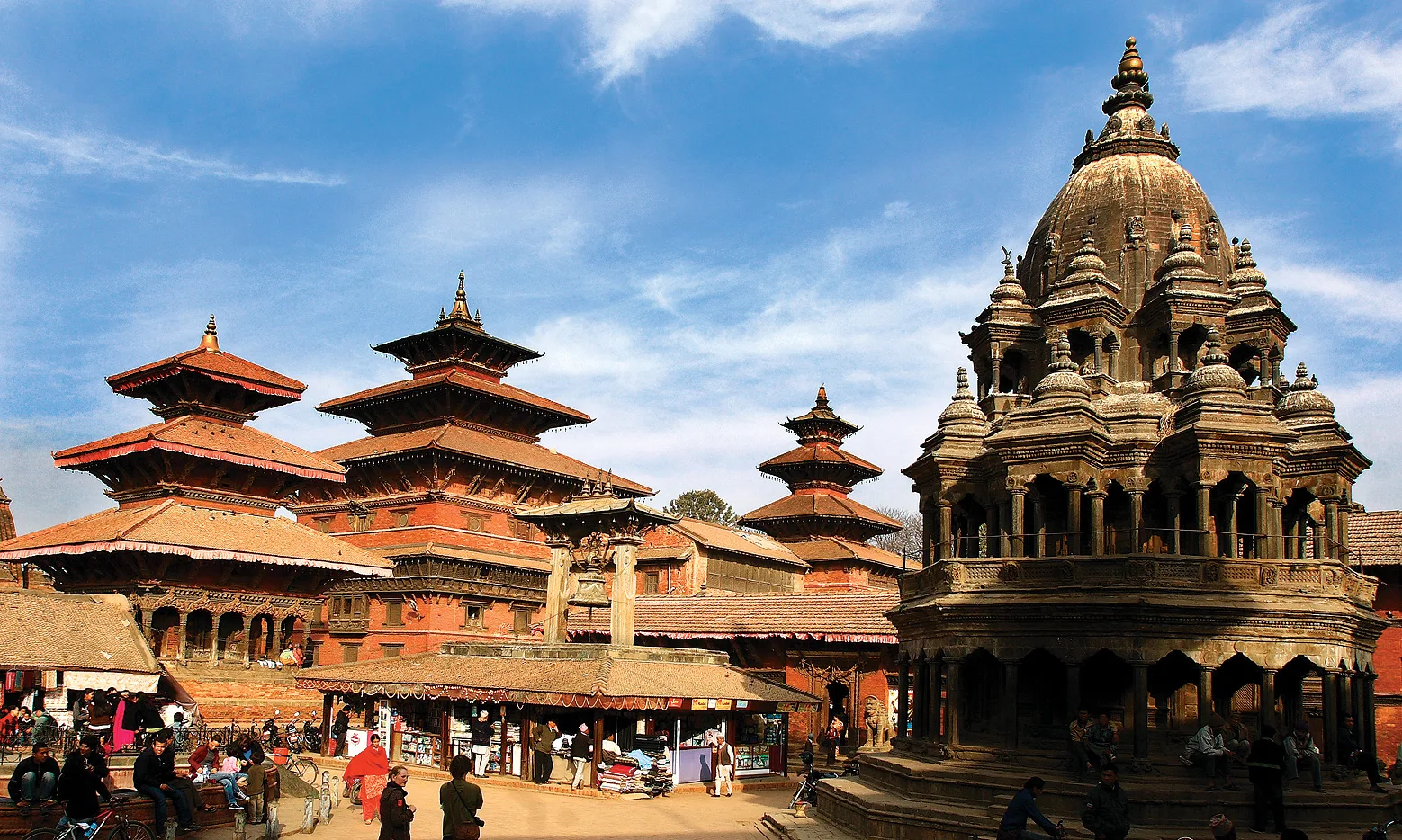
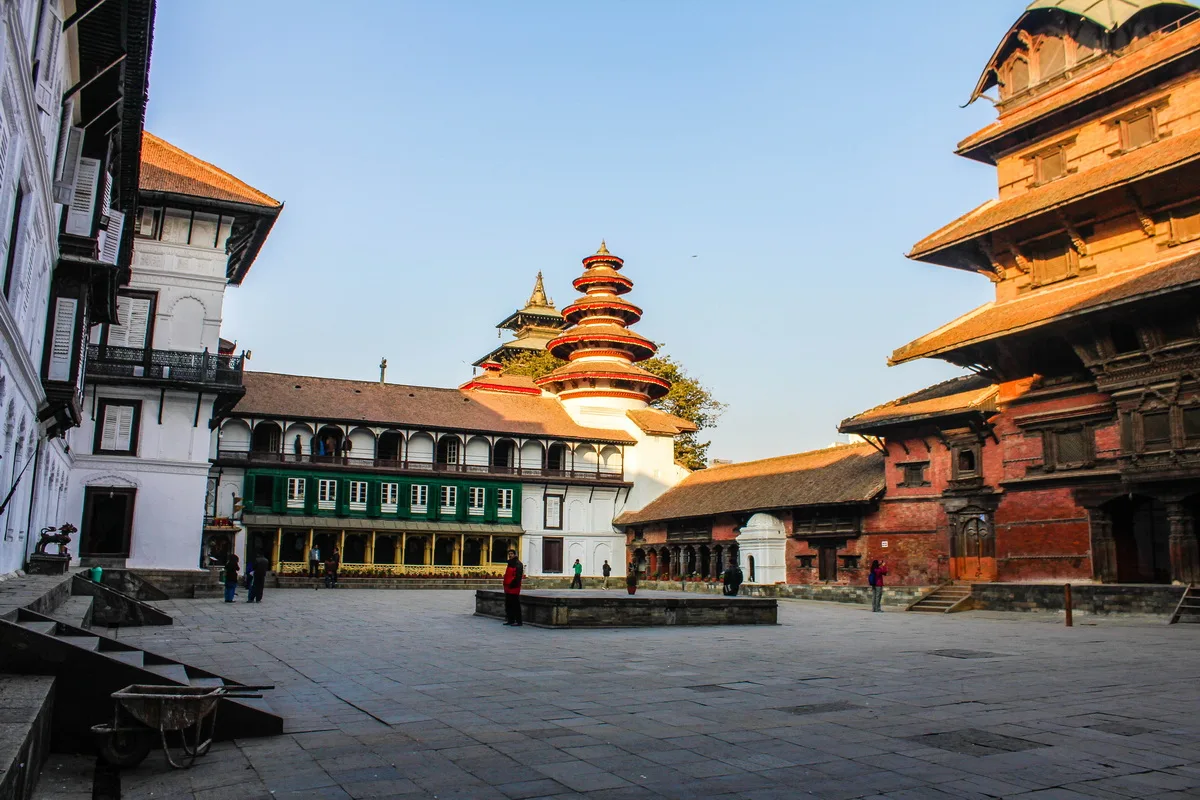
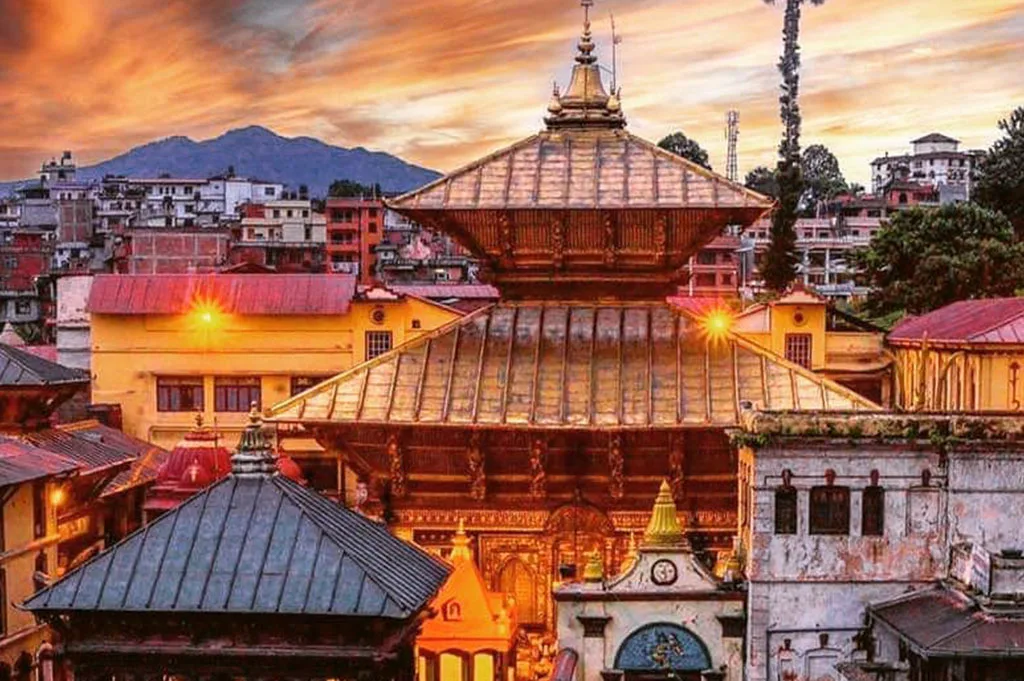
The Pashupatinath Temple Tour Package is a 4-day, 3-night cultural and heritage journey through Kathmandu Valley, Nepal, designed for travelers who wish to explore the region’s sacred landmarks, historical monuments, traditional architecture, and diverse cultural traditions. The tour combines visits to important Hindu temples, Buddhist stupas, ancient palace squares, and monasteries, offering a balanced introduction to Nepal’s religious heritage and everyday cultural life. From the spiritual atmosphere surrounding Pashupatinath Temple to the artistic beauty of Patan Durbar Square and the peaceful courtyards of Buddhist monuments, travelers can experience different aspects of Kathmandu Valley’s longstanding traditions. The tour begins and ends in Kathmandu, with airport transfers, hotel accommodation, guided sightseeing, and scheduled transportation arranged according to the confirmed itinerary. With a maximum elevation of approximately 1,300 meters, this is a low-altitude sightseeing experience that does not require trekking experience, specialized equipment, or high-altitude acclimatization. It is suitable for cultural enthusiasts, history lovers, families, pilgrims, photographers, and visitors interested in understanding Nepal’s living heritage. The pace of the journey is intended to allow travelers to appreciate each destination while leaving some flexibility for local conditions, traffic, and religious activities.
Spring, from March to May, and autumn, from September to November, are generally considered favorable seasons for exploring Kathmandu Valley. Spring brings comparatively pleasant temperatures, flowering gardens, and comfortable conditions for walking through temple courtyards, heritage squares, and traditional neighborhoods. Autumn often offers clear skies, good visibility, and agreeable daytime weather following the summer monsoon, making it an attractive period for cultural sightseeing and photography. Winter, from December to February, can also be suitable for visiting temples and monuments, although mornings and evenings may be cold and warmer clothing is advisable. The monsoon season, generally from June to September, brings increased rainfall, humidity, wet walking surfaces, and occasional traffic delays. Outdoor sightseeing can still be possible, but travelers should carry rain protection and allow extra time for transfers. Major Hindu and Buddhist festivals can add special cultural interest to the journey, although busy temple grounds, road closures, and changes to local schedules may occur during these periods. Travelers planning their visit around a particular festival or ceremony should confirm the dates and expected arrangements in advance.
Airport pickup and drop-off at Tribhuvan International Airport are included in the package, subject to the final booking confirmation. Upon arrival, travelers will be met according to the agreed pickup arrangements and transferred to their hotel in Kathmandu. To coordinate the service smoothly, guests should provide their airline, flight number, arrival time, departure time, and a reachable contact number before the trip. They should also notify the operator promptly if a flight is delayed, cancelled, or changed. Private ground transportation is arranged for scheduled sightseeing and transfers according to the confirmed itinerary and group size. The type of vehicle may vary depending on the number of participants, luggage requirements, road conditions, and availability. Kathmandu’s traffic can be unpredictable, particularly during rush hours, festivals, and busy tourist seasons, so journey times may vary even for relatively short distances. Travelers are encouraged to keep their belongings secure while entering or leaving the vehicle and to carry essential personal items during sightseeing. Any additional transfers, unscheduled detours, or transportation required for optional activities should be discussed with the operator in advance to clarify availability and possible additional charges.
The package includes three nights of hotel accommodation in Kathmandu, providing a convenient base for exploring the city’s religious landmarks, historic districts, and cultural attractions. Rooms are generally arranged on a twin-sharing basis, subject to hotel availability and the final booking confirmation. The specific hotel name, category, facilities, check-in arrangements, and room configuration should be confirmed before reservation so travelers understand the accommodation standard included in the package. Guests who prefer a private room may request a single-room arrangement, which may involve an additional supplement. Travelers sharing a room should communicate any relevant preferences to the tour operator when booking. Hotel facilities may include services such as Wi-Fi, hot water, luggage storage, dining facilities, and laundry, but the availability of individual amenities depends on the selected property. Check-in and checkout times are determined by the hotel’s policies, and early check-in or late checkout may not be guaranteed without prior arrangement. If guests arrive before their rooms are available, they can ask the hotel whether luggage storage is possible. Travelers with specific accommodation needs, including accessibility requirements, dietary considerations for breakfast, or preferences regarding room location, should inform the operator as early as possible.
The package includes daily hotel breakfast and one traditional Nepali welcome dinner accompanied by a cultural performance, as specified in the confirmed arrangements. Breakfast provides an opportunity to begin each sightseeing day before setting out to explore the Kathmandu Valley. The welcome dinner introduces travelers to Nepalese cuisine and cultural traditions in a relaxed setting. Lunches and other dinners are generally not included, giving guests the flexibility to choose restaurants and meals according to their preferences and sightseeing schedule. Kathmandu offers a broad range of dining options, from traditional Nepali dishes such as dal bhat, momo, and other regional specialties to vegetarian meals and international cuisine. Travelers may wish to ask their guide for restaurant suggestions near the sightseeing locations or hotel. Those with food allergies, dietary restrictions, or specific meal requirements should inform the operator before arrival so suitable options can be discussed. Guests should clarify which meals are included on each day and whether breakfast is available when an early departure is required. Meals ordered outside the package, snacks, beverages, minibar items, and special dining arrangements are normally personal expenses unless explicitly confirmed as included.
An English-speaking guide accompanies the scheduled sightseeing activities and helps travelers understand the historical, architectural, religious, and cultural importance of the destinations. Rather than simply visiting monuments, guests can learn about the traditions associated with sacred sites, the development of Kathmandu Valley’s historic settlements, and the artistic details found in temples, stupas, shrines, and palace squares. The published itinerary includes Pashupatinath Temple, Boudhanath Stupa, Swayambhunath Stupa, Patan Durbar Square, Dakshinkali Temple, and Pharping Monastery, subject to the final confirmed schedule. Each destination offers a different perspective on Nepal’s cultural heritage, from Hindu religious practices and Buddhist pilgrimage traditions to traditional Newari architecture and local community life. The guide can also help explain appropriate behavior at religious sites, photography restrictions, footwear requirements, and other customs that visitors may encounter. Sightseeing order and duration may be adjusted in response to traffic, weather, religious ceremonies, opening hours, or other local circumstances. Travelers who require a guide speaking a language other than English should make their request before booking, as availability and any additional charges need to be confirmed in advance.
Pashupatinath Temple is one of Nepal’s most important Hindu religious complexes and is dedicated to Lord Shiva. Situated beside the sacred Bagmati River, the complex is an important destination for worshippers and a significant place for observing Hindu religious traditions. Visitors may encounter shrines, temple courtyards, religious offerings, sadhus, and ceremonies connected with worship and remembrance. Entry to the main temple sanctum is restricted to Hindus, and non-Hindu visitors are not permitted to enter that area. Non-Hindu guests can visit permitted sections of the complex and view the principal temple from designated locations across the Bagmati River, subject to the rules in force at the time of their visit. Other shrines, inner courtyards, and ceremonial spaces may also have separate access restrictions. At Pashupatinath and other religious destinations, visitors should follow the guide’s instructions, observe signs, and respect requests from temple authorities. Religious services, personal offerings, and special puja ceremonies should not be assumed to be included in the package. Travelers interested in participating in a particular ritual should ask the operator about the appropriate arrangements, eligibility, expected duration, and any additional costs. Maintaining a respectful attitude helps ensure that sightseeing does not interfere with worshippers or ongoing ceremonies.
Modest, comfortable clothing is recommended throughout the tour, particularly when visiting temples, monasteries, shrines, and other religious locations. Clothing that covers the shoulders and knees is generally a practical choice, while a light scarf or shawl can provide additional coverage when needed. Some sacred spaces require visitors to remove their shoes before entering, so footwear that can be taken off and put on easily is useful. Comfortable walking shoes with a good grip are recommended for heritage squares, stone paths, steps, and temple courtyards, where surfaces may be uneven or slippery after rain. Lightweight clothing is useful during warmer months, while a sweater or jacket can provide comfort during cool mornings and evenings in winter. Travelers visiting during the monsoon should consider carrying a compact umbrella or rain jacket. Sun protection, including a hat, sunglasses, and sunscreen, can be useful during outdoor sightseeing. Guests should also be prepared to follow site-specific instructions regarding clothing, footwear, head coverings, and access to sacred areas, as requirements may differ between destinations.
This package is primarily a cultural sightseeing tour and does not involve strenuous trekking, technical climbing, or high-altitude travel. Nevertheless, travelers should expect a moderate amount of walking during visits to temple complexes, monasteries, traditional neighborhoods, and historical squares. Some attractions have stone stairways, uneven paving, crowded passages, or limited seating, and visitors may need to stand for periods while listening to the guide or observing ceremonies. Walking distances and the amount of time spent outdoors can vary according to the final itinerary and local conditions. Comfortable footwear, regular hydration, and short rest breaks can help make the experience more enjoyable. Travelers who have difficulty walking for extended periods, use mobility aids, or require wheelchair access should inform the tour operator before confirming their booking. Accessibility varies between heritage sites, and ramps, elevators, smooth pathways, and accessible restroom facilities may not be available everywhere. The operator can discuss practical arrangements, possible route adjustments, and transportation options, although full accessibility cannot be guaranteed at every destination. Families traveling with children and guests who prefer a slower pace should also communicate their needs in advance so the daily schedule can be reviewed.
Kathmandu Valley offers many opportunities for photography, including traditional architecture, historic courtyards, colorful prayer flags, carved wooden windows, stupas, and street scenes. However, photography is not permitted everywhere, and restrictions may apply inside temples, shrines, monasteries, museums, and designated religious areas. Travelers should look for posted notices and ask their guide or site staff before taking photographs in uncertain locations. Permission should be obtained before photographing individuals, especially sadhus, monks, worshippers, and local residents. Some people may decline to be photographed, and their wishes should always be respected. At Arya Ghat and other cremation areas beside the Bagmati River, visitors should maintain a respectful distance from funeral and cremation ceremonies, avoid intrusive photography, and refrain from actions that could disturb grieving families. Speaking quietly, avoiding unnecessary physical contact with sacred objects, and following instructions from religious authorities are important ways to demonstrate respect. Visitors should also be mindful of their surroundings when taking photographs, particularly in crowded courtyards and narrow passages. Observing these simple customs allows travelers to appreciate Nepal’s cultural and religious traditions while helping preserve the dignity of the places and people they encounter.
Kathmandu Valley experiences seasonal variations that can influence comfort, visibility, and sightseeing arrangements. Spring and autumn often provide pleasant conditions for walking and exploring outdoor attractions, while summer can be warmer and more humid. Winter mornings and evenings may feel cold, particularly when sightseeing begins early or finishes after sunset. The summer monsoon brings rainfall that can make stone pathways slippery and contribute to traffic congestion or delays. Travelers should check the local forecast before departure and pack clothing suitable for the expected conditions. A light jacket or sweater, comfortable shoes, sun protection, and a compact umbrella or rain jacket are useful additions to most travel bags. Weather may also affect outdoor photography, garden visits, and time spent around open temple courtyards. Traffic, public events, religious festivals, and special ceremonies can further influence travel times and access to individual attractions. The tour operator may adjust the order of visits or modify the schedule when necessary, with the aim of maintaining a practical and comfortable experience. Travelers should remain flexible when minor changes are required and confirm any major itinerary adjustments with the guide or operator.
Travelers should carry a valid passport or other appropriate identification, booking confirmation, flight details, and the travel documents required for entry into Nepal. International visitors should keep their visa documentation accessible where applicable. Comfortable walking shoes, modest clothing for temple visits, and a light jacket suitable for the season are recommended. A hat, sunglasses, sunscreen, and a reusable water bottle can help during outdoor sightseeing, while a small daypack provides convenient space for personal essentials. Visitors who take prescription medication should bring an adequate supply for the trip and keep it in its original packaging when practical. Personal hygiene items, basic first-aid supplies, and any necessary medical equipment should also be packed according to individual needs. Carrying some Nepalese rupees is useful for purchasing snacks, souvenirs, handicrafts, and other personal items, as well as for optional religious offerings. A small amount of cash may be convenient for places where card payments are unavailable, although travelers should keep money and valuables secure. International travelers should also have travel insurance information, emergency contacts, and copies of important documents stored separately from the originals. Packing light while keeping essential items accessible will make airport transfers and daily excursions easier.
Travelers are encouraged to arrange suitable travel insurance before departure, including coverage for medical emergencies, trip cancellation, travel delays, and unexpected disruptions. Although the tour takes place at a relatively low elevation, guests should take ordinary precautions when walking through crowded areas, crossing roads, or navigating uneven stone surfaces. Keep personal belongings secure in markets, busy public places, and transportation vehicles, and avoid carrying unnecessary valuables during sightseeing. Drink safe water, maintain regular hydration, and take breaks when needed, particularly during warm weather or long periods outdoors. Travelers should bring any essential personal medication and inform the tour operator in advance if they have mobility requirements or other needs that may affect participation in scheduled activities. Anyone who requires urgent medical attention should notify the guide or tour operator promptly so appropriate assistance can be sought. Guests should also keep emergency contact information readily available and follow local safety instructions at religious sites and public attractions. Travel insurance is particularly useful for international visitors because medical treatment, schedule changes, or missed connections can create unexpected expenses. Insurance coverage should be reviewed carefully, as exclusions and claim conditions vary between providers.
International travelers should check Nepal’s current entry requirements and visa procedures before departure, as requirements can differ according to nationality, travel purpose, and passport type. A valid passport, applicable visa documentation, flight details, accommodation information, and booking confirmation should be kept ready for the journey. Travelers should ensure that their passport meets the validity requirements applicable to their circumstances and that their travel documents contain accurate personal and itinerary details. Visa fees and international airfare are not included in this package unless specifically stated in the final booking confirmation. Visitors who are uncertain about visa eligibility, application procedures, or permitted length of stay should consult the relevant Nepalese authorities or official immigration resources before traveling. It is advisable to keep digital copies of important documents and store the originals securely while sightseeing. Travelers should also confirm their return flight details and allow adequate time for airport transfers and departure formalities. The tour operator can provide general booking information, but responsibility for obtaining the correct travel documents remains with each traveler.
The package includes airport pickup and drop-off at Tribhuvan International Airport, three nights of hotel accommodation in Kathmandu, daily hotel breakfast, and one traditional Nepali welcome dinner accompanied by a cultural performance, according to the confirmed arrangements. Private ground transportation is provided for scheduled sightseeing and transfers, with the vehicle selected according to the group size and operational requirements. An English-speaking tour guide accompanies the planned visits and provides information about the historical, cultural, architectural, and religious significance of the destinations. Applicable entry fees for the sites specifically listed in the confirmed itinerary are included, along with the guided experience of the evening Bagmati Aarti ceremony. Bottled drinking water is provided during sightseeing if confirmed in the final package arrangements. Travelers should review the detailed itinerary and inclusions before booking to understand exactly which sites, transfers, meals, and services are covered. Any service that depends on availability, local rules, or optional arrangements should be clarified with the operator in writing. Hotel upgrades, private-room supplements, additional activities, and special requests should not be assumed to be included unless they appear in the confirmed booking documentation.
International and domestic airfare, lunches, and dinners other than the included welcome dinner are not included unless explicitly stated in the final booking confirmation. Travel insurance, medical expenses, personal medication, laundry, telephone charges, shopping, minibar purchases, and other personal expenses are also excluded. Tips and gratuities for guides, drivers, hotel staff, and other service providers are generally at the traveler’s discretion and are not included in the package price. Personal temple donations, religious offerings, special puja services, and contributions made during visits to sacred sites are additional expenses. Optional activities, additional sightseeing outside the confirmed itinerary, hotel upgrades, single-room supplements, and transportation for unscheduled detours may incur extra charges. Costs arising from personal itinerary changes or services requested beyond the agreed arrangements should be clarified with the operator before they are confirmed. Travelers should carefully review the inclusions and exclusions to avoid misunderstandings about the final cost of the trip. If a particular service is important to the traveler’s plans, it is best to request written confirmation that the service is included and to establish whether any additional fees apply.
Travelers should confirm tour availability, departure dates, the final package price, hotel arrangements, group size, and included services before making a reservation. Booking procedures may require a deposit or full payment by a specified deadline, depending on the operator’s terms and the travel date. The applicable payment schedule, accepted payment methods, cancellation charges, refund conditions, and amendment policies should be provided in writing before payment is made. Travelers should read these conditions carefully and retain their booking confirmation and payment receipts for reference. Any special requests, including private-room accommodation, dietary requirements, additional sightseeing, mobility assistance, or a guide speaking a preferred language, should be communicated as early as possible. Changes to travel dates, flight schedules, group size, or accommodation may affect availability and cost. The operator should also clarify how unexpected events, transport disruptions, adverse weather, or changes in local access rules may affect the itinerary. Final arrangements are subject to confirmation by World Trade Travel & Tours Pvt. Ltd., and travelers should avoid assuming that a requested service or change has been approved until written confirmation has been received.
For reservations, availability, and further information about the Pashupatinath Temple Tour Package, travelers can contact World Trade Travel & Tours Pvt. Ltd. by telephone at +977 9767982743 or by email at travelworldtrade@gmail.com. When making an enquiry, it is helpful to provide the intended travel dates, number of travelers, preferred room arrangement, arrival and departure flight details if available, and any special requirements. The operator can then confirm availability, the applicable package price, hotel arrangements, transportation, guide services, and the final itinerary. Travelers should request clarification about any optional activities, entry fees, meal arrangements, or additional charges before completing their booking. Keeping communication and booking documents in writing can help prevent misunderstandings and provide a useful reference if changes are required. Since prices, schedules, hotel availability, and local arrangements can change, the latest information should be confirmed directly with the operator before departure.
This tour is designed to provide a respectful and informative introduction to Kathmandu Valley’s religious traditions, cultural landmarks, historical architecture, and local heritage. Travelers are encouraged to approach sacred places with sensitivity, follow the instructions of guides and site authorities, and observe the customs that apply to each destination. Access to particular temple areas, photography permissions, ceremony schedules, and local visitor rules may change according to religious activities or official decisions. Weather, traffic, festivals, and other local conditions can also influence the sequence and duration of sightseeing. The operator may need to make reasonable adjustments to the itinerary when circumstances require, and travelers should remain flexible when minor changes are necessary. Optional activities, hotel facilities, entry regulations, transportation arrangements, and other services may vary according to availability and the final booking confirmation. All package-specific details, including price, inclusions, exclusions, payment terms, and cancellation conditions, should be verified with World Trade Travel & Tours Pvt. Ltd. before departure. By preparing appropriately and respecting local traditions, travelers can enjoy a more comfortable and meaningful visit to Kathmandu while gaining a deeper appreciation of Nepal’s cultural and spiritual heritage.