Three Pass Trek
Price From: N/A
16 Days/15 Nights
Embark on a memorable journey with World Trade Travel on a Nepal Tour that combines the cultural heritage, spiritual traditions, and natural beauty of Kathmandu and Chandragiri over 3 Nights and 4 Days. This thoughtfully planned getaway offers an opportunity to discover Nepal’s historic landmarks, experience its vibrant local culture, and enjoy spectacular Himalayan scenery. From ancient temples and traditional architecture to peaceful hilltop viewpoints, every part of the journey provides a glimpse into the country’s unique charm and timeless traditions.
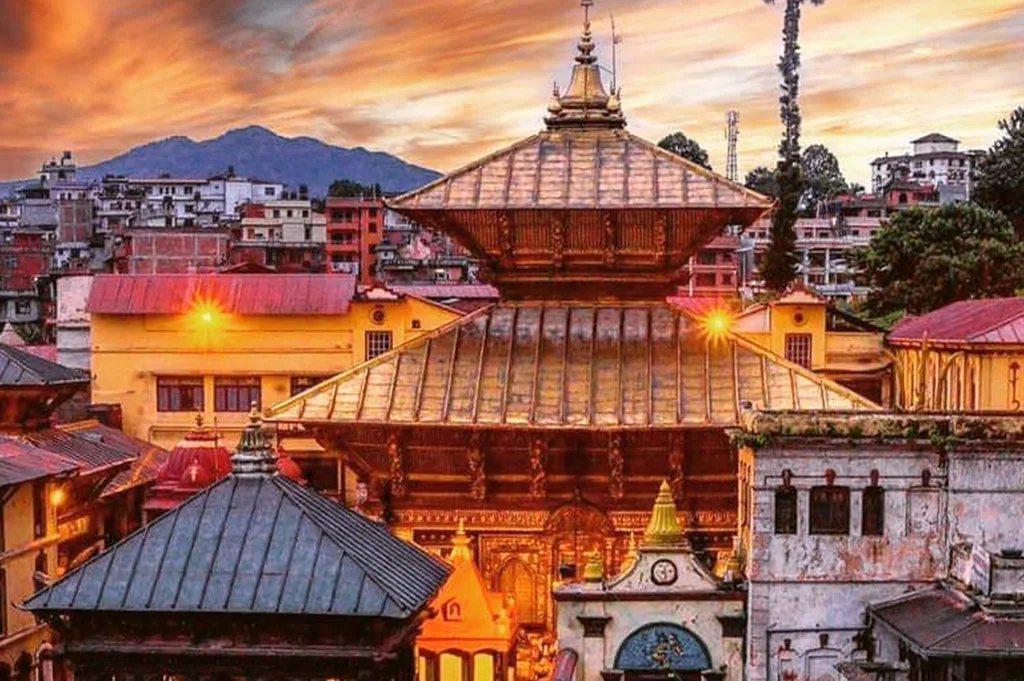
Begin your adventure in Kathmandu, Nepal’s lively capital, where centuries-old heritage blends with the rhythm of modern city life. Explore bustling markets, colorful streets, historic courtyards, and sacred religious sites that reflect the valley’s rich cultural identity. Visit renowned landmarks such as Swayambhunath Stupa, popularly known as the Monkey Temple, where Buddhist traditions and panoramic valley views create a memorable experience. Continue to Pashupatinath Temple, one of Nepal’s most revered Hindu pilgrimage sites, where you can observe the spiritual atmosphere and traditional rituals along the banks of the Bagmati River. Depending on your itinerary, explore the historic Durbar Squares of Patan and Bhaktapur, known for their intricate wood carvings, pagoda-style temples, traditional courtyards, and remarkable Newari architecture. These cultural treasures offer fascinating insights into Nepal’s history, craftsmanship, religious practices, and artistic heritage.
Your journey with World Trade Travel also includes an opportunity to experience the peaceful beauty of Chandragiri Hills, a scenic destination located on the outskirts of Kathmandu. Enjoy an exciting cable car ride toward the hilltop, where the landscape opens up to sweeping views of the Kathmandu Valley and the surrounding hills. On clear days, the distant Himalayan peaks create a spectacular backdrop, making Chandragiri a wonderful destination for photography and nature appreciation. At the summit, visit the sacred Bhaleshwor Mahadev Temple, an important Hindu shrine that adds a spiritual dimension to the excursion. The calm surroundings, fresh mountain air, and scenic viewpoints provide a refreshing contrast to the busy streets of the capital, making Chandragiri an ideal place to relax, appreciate nature, and enjoy a peaceful escape.
This World Trade Travel experience is designed to offer a balanced combination of cultural exploration, scenic sightseeing, and relaxation. Throughout the tour, you can discover Kathmandu’s historical attractions, learn about local customs, and experience the warm hospitality for which Nepal is known. Stroll through the lively streets of Thamel, browse shops selling handicrafts and souvenirs, and explore local markets filled with traditional products and everyday city life. You may also have opportunities to sample authentic Nepali cuisine, including traditional dal bhat, momos, and other regional specialties, depending on your preferences and meal arrangements.
With comfortable accommodation and organized transportation according to your selected package, this short holiday allows you to explore major attractions without the need for an extended journey. The itinerary can offer a suitable balance of guided sightseeing and personal leisure time, giving you the flexibility to enjoy each destination at a comfortable pace. Whether you are admiring the intricate details of ancient temples, observing religious traditions, taking in the panoramic views from Chandragiri Hills, or enjoying the welcoming atmosphere of Kathmandu, each experience adds something special to your Nepal visit.
Ideal for couples, families, friends, and first-time visitors, the Kathmandu and Chandragiri Tour offers an enriching introduction to Nepal within just four days. It brings together the country’s cultural landmarks, spiritual heritage, scenic landscapes, and everyday local experiences in one convenient package. Whether you seek cultural discovery, peaceful moments in nature, memorable photographs, or a relaxing city escape, this journey with World Trade Travel promises a rewarding short getaway filled with Nepal’s distinctive charm, beautiful scenery, and warm hospitality.
| Category | Hotel Options |
|---|---|
| 3-Star or Similar | Thamel Park / Kathmandu Garden Home / Skyline / Ananda Pashupati / Miraj Regency / Satkar Hotel & Spa |
| 3-Star Deluxe or Similar | Grand Hotel / Le Himalaya |
| 4-Star or Similar | Lo Mustang / Hotel Shambala |
| 4-Star Deluxe or Similar | Ramada Encore / Hotel Mulberry / The Everest |
| 5-Star or Similar | Hyatt Place / The Malla Hotel |
| 5-Star Deluxe or Similar | Hyatt Regency / The Soaltee / Gokarna Forest Resort |
| Group Size | 3-Star | 3-Star Deluxe | 4-Star | 4-Star Deluxe | 5-Star | 5-Star Deluxe |
|---|---|---|---|---|---|---|
| 2–3 Pax | 8,905 | 11,210 | 14,280 | 15,050 | 16,700 | 19,900 |
| 4–6 Pax | 8,450 | 10,750 | 13,820 | 14,600 | 16,200 | 19,500 |
| 7–9 Pax | 7,450 | 9,730 | 12,800 | 13,570 | 15,100 | 18,600 |
| 10–14 Pax | 6,800 | 9,100 | 12,160 | 12,930 | 14,500 | 17,600 |
| 15–24 Pax | 6,550 | 8,900 | 11,930 | 12,700 | 14,250 | 17,500 |
| 25–30 Pax | 6,370 | 8,700 | 11,750 | 12,510 | 14,050 | 16730 |
| Day | Program |
|---|---|
| Day 1 | Arrival in Kathmandu |
| Day 2 | Full-Day Kathmandu Sightseeing |
| Day 3 | Full-Day Chandragiri Sightseeing |
| Day 4 | Final Departure from Kathmandu |
Upon your arrival at Tribhuvan International Airport in Kathmandu, our representative will be waiting to welcome you. After greeting you, they will assist with your luggage and arrange a comfortable transfer to your hotel. Once you arrive, you can check in, settle into your room, and take some time to relax after your journey. Our team will ensure that you receive the necessary information to begin your Manaslu–Annapurna Circuit Trek with confidence.
At 6:00 PM: Tour Briefing
At 6:00 PM, we will conduct a short briefing at your hotel to introduce you to the tour program and explain the upcoming travel arrangements. During this meeting, our representative will review the itinerary, discuss important travel information, and answer any questions you may have about the journey. If any payment remains outstanding, it will be collected during the briefing. If your flight arrives after 4:00 PM, making it difficult to attend the evening meeting, the briefing will instead be arranged for the following morning at 9:00 AM. This will give you time to rest after your arrival while ensuring you receive all the essential information before the tour begins.
At 10:00 AM: Full-Day Kathmandu Sightseeing Tour
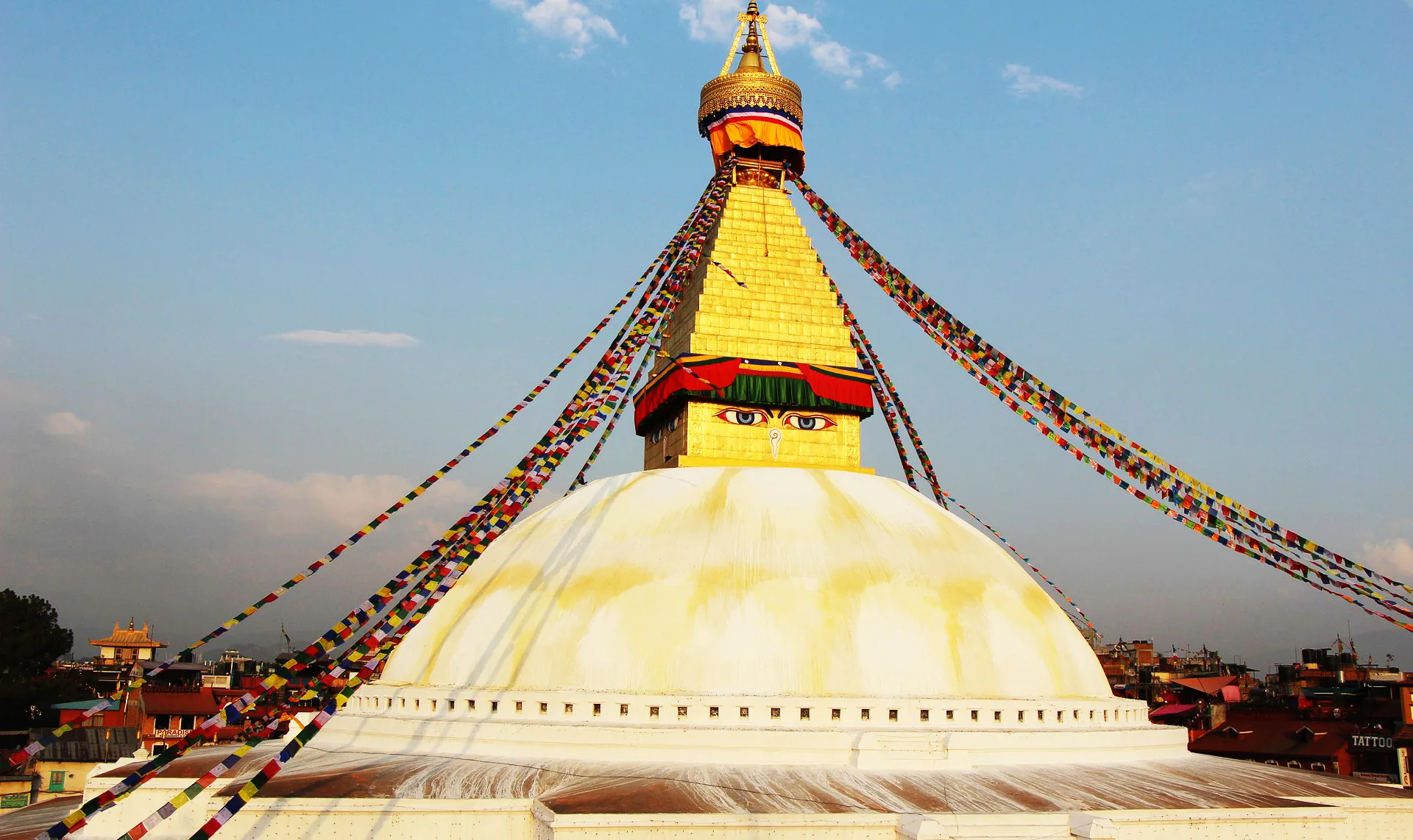
After breakfast at your hotel, you will begin a full-day sightseeing tour of Kathmandu, exploring some of the valley’s most famous religious and cultural landmarks. Your tour will include visits to Pashupatinath Temple, Boudhanath Stupa, Swayambhunath Stupa, and Kathmandu Durbar Square. Each destination offers a unique glimpse into Nepal’s rich history, traditional architecture, and Hindu and Buddhist heritage. Throughout the day, you will discover sacred temples, ancient monuments, and vibrant cultural sites while learning about their historical and religious significance. After completing your sightseeing tour, our representative will transfer you back to your hotel, where you can relax and enjoy the rest of the evening.
Optional Activity: Everest Mountain Flight
For an unforgettable Himalayan experience, you can take an optional early-morning Everest Mountain Flight departing from Kathmandu Airport at approximately 6:00 AM and returning to Kathmandu Airport. This scenic flight offers a wonderful opportunity to admire the magnificent Himalayan mountain range from the air, with views of snow-covered peaks and, weather permitting, Mount Everest. It is an excellent option for travelers who wish to experience Nepal’s spectacular mountains without undertaking a high-altitude trek.
Cost: INR 9,500 per person.
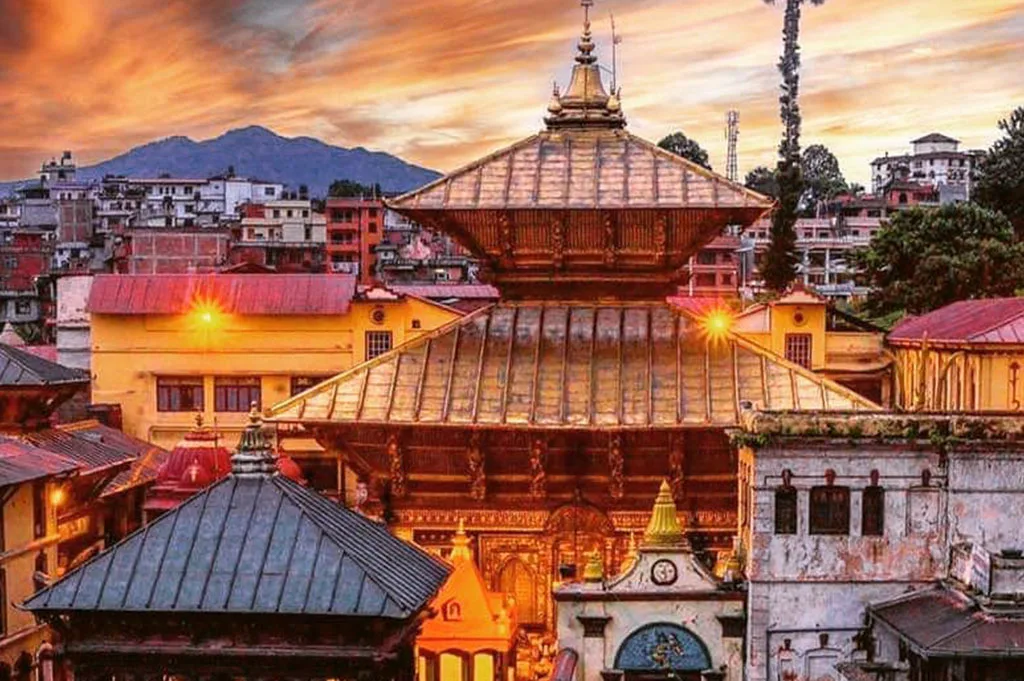
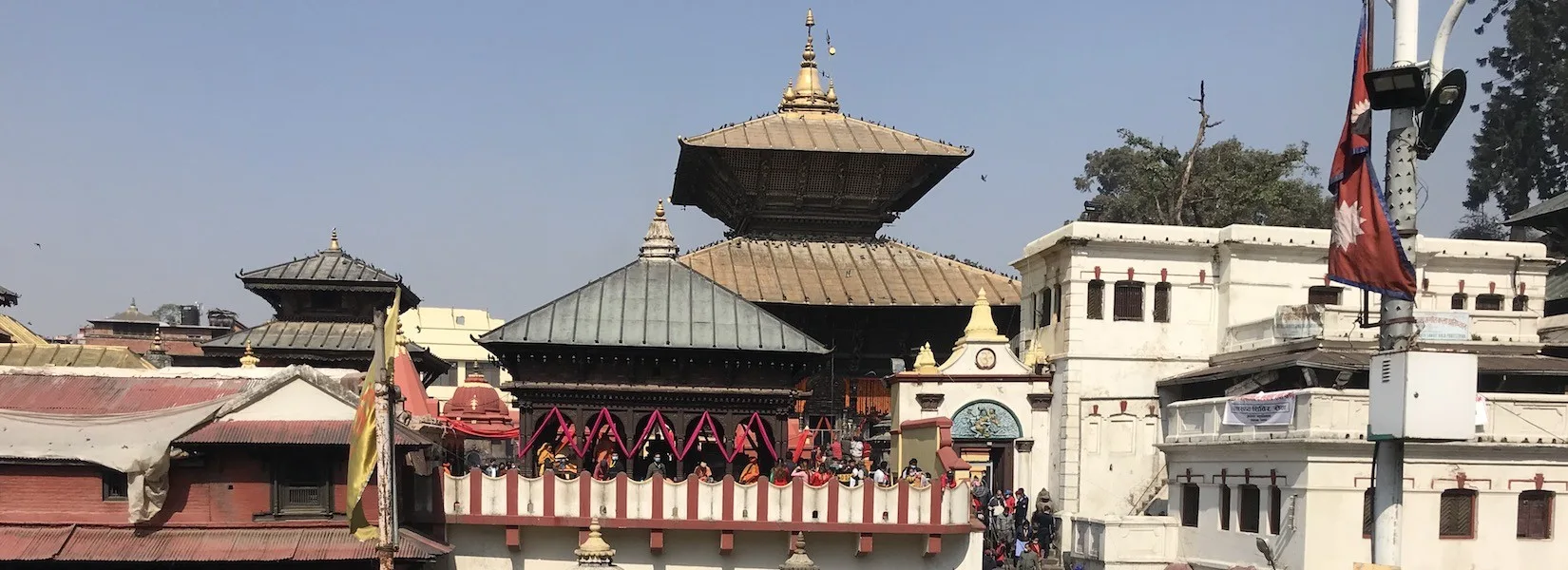
Pashupatinath Temple is one of the largest and holiest Hindu shrines in Nepal, situated on the banks of the sacred Bagmati River. The temple complex is an important center of Hindu worship and attracts devotees and visitors throughout the year. According to the supplied description, the complex includes around 492 temples, 15 Shivalayas (shrines dedicated to Lord Shiva), and 12 Jyotirlinga shrines. The temple’s religious traditions, distinctive pagoda-style architecture, and riverside setting make it a significant cultural landmark in Kathmandu.
Although entry into the main temple is restricted to Hindus, visitors of other faiths can observe the temple’s exterior and the religious activities taking place within the complex from the eastern bank of the Bagmati River. The surrounding area also provides an opportunity to learn about Hindu funeral and cremation traditions, which form an important part of the site’s religious significance. Entrance arrangements and fees may vary according to nationality and current regulations, so it is advisable to confirm the latest details before visiting.
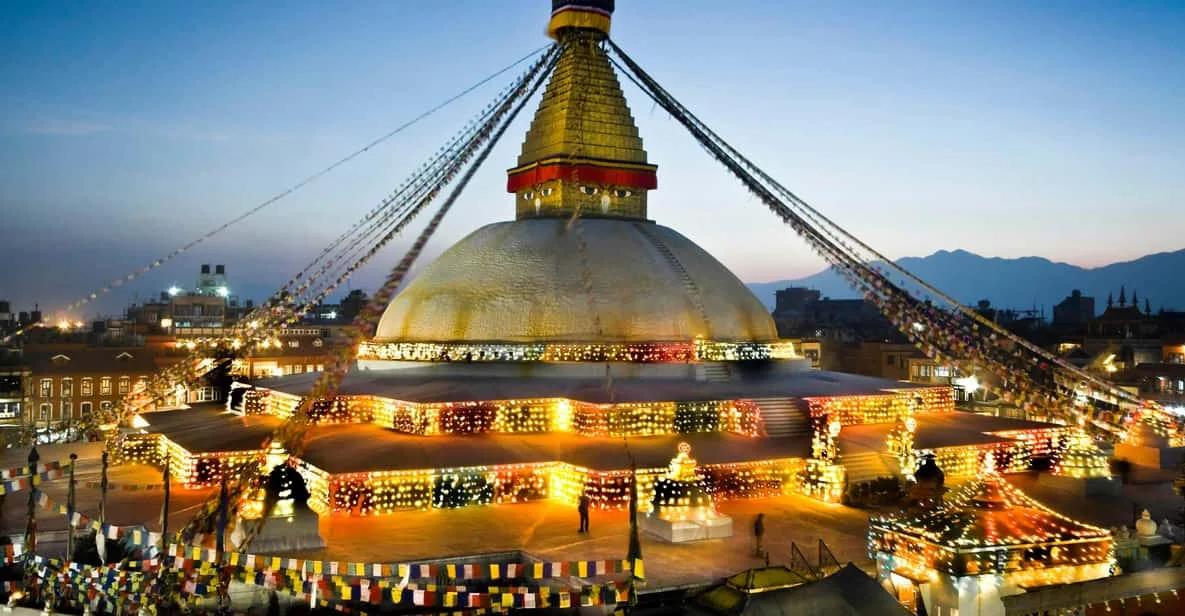
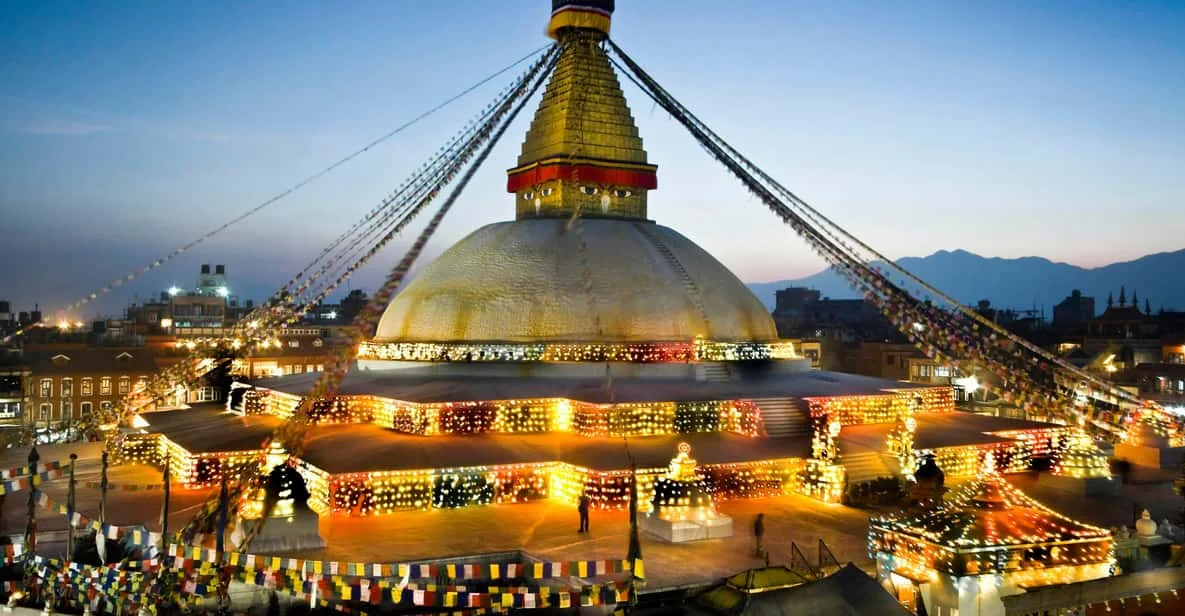
Boudhanath Stupa is one of the largest stupas in South Asia and an important center of Tibetan Buddhism in Nepal. Its enormous white dome, gilded spire, and watchful Buddha eyes create one of Kathmandu’s most recognizable landmarks. The stupa is surrounded by monasteries, traditional shops, prayer wheels, and cafés, giving the area a distinctive spiritual atmosphere.
The stupa’s design reflects the Buddhist concept of the mandala, symbolizing the universe and the path toward enlightenment. Its history is closely associated with the development of Buddhism in the Kathmandu Valley, and the site has long served as a place of pilgrimage, prayer, and meditation. During your visit, you can walk clockwise around the stupa alongside monks, pilgrims, and local devotees, observing the prayer wheels and colorful prayer flags. Boudhanath offers a memorable opportunity to appreciate Nepal’s living Buddhist traditions and cultural heritage.
Swayambhunath Stupa, popularly known as the Monkey Temple, is one of the most important Buddhist sites in Kathmandu. Situated on a hill overlooking the valley, it offers panoramic views of the surrounding city and, on clear days, distant Himalayan peaks. The complex features a white dome, a golden spire adorned with Buddha’s eyes, prayer wheels, shrines, and smaller temples reflecting Nepal’s rich religious traditions.
Swayambhunath is especially notable for the harmonious presence of Buddhist and Hindu symbolism within the same sacred complex. Visitors can climb the traditional staircase to reach the hilltop sanctuary, where prayer flags flutter in the breeze and devotees gather to worship. The peaceful atmosphere, historic architecture, and sweeping views make it a rewarding stop on your Kathmandu sightseeing tour.
Kathmandu Durbar Square is a historic royal plaza that showcases the traditional architecture and cultural heritage of the Kathmandu Valley. Once the ceremonial and political center of the former Kathmandu Kingdom, the square is surrounded by historic palaces, courtyards, temples, and intricately carved wooden structures. Its monuments reflect the artistic achievements of the Newar community and the craftsmanship of Nepal’s historic Malla and Shah periods.
During your visit, you can explore the palace courtyards, admire traditional pagoda-style temples, and observe the detailed wood and stone carvings that distinguish the area. The square is also associated with the Kumari tradition and the living goddess, whose residence is located within the historic complex. As you walk through this UNESCO World Heritage Site, you will gain a deeper appreciation of Kathmandu’s royal history, religious customs, and enduring cultural identity.
Budhanilkantha Temple, also known as Jal Narayan, lies at the foot of the Shivapuri Hills in the northern part of the Kathmandu Valley, approximately 10 kilometers from central Kathmandu. The temple is renowned for its impressive stone statue of Lord Vishnu reclining on a bed of coiled serpents in the middle of a sacred pond. Carved from a single block of black stone, the approximately five-meter-long image is one of Nepal’s remarkable examples of traditional religious sculpture and is generally associated with the Licchavi period.
The name Budhanilkantha is linked to local religious traditions surrounding the deity and the discovery of the statue. The temple attracts large numbers of devotees who come to offer prayers and worship Lord Vishnu. Its peaceful setting, surrounded by the foothills and greenery of the valley’s northern edge, provides a pleasant contrast to the busy streets of central Kathmandu. Visitors can admire the statue from the designated viewing area and observe the rituals performed by worshippers while respecting the temple’s religious customs.
Chandragiri Hill is one of the prominent hills surrounding the Kathmandu Valley, along with Shivapuri (2,732 m), Phulchowki (2,695 m), and Nagarjun (2,095 m). Known for its scenic beauty, historical significance, and panoramic mountain views, Chandragiri is a popular destination for visitors seeking a peaceful escape from the busy city. The hill is associated with local historical traditions and royal heritage, while its elevated position provides spectacular views of the Kathmandu Valley and the surrounding Himalayan landscape. On a clear day, visitors can admire the majestic Ganesh Himal range and other snow-covered peaks in the distance. Chandragiri is also famous for its cable car ride, which offers a convenient and enjoyable way to reach the hilltop and appreciate the surrounding natural scenery.
Kathmandu Durbar Square is one of the three historic Durbar Squares in the Kathmandu Valley and an important landmark showcasing Nepal’s royal history, traditional architecture, and cultural heritage. During the Malla period, King Pratap Malla erected a statue of Hanuman, the Hindu deity associated with strength and power, near the royal palace entrance. This statue gave the palace complex the name Hanuman Dhoka. The square is home to numerous historic monuments and religious sites, including Taleju Temple, the Tribhuvan Museum, the Kumari Ghar (residence of the Living Goddess), Kasthamandap, and the temple of Kal Bhairav. Visitors can explore the ancient courtyards, admire intricately carved wooden windows and doors, and discover the craftsmanship that reflects the artistic achievements of the Kathmandu Valley. A visit to Kathmandu Durbar Square offers a fascinating glimpse into Nepal’s royal past, religious traditions, and living cultural heritage.
Swayambhunath Stupa is one of the oldest and most revered Buddhist monuments in the Kathmandu Valley. Located on a hilltop in western Kathmandu, the stupa commands excellent panoramic views of the valley and its surrounding hills. It is widely known as the Monkey Temple because of the monkeys that inhabit the surrounding grounds. The sacred complex features a white dome, a golden spire adorned with the Buddha’s watchful eyes, prayer wheels, colorful prayer flags, and numerous smaller shrines. Swayambhunath holds great religious significance for both Buddhist and Hindu communities, reflecting the harmonious coexistence of these traditions in Nepal. According to historical accounts, the site dates back to ancient times and is traditionally associated with King Manadeva. Visitors can explore the hilltop sanctuary, observe devotees performing their daily rituals, and enjoy the peaceful atmosphere while taking in the sweeping views of Kathmandu Valley.
After breakfast at your hotel, enjoy a relaxing morning at leisure. You can use this time for personal activities, do some last-minute shopping for souvenirs, or simply unwind at the hotel before your departure. Please ensure that your luggage is packed and that all your travel documents and personal belongings are ready.
You should be prepared to leave for the airport approximately three hours before your scheduled international flight departure. Our representative will assist with your hotel-to-airport transfer, ensuring you arrive at Tribhuvan International Airport with sufficient time for check-in, security procedures, and other departure formalities. With wonderful memories of your journey through Nepal’s cultural landmarks and Himalayan landscapes, you will depart for your final destination according to your flight schedule.
| Start Date | End Date | Price | Space Left | |
|---|---|---|---|---|
| February 3, 2025 Friday | February 28, 2025 Monday | $ 2877 | 07 | Book |
| March 4, 2025 Friday | February 24, 2025 Monday | $ 2879 | 09 | Book |
| March 23, 2025 Sunday | April 16, 2025 Tuesday | $ 2880 | 05 | Book |
International airfare to and from Nepal.
Visa fees for Nepal (to be obtained on arrival or online).
Lunch and dinner (unless specifically mentioned in the package).
Personal expenses such as souvenirs, shopping, and tips.
Travel insurance (not included but highly recommended).
Additional activities not mentioned in the itinerary (e.g., Everest Mountain Flight, additional sightseeing, etc.).
Charges for optional services like spa treatments or extra tours.
Any extra baggage fees or charges by airlines.
Local transport within Kathmandu (not included in the package unless stated).
Any expenses due to unforeseen circumstances, such as natural calamities or political unrest.
The Kathmandu and Chandragiri Tour is a 4-day, 3-night holiday designed to introduce travelers to Nepal’s rich cultural heritage, spiritual traditions, historic architecture, and scenic hilltop landscapes. Based in Kathmandu, this tour combines guided or organized sightseeing around the historic Kathmandu Valley with a refreshing excursion to Chandragiri Hills. Visitors can discover ancient temples, Buddhist stupas, traditional palaces, historic courtyards, and lively local markets while experiencing the unique atmosphere of Nepal’s capital. The tour offers a convenient way to explore the country’s cultural identity and natural beauty without committing to a long journey or physically demanding trekking itinerary.
During the tour, travelers can visit important religious landmarks, learn about Nepal’s Hindu and Buddhist traditions, and observe the everyday lifestyle of local communities. Kathmandu’s historic streets and heritage sites reveal centuries of craftsmanship, religious devotion, and architectural development. The excursion to Chandragiri Hills adds a scenic dimension to the experience, with a cable car ride, panoramic viewpoints, and the sacred Bhaleshwor Mahadev Temple. Depending on the confirmed itinerary, the tour may also include visits to Patan or Bhaktapur, providing further opportunities to appreciate traditional Newari culture. This package is suitable for families, couples, friends, senior travelers who are comfortable with the planned walking, and first-time visitors seeking a balanced introduction to Nepal.
Spring (March–May) and autumn (September–November) are generally considered excellent seasons for visiting Kathmandu and Chandragiri Hills. During spring, the weather is often mild, gardens and surrounding hills become greener, and sightseeing can be particularly enjoyable. Autumn usually brings comfortable temperatures and good visibility after the monsoon season, increasing the possibility of seeing distant Himalayan peaks from elevated viewpoints. These seasons are popular among visitors because they generally offer favorable conditions for exploring temples, heritage squares, markets, and scenic destinations without excessive heat or cold.
Winter (December–February) can also be a pleasant time to explore Kathmandu, although mornings and evenings may be chilly, and Chandragiri can feel colder and windier than the city. Travelers visiting during this season should bring warm layers, particularly if they plan to spend time outdoors at the hilltop. Summer and monsoon months (June–August) bring warmer temperatures, humidity, and frequent rainfall. Wet weather may affect road journeys, sightseeing schedules, cable car operations, and mountain visibility. The tour can be arranged throughout the year, but travelers should check the forecast before departure and remain flexible if weather conditions require adjustments. For the best overall experience, choose dates that match your preferred climate, sightseeing interests, and travel schedule.
The package generally includes three nights of accommodation in Kathmandu, with hotel choices depending on the selected category, budget, availability, and booking arrangements. Options may range from comfortable 3-star hotels to deluxe and luxury properties offering additional facilities and services. Depending on the selected hotel, guests may enjoy amenities such as private bathrooms, Wi-Fi, air conditioning or heating, restaurant facilities, room service, and comfortable spaces for relaxing after sightseeing. The precise facilities and service standards vary by property, so the hotel category should be considered a general guide rather than a guarantee that every hotel offers identical amenities.
Rooms are typically arranged on a twin-sharing or double-occupancy basis, depending on the booking and the travelers’ preferences. Solo travelers may need to pay a single-room supplement if they require a private room. Before confirming the tour, check the hotel name, room type, meal plan, check-in and check-out times, and any additional charges. If a preferred property is unavailable, an alternative of a similar category may be offered, subject to the tour operator’s terms. Travelers who prefer a particular location, such as Thamel or another central area, should communicate this preference in advance. Booking early during busy travel seasons can provide a better chance of securing preferred accommodation and room arrangements.
Transportation is generally arranged according to the selected package, group size, and itinerary. Airport transfers may be provided between Tribhuvan International Airport and your hotel, while city sightseeing and the excursion to Chandragiri Hills may use a private car, van, or tourist vehicle. The type of vehicle depends on the number of travelers and the transportation arrangements confirmed at booking. Organized transportation helps simplify travel between attractions, especially for visitors unfamiliar with Kathmandu’s roads, traffic patterns, and local routes.
Travel times can vary considerably depending on traffic congestion, road conditions, weather, festivals, and the locations included in the sightseeing schedule. Kathmandu’s central areas can become particularly busy during morning and evening rush hours, so it is useful to allow extra time between activities. The journey to Chandragiri Hills also depends on road traffic and the time needed to reach the cable car station. The Chandragiri cable car ticket may be included in the package or charged separately, so confirm this before departure. If weather conditions, traffic, or operational changes affect the schedule, the tour operator may adjust the order of activities. Travelers should keep some flexibility in their plans and follow the agreed pickup times to make the most of each sightseeing day.
Meal arrangements depend on the package selected and should be confirmed before booking. Some packages include daily breakfast at the hotel, while lunch and dinner may be left to travelers’ preferences or arranged at an additional cost. Kathmandu offers a wide range of dining choices, from traditional Nepali restaurants and local eateries to international restaurants, cafés, and hotel dining rooms. This variety allows travelers to choose meals according to their tastes, budget, and schedule throughout the tour.
Visitors can sample popular Nepali dishes such as dal bhat, momos, thukpa, and traditional Newari specialties. Dal bhat, commonly served with rice, lentil soup, vegetables, and accompaniments, is a familiar staple, while momos are dumplings available with different fillings and preparation styles. Those interested in local food can ask restaurant staff about regional dishes and ingredients. Travelers with vegetarian, vegan, religious, or other dietary requirements should inform the tour operator before arrival and confirm suitable options directly with restaurants. Anyone with food allergies should communicate these clearly before ordering. It is also advisable to drink sealed bottled water or water that has been properly treated, particularly if you are not accustomed to local water supplies. Carrying a small snack can be useful during long sightseeing periods or the Chandragiri excursion.
The sightseeing program introduces travelers to Kathmandu’s historic landmarks, sacred religious sites, traditional architecture, and lively urban environment. Depending on the confirmed itinerary, attractions may include Swayambhunath Stupa, Pashupatinath Temple, Patan Durbar Square, and Bhaktapur Durbar Square. Each destination offers a different perspective on Nepal’s cultural heritage. Buddhist stupas provide opportunities to observe prayer rituals and traditional religious symbols, while Hindu temples reveal the continuing importance of worship and pilgrimage in everyday life. Historic squares showcase traditional Newari architecture, carved wooden windows, pagoda-style temples, courtyards, and palaces associated with the valley’s former kingdoms.
The excursion to Chandragiri Hills offers a contrasting experience focused on natural scenery and spiritual exploration. A cable car ride takes visitors toward the hilltop, where viewpoints provide sweeping views of the Kathmandu Valley and, when the weather is clear, distant Himalayan peaks. The sacred Bhaleshwor Mahadev Temple is another key attraction, offering a place to appreciate local religious traditions. Visitors may also have time to explore Thamel, browse handicraft shops, purchase souvenirs, or enjoy local cafés and restaurants. The precise sightseeing schedule depends on the package, opening hours, traffic, weather, and available time. Entrance fees, guide services, and cable car tickets should be checked in advance to determine which activities are included and which require additional payment.
International travelers should carry a valid passport and arrange the appropriate Nepal visa if required for their nationality. Visa eligibility, fees, permitted length of stay, and application procedures can vary, so travelers should review the latest official requirements before departure. Keep your passport, visa information, flight tickets, hotel confirmations, and tour itinerary accessible during the journey. Immigration authorities may request relevant travel details, so it is helpful to have accommodation and onward travel information available when needed.
It is also advisable to keep photocopies or secure digital copies of important documents separately from the originals. These may include your passport identification page, visa, travel insurance policy, emergency contacts, and booking confirmations. Travelers should ensure that names and travel dates match across their tickets and reservations. If you are traveling with children, check whether any additional documentation or consent forms are required for your circumstances. Indian travelers and visitors from other countries should verify the documentation requirements applicable to their nationality and method of entry. Before departure, confirm that you have the necessary documents for both international travel and any onward journey. Keeping essential information organized can make airport procedures, hotel check-in, and communication with the tour operator easier.
Pack comfortable, lightweight clothing suitable for city sightseeing, temple visits, and short walks. Breathable T-shirts or casual tops, trousers, comfortable travel pants, and suitable sleepwear are practical choices for most of the year. Comfortable walking shoes with good grip are particularly useful for exploring historic squares, temple grounds, stairways, and uneven stone pathways. Sandals or casual shoes can be convenient for relaxing at the hotel, but sturdy footwear is preferable for longer sightseeing periods.
Modest clothing that covers the shoulders and knees is recommended when visiting religious sites. Some temples have specific dress codes or access restrictions, so follow posted instructions and local guidance. A light sweater or jacket is useful during cool mornings and evenings, while a warmer layer may be needed at Chandragiri Hills, especially in winter or windy weather. During the monsoon season, carry a rain jacket or compact umbrella and consider a small waterproof bag for electronic devices and important documents. Other useful items include sunglasses, sunscreen, a sun hat, a reusable water bottle, personal medication, hand sanitizer, and tissues. Keep valuables and travel documents secure in a small daypack. Since the tour lasts only four days, packing efficiently can make transfers and daily sightseeing more comfortable.
Kathmandu and Chandragiri sightseeing generally involve light to moderate physical activity, including walking, climbing stairs, and spending time outdoors. Most travelers with ordinary mobility can enjoy the tour, but the amount of walking may vary by attraction and itinerary. Wear comfortable shoes, stay hydrated, and take breaks when needed. Some heritage sites have uneven paving, steep steps, or crowded pathways, so move carefully and watch your footing, particularly during or after rain.
Follow local instructions at temples and religious sites, including rules about footwear, photography, restricted areas, and appropriate behavior. At Chandragiri, follow the cable car operator’s safety instructions and check whether services are operating before traveling if poor weather is expected. Keep personal belongings secure in crowded markets and tourist areas, and use reputable transportation services. Carry essential prescription medication and a basic first-aid kit, especially if you have personal medical needs. Travelers should inform the tour operator in advance about mobility requirements or other arrangements that may affect the itinerary. If you feel unwell during the trip, inform your guide or tour representative and seek appropriate medical assistance. Preparing for the weather, keeping emergency contacts available, and following local guidance can help ensure a comfortable and safe holiday.
Nepal’s official currency is the Nepalese rupee (NPR). Cash is useful for small purchases, snacks, souvenirs, tips, and expenses at smaller shops or local establishments. Larger hotels, restaurants, and commercial businesses may accept credit or debit cards, but payment options vary. Travelers should not assume that every shop or attraction accepts cards, so carrying a reasonable amount of local currency is practical. Exchange money through reliable providers and check the amount received before leaving the counter.
Before the tour begins, confirm which costs are included in the package. Depending on the arrangement, accommodation, specified transportation, breakfast, sightseeing services, entrance fees, guide services, and the Chandragiri cable car may be included or excluded. Personal expenses may include lunches, dinners, drinks, additional entrance tickets, shopping, tips, optional activities, and any services not listed in the package. It is helpful to set aside a separate budget for these expenses rather than relying only on the advertised tour price. Keep cash, cards, and important documents in secure places and avoid carrying more cash than you need for the day. Travelers should also check any applicable bank fees or foreign transaction charges before using international cards.
Mobile networks and internet services are widely available in Kathmandu, although signal strength and connection quality can vary by location and service provider. International visitors may use international roaming or purchase a local SIM card, subject to current registration rules and documentation requirements. Before choosing a local SIM, check the available data packages, coverage, and validity period. A working phone is useful for contacting your tour representative, checking booking details, accessing maps, and communicating with family or friends during the trip.
Many hotels, cafés, and restaurants offer Wi-Fi, but speeds and reliability may differ. It is wise to download essential maps, hotel addresses, itinerary details, and travel documents before leaving your hotel, especially if you expect to rely on mobile data. Keep your phone charged during sightseeing and consider carrying a power bank for longer days. Save the contact details of your hotel, driver, guide, and tour operator so that you can reach them if plans change or you become separated from your group. When visiting busy markets or crowded attractions, keep your phone secure and be mindful of your surroundings while using it. Travelers who require reliable connectivity for work or emergencies should confirm suitable data options before arrival.
Nepal is home to diverse religious traditions, cultural practices, and communities, and respectful behavior is appreciated when visiting temples, monasteries, historic sites, and residential areas. Dress modestly at religious locations and remove your shoes where required. Follow signs and instructions about access to sacred spaces, as some temples restrict entry to particular groups or worshippers. For example, access to the inner areas of Pashupatinath Temple is restricted to Hindus, although visitors who are not permitted inside can observe parts of the complex from designated areas across the river.
Ask permission before photographing people, religious ceremonies, or private property, and follow any photography restrictions at sacred sites. Avoid disturbing worshippers or blocking pathways during rituals. When walking around stupas or other religious structures, observe the direction and practices followed by local visitors, and ask your guide if you are unsure about appropriate behavior. Use polite language, respect local customs, and be considerate when interacting with residents and vendors. Nepal’s cultural traditions vary across communities, so an open and respectful attitude can make encounters more meaningful. Taking time to understand local customs helps visitors appreciate the significance of the places they explore and contributes to a positive travel experience.
Travel insurance is recommended for international visitors and can provide valuable support if unexpected problems arise during the tour. Depending on the policy, coverage may include emergency medical treatment, hospital expenses, trip interruption or cancellation, baggage loss, theft, and travel delays. The exact benefits, exclusions, and claim procedures differ between insurance providers, so travelers should review the policy carefully before purchasing it. Ensure that the policy is valid for Nepal and covers the full duration of your planned trip.
Although this itinerary is not a high-altitude trekking expedition, illness, minor accidents, transport disruptions, flight cancellations, and lost belongings can still affect a holiday. Travelers with existing medical needs should check whether their policy covers relevant treatment and whether any additional declarations are required. Keep a copy of your insurance details, policy number, assistance hotline, and emergency contact information accessible throughout the journey. It is also useful to understand the process for obtaining medical assistance or submitting a claim while abroad. Travel insurance does not replace ordinary precautions, but appropriate coverage can help reduce financial uncertainty if an unforeseen situation occurs during your Kathmandu and Chandragiri tour.
Before confirming your Kathmandu and Chandragiri package, review the complete itinerary and make sure you understand what is included in the quoted price. Check the hotel category, proposed accommodation, room arrangements, transportation, meal plan, sightseeing schedule, and airport transfer details. Ask whether entrance fees, guide services, and the Chandragiri cable car ticket are included or charged separately. Clarifying these details before payment helps prevent unexpected expenses and ensures that the package matches your expectations.
Confirm the cancellation policy, payment schedule, booking amendment conditions, and any charges that may apply if you change your travel dates. If you have preferred hotels, dietary requirements, accessibility needs, or special requests, communicate them to the tour operator before the booking is finalized. Travelers arriving early or departing late should ask whether additional transfers, luggage storage, early check-in, or late check-out can be arranged. During busy travel seasons, booking in advance may improve the availability of preferred hotels and transportation. Keep copies of your booking confirmation, payment receipts, and correspondence with the operator. Before departure, reconfirm pickup times, contact details, and any arrangements that depend on weather or attraction operating hours.
A little preparation can help you enjoy your Kathmandu and Chandragiri holiday comfortably and make the most of the four-day itinerary. Keep your passport and travel documents secure, bring clothing suitable for the season, and wear comfortable footwear for walking around temples, heritage squares, and other attractions. Kathmandu traffic can affect travel times, so allow reasonable flexibility in your schedule and follow the pickup arrangements provided by your tour representative. Carry local currency for small purchases and optional expenses, and confirm which services and activities are covered by your package before the tour begins.
When visiting religious sites, follow local customs and respect restrictions on access and photography. At Chandragiri Hills, remember that mountain views depend on weather conditions, visibility, and the season, so panoramic Himalayan scenery cannot be guaranteed on every visit. If rain, wind, or other conditions affect the cable car or sightseeing schedule, follow the operator’s guidance and remain flexible about alternative arrangements. Use your free time to explore local markets, sample Nepali cuisine, or relax at your hotel, while keeping your belongings secure. With its blend of historic landmarks, spiritual experiences, lively city life, and scenic hilltop views, this 3-night, 4-day tour provides a rewarding introduction to Nepal’s cultural and natural attractions.