Pashupatinath Temple Tour Package
Price From: N/A
4 Days/3 Nights
Embark on an unforgettable journey through Nepal with World Tour Travel on a 4 Nights / 5 Days tour, discovering the rich cultural heritage of Kathmandu and the breathtaking natural beauty of Pokhara. This carefully designed journey offers an excellent opportunity to experience Nepal’s ancient traditions, sacred temples, historic landmarks, peaceful lakes, and magnificent Himalayan landscapes. From exploring centuries-old cultural sites to relaxing beside tranquil lakes and admiring spectacular mountain views, every part of this tour provides a memorable introduction to Nepal’s unique charm, warm hospitality, and diverse attractions.
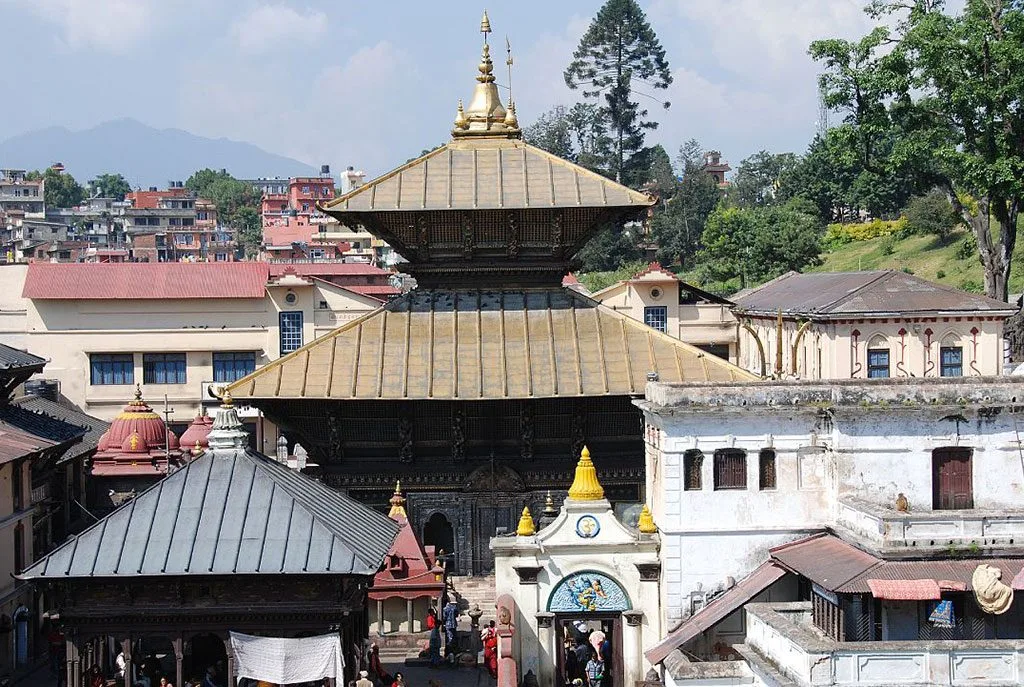
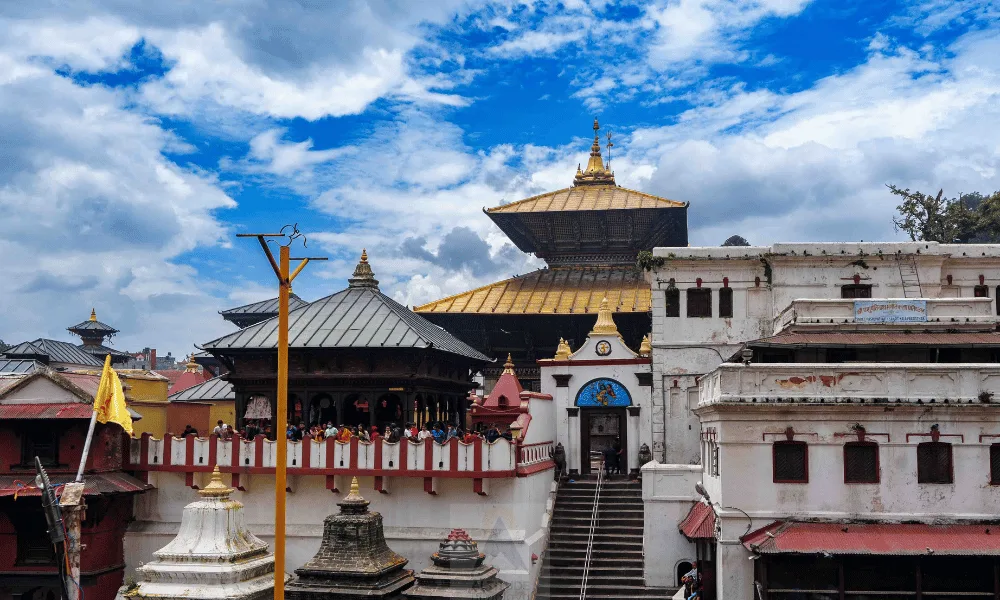
Begin your adventure in Kathmandu, the vibrant capital of Nepal, where history, spirituality, and culture come together in perfect harmony. As one of the country’s most fascinating destinations, Kathmandu offers a remarkable blend of ancient architecture, traditional lifestyles, religious landmarks, and lively local markets. Explore iconic UNESCO World Heritage Sites, including Swayambhunath Stupa, popularly known as the Monkey Temple, which sits on a hilltop overlooking the Kathmandu Valley. The stupa is an important Buddhist pilgrimage site where colorful prayer flags, sacred shrines, and traditional religious symbols create a distinctive atmosphere. Continue to Pashupatinath Temple, one of the most sacred Hindu temples in Nepal, located along the banks of the holy Bagmati River. Here, you can observe important religious traditions and gain insight into the spiritual practices that remain an essential part of Nepalese life.
Your cultural exploration also introduces you to the historic squares of Patan and Bhaktapur, where traditional Newari architecture, intricately carved wooden windows, ancient temples, and beautifully designed courtyards reflect the artistic achievements of the Kathmandu Valley. Patan is renowned for its rich craftsmanship, historic temples, and traditional metalwork, while Bhaktapur offers a fascinating glimpse into Nepal’s medieval history through its preserved streets, brick-paved squares, and remarkable monuments. As you wander through these historic areas, you can discover local handicrafts, traditional pottery, and everyday cultural practices that have been passed down through generations. Kathmandu’s lively markets, historic temples, and distinctive architecture make this part of the journey especially rewarding for travelers who want to explore Nepal’s heritage beyond its mountain scenery.
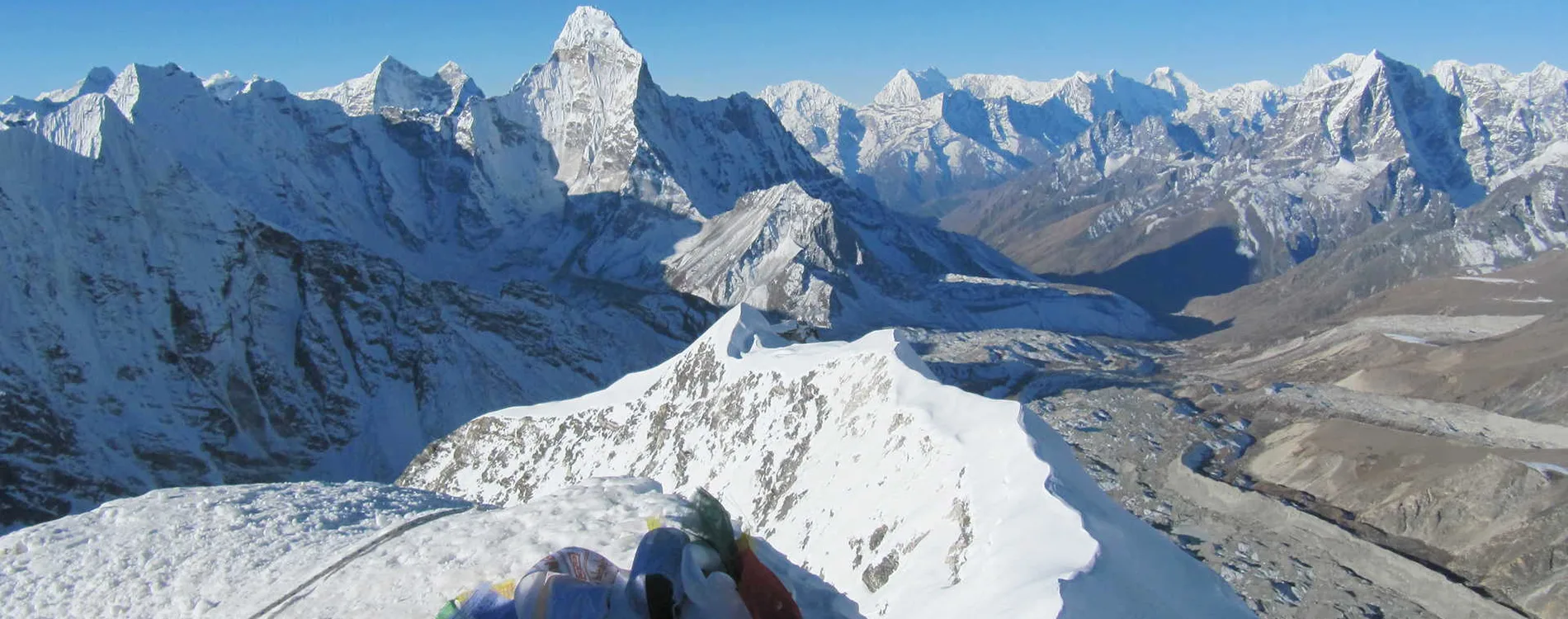
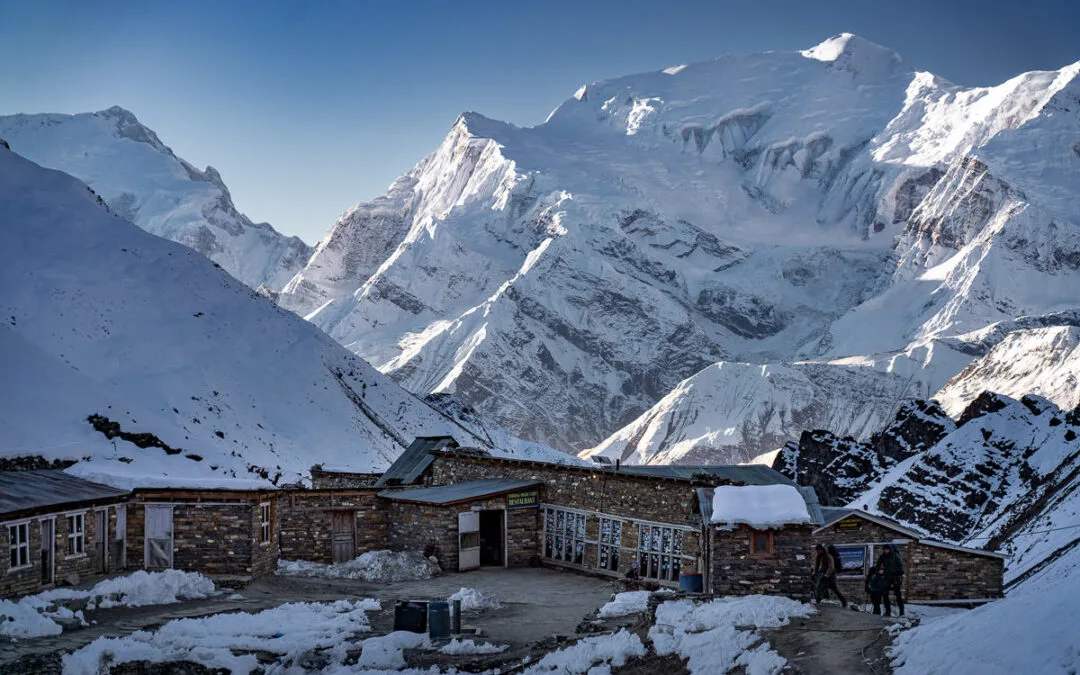
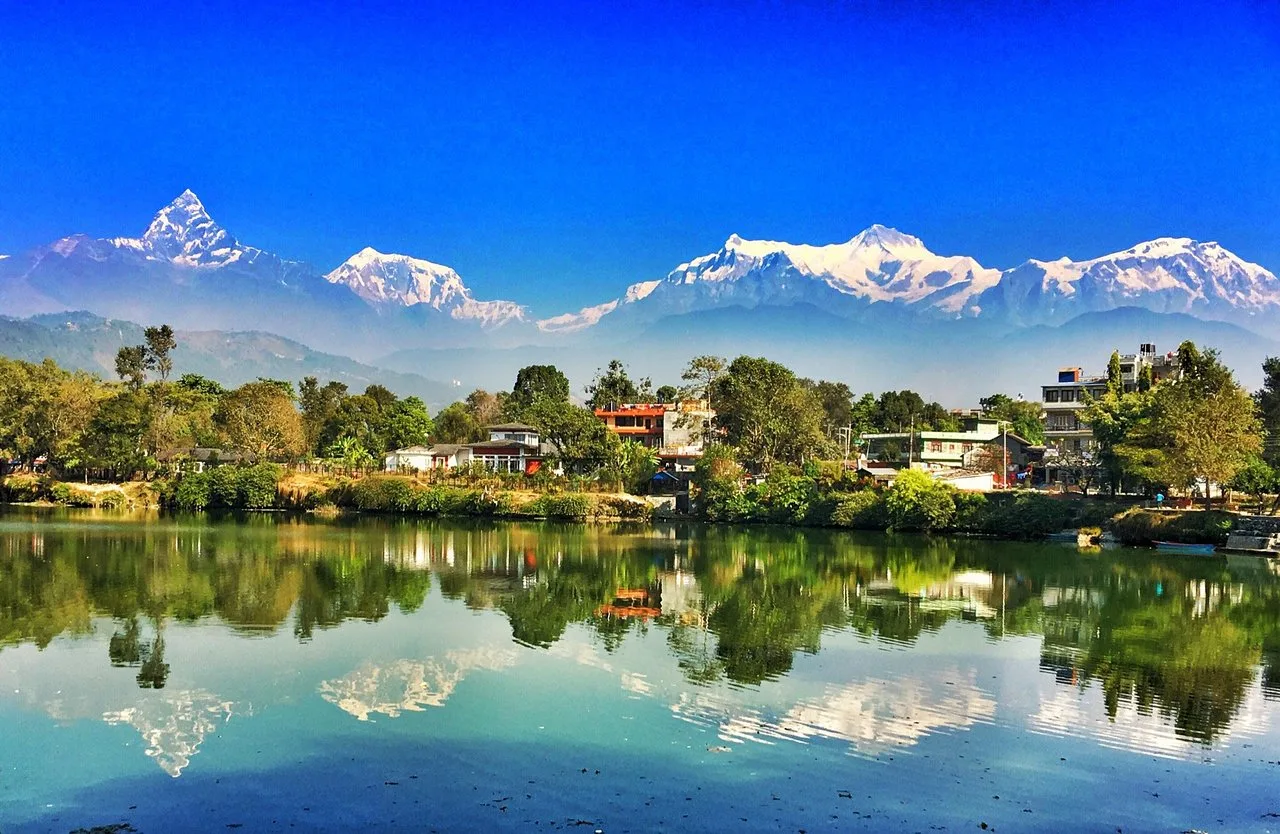
After immersing yourself in the cultural richness of Kathmandu, continue your journey to Pokhara, a beautiful lakeside city celebrated for its peaceful atmosphere, natural attractions, and spectacular Himalayan surroundings. Situated beside the serene Phewa Lake, Pokhara provides a refreshing contrast to the busy streets of the capital. The city is an ideal destination for travelers seeking relaxation, outdoor activities, and impressive mountain scenery. On clear days, you may enjoy magnificent views of the Annapurna Mountain Range, whose snow-covered peaks create a dramatic backdrop to the city. The combination of calm lakes, green hills, and distant Himalayan mountains makes Pokhara one of Nepal’s most appealing destinations for nature lovers and adventure seekers.
During your stay in Pokhara, enjoy the peaceful surroundings of Phewa Lake, where boating offers a relaxing way to appreciate the scenery and observe the reflections of the surrounding hills and mountains. You can explore Gupteshwor Cave, a fascinating natural attraction known for its underground passages and distinctive rock formations. Another highlight is the World Peace Pagoda, a beautiful Buddhist monument situated on a hill overlooking Phewa Lake and the Pokhara Valley. The journey to the pagoda rewards visitors with panoramic views of the city, surrounding hills, and Himalayan peaks when weather conditions are favorable. These attractions allow you to experience Pokhara’s natural beauty while also discovering its spiritual and cultural significance.
For those seeking a more adventurous experience, Pokhara offers a range of exciting outdoor activities. Paragliding provides an opportunity to admire the lakes, green landscapes, and mountain scenery from above, while trekking routes around the region allow visitors to explore traditional settlements, forested hills, and spectacular viewpoints. Whether you prefer a peaceful boat ride, a scenic walk, or an adrenaline-filled adventure, Pokhara offers experiences to suit different interests and travel styles. You can also spend time exploring the lively Lakeside area, where restaurants, cafés, shops, and local businesses create a welcoming atmosphere for travelers. The city’s relaxed pace makes it an excellent place to unwind after exploring Kathmandu’s busy cultural centers.
This World Tour Travel package is designed to provide a wonderful balance of cultural discovery, adventure, and natural beauty within a convenient 4 Nights / 5 Days itinerary. The journey combines the historic and spiritual attractions of Kathmandu with the tranquil lakeside environment and Himalayan scenery of Pokhara, allowing you to experience two of Nepal’s most popular destinations in one memorable trip. Comfortable accommodations, guided sightseeing, and delicious Nepali cuisine are included in the package arrangements to help create an enjoyable and convenient travel experience. You can discover local traditions, admire historic monuments, sample traditional dishes, and learn more about the country’s cultural diversity while enjoying the comfort of an organized tour.
Throughout the journey, Nepal’s warm hospitality adds a special touch to the experience. From the bustling streets and ancient temples of Kathmandu to the peaceful lakes and mountain views of Pokhara, each destination reveals a different side of the country. Travelers can appreciate the contrast between Nepal’s rich historical heritage and its remarkable natural landscapes, creating a varied and rewarding holiday. Whether you are visiting Nepal for the first time, traveling with family or friends, or simply looking for a short escape filled with culture and scenery, this tour offers an excellent introduction to the country.
Join World Tour Travel for this memorable 4 Nights / 5 Days Nepal tour and discover the beauty, culture, and traditions that make the country so special. Explore sacred landmarks, walk through historic squares, relax beside peaceful lakes, and enjoy magnificent views of the Himalayas. With its combination of spirituality, cultural heritage, natural attractions, and optional adventure activities, this journey offers a rewarding way to experience the highlights of Kathmandu and Pokhara. It is an ideal getaway for travelers seeking a memorable mix of history, relaxation, and adventure in the heart of Nepal.
| Category | Hotel Options |
|---|---|
| 3★ | Aananda Pashupati / Satkar Hotel & Spa / Hotel Mudita / Lakestar / Queenspark or similar |
| 3★ Deluxe | Le Himalaya / Grand Hotel / Aabas Hotel / White Pearl or similar |
| 4★ | Lo Mustang Hotel / Crown Imperial / Mount Kailash / Landmark or similar |
| 4★ Deluxe | Ramada Encore / Barahi Kathmandu / The Everest / Waterfront / Pokhara Grande or similar |
| 5★ | Hyatt Place / Aloft / Temple Tree Resort & Spa / Fishtail Lodge or similar |
| 5★ Deluxe | Hyatt Regency / The Soaltee / Gokarna Forest Resort / Temple Tree / Fishtail Lodge or similar |
| Group Size | 3★ | 3★ Deluxe | 4★ | 4★ Deluxe | 5★ | 5★ Deluxe |
|---|---|---|---|---|---|---|
| 2–3 Pax | 16,440 | 18,450 | 23,570 | 23,570 | 26,650 | 28,900 |
| 4–6 Pax | 15,220 | 17,270 | 22,400 | 23,410 | 25,500 | 27,800 |
| 6–9 Pax | 12,400 | 14,400 | 19,550 | 20,550 | 22,600 | 24,850 |
| 10–13 Pax | 10,740 | 12,800 | 17,600 | 18,950 | 21,000 | 23,250 |
| 14–20 Pax | 10,340 | 12,400 | 17,200 | 18,300 | 20,600 | 22,850 |
| 21–25 Pax | 10,120 | 11,200 | 17,000 | 18,300 | 20,350 | 22,600 |
| 26–32 Pax | 9,600 | 11,600 | 16,675 | 17,700 | 19,750 | 22,000 |
| Day | Itinerary |
|---|---|
| Day 1 | Kathmandu Arrival |
| Day 2 | Kathmandu to Pokhara |
| Day 3 | Pokhara Sightseeing |
| Day 4 | Pokhara to Kathmandu (Drive) |
| Day 5 | Final Departure |
Your Arrival Time: Our representative will meet and greet you at Tribhuvan International Airport in Kathmandu and transfer you to your hotel. After check-in, you can relax and prepare for your tour.
At 06:00 PM: You will receive a short briefing about your tour program at the hotel. If you arrive after 4:00 PM, the briefing will be arranged for the following morning at 9:00 AM. Any outstanding payments will be collected during the briefing. Depending on your arrival time, enjoy a half-day sightseeing tour of Boudhanath Stupa and Pashupatinath Temple.
Boudhanath is one of the largest stupas in South Asia and an important center of Tibetan Buddhism in Nepal. Surrounded by monasteries and traditional shops, the stupa is known for its distinctive mandala-shaped structure and peaceful atmosphere. It is a significant pilgrimage site where visitors can observe Buddhist rituals, prayer wheels, and the daily activities of devotees.
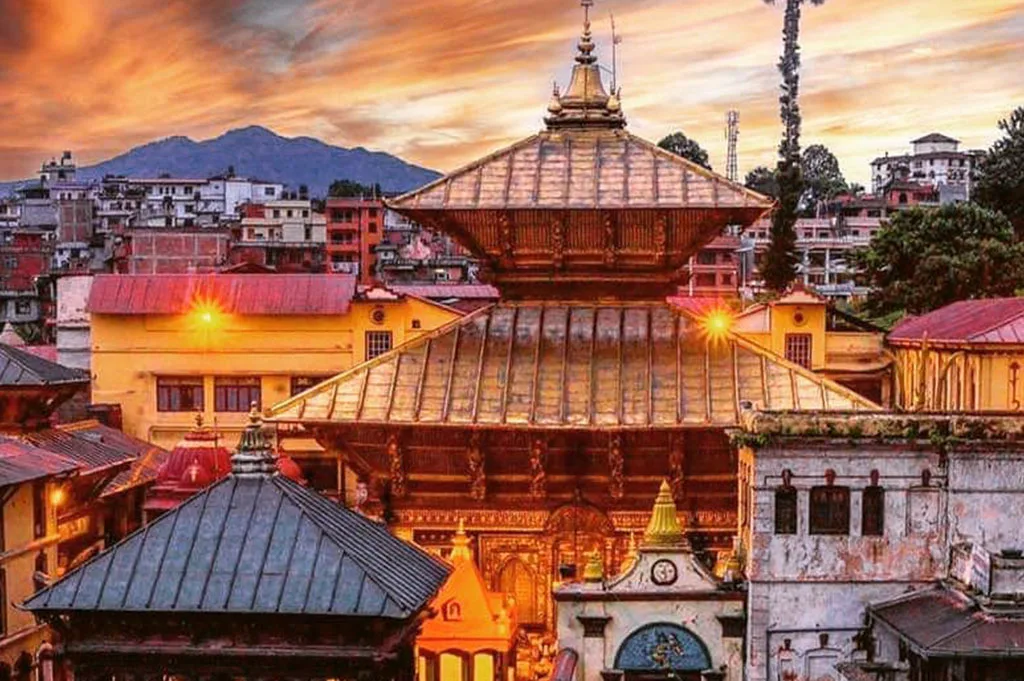
Pashupatinath Temple is one of the holiest Hindu shrines in Nepal, situated on the banks of the Bagmati River. The temple complex features numerous temples, shrines, and sacred structures dedicated to Lord Shiva. Although entry into the main temple is restricted to Hindus, visitors of other faiths can observe the temple’s exterior and religious activities from the eastern bank of the Bagmati River. After sightseeing, return to your hotel for an overnight stay in Kathmandu.
After breakfast, depart from Kathmandu and drive toward Pokhara, enjoying the scenic countryside, green hills, flowing rivers, and traditional settlements along the way. En route, you will have the opportunity to visit the sacred Manakamana Temple, dedicated to Goddess Bhagawati. The temple is believed to fulfill the wishes of devotees who visit with faith and devotion.
Manakamana Temple is one of Nepal’s revered Hindu pilgrimage sites, located approximately 140 kilometers from Kathmandu along the route to Pokhara. Situated at an altitude of around 1,302 meters, the temple overlooks the Trishuli River valley to the south and the Marshyangdi River valley to the west. On a clear day, visitors can enjoy panoramic views of the Manaslu, Himalchuli, and Annapurna mountain ranges. After visiting the temple, continue your journey to Pokhara. Upon arrival, check in to your hotel and enjoy the evening at leisure. Overnight stay in Pokhara.
After breakfast, enjoy a full-day sightseeing tour of Pokhara Valley, a beautiful destination known for its tranquil lakes, sacred temples, natural wonders, and spectacular Himalayan scenery. Visit the World Peace Pagoda, Seti Gorge, Bindhyabasini Temple, Phewa Lake, Davis Falls, and Gupteshwor Mahadev Cave. Explore these popular attractions while experiencing the natural beauty and cultural heritage of Pokhara. After completing the sightseeing tour, return to your hotel for an overnight stay in Pokhara.
Situated at an altitude of approximately 1,100 meters on Anadu Hill in Pumdi Bhumdi, the World Peace Pagoda, also known as Shanti Stupa, is an impressive Buddhist monument built as a symbol of peace. It was constructed under the guidance of Nichidatsu Fujii, the founder of Nipponzan-Myōhōji, with the efforts of monk Morioka Sonin and local supporters. The pagoda offers a peaceful atmosphere and panoramic views of the Annapurna and Dhaulagiri mountain ranges, including the distinctive peak of Machhapuchhre, also known as Fishtail Mountain.
The Seti Gorge is one of Pokhara’s remarkable natural attractions, famous for its deep, narrow river channel and milky-white water. The Seti River has carved a dramatic gorge through the surrounding landscape, creating a striking chasm that runs through the city. Visitors can observe this natural wonder from designated viewpoints in the older part of Pokhara, near the Gorkha Museum, and appreciate the powerful effects of the river over time.
Bindhyabasini Temple is one of the oldest and most important Hindu temples in Pokhara, located in the Miruwa area. Dedicated to Goddess Bindhyabasini, who is associated with Goddess Bhagawati and believed to be an incarnation of Goddess Kali, the temple attracts devotees from across the region as well as visitors interested in Nepal’s religious heritage. The temple complex also contains smaller shrines dedicated to Goddess Saraswati, Lord Shiva, Lord Ganesha, and Lord Hanuman, making it an important center of worship and cultural tradition.
Phewa Lake is a beautiful freshwater lake in Pokhara and one of the city’s most popular attractions. Its calm waters often reflect the Annapurna mountain range and the distinctive peak of Machhapuchhre, creating a memorable Himalayan landscape when weather conditions are clear. The lake is also home to Tal Barahi Temple, a pagoda-style shrine dedicated to Lord Vishnu and situated on a small island in the lake. Visitors can reach the temple by boat, while boating across Phewa Lake offers a relaxing way to enjoy the surrounding scenery and peaceful lakeside atmosphere.
Davis Falls, also known locally as Patale Chhango, is a famous waterfall in Pokhara where water plunges into an underground channel and disappears into a deep, rocky passage. The waterfall is notable for its unusual underground drainage and the powerful flow of water, particularly during the monsoon season. According to local accounts, the site received its English name following an incident involving a visitor in 1961. Today, Davis Falls remains one of Pokhara’s most visited natural attractions.
Gupteshwor Mahadev Cave is a well-known sacred cave located near Davis Falls in Pokhara. Extending deep underground, the cave features narrow passages, rocky chambers, and water dripping from its walls. Visitors can explore parts of the cave and see a shrine dedicated to Lord Shiva, making it both a natural attraction and an important religious site. Its location close to Davis Falls makes it convenient to visit both attractions during the same sightseeing tour.
After a memorable day exploring Pokhara’s cultural landmarks and natural attractions, return to your hotel and enjoy a relaxing evening. Overnight stay in Pokhara.
After breakfast at the hotel, drive from Pokhara to Kathmandu, enjoying the scenic landscapes, river valleys, green hills, and traditional settlements along the way. Upon arrival in Kathmandu, begin a half-day sightseeing tour, visiting Patan Durbar Square and Swayambhunath Stupa. Explore the rich cultural heritage, historic architecture, and spiritual landmarks of the Kathmandu Valley. After completing the sightseeing tour, transfer to your hotel and enjoy a relaxing evening. Overnight stay in Kathmandu.
Located in the heart of the historic city of Patan, Patan Durbar Square is a remarkable complex of temples, palaces, and traditional courtyards, with many structures dating back to the Malla era. Patan Palace, once the royal residence of the Malla kings of Patan, now houses a museum showcasing the region’s rich history and artistic heritage. Notable landmarks around the square include the octagonal Chyasin Dewal, Krishna Mandir, Bhimsen Temple, and Hiranyavarna Mahavihar, also known as the Golden Temple. Within the palace complex, visitors can explore historic courtyards such as Keshav Narayan Chowk, Sundari Chowk, and Mul Chowk, featuring ornate doorways, decorative stone baths, and traditional wells.
Swayambhunath Stupa is one of the oldest and most revered Buddhist monuments in Nepal. Located on a hilltop to the west of Kathmandu, it offers panoramic views of the Kathmandu Valley. The site is also popularly known as the Monkey Temple because of the monkeys that inhabit the surrounding area. Rich in religious significance, Swayambhunath is an important pilgrimage destination for Buddhists and a fascinating place for visitors to experience Nepal’s spiritual traditions, ancient architecture, and cultural heritage.
After visiting these historic landmarks, return to your hotel for an overnight stay in Kathmandu.
After breakfast at the hotel, enjoy a free morning for individual activities, last-minute shopping, or relaxing before your departure. Please be ready at least three hours before your scheduled international flight. Our representative will transfer you to Tribhuvan International Airport in Kathmandu according to your flight schedule. Depart Nepal with wonderful memories of your Kathmandu–Pokhara tour and its cultural landmarks, scenic landscapes, and Himalayan beauty.
| Start Date | End Date | Price | Space Left | |
|---|---|---|---|---|
| February 3, 2025 Friday | February 28, 2025 Monday | $ 2877 | 07 | Book |
| March 4, 2025 Friday | February 24, 2025 Monday | $ 2879 | 09 | Book |
| March 23, 2025 Sunday | April 16, 2025 Tuesday | $ 2880 | 05 | Book |
Accommodation for 4 nights in Kathmandu and Pokhara (3-star or 4-star hotels).
Daily breakfast at the hotels.
Airport transfers (pick-up and drop-off).
Guided sightseeing tours in Kathmandu and Pokhara.
Entry fees to all major UNESCO World Heritage Sites in Kathmandu.
Boating on Phewa Lake in Pokhara.
Transportation throughout the tour (comfortable private vehicle).
English-speaking guide for the city tours.
Cable car tickets for Sarangkot or other local attractions.
Visit to World Peace Pagoda and other scenic spots in Pokhara.
Service charges and taxes for hotels and transportation.
International airfare to and from Nepal.
Nepal visa fees (visa on arrival or online).
Lunch and dinner (unless mentioned in the package).
Personal expenses, such as souvenirs, shopping, and tips.
Travel insurance (highly recommended but not included).
Additional activities not mentioned in the itinerary (e.g., Everest Mountain Flight, extra adventure activities).
Paragliding or other adventure sports in Pokhara (optional and at extra cost).
Local transport within Kathmandu (unless specified in the itinerary).
Any expenses arising from unforeseen circumstances, such as natural calamities or political unrest.
The Kathmandu–Pokhara Tour is a memorable 4 Nights / 5 Days journey that combines Nepal’s rich cultural heritage, spiritual traditions, historic landmarks, natural beauty, and spectacular Himalayan scenery. This tour offers travelers an opportunity to discover two of Nepal’s most popular destinations while experiencing their distinctive attractions, lifestyles, and cultural significance. From the ancient temples and traditional squares of Kathmandu to the peaceful lakes and mountain views of Pokhara, the journey provides a balanced introduction to Nepal’s diverse character.
Kathmandu, the capital city, is renowned for its historic monuments, sacred temples, traditional Newari architecture, and lively local markets. Visitors can explore important religious sites, admire centuries-old craftsmanship, and observe the cultural traditions that continue to shape everyday life in the Kathmandu Valley. The city offers a fascinating blend of Hindu and Buddhist heritage, with sacred shrines, stupas, courtyards, and historic palaces reflecting Nepal’s long and diverse history.
Pokhara provides a refreshing contrast to the busy capital with its tranquil lakes, green hills, relaxed atmosphere, and beautiful Himalayan surroundings. The city is especially popular among nature lovers and adventure seekers because of its lakeside setting and access to outdoor activities. Visitors can enjoy boating on Phewa Lake, explore natural attractions such as Gupteshwor Cave, and visit the World Peace Pagoda for scenic views of the surrounding landscape. On clear days, the Annapurna Mountain Range adds a spectacular backdrop to the city.
The tour is suitable for couples, families, groups of friends, and international travelers seeking a short holiday filled with culture, relaxation, and sightseeing. Depending on the selected package, the itinerary may include accommodation, transportation, guided sightseeing, and other travel arrangements. Before departure, travelers should confirm the exact inclusions, hotel category, transportation arrangements, and sightseeing schedule with their tour operator to ensure that the experience matches their preferences.
The best time to enjoy the Kathmandu–Pokhara Tour generally falls during spring (March–May) and autumn (September–November). These seasons are popular because they often provide comfortable conditions for sightseeing, outdoor activities, and exploring cultural attractions. During spring, the weather gradually becomes warmer, gardens and surrounding landscapes become greener, and the days are generally suitable for exploring historic sites and enjoying lakeside activities. Travelers may also appreciate the pleasant atmosphere while walking through traditional squares, visiting temples, and discovering local markets.
Autumn is another excellent season for visiting Kathmandu and Pokhara. Following the monsoon, the landscapes are often refreshed, and mountain visibility can be particularly good when the weather is clear. This period is well suited to travelers hoping to enjoy views of the Annapurna Mountain Range from Pokhara, take photographs around Phewa Lake, and explore the city’s scenic viewpoints. Autumn also coincides with major Nepali festivals, including Dashain and Tihar in many years, offering opportunities to experience local celebrations when travel dates align with festival periods.
Winter, from December to February, can also be suitable for a cultural and sightseeing holiday. Kathmandu and Pokhara generally remain accessible, and visitors can explore temples, museums, historic squares, and lakeside attractions. However, mornings and evenings may be cold, particularly in exposed areas and at higher viewpoints. Travelers visiting during winter should bring warm clothing and check weather conditions before planning early-morning excursions or outdoor activities.
The monsoon season, usually from June to August, brings rainfall, increased humidity, and cloudy skies. Although the hills and countryside become lush and green, heavy rain may affect road conditions, mountain visibility, and outdoor activities. Road journeys can sometimes take longer than expected because of traffic or weather-related disruptions. Travelers planning a monsoon visit should remain flexible with their schedules and follow local weather and transportation updates.
The ideal travel season ultimately depends on your interests, preferred weather, and planned activities. For a combination of cultural sightseeing and scenic mountain views, spring and autumn are generally recommended. Regardless of the season, checking the forecast before departure and allowing flexibility in the itinerary can help make the tour more enjoyable.
Accommodation during the Kathmandu–Pokhara Tour is generally arranged in hotels in both cities according to the selected package and hotel category. Travelers can choose from a range of properties, including standard 3-star hotels, deluxe accommodations, and luxury hotels. The available options may vary depending on travel dates, room availability, group size, and the package selected. Confirming accommodation details before booking helps ensure that the arrangements meet your expectations for comfort, location, and services.
Hotels in Kathmandu may be situated near major sightseeing areas or in convenient neighborhoods that provide access to restaurants, shopping streets, and transportation. Depending on the property, guests may enjoy facilities such as private bathrooms, comfortable beds, Wi-Fi, room service, and on-site dining. Some hotels also provide additional amenities, including restaurants, lounges, laundry services, and travel assistance. Facilities differ between properties, so travelers should check the specific services available at their chosen hotel.
In Pokhara, accommodation is often arranged near the popular Lakeside area or other convenient locations around the city. Staying near Lakeside can make it easier to explore local restaurants, cafés, shops, and the surroundings of Phewa Lake. Many hotels in the area offer relaxing environments and views of nearby hills, gardens, or the lake, depending on their location. Higher-category properties may provide additional facilities such as swimming pools, landscaped grounds, wellness services, or upgraded dining options.
Room arrangements generally depend on the booking and the number of travelers. Couples may prefer double rooms, while friends or family members may require twin or triple-sharing arrangements, subject to availability. Families should confirm whether family rooms or connecting rooms are available if needed. Travelers with specific requirements, such as accessibility features, quiet rooms, or particular bedding arrangements, should communicate these preferences before arrival.
When comparing accommodation options, consider the hotel category, location, included meals, room facilities, and distance from planned sightseeing attractions. It is also important to confirm whether breakfast is included and whether any additional charges apply for services such as laundry, room service, or early check-in. During busy travel seasons, booking in advance can help secure preferred hotels and room types.
Transportation is an important part of the Kathmandu–Pokhara Tour because the two cities are connected by a scenic route through Nepal’s hills, river valleys, and countryside. Depending on the selected package, travel between Kathmandu and Pokhara may be arranged by private vehicle, tourist bus, or domestic flight. Airport transfers and local sightseeing transportation may also be included according to the itinerary. Travelers should confirm the transportation type, departure schedule, luggage arrangements, and any additional costs before finalizing their booking.
Road travel between Kathmandu and Pokhara allows visitors to observe Nepal’s changing landscapes along the way. The journey may pass through green hills, rivers, terraced fields, small settlements, and roadside markets. A private vehicle can provide greater flexibility for departure times and comfort, depending on the vehicle category and road conditions. Tourist buses are another option and may be suitable for travelers looking for a shared transportation service. Travel duration can vary because of traffic, roadworks, weather, and other local conditions, so it is advisable to allow sufficient time for the journey.
Domestic flights offer an alternative for travelers who prefer to reduce their overland travel time. Flights between Kathmandu and Pokhara are subject to airline schedules, weather conditions, and operational availability. Mountain weather can sometimes cause delays or cancellations, so travelers choosing air travel should remain flexible and check flight updates. Luggage allowances and airport transfer arrangements should also be confirmed with the relevant airline or tour operator.
Within Kathmandu and Pokhara, transportation may be arranged for sightseeing according to the package. Private vehicles can make it easier to visit multiple attractions in one day, while local taxis and other transport services may be useful for independent exploration. In areas with narrow streets or heavy traffic, some attractions may require short walks from the vehicle drop-off point.
For a comfortable journey, keep essential items such as travel documents, medication, drinking water, and valuables in a small day bag rather than placing everything in checked luggage. Travelers prone to motion sickness may wish to prepare for winding roads and carry appropriate medication if needed. Confirming pickup locations and departure times in advance can help prevent confusion and make the overall travel experience smoother.
Nepal offers a diverse food culture influenced by regional traditions, local ingredients, and neighboring culinary styles. During the Kathmandu–Pokhara Tour, travelers can enjoy traditional Nepali dishes alongside Indian, continental, and other international cuisines. Both cities have a wide range of dining options, from small local eateries serving everyday meals to restaurants offering more varied menus and comfortable dining environments. Food preferences, dietary requirements, and meal arrangements should be discussed with the tour operator when booking.
One of the most popular traditional meals is dal bhat, which typically consists of rice, lentil soup, vegetables, and accompanying side dishes. It is widely available and provides a filling option for travelers spending the day sightseeing. Momos, a type of dumpling commonly served steamed or fried, are another favorite and may contain vegetable or meat fillings. Other popular choices include thukpa, noodle dishes, soups, curries, and local snacks. Travelers can also sample Newari specialties in Kathmandu to discover more of the valley’s distinctive culinary traditions.
Kathmandu offers a particularly broad selection of restaurants, including establishments serving traditional Nepali food and international dishes. In historic neighborhoods and popular tourist areas, visitors can find cafés, bakeries, and restaurants suitable for breakfast, lunch, or dinner. Pokhara also has a lively dining scene, especially around Lakeside, where restaurants and cafés provide a relaxed setting for meals after sightseeing or outdoor activities.
Meal inclusions vary according to the tour package. Some packages include daily breakfast, while others may cover additional meals or provide selected meals during sightseeing. Travelers should check whether lunch and dinner are included, as well as whether drinks, snacks, and special menu items are charged separately. If you have dietary requirements, such as vegetarian meals, food allergies, or restrictions related to religious or personal preferences, inform the tour operator and accommodation providers in advance.
To stay comfortable during the tour, choose freshly prepared food from reputable establishments and drink safe water. Bottled, filtered, or properly treated water is preferable when the safety of local water is uncertain. Travelers should also be cautious with unfamiliar foods if they have a sensitive stomach. Exploring local cuisine can be an enjoyable part of the journey, offering insight into Nepal’s culture while adding variety to the sightseeing experience.
Sightseeing is one of the main attractions of the Kathmandu–Pokhara Tour, offering a combination of religious landmarks, historic architecture, traditional neighborhoods, lakeside scenery, and optional outdoor adventures. The exact attractions visited depend on the confirmed itinerary, available time, traffic, opening arrangements, and package inclusions. Travelers should review the sightseeing schedule before departure to understand which locations are included and which activities may require additional payment.
In Kathmandu, visitors can explore Swayambhunath Stupa, widely known as the Monkey Temple. Situated on a hill overlooking the Kathmandu Valley, this important Buddhist site features a prominent stupa, shrines, prayer flags, and religious symbols. The location also provides broad views of the valley when visibility is good. Visitors should be prepared for steps and uneven walking surfaces in some areas and follow local guidance regarding religious customs and photography.
Pashupatinath Temple is another major attraction, known for its religious significance to Hindu communities. Located beside the Bagmati River, the temple complex includes sacred structures and areas associated with Hindu worship and traditional rituals. Access to certain parts of the complex is restricted to eligible visitors, so non-Hindu travelers should respect the posted rules and observe from permitted areas. Patan and Bhaktapur offer further opportunities to appreciate the Kathmandu Valley’s artistic and architectural heritage. Their historic squares, temples, traditional courtyards, and carved wooden details reflect centuries of craftsmanship and cultural development.
Pokhara provides a different sightseeing experience, with a focus on natural scenery and relaxed outdoor activities. Phewa Lake is one of the city’s most recognizable attractions, and boating allows visitors to enjoy the peaceful surroundings and views of the nearby hills. The reflections of the landscape on the water can be especially attractive in calm weather. Travelers may also explore the surrounding Lakeside area, which offers restaurants, cafés, shops, and opportunities for leisurely walks.
Gupteshwor Cave is a popular natural attraction featuring underground passages and distinctive rock formations. Visitors should follow local instructions and use care on potentially damp or uneven surfaces. The World Peace Pagoda, located on a hill above the lake and city, is another notable destination. Its elevated position can provide panoramic views of Pokhara Valley, Phewa Lake, and the Himalayan range when weather conditions allow.
Optional activities in Pokhara may include paragliding, short hikes, nature walks, and visits to scenic viewpoints. Paragliding should be arranged through a reputable operator and undertaken only when weather and operating conditions are suitable. Short walks and hikes vary in difficulty, so travelers should choose routes appropriate to their fitness and available time. Not every activity is included in the standard package, and some may require separate booking or payment. Confirming these details in advance helps travelers plan their time and budget effectively.
Preparing the correct travel documents is essential for a smooth visit to Nepal. International travelers should carry a valid passport and obtain a Nepal visa if required for their nationality and travel circumstances. Visa procedures and eligibility may differ by nationality, so visitors should check current official requirements before departure rather than relying on outdated information. Travelers should also ensure that their passport meets applicable validity requirements and that all personal details on travel bookings are correct.
Keep copies of your flight tickets, hotel confirmations, tour itinerary, and transportation details. These documents can help resolve booking questions and make it easier to confirm arrangements during the trip. It is useful to maintain both digital and printed copies of important documents, especially when traveling between cities or checking in at hotels. Store copies separately from the original documents so that they remain accessible if an item is lost.
Travel insurance documents should also be available throughout the journey. Travelers should understand their policy coverage, emergency contact information, and the procedures for obtaining assistance. If the itinerary includes optional adventure activities, check whether those activities are covered by the policy before participating.
Depending on your travel arrangements, you may also need passport-sized photographs, visa documentation, or other supporting papers. Requirements can change, so verify the latest instructions with the relevant official authority or airline. Keep any necessary permits or confirmations for booked activities together with the rest of your travel documents.
During the tour, carry only the documents and cash needed for the day and store other valuables securely. Avoid leaving your passport, travel papers, or electronic devices unattended in public places. Having your documents organized before departure can reduce stress at the airport, during hotel check-in, and when confirming transportation or sightseeing arrangements.
Packing appropriately for Kathmandu and Pokhara helps make sightseeing and outdoor activities more comfortable. The weather can vary by season, time of day, and location, so travelers should choose clothing that can be layered. Lightweight, breathable garments are useful for daytime sightseeing, while a sweater or warm jacket can provide extra comfort during cool mornings and evenings. A lightweight rain jacket or compact umbrella may also be helpful, particularly during the monsoon season or when forecasts indicate possible rain.
Comfortable walking shoes with good grip are recommended because the tour may include temple steps, historic streets, courtyards, caves, and viewpoints. Sandals or casual shoes can be useful for relaxing at the hotel or walking around Lakeside. Travelers should avoid wearing brand-new footwear for long sightseeing days, as uncomfortable shoes may cause blisters or foot pain.
Modest clothing is recommended when visiting temples and other religious sites. Clothing that covers the shoulders and knees is a respectful choice, although specific entry rules may vary between locations. Visitors should follow signs and instructions regarding footwear, photography, and access to sacred areas. A lightweight scarf can be useful for additional coverage when needed.
Sun protection is important during outdoor sightseeing, especially when spending time near the lake or visiting elevated viewpoints. Pack sunglasses, a sun hat or cap, sunscreen, and lip balm with sun protection. A reusable water bottle, tissues, hand sanitizer, and a small daypack can also be useful for daily excursions. Travelers should bring personal toiletries and any prescription medication they regularly use.
A practical packing approach is to prepare a small day bag for essential items and keep the rest of the luggage organized at the hotel or in the vehicle when appropriate. Avoid overpacking, as comfortable clothing and a few versatile layers are usually more convenient than carrying unnecessary items. Adjust your packing according to the season, expected weather, hotel facilities, and any optional activities planned during the tour.
Maintaining good health and following basic safety precautions can help travelers enjoy the Kathmandu–Pokhara Tour with greater confidence. Before departure, consider any personal health needs, bring essential medication, and consult a qualified healthcare professional if you have concerns about travel, existing medical conditions, or recommended vaccinations. Keep prescription medicines in their original packaging when practical and carry enough for the trip, allowing for possible travel delays.
Food and water safety are important throughout the journey. Drink bottled, filtered, or properly treated water when the safety of tap water is uncertain, and use reputable establishments for meals. Wash or sanitize your hands before eating, especially after visiting crowded attractions or using public facilities. Travelers with sensitive stomachs may prefer freshly prepared meals and should be cautious when trying unfamiliar foods.
Kathmandu and Pokhara can be busy, particularly around markets, tourist districts, and popular sightseeing sites. Keep wallets, phones, passports, and other valuables secure, and remain aware of your surroundings in crowded areas. Use established transportation providers and confirm fares or arrangements before starting a journey when applicable. When crossing roads, take care around traffic and follow local guidance.
Outdoor activities require additional attention to safety. During boating on Phewa Lake, follow the operator’s instructions and use the safety equipment provided. For paragliding, trekking, or other adventure activities, choose reputable providers, check weather conditions, and make sure the activity is appropriate for your experience and physical condition. Do not proceed if operating conditions are unsafe or if you are uncomfortable with the arrangements.
Travelers should also allow sufficient time for road journeys and avoid rushing between attractions. Traffic, roadworks, rain, and other local conditions may affect travel schedules. Keep emergency contact details accessible and inform your tour operator if you need assistance. Simple precautions, sensible planning, and respect for local instructions can contribute to a safer and more enjoyable holiday.
The official currency of Nepal is the Nepalese rupee (NPR). Travelers may need cash for small purchases, local markets, snacks, tips, and services at locations where electronic payments are not accepted. Although ATMs and card facilities are available in many parts of Kathmandu and Pokhara, access may vary by location, bank, and business. Carrying a reasonable amount of cash can make everyday transactions more convenient, especially during excursions away from major commercial areas.
Currency exchange services may be available through authorized providers, banks, and other established financial institutions. Travelers should check exchange rates and any applicable fees before exchanging money. Keep receipts when useful and avoid exchanging large sums with unverified individuals. If using an ATM, choose a secure location and protect your PIN and bank card details.
Credit and debit cards are accepted by many hotels, restaurants, and larger businesses, but smaller shops and local vendors may prefer cash. Travelers should notify their bank about international travel if required by their card provider and understand any foreign transaction or ATM withdrawal charges. It is also sensible to carry a backup payment method in case one card is lost, declined, or temporarily unavailable.
Personal expenses depend on your travel style and the inclusions in your package. Possible additional costs include meals not covered by the tour, beverages, entrance fees excluded from the package, optional activities, souvenirs, laundry, tips, and personal shopping. Adventure activities such as paragliding may involve separate charges if they are not included in the booking.
Before departure, review the package inclusions and exclusions so that you can estimate your spending requirements. Keep daily cash in a secure place and avoid carrying more than you need for routine sightseeing. Planning a small allowance for unexpected expenses can provide flexibility if transportation schedules change or you decide to take part in an additional activity.
Mobile communication and internet services are widely available in Kathmandu and Pokhara, particularly in hotels, cafés, restaurants, shopping areas, and major tourist neighborhoods. Travelers can use international roaming through their existing mobile provider or consider purchasing a local SIM card if eligible. The best option depends on your phone, data requirements, length of stay, and the rates offered by your provider.
Visitors choosing a local SIM card should check the current registration requirements and bring the necessary identification documents. Network coverage and data speeds may vary by location, building, provider, and local conditions. While connectivity is generally convenient in the main urban areas, service may be less consistent in some remote or enclosed locations.
Many hotels and cafés provide Wi-Fi, which can be useful for messaging, navigation, checking bookings, and staying in contact with family or colleagues. However, connection quality and reliability are not guaranteed, so travelers who depend on internet access should have an alternative arrangement. Downloading essential travel documents, maps, and contact details for offline use can be helpful.
Before traveling, confirm that your phone is compatible with the local network and that it is unlocked if you plan to use another SIM card. Keep your device charged during long sightseeing days and consider carrying a power bank. Use secure networks for sensitive activities and avoid sharing personal or financial information over unfamiliar public Wi-Fi connections.
Communication is also important for coordinating pickups, meeting guides, and confirming sightseeing arrangements. Save the contact details of your tour operator, accommodation providers, and transportation service before starting the journey. Having these details readily available can make it easier to manage changes to the itinerary or request assistance when needed.
Nepal is home to diverse ethnic communities, religious traditions, languages, and cultural practices. Visitors to Kathmandu and Pokhara can encounter Hindu temples, Buddhist stupas, historic shrines, traditional neighborhoods, and local festivals. Approaching these places with respect helps travelers appreciate the cultural significance of the sites and interact more comfortably with local communities.
When visiting temples and religious buildings, dress respectfully and follow local instructions about clothing, footwear, and permitted areas. Some sites require visitors to remove their shoes before entering designated spaces, while certain sacred areas may be restricted to specific groups. Signs and guidance from local staff should always be followed. Visitors should not assume that all religious buildings have the same entry rules.
Photography etiquette is also important. Ask permission before photographing individuals, especially during personal or religious activities, and observe any restrictions displayed at temples or monuments. Avoid interrupting ceremonies or blocking pathways while taking photographs. If a person declines to be photographed, respect their decision.
Traditional customs may vary between communities and locations. A polite greeting, patience, and a willingness to learn about local practices are generally appreciated. Visitors should behave considerately in crowded markets, historic squares, and places of worship. When purchasing handicrafts or souvenirs, courteous communication and respectful bargaining, where appropriate, can contribute to a positive interaction.
Travelers should also be mindful of local traditions around food, public behavior, and religious symbols. Follow guidance from guides and local authorities, especially during festivals or visits to sacred sites. By respecting cultural differences and showing consideration for local communities, visitors can gain a deeper appreciation of Nepal’s heritage and help ensure that tourism remains a positive experience for both guests and residents.
Travel insurance is recommended for visitors undertaking the Kathmandu–Pokhara Tour because it can provide financial protection against certain unexpected events during travel. Depending on the policy, coverage may include medical emergencies, trip cancellation or interruption, delayed transportation, lost or delayed baggage, and other specified risks. The exact protection varies by insurer, policy terms, exclusions, and the circumstances of a claim, so travelers should read their policy carefully before departure.
Medical coverage is particularly important for international travelers who may face unexpected treatment costs while abroad. Before purchasing insurance, review the available coverage limits, deductibles, emergency assistance procedures, and requirements for contacting the insurer. Keep the policy number and emergency contact information accessible throughout the journey.
Travelers planning optional activities such as paragliding or trekking should check whether these activities are covered. Some standard policies exclude particular adventure sports or require additional coverage. If you intend to participate in an activity, confirm that the policy explicitly includes it and that you meet any applicable safety or provider requirements.
It is also helpful to understand the procedures for reporting a problem, submitting receipts, and requesting assistance. Keep copies of important travel documents and relevant booking confirmations. If transportation delays, illness, or another unexpected event affects your plans, contact the appropriate provider and follow the insurer’s instructions.
Although insurance cannot prevent disruptions, suitable coverage can offer reassurance and help travelers manage certain unexpected costs. Choose a policy that matches your itinerary, personal circumstances, and planned activities rather than assuming every type of loss or emergency will automatically be covered.
Careful planning before booking can help make the Kathmandu–Pokhara Tour more comfortable and reduce the likelihood of unexpected expenses. Begin by confirming your preferred travel dates, group size, hotel category, transportation method, and sightseeing priorities. These details can affect the package price, availability, and daily schedule. If you are traveling with children, older family members, or anyone with mobility requirements, communicate these needs before the itinerary is finalized.
Review the tour itinerary carefully to understand the sequence of sightseeing activities and the time allocated to each destination. Confirm whether the package includes private or shared transportation, airport transfers, guided sightseeing, hotel accommodation, and meals. Entrance fees, optional activities, beverages, tips, and personal expenses may be treated separately, so check the written inclusions and exclusions rather than relying on assumptions.
Accommodation should also be confirmed in advance. Ask about the hotel category, room type, meal arrangements, location, and any additional charges that may apply. If you have a preferred hotel or need specific facilities, request confirmation before paying. Hotel names and room availability may vary according to the season and booking conditions.
Transportation arrangements deserve particular attention because the road journey between Kathmandu and Pokhara can be affected by traffic, roadworks, and weather. If you choose to fly, confirm flight schedules, baggage allowances, airport transfers, and procedures for delays or cancellations. It is wise to leave some flexibility in the itinerary rather than arranging important onward travel too close to a potentially changeable transfer.
Optional activities should be booked through suitable providers and checked for availability, safety arrangements, and additional costs. If you wish to go boating, paragliding, or take a short hike, discuss the activity with your tour operator and consider your interests, fitness, and available time. Booking during busy travel seasons may require additional advance planning to secure preferred hotels and transportation.
Finally, keep copies of booking confirmations, payment receipts, and communication with your tour operator. Make sure you understand the payment schedule, cancellation terms, and procedures for changing travel dates. Clear communication and careful review of the package details can help you prepare confidently for your Nepal holiday.
A little preparation can make your Kathmandu–Pokhara Tour more comfortable and enjoyable. Before departure, check your travel documents, confirm hotel and transportation arrangements, and review the latest weather forecast for both destinations. Pack clothing appropriate for the season and include comfortable walking shoes, sun protection, a light rain jacket, and a warm layer for cooler mornings and evenings. Keep essential medication and important contact details easily accessible.
Allow flexibility in your schedule, especially on days involving road travel or outdoor activities. Traffic, roadworks, weather, and other local conditions may affect travel times, so avoid arranging important onward commitments too close to your planned arrival. If traveling by air, check flight updates and remain prepared for possible schedule changes. Starting sightseeing early can help you make the most of the day, but a relaxed pace is often more enjoyable than trying to visit too many places at once.
During your visit, take time to appreciate the character of each destination. Kathmandu offers historic temples, traditional architecture, sacred monuments, and lively markets, while Pokhara provides a calmer atmosphere with lakeside scenery and views of the surrounding hills and mountains. Balance planned sightseeing with time to rest, enjoy local food, explore nearby streets, and appreciate the landscapes at your own pace.
Respect local customs when visiting temples, stupas, and traditional neighborhoods. Follow photography rules, dress appropriately for religious sites, and ask permission before photographing people. Support local businesses by purchasing crafts from reputable sellers and choosing services that treat visitors and local communities fairly. These small choices can contribute to a more meaningful travel experience.
Keep track of your belongings, drink safe water, and follow safety instructions during boating, paragliding, trekking, and other activities. Use reputable service providers and do not proceed with outdoor activities when conditions are unsafe. Travel insurance appropriate to your plans can provide additional protection against certain unexpected events.
Most importantly, approach the journey with curiosity and realistic expectations. Weather may affect mountain visibility, travel times can vary, and some attractions may be busier than expected. Remaining flexible allows you to enjoy the experiences available rather than focusing only on a fixed schedule. With thoughtful planning, cultural respect, and time to appreciate both destinations, the Kathmandu–Pokhara Tour can provide a rewarding introduction to Nepal’s heritage, hospitality, and natural beauty.