Nepal Tour Kathmandu-Chitwan 4Nights/5Days
Price From: N/A
5 Days/4 Nights

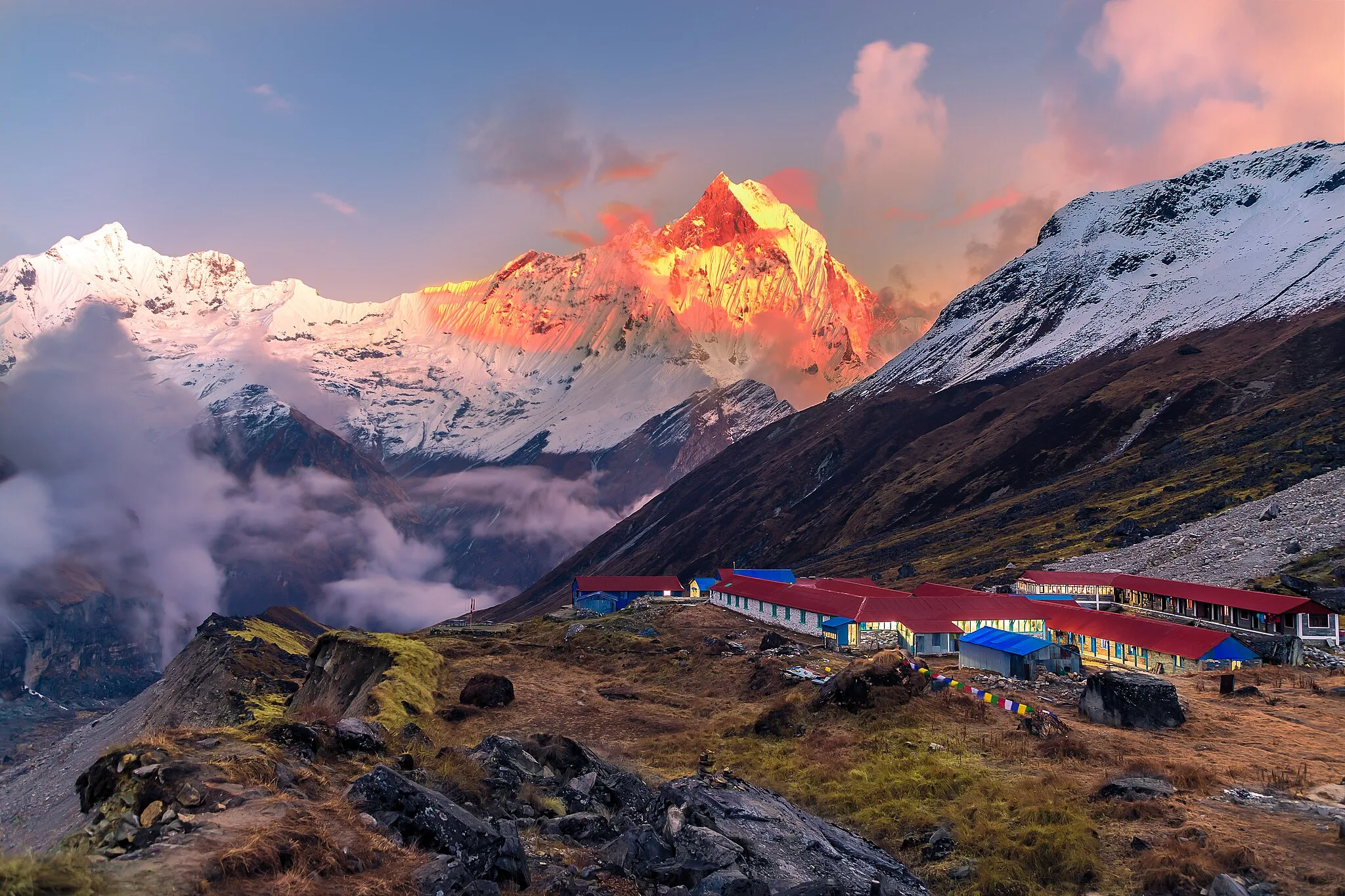
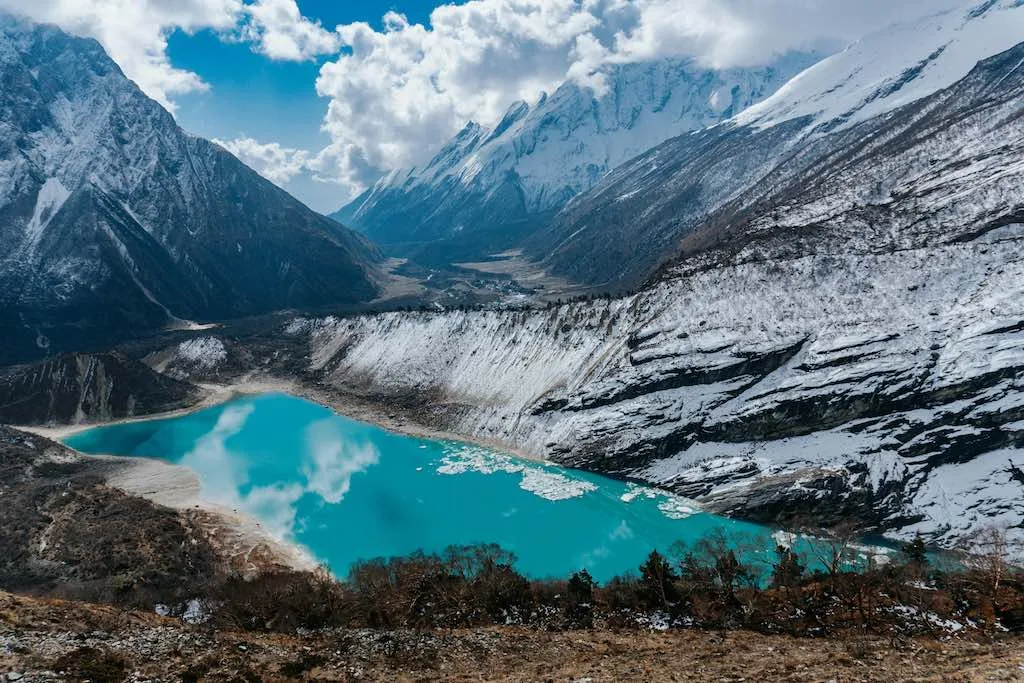
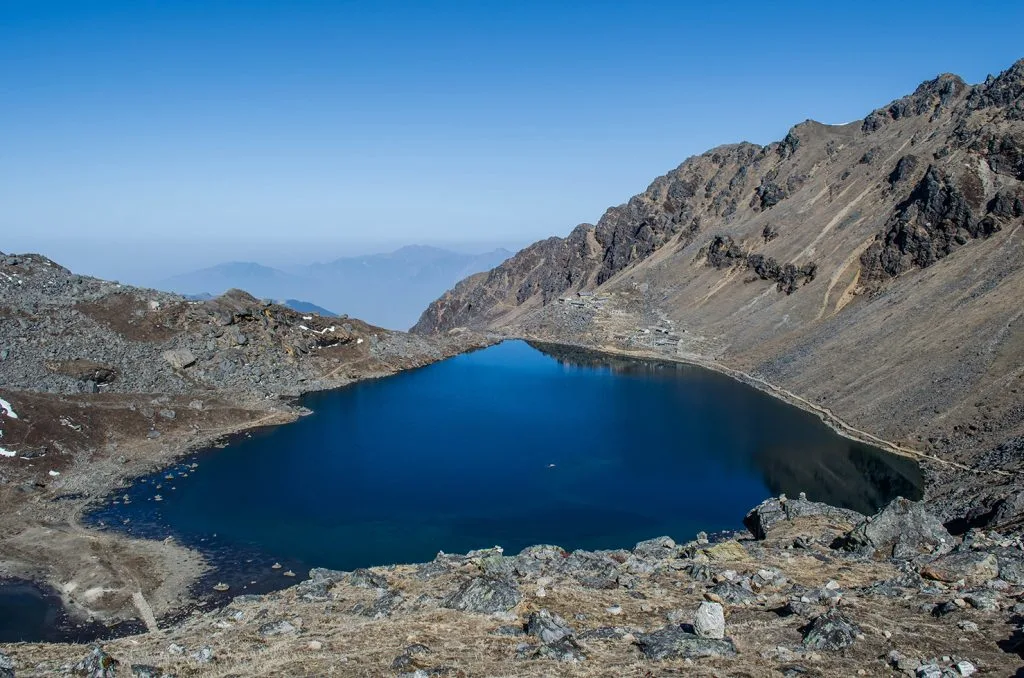
The Annapurna Base Camp Trek is one of Nepal’s most renowned trekking destinations, offering an unforgettable journey through the natural beauty and cultural richness of the Himalayas. This remarkable adventure takes trekkers through diverse landscapes, including lush subtropical forests, terraced fields, picturesque villages, alpine meadows, and rugged glacial moraines. As the trail gradually ascends, the scenery transforms, revealing spectacular mountain views and the magnificent beauty of the Annapurna region.
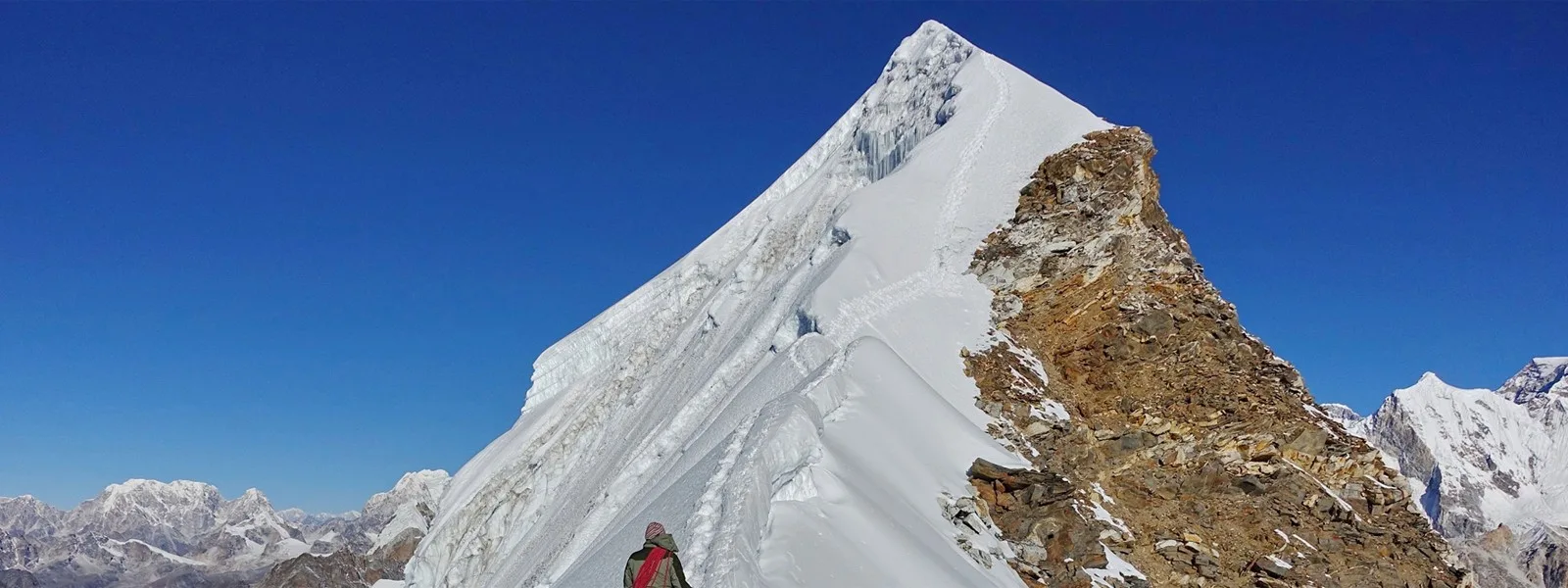
Throughout the journey, trekkers can enjoy breathtaking views of some of the Himalayas’ most iconic peaks, including Annapurna I, Machhapuchhre (Fishtail), Dhaulagiri, Hiunchuli, and Annapurna South. The combination of changing landscapes, traditional settlements, and towering snow-capped mountains makes this trek a rewarding experience for nature lovers and adventure seekers. The journey culminates at Annapurna Base Camp, situated at an altitude of 4,130 meters (13,550 feet), where trekkers are surrounded by impressive Himalayan peaks and the dramatic scenery of the Annapurna Sanctuary.
One of the most distinctive features of the Annapurna Base Camp Trek is its diverse and ever-changing landscape. The journey begins with travel from Kathmandu to Pokhara, a vibrant lakeside city that serves as the gateway to the Annapurna region. From Pokhara, trekkers continue by road toward the trekking trailhead, with Nayapul mentioned as a starting point in some itineraries. The adventure then continues on foot through terraced farmland, green hills, dense forests, and traditional mountain settlements.
As trekkers gain elevation, the surrounding environment changes noticeably. Subtropical greenery gradually gives way to cooler forested areas, alpine meadows, and rugged mountain terrain. Rhododendron and other forest vegetation add natural beauty to sections of the trail, while the higher elevations reveal increasingly impressive views of the surrounding peaks. These changing environments make each stage of the trek distinctive and provide a close-up experience of the Annapurna region’s natural diversity.
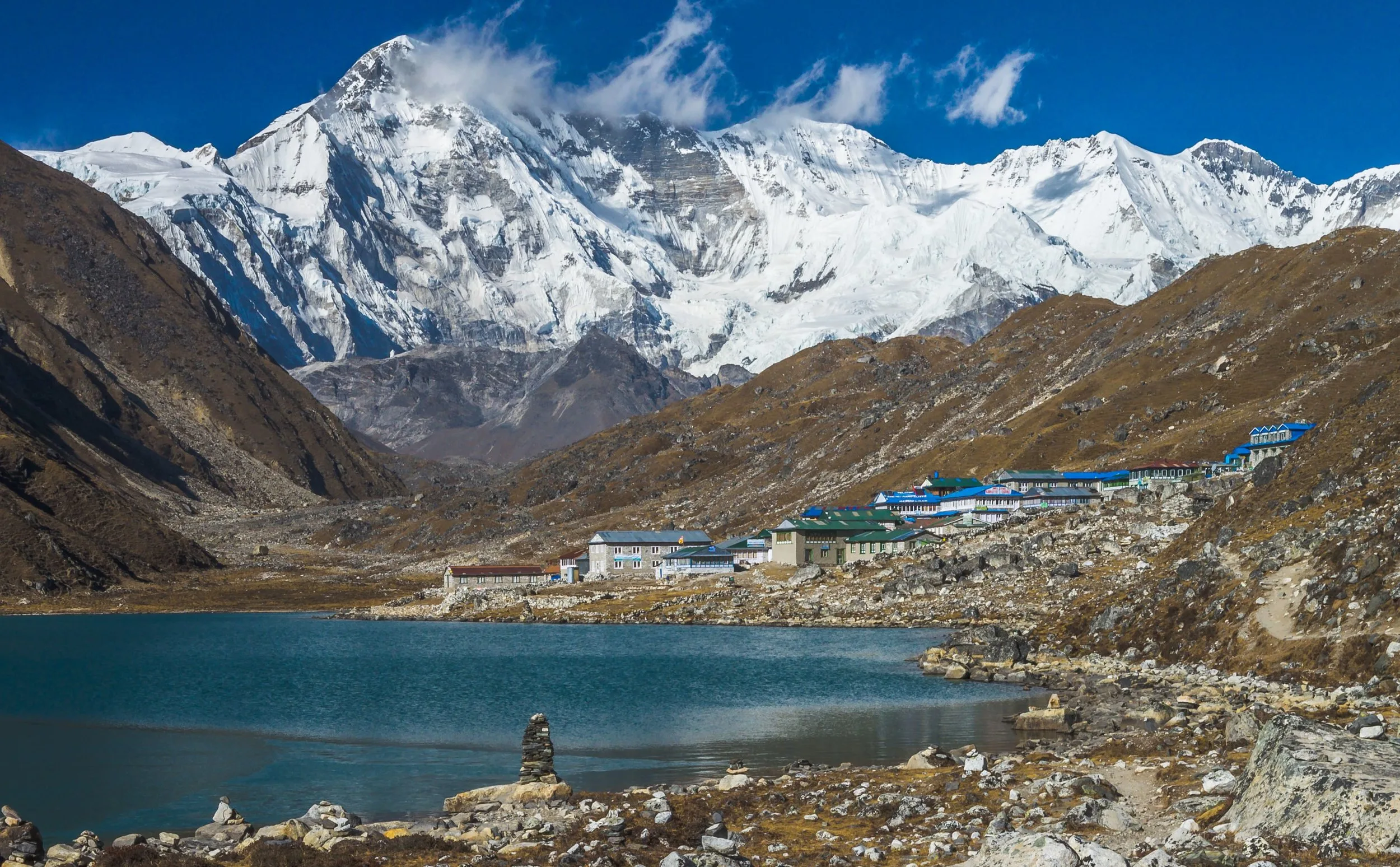
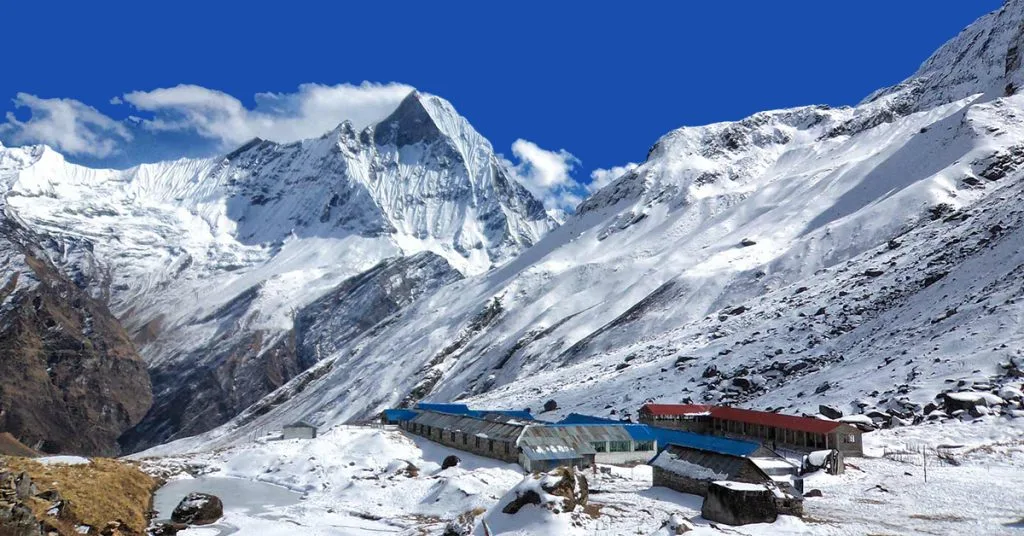
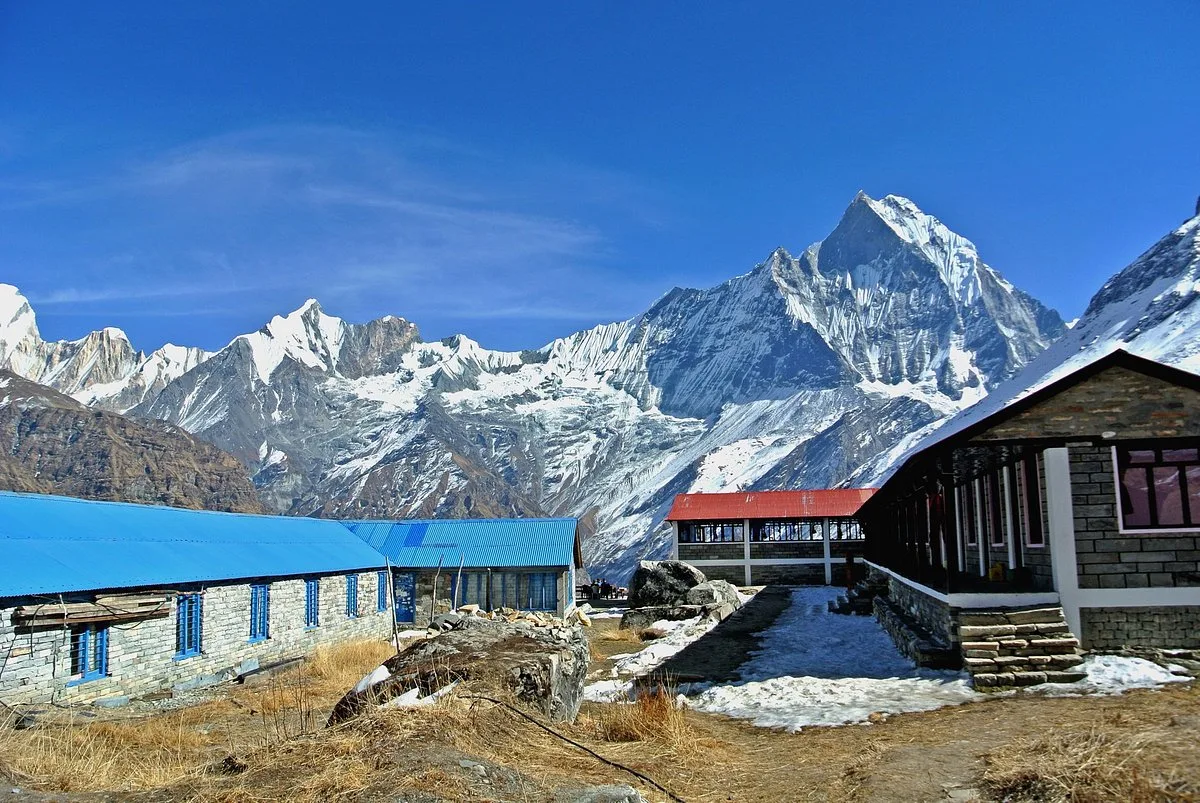
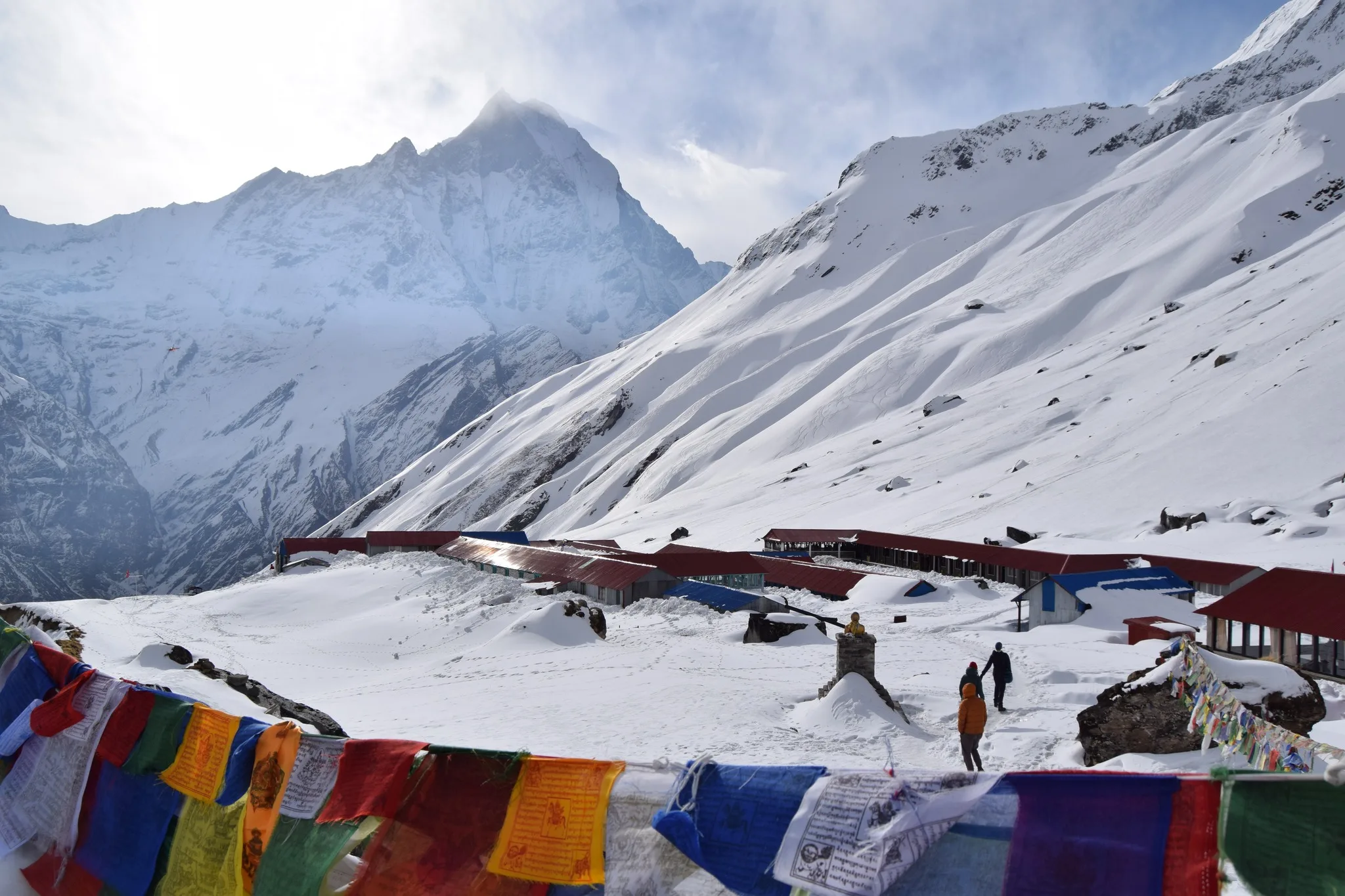
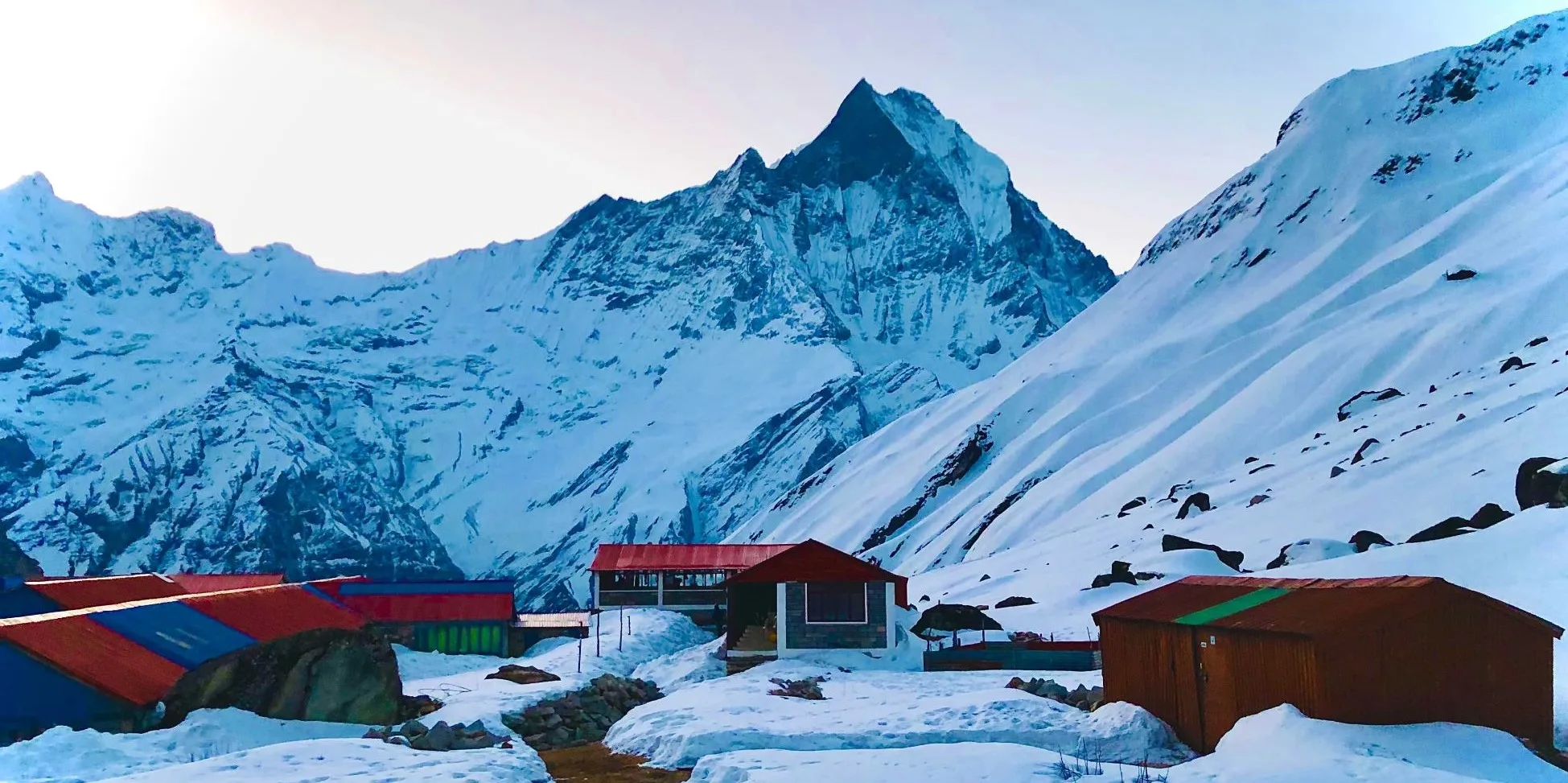
The highlight of the trek is reaching Annapurna Base Camp at 4,130 meters (13,550 feet). Located in the heart of the Annapurna range, the base camp offers a remarkable mountain setting with towering peaks rising around the surrounding sanctuary. The scale and beauty of the Himalayas create an unforgettable experience for trekkers who reach this destination after several days of walking through villages, forests, and high-altitude landscapes.
Among the prominent mountains visible in the region are Annapurna I (8,091 meters), Machhapuchhre (6,993 meters), Annapurna South (7,219 meters), and Dhaulagiri (8,167 meters). The panoramic scenery and dramatic mountain surroundings are among the most rewarding aspects of the journey. For many trekkers, arriving at base camp provides a strong sense of achievement and an opportunity to appreciate the grandeur of Nepal’s Himalayan landscape.
The Annapurna Base Camp Trek also offers opportunities to experience the cultural richness of Nepal’s mountain communities. The trail passes through picturesque villages such as Ghandruk, Chhomrong, and Bamboo, where trekkers can observe local lifestyles and experience the hospitality of the people who live in the region. These settlements provide a glimpse into the relationship between local communities and the surrounding mountain environment.
The region is home to Gurung, Magar, and other ethnic communities with distinctive traditions, customs, and cultural identities. Interactions with local residents, traditional village architecture, and the opportunity to enjoy local food add depth to the trekking experience. Beyond its natural scenery, the trek provides a meaningful introduction to the cultural heritage of the Annapurna region and the everyday lives of its communities.
For trekkers seeking additional mountain views, an optional side trip to Poon Hill can be included in certain itineraries. Poon Hill is a popular viewpoint known for its sunrise panoramas over the Annapurna and Dhaulagiri mountain ranges. Early in the morning, the changing light across the snow-covered peaks creates a memorable Himalayan landscape.
Including Poon Hill can add another scenic highlight to the journey, depending on the available time and chosen route. It offers a different perspective of the surrounding mountains and can complement the experience of reaching Annapurna Base Camp. Trekkers interested in this option should discuss the itinerary and additional walking time with their trekking agency when planning the trip.
Accommodation during the Annapurna Base Camp Trek is generally provided by traditional teahouses along the route. These simple lodges offer places to rest after a day of trekking and provide meals prepared by local hosts. Staying in teahouses allows trekkers to experience the welcoming atmosphere of mountain communities while keeping the journey practical and accessible.
Common meals include traditional Nepali dishes and other simple options suited to trekking conditions. The journey can also be supported by experienced guides and porters who help with route navigation, luggage, and general trekking arrangements. Guides can share useful information about the region’s history, culture, geography, and landscapes, helping trekkers better understand the places they visit.
The Annapurna Base Camp Trek is generally suitable for people with a reasonable level of physical fitness. Although technical climbing skills are not usually required, the route includes uphill sections, uneven trails, and several days of walking. Preparing through regular walking and other endurance-building activities can help trekkers feel more comfortable during the journey.
The trek’s gradual ascent can help with altitude adjustment, but altitude sickness remains a potential concern as the route reaches 4,130 meters. Trekkers should maintain a steady pace, stay hydrated, take sufficient rest, and pay attention to how they feel at higher elevations. Itineraries can be customized with additional rest days to allow more time for acclimatization and to suit different fitness levels and travel preferences.
At World Trade Travel & Tours Pvt. Ltd., we aim to make the Annapurna Base Camp Trek a smooth, enjoyable, and enriching experience. From experienced trekking guides and personalized itineraries to transportation and accommodation arrangements, we help organize the essential aspects of the journey according to each trekker’s needs and preferences.
Our trekking guides share their knowledge of the Annapurna region’s landscapes, culture, and local communities, helping travelers gain a deeper appreciation of the destination. With attention to safety, comfort, and the overall trekking experience, we aim to support trekkers throughout their journey to Annapurna Base Camp.
The Annapurna Base Camp Trek combines spectacular Himalayan scenery, diverse natural landscapes, traditional villages, and meaningful cultural experiences. From the green hills and terraced fields to the alpine terrain and towering peaks surrounding base camp, every stage of the journey offers a different perspective on Nepal’s natural beauty.
Whether you are drawn by the panoramic mountain views, the hospitality of local communities, or the achievement of reaching Annapurna Base Camp at 4,130 meters, this trek offers a memorable Himalayan adventure. World Trade Travel & Tours Pvt. Ltd. invites you to explore the Annapurna region and experience its remarkable landscapes and cultural heritage on a journey through the heart of the Himalayas.
Destination: The Annapurna Base Camp Trek is a renowned Himalayan trekking route in Nepal, combining spectacular mountain scenery with cultural experiences.
Maximum Elevation: Annapurna Base Camp is located at 4,130 meters (13,550 feet) above sea level, surrounded by towering Himalayan peaks.
Mountain Panoramas: Key peaks include Annapurna I (8,091 m), Machhapuchhre (6,993 m), Annapurna South (7,219 m), and Dhaulagiri (8,167 m).
Diverse Landscapes: The trail passes through subtropical forests, terraced rice fields, alpine meadows, dense forests, and rugged glacial terrain.
Route and Access: The journey typically starts with travel from Kathmandu to Pokhara, followed by road transport toward the trekking trailhead; Nayapul is mentioned as a starting point in some itineraries.
Cultural Encounters: Villages such as Ghandruk, Chhomrong, and Bamboo offer opportunities to experience the traditions and hospitality of Gurung, Magar, and other local communities.
Optional Poon Hill Excursion: A side trip to Poon Hill provides panoramic sunrise views over the Annapurna and Dhaulagiri mountain ranges.
Teahouse Accommodation: Traditional teahouses provide places to rest and enjoy locally prepared meals throughout the trekking journey.
Difficulty and Acclimatization: The trek suits people with reasonable fitness. Extra rest days and a gradual ascent can support acclimatization, although altitude sickness remains a potential risk.
Guided Trekking Services: World Trade Travel & Tours Pvt. Ltd. offers experienced guides, personalized itineraries, accommodation, and transportation arrangements to support the trek.
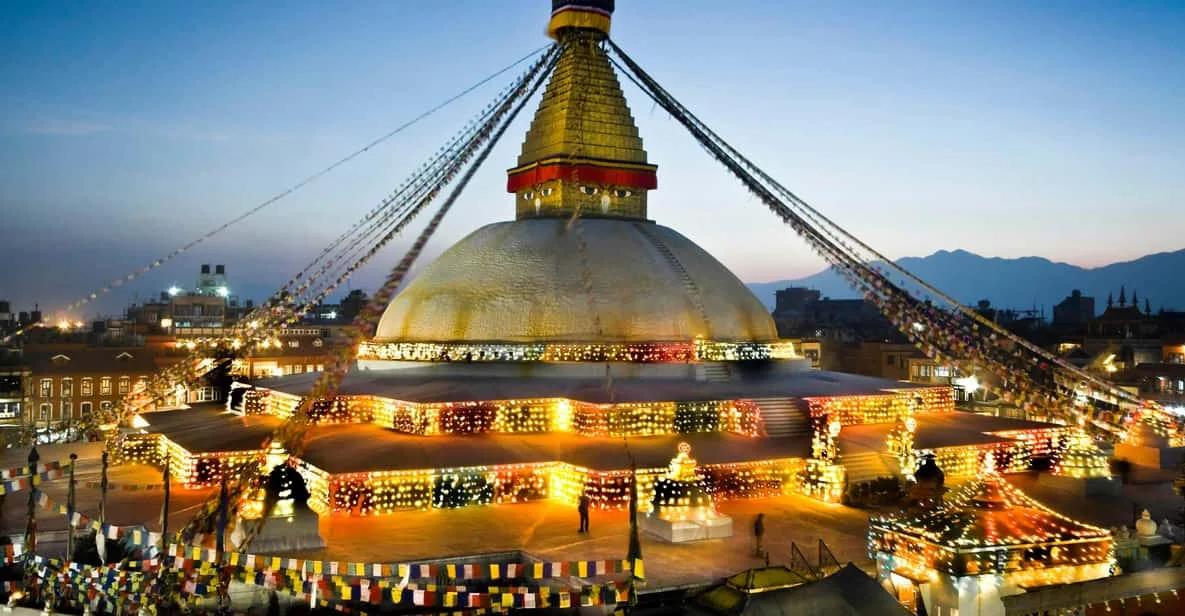
Your journey begins as you arrive in Kathmandu, Nepal’s bustling capital city. Upon your arrival, you will be greeted by our representative, who will transfer you to your hotel. After checking into your hotel and resting, you will meet your trekking guide who will provide a detailed briefing on the trek, covering important information about the route, acclimatization, safety guidelines, and tips for making your journey comfortable and enjoyable. Kathmandu is a vibrant city, full of historical landmarks, temples, and cultural heritage, and if time allows, you can begin exploring the local area. The day concludes with a good night’s rest, as you prepare for the adventure ahead.
The next morning, after breakfast, you will embark on a scenic drive from Kathmandu to Nayapul, the starting point of your trek. The drive takes you through the lush countryside of Nepal, offering glimpses of terraced fields, rivers, and small villages, before reaching Nayapul. Upon arrival, you will begin your trek towards Ghandruk, a charming Gurung village located at an altitude of 1,940 meters. As you trek, you’ll pass through beautiful forests, cross small streams, and get your first views of the snow-capped peaks in the distance. Ghandruk is famous for its traditional stone houses, hospitable Gurung people, and panoramic views of Machhapuchhre (Fishtail) and Annapurna South. You will spend the night in a local teahouse, enjoying the peaceful surroundings and delicious Nepali cuisine.
After a restful night in Ghandruk, you will continue your trek towards Chhomrong, located at an altitude of 2,170 meters. The trail gradually ascends as you leave Ghandruk behind, passing through lush rhododendron forests, terraced fields, and crossing small bridges. Along the way, you will be treated to spectacular views of Annapurna South and Machhapuchhre. Chhomrong is a beautiful village that serves as a gateway to the Annapurna Base Camp Trek. It offers a stunning view of the Annapurna range and is home to a mixed community of Gurung and Magar people. You will spend the night in a teahouse, enjoying the serene atmosphere and preparing for the next day’s trek.
Your trek continues from Chhomrong to Bamboo, a village situated at 2,340 meters. The journey begins with a steep descent to the Modi Khola valley, where you will cross a suspension bridge. The trail then gradually ascends as you move through dense forests of oak and rhododendron trees. You will pass small villages and be surrounded by the natural beauty of the Annapurna Conservation Area. The trail leads you to Bamboo, a peaceful village situated beside a river. Bamboo is a great place to rest and soak in the surrounding beauty. You will spend the night here in a comfortable teahouse, ready for the challenging days ahead.
The next day, you will trek from Bamboo to Deurali, which is located at an altitude of 3,230 meters. The trail begins with a gradual ascent through thick forest, where you may encounter various species of wildlife, including colorful birds and perhaps even some monkeys. As you trek higher, the landscape becomes more rugged, with views of towering peaks and cascading waterfalls. The route is scenic and offers several beautiful spots to rest and enjoy the view. After a long day of trekking, you will arrive in Deurali, a small settlement nestled in a dramatic location surrounded by mountains. Here, you will rest and acclimatize in preparation for reaching Annapurna Base Camp.
Today is the highlight of your trek as you ascend to Annapurna Base Camp (4,130 meters), located at the heart of the Annapurna range. Your trek begins with a climb from Deurali to Machhapuchhre Base Camp (3,700 meters), which offers awe-inspiring views of Machhapuchhre, Annapurna South, and other surrounding peaks. From here, the trail continues upwards through rocky terrain, passing alpine meadows and moraine fields. Finally, after a rewarding climb, you will reach Annapurna Base Camp, where you will be surrounded by a panoramic view of towering peaks like Annapurna I, Annapurna South, and Hiunchuli. The feeling of being amidst such magnificent mountains is overwhelming. You will spend the night at Annapurna Base Camp, savoring the moment of achievement.
After spending a night at Annapurna Base Camp, you will begin your descent back to Bamboo. The trek back is mostly downhill, retracing your steps through rocky terrain and dense forests. You will pass by Machhapuchhre Base Camp again, enjoying more views of the mountains before descending into the Modi Khola valley. The trail is less strenuous on the way down, and you will reach Bamboo by the end of the day. You will stay overnight in a teahouse at Bamboo, reflecting on the incredible views and experiences of the past few days.
Your trek takes you to Jhinu Danda, a village famous for its natural hot springs. From Bamboo, you will trek through lush forests and picturesque terraced fields, gradually ascending towards Jhinu Danda. Once you arrive, you can relax and rejuvenate in the hot springs, which are believed to have therapeutic properties. After soaking in the warm water and unwinding, you will stay overnight in a teahouse in Jhinu Danda.
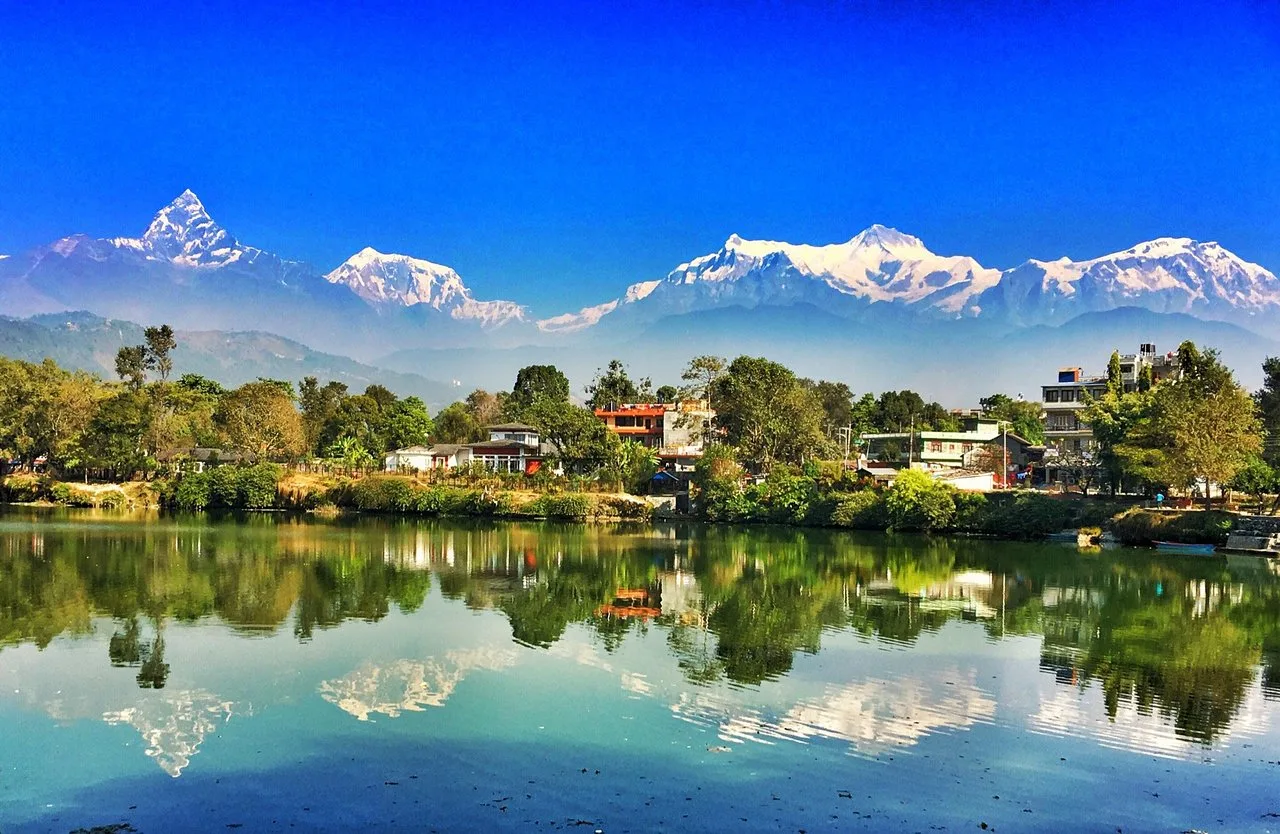
After a relaxing night in Jhinu Danda, you will trek to Nayapul, retracing your steps back through small villages and scenic landscapes. Upon reaching Nayapul, you will drive to Pokhara, where you can unwind by the tranquil Phewa Lake, explore the local markets, and enjoy the laid-back atmosphere of the lakeside town. Pokhara is the perfect place to relax and reflect on your trekking adventure. You will spend the night in a comfortable hotel, surrounded by stunning mountain views.
On the final day of your trek, you will either drive or fly back to Kathmandu from Pokhara. The drive offers beautiful views of the countryside, while the flight provides a bird’s eye view of the majestic Himalayas. Upon arrival in Kathmandu, you will have some free time to explore the city, shop for souvenirs, or simply relax before your onward journey. Depending on your flight schedule, we will ensure your transfer to the airport for your departure or extend your stay in Kathmandu to explore more of this vibrant city.
| Start Date | End Date | Price | Space Left | |
|---|---|---|---|---|
| February 3, 2025 Friday | February 28, 2025 Monday | $ 2877 | 07 | Book |
| March 4, 2025 Friday | February 24, 2025 Monday | $ 2879 | 09 | Book |
| March 23, 2025 Sunday | April 16, 2025 Tuesday | $ 2880 | 05 | Book |
– Clothing
Thermal Wear: Pack thermal tops and bottoms to provide insulation during cold mornings, evenings, and nights at higher elevations.
Waterproof Rain Jacket: Carry a waterproof and wind-resistant jacket to protect yourself from rain, wind, and changing mountain weather.
Trekking Pants: Bring comfortable, lightweight, and quick-drying trekking pants that allow easy movement during long walking days.
Warm Gloves: Pack insulated gloves to keep your hands warm in cold conditions, particularly during early-morning walks and at higher elevations.
Layered Clothing: Dress in multiple layers so you can adjust your clothing according to changes in temperature and activity level.
– Footwear
Trekking Boots: Choose comfortable, well-fitting trekking boots with good grip and ankle support to help you walk safely on rocky, uneven, and sometimes slippery trails.
Sandals: Carry lightweight sandals or comfortable camp footwear to wear at teahouses and allow your feet to rest after a long day of trekking.
Trekking Socks: Pack several pairs of comfortable, moisture-wicking socks to help keep your feet dry and reduce friction and the risk of blisters.
Proper Fit: Break in your trekking boots before the journey to reduce discomfort and help prevent blisters during extended walks.
– Accessories
Hat: Bring a sun hat or cap to protect your head and face from direct sunlight during daytime trekking.
Sunglasses: Carry quality sunglasses to protect your eyes from bright sunlight and glare, particularly in exposed areas at higher elevations.
Trekking Poles: Use adjustable trekking poles to improve balance, provide additional support on uphill and downhill sections, and help reduce strain on your knees.
Headlamp: Pack a reliable headlamp for early-morning starts, evening activities, and moving around teahouses in low-light conditions. Carry spare batteries or ensure it is fully charged.
Camera: Bring a camera or smartphone to capture the mountain scenery, traditional villages, forests, and memorable moments throughout the trek.
– Essential Items
Sleeping Bag: Carry a suitable sleeping bag to provide extra warmth during cold nights, especially when teahouse blankets may not offer sufficient insulation.
Water Bottle: Bring a reusable water bottle to maintain hydration throughout the day. Refill it regularly and use an appropriate water-treatment method when necessary.
Sunscreen: Pack broad-spectrum sunscreen and apply it regularly to protect your skin from strong sunlight, particularly at higher elevations.
First Aid Kit: Carry a basic first aid kit containing essential supplies for minor cuts, scrapes, blisters, and other common trekking discomforts. Include any personal medications you may need.
Personal Organization: Keep essential items accessible and organize your equipment carefully so you can find what you need without unpacking your entire bag during the trek.
Teahouses are available throughout the Annapurna Base Camp Trek, providing trekkers with basic accommodation and meals along the route. Rooms are generally simple, usually furnished with twin beds, mattresses, and blankets. These lodges offer a convenient place to rest after a day of walking through forests, villages, and mountain landscapes.
Bathrooms are commonly shared, and facilities may vary depending on the location and altitude. As you progress toward higher elevations, accommodation can become more basic, with fewer amenities available. Trekkers should be prepared for simple living conditions and may wish to carry a suitable sleeping bag for additional warmth during cold nights.
Teahouses along the trekking route serve hearty and filling meals to help trekkers maintain their energy throughout the journey. Common options include rice, dal (lentils), vegetables, and other local dishes. Meat may also be available at lower elevations, depending on the teahouse and local supplies.
As you climb to higher elevations, menus may become simpler because transporting ingredients and supplies becomes more difficult. Food choices can therefore be more limited near the base camp than in lower villages. Eating regular meals and drinking enough water are important for maintaining energy and staying comfortable during the trek.
The Annapurna Base Camp Trek takes place in the Annapurna region, where trekking permits may be required. The permits listed for this trek are the Annapurna Conservation Area Permit (ACAP) and the Trekkers’ Information Management System (TIMS) card. These documents are associated with trekking access and trekker management in the region.
Trekkers should arrange the applicable permits before starting their journey and keep the required documents accessible during the trek. Permit requirements and procedures can change, so it is important to confirm the latest regulations with the relevant authorities or your trekking agency before departure.
Altitude sickness can occur when trekking at elevations above 3,000 meters, making health and safety important considerations on the Annapurna Base Camp Trek. As the route reaches approximately 4,130 meters, trekkers should allow time for their bodies to adjust to the increasing altitude. Walking at a steady pace and avoiding unnecessary rushing can help make the journey more manageable.
Staying hydrated, eating regularly, and taking sufficient rest are essential throughout the trek. Pay attention to how you feel as you gain elevation, and do not ignore symptoms such as headaches, dizziness, nausea, or unusual fatigue. If symptoms develop or worsen, stop ascending and seek appropriate medical advice; severe symptoms require urgent assistance and descent.
The ideal months for the Annapurna Base Camp Trek are generally March to May and September to November. These periods are popular because they often offer favorable trekking conditions and opportunities to enjoy the region’s mountain scenery. Choosing an appropriate season can make walking more comfortable and improve the overall trekking experience.
Spring, from March to May, brings milder conditions and seasonal blooms in parts of the trail, including rhododendron forests. Autumn, from September to November, is another favored period for trekking, often providing clear mountain views after the monsoon season. Weather can still change in the Himalayas, so trekkers should prepare for varying temperatures and conditions regardless of the season.