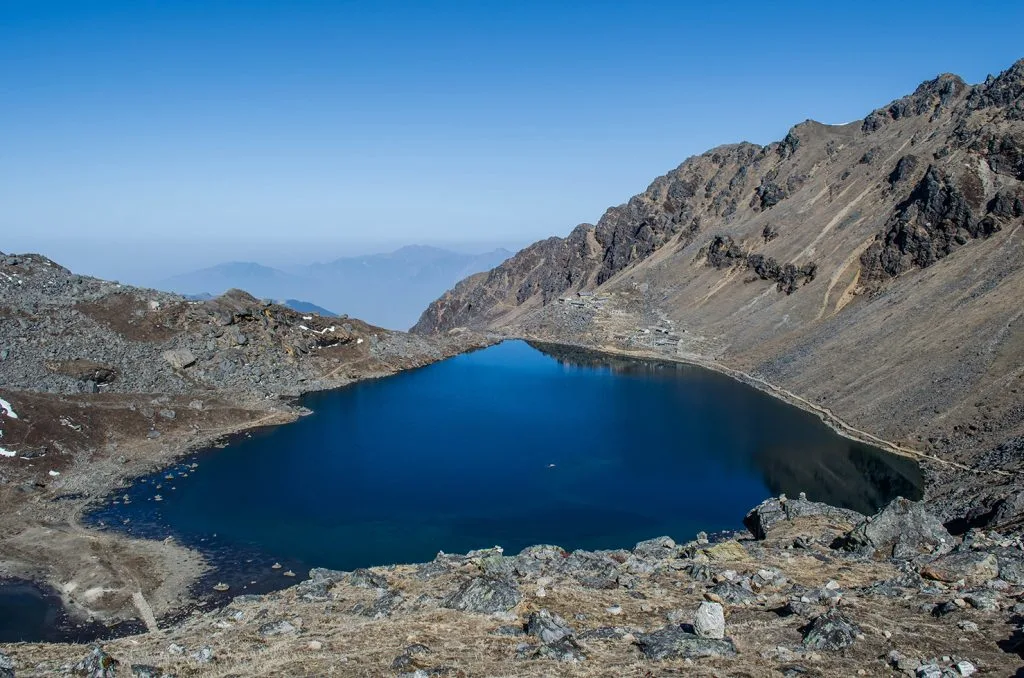
Gosaikunda Trek
Price From: N/A
7 Days/6 Nights

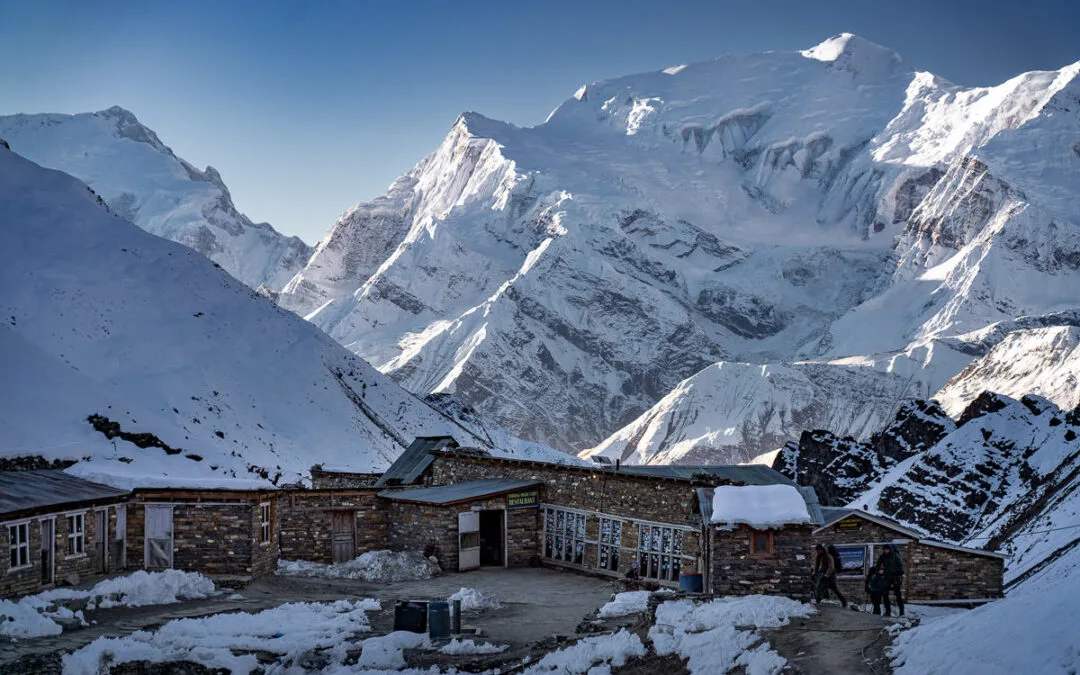
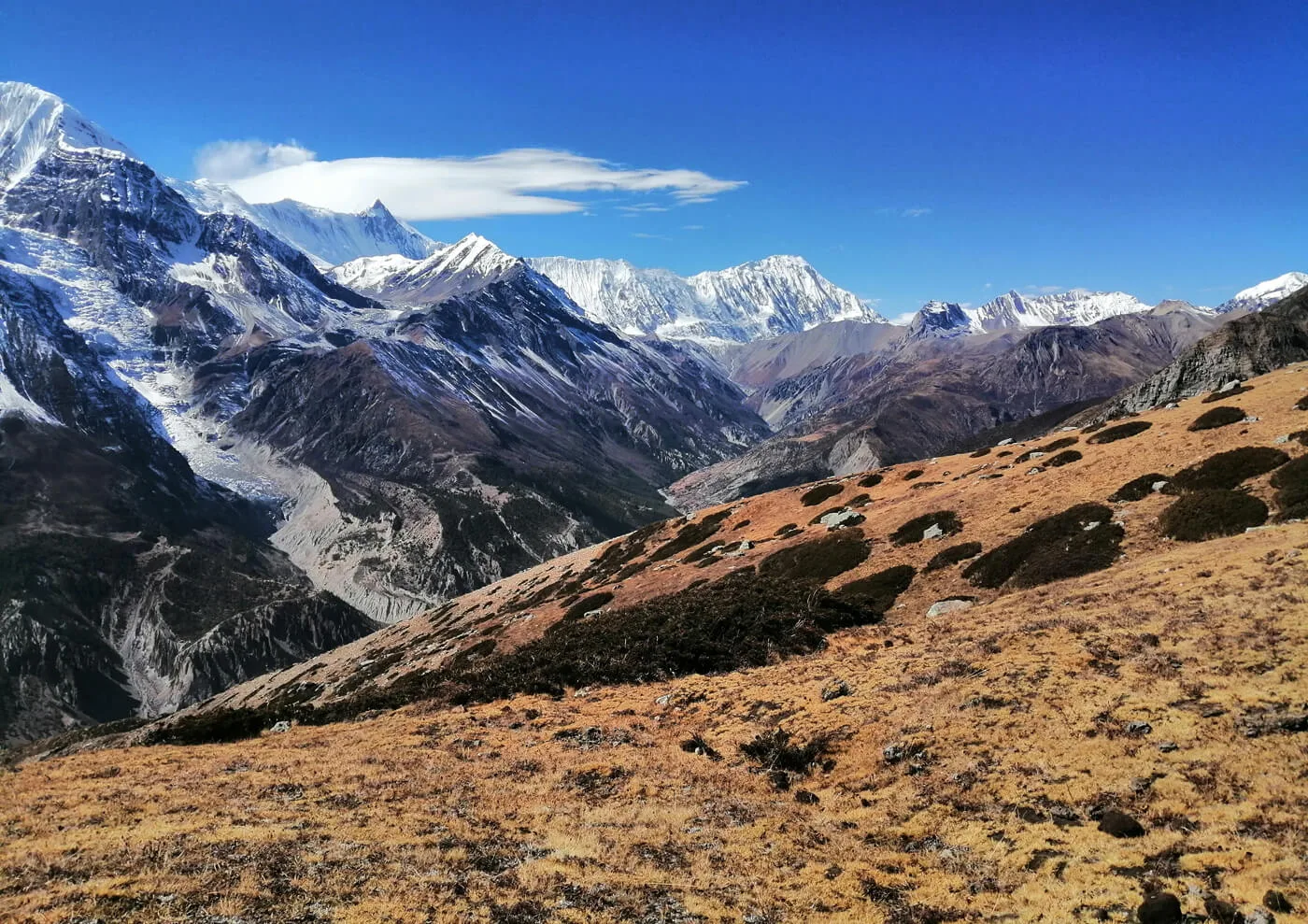
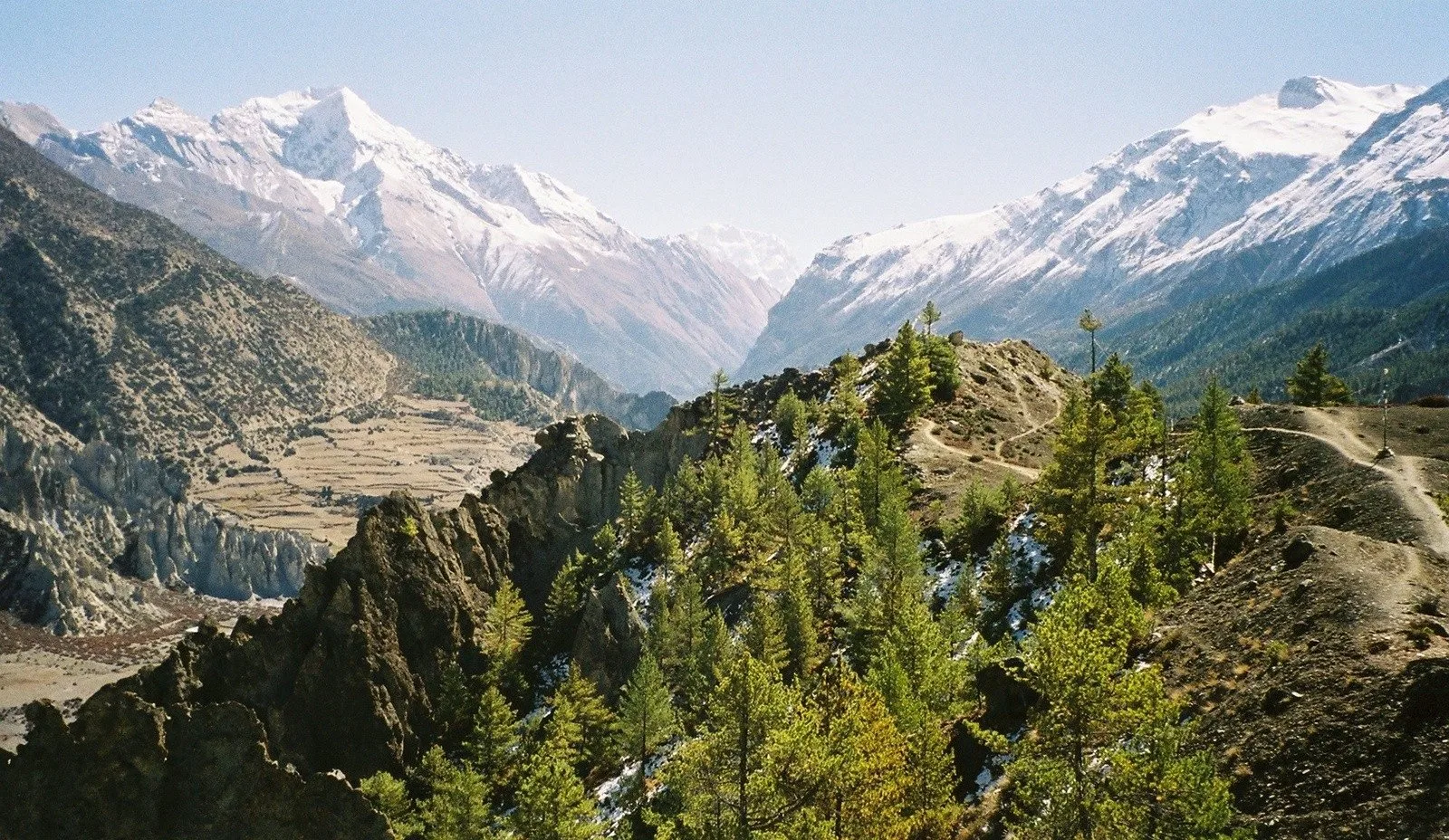
The Annapurna Circuit Trek stands as one of Nepal’s most iconic trekking experiences, offering a remarkable journey through diverse landscapes and a chance to delve into the rich cultural heritage of the Himalayas. This trek is a must for adventurers seeking an immersive experience, as it takes travelers through verdant forests, terraced farmland, charming villages, and the rugged beauty of the high Himalayas. The Annapurna region’s unparalleled scenery and vibrant local culture make this trek a truly transformative journey. The Annapurna Circuit Trek offers a mesmerizing array of landscapes that evolve dramatically as trekkers ascend. Beginning in subtropical valleys, you will find yourself walking through lush forests filled with rhododendron, pine, and bamboo. These forests are home to a variety of wildlife, adding an element of excitement to the trek.
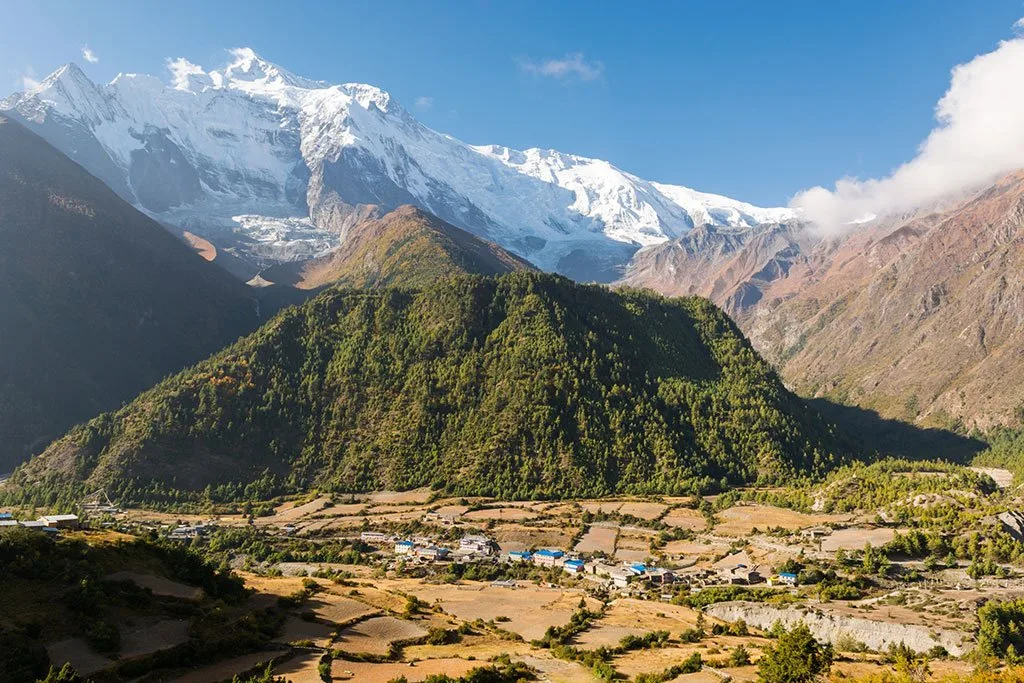
As the journey progresses, terraced fields and picturesque villages appear, each one a testament to the harmonious relationship between the local communities and their environment. Further along, the trail transitions into alpine meadows and rugged terrain, eventually leading to the arid, barren landscapes of the high-altitude region. This ever-changing scenery ensures that every day on the trek feels fresh and exhilarating. One of the most rewarding aspects of the Annapurna Circuit Trek is the opportunity to interact with the local communities that call this region home. The trail passes through villages inhabited by the Gurung, Thakali, and Manangi communities, each offering unique cultural experiences.
Trekkers can witness traditional lifestyles, enjoy the warmth of local hospitality, and sample authentic Nepali cuisine. The monasteries, prayer flags, and chortens scattered along the route highlight the deep spiritual connection the locals have with their environment, adding a sense of serenity and purpose to the journey.
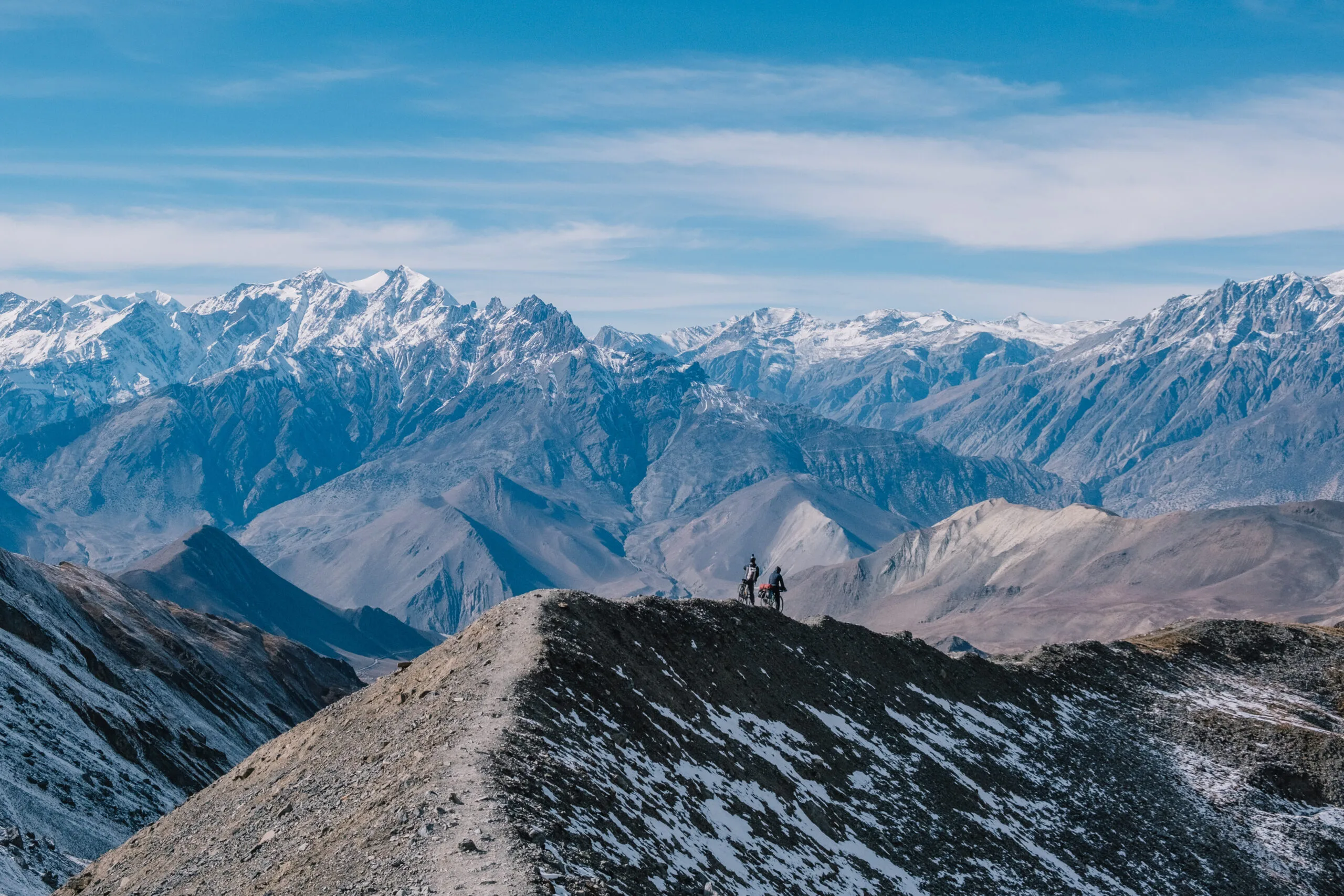
At an elevation of 5,416 meters, Thorong La Pass is the crowning achievement of the Annapurna Circuit Trek. This high-altitude pass is a test of endurance and determination, rewarding trekkers with jaw-dropping panoramic views of the Annapurna and Dhaulagiri mountain ranges. The feeling of accomplishment at reaching this milestone is unparalleled and creates lasting memories for all who cross it. The Annapurna Circuit Trek is suitable for trekkers of varying skill levels, with options to customize the route based on time and preferences. Traditionally a 15-20 day trek, the circuit can be shortened by incorporating road access to some villages. Additionally, the availability of teahouses along the route ensures comfortable accommodations and meals, making the trek accessible without extensive logistical planning.
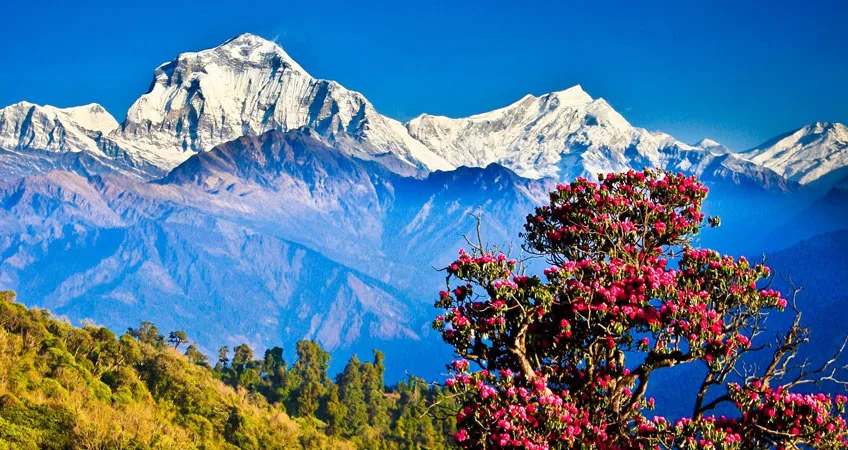
The ideal time for the Annapurna Circuit Trek is during the spring (March to May) and autumn (September to November) seasons. These periods offer stable weather, clear skies, and vibrant natural scenery. Spring brings blooming rhododendrons and lush greenery, while autumn showcases crisp air and excellent mountain visibility.
At World Trade Travel & Tours Pvt. Ltd., we strive to provide a seamless and enriching trekking experience. Our experienced guides are well-versed in the region’s culture, history, and geography, ensuring that you not only see but also understand and appreciate the Annapurna Circuit’s wonders.
We prioritize safety, comfort, and environmental sustainability. From detailed pre-trek briefings to personalized itineraries, we cater to the unique needs of each trekker. By choosing us, you embark on a journey supported by a dedicated team committed to making your Annapurna Circuit Trek truly unforgettable.
The Annapurna Circuit Trek is more than just a trek; it’s a journey that takes you through the heart of Nepal’s natural beauty and cultural richness. From the verdant valleys to the high mountain passes, each step offers a new adventure, a new discovery, and a deeper connection to the majestic Himalayas. World Trade Travel & Tours Pvt. Ltd. invites you to embark on this extraordinary adventure. Let us guide you through the Annapurna Circuit’s breathtaking landscapes and vibrant cultures, creating memories that will last a lifetime.
Upon your arrival at Tribhuvan International Airport in Kathmandu, you will be welcomed by a representative who will assist you in transferring to your hotel. After you have checked in and settled into your room, you will meet your trekking guide, who will provide you with an informative briefing about the trek, including the route, itinerary, and essential trekking tips. This briefing ensures that you are well-prepared for the adventure ahead. You can spend the rest of the day at leisure, either exploring Kathmandu’s bustling streets and cultural landmarks or relaxing in the comfort of your hotel, preparing for the trek the following day.
After a hearty breakfast, you will set off for a scenic drive from Kathmandu to Besi Sahar, the starting point of your trek. The drive takes you through the picturesque countryside, with views of rolling hills, terraced fields, and small villages. Upon arrival in Besi Sahar, you will begin your trek, heading towards Bhulbule. This portion of the trek takes you along the Marsyangdi River, passing through lush greenery and tranquil landscapes. Upon arrival at Bhulbule, you will stay at a teahouse where you can rest and recharge for the next day’s trek.
Your trek continues today along the Marsyangdi River, with the path winding through scenic villages, terraced fields, and small streams. You will be immersed in the beauty of the surroundings as you pass through rural settlements where the local culture is rich, and the lifestyle remains simple and traditional. The trail gradually ascends, taking you to Chamje, a charming village where you will stay overnight at a teahouse. The views along the trek are stunning, with glimpses of the snow-capped peaks of the Annapurna and Lamjung Himal ranges in the distance.
Today, you will trek through dense forests of oak and pine trees, heading towards the village of Bagarchhap. The trail passes through traditional villages, offering the opportunity to interact with local residents and experience the hospitality of the region. As you walk, you will be rewarded with incredible views of the towering peaks of Manaslu and the Annapurna range, which form the backdrop of the trek. Bagarchhap is a quiet and picturesque village, where you will rest for the night at a local teahouse. The trek today is moderately challenging, but the spectacular landscapes make it a rewarding experience.
Today’s trek will take you through pine forests and barley fields as you make your way toward Chame, the administrative headquarters of the Manang District. Along the way, you will pass through charming villages, and the terrain will become more rugged as you gain altitude. Chame is a bustling town with a variety of amenities, and it offers stunning views of the surrounding peaks, including Lamjung Himal and Annapurna II. After a day of trekking, you will stay overnight at a comfortable teahouse in Chame, where you can relax and enjoy the mountain scenery.
To ensure that your body properly adjusts to the increasing altitude, today will be a rest and acclimatization day in Chame. Acclimatization is crucial to avoid altitude sickness, and you can spend the day resting, taking short hikes to nearby viewpoints, or exploring the village. The village offers stunning views of the mountains, and you may visit the nearby hot springs to relax and rejuvenate. This day will help you prepare for the higher altitudes you will encounter in the coming days.
Today, you will continue your trek toward Upper Pisang. The route takes you through apple orchards and traditional Tibetan-style villages. The village of Pisang is located on the slope of a hill and offers spectacular views of the Annapurna range. As you ascend, you will pass through picturesque forests, with snow-capped peaks forming the backdrop of your journey. Upper Pisang is a quiet, peaceful village where you will stay for the night in a cozy teahouse, allowing you to enjoy the serene environment and prepare for the next day’s trek.
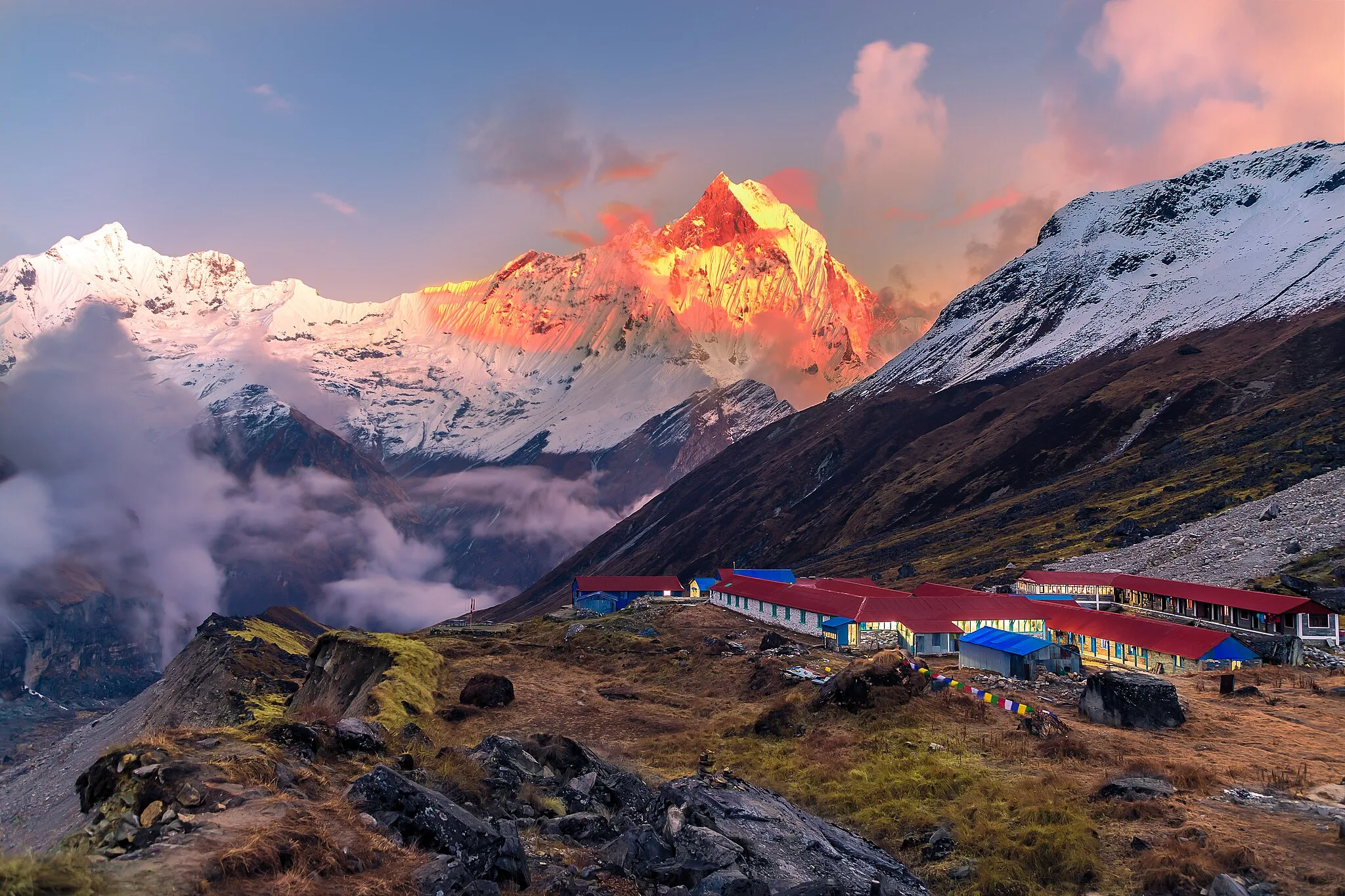
You will trek to Manang, one of the most popular and significant villages on the Annapurna Circuit. The trek takes you through a variety of landscapes, from lush forests to alpine meadows, all while offering breathtaking views of the Annapurna and Gangapurna ranges. Manang is a large village with several teahouses, shops, and facilities for trekkers. It is also a popular spot for acclimatization, and you will have time to explore the village, interact with locals, and enjoy the stunning mountain views that surround it. The day ends with a well-deserved rest in Manang, where you will prepare for the challenging days ahead.
Another important acclimatization day is planned in Manang. This day allows you to further adjust to the high altitude before tackling the more strenuous sections of the trek. You can take short hikes to nearby viewpoints, such as the Gangapurna Lake or the Annapurna III base camp. Manang is also home to the Himalayan Rescue Association clinic, where you can learn more about the effects of altitude sickness and meet fellow trekkers. This day provides a valuable opportunity to rest and explore before continuing on your journey.
Today, you will trek to Yak Kharka, a small settlement located at a higher altitude. The trek involves a gradual ascent, with beautiful views of the surrounding mountains and valleys. As you move toward higher altitudes, the landscape becomes more rugged, with sparse vegetation and alpine meadows. Yak Kharka is known for its quiet environment, and it serves as a peaceful retreat for trekkers. After arriving, you will have time to rest and take in the surrounding scenery before settling in for the night.
You will continue your trek towards Thorong Phedi, the base camp for crossing the Thorong La Pass. The trail today involves a steady climb, and as you get closer to Thorong Phedi, the terrain becomes more challenging. Thorong Phedi is a small village that serves as the last stop before tackling the pass. After arriving, you will have the rest of the day to rest and prepare for the high-altitude crossing the following day.
This is one of the most challenging and rewarding days of the trek. You will begin the trek early in the morning to reach Thorong La Pass, the highest point of the Annapurna Circuit at an altitude of 5,416 meters (17,769 feet). The climb to the pass is strenuous, but once you reach the summit, you will be rewarded with panoramic views of the surrounding snow-capped peaks. After crossing the pass, you will descend towards Muktinath, a sacred site for both Hindus and Buddhists. Muktinath is known for its spiritual significance, and you will have the opportunity to explore the temples and enjoy the peaceful atmosphere of this holy place.
Today, you will trek to Jomsom via Kagbeni, a picturesque village located at the confluence of the Kali Gandaki and Mustang Rivers. Kagbeni is known for its ancient monasteries and unique Tibetan-style architecture. The trek from Muktinath to Kagbeni is relatively easy, and you will pass through dramatic landscapes with views of the surrounding peaks. After reaching Kagbeni, you will continue to Jomsom, a larger town that serves as the administrative center for the Mustang region. Jomsom is known for its windy weather and its role as a key point for trekkers.
After an exciting trek, today you will take a short flight from Jomsom to Pokhara. The flight is scenic, offering incredible aerial views of the Himalayas, and it will allow you to relax after the trek. Upon arrival in Pokhara, you can enjoy the serene lakeside atmosphere and take time to explore the city. Pokhara is known for its beautiful surroundings, with Phewa Lake offering opportunities for boating and relaxation. You can also visit other attractions in the area, such as the World Peace Pagoda or the caves nearby.
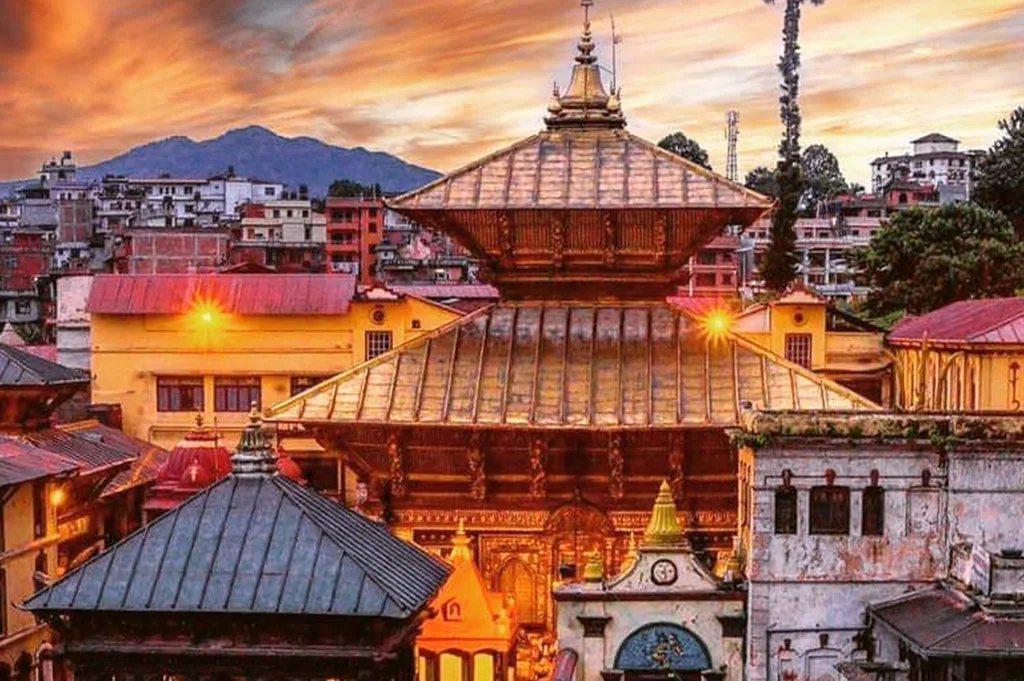
On your final day, you will either drive or fly back to Kathmandu from Pokhara. The drive offers scenic views of the hills and valleys of Nepal, while the flight is a quick and easy option to return to the capital. Once in Kathmandu, you will have time to explore the vibrant city, shop for souvenirs, or visit cultural landmarks such as the Swayambhunath Stupa (Monkey Temple) or the Pashupatinath Temple. After a day of exploration, your adventure will come to a close, and you will be transferred to the airport for your onward journey.
| Start Date | End Date | Price | Space Left | |
|---|---|---|---|---|
| February 3, 2025 Friday | February 28, 2025 Monday | $ 2877 | 07 | Book |
| March 4, 2025 Friday | February 24, 2025 Monday | $ 2879 | 09 | Book |
| March 23, 2025 Sunday | April 16, 2025 Tuesday | $ 2880 | 05 | Book |
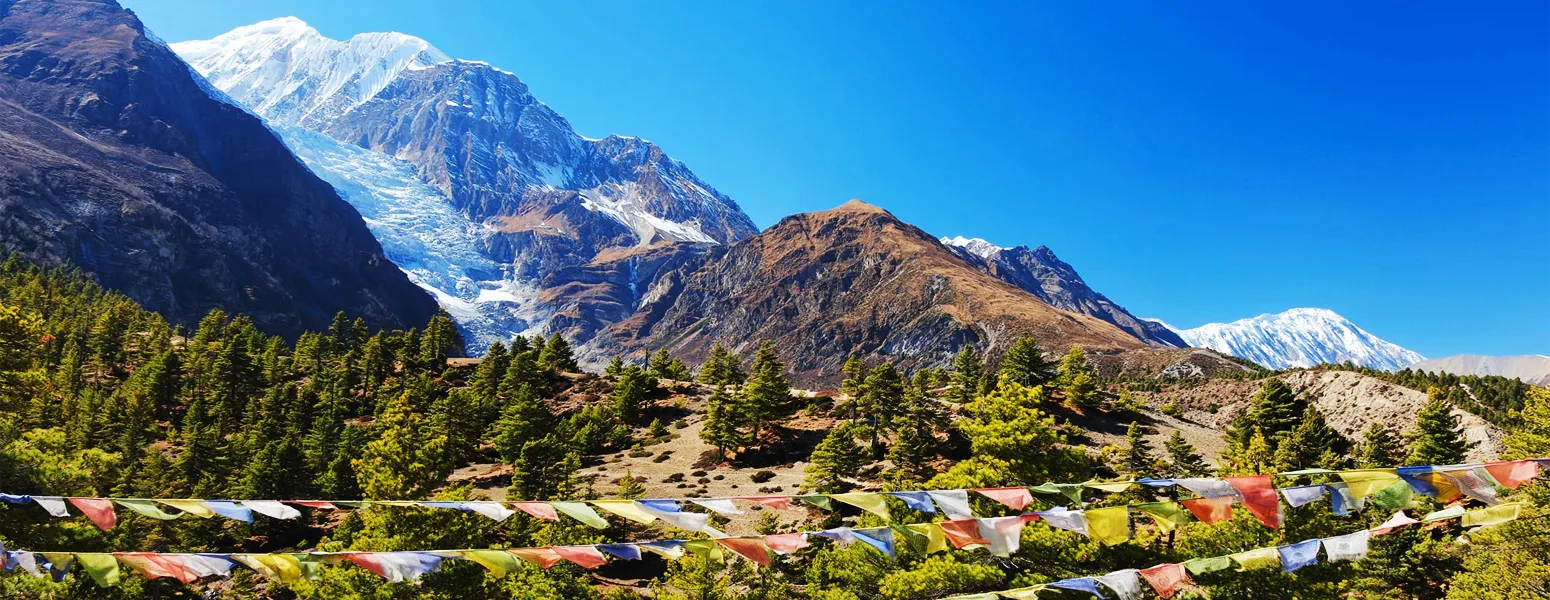
Accommodation during the Annapurna Circuit Trek is generally provided by basic teahouses located along the trekking route. These teahouses offer simple rooms, usually furnished with twin beds, mattresses, and blankets. They provide trekkers with a convenient place to rest and recover after long days of walking through mountain landscapes and traditional villages.
Most teahouses have shared bathrooms, while the availability of hot showers, charging facilities, and other amenities varies by location. Facilities may be more limited at higher elevations, so trekkers should be prepared for basic living conditions and consider carrying a suitable sleeping bag to stay warm during cold nights.
Meals along the Annapurna Circuit Trek provide energy for long walking days and changing elevations. Common options include traditional Nepali dal bhat (rice, lentils, and vegetables), noodles, soups, potatoes, and other hearty dishes. Meat may also be available at lower altitudes, depending on the teahouse and the availability of supplies.
As the trail climbs to higher elevations, food choices may become simpler because ingredients and supplies are more difficult to transport. Meal prices may also increase at higher locations. Trekkers should eat regular, nourishing meals and drink plenty of fluids to maintain energy throughout the journey.
The Annapurna Conservation Area Permit (ACAP) is associated with trekking within the Annapurna Conservation Area. It supports the management and conservation of the region’s natural environment and helps protect its unique landscapes and biodiversity. Trekkers should check the current permit requirements before beginning their journey.
The Trekkers’ Information Management System (TIMS) card has also been listed among the trekking documentation requirements. However, permit rules can change, so trekkers should confirm the latest requirements with the relevant Nepalese authorities or a registered trekking agency before departure. Keep the required permits and identification documents accessible during the trek.
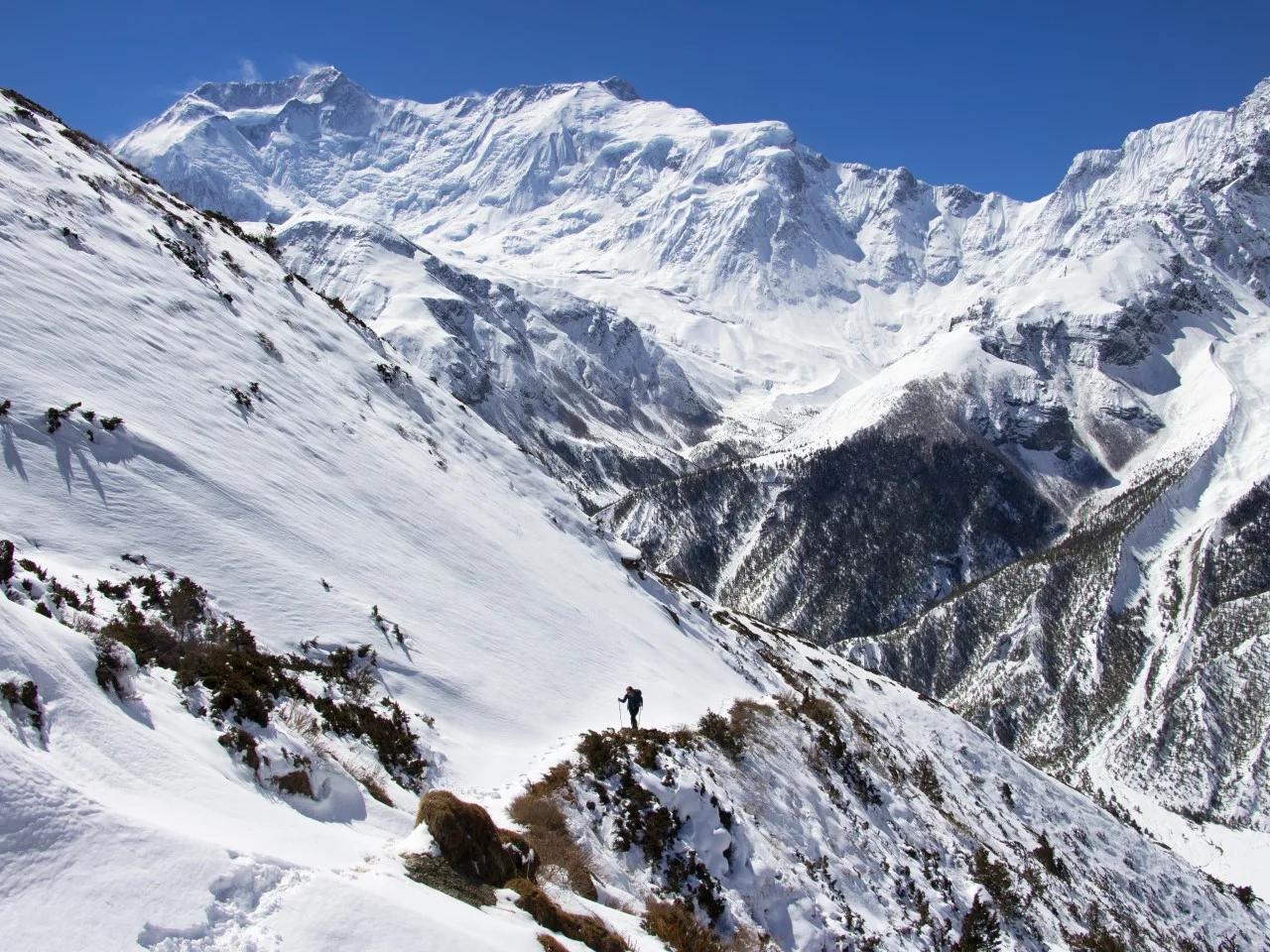
Altitude sickness is an important consideration on the Annapurna Circuit Trek, particularly when ascending above 3,000 meters. Symptoms may include headaches, dizziness, nausea, fatigue, and difficulty sleeping. To reduce the risk, trekkers should ascend gradually, walk at a comfortable pace, drink enough water, eat regularly, and take sufficient rest breaks.
It is important to monitor your health throughout the journey and avoid pushing beyond your limits. If symptoms of altitude sickness develop or worsen, stop ascending and seek advice from a qualified guide or medical professional. Severe symptoms, such as confusion, difficulty walking straight, or breathlessness at rest, require urgent assistance and descent to a lower altitude.
The best time for the Annapurna Circuit Trek is generally during spring (March to May) and autumn (September to November). These seasons typically offer favorable trekking conditions, relatively stable weather, and clear skies for mountain views. Spring brings blooming rhododendrons and fresh greenery, adding vibrant colors to the lower forests and hillsides.
Autumn is another popular season, often providing crisp mountain air and excellent visibility across the Annapurna and Dhaulagiri ranges. Weather conditions can still vary, particularly at higher elevations and around Thorong La Pass. Trekkers should check the forecast before departure and prepare suitable clothing for changing temperatures and mountain conditions.