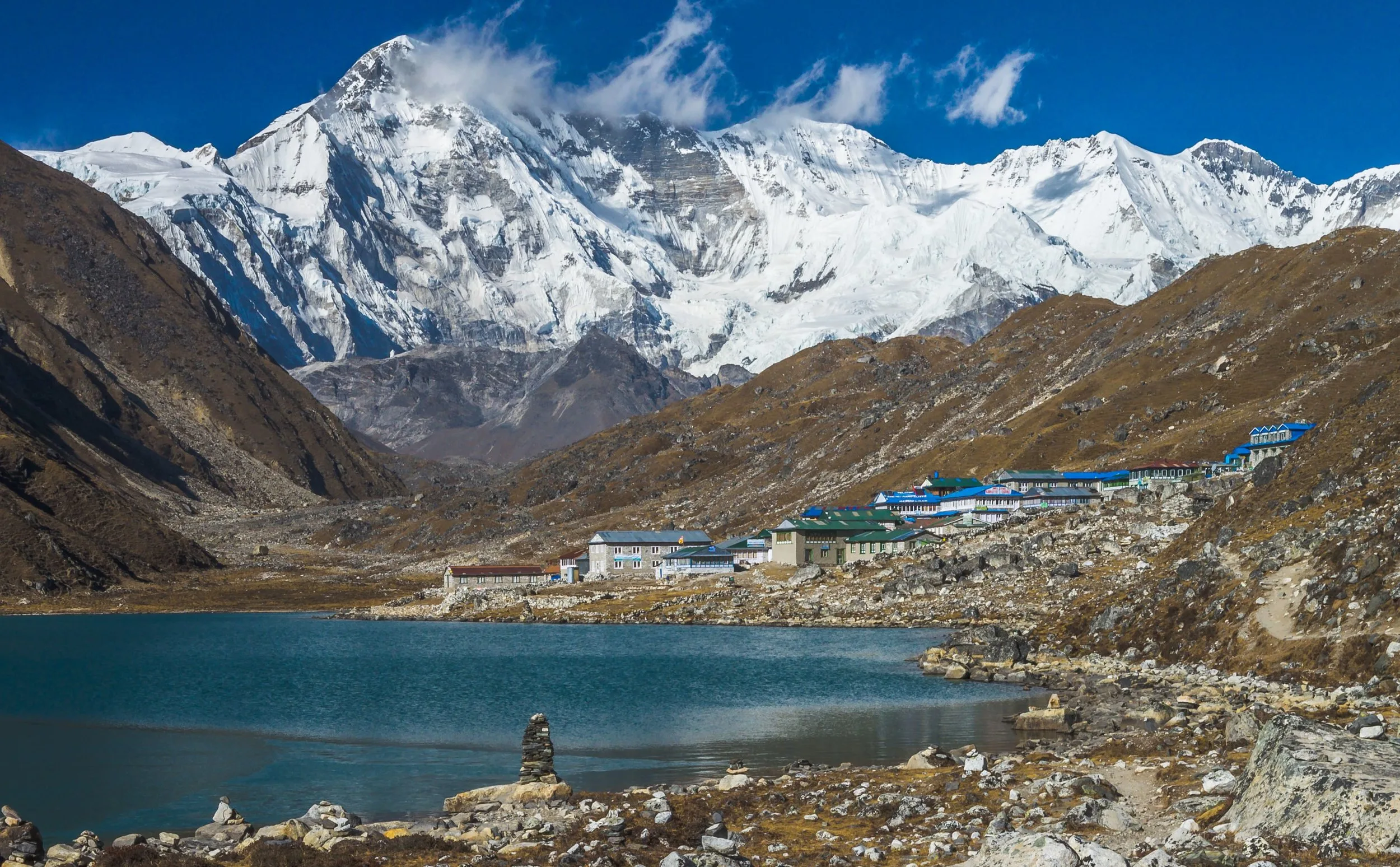
Three Pass Trek
Price From: N/A
16 Days/15 Nights

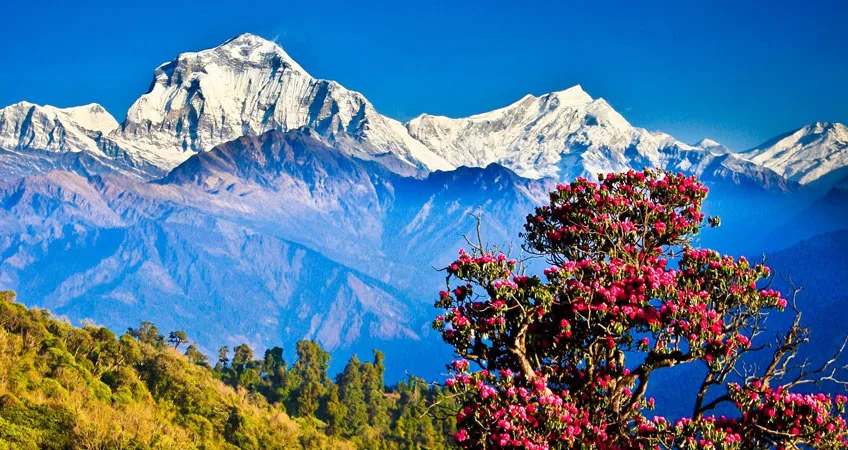
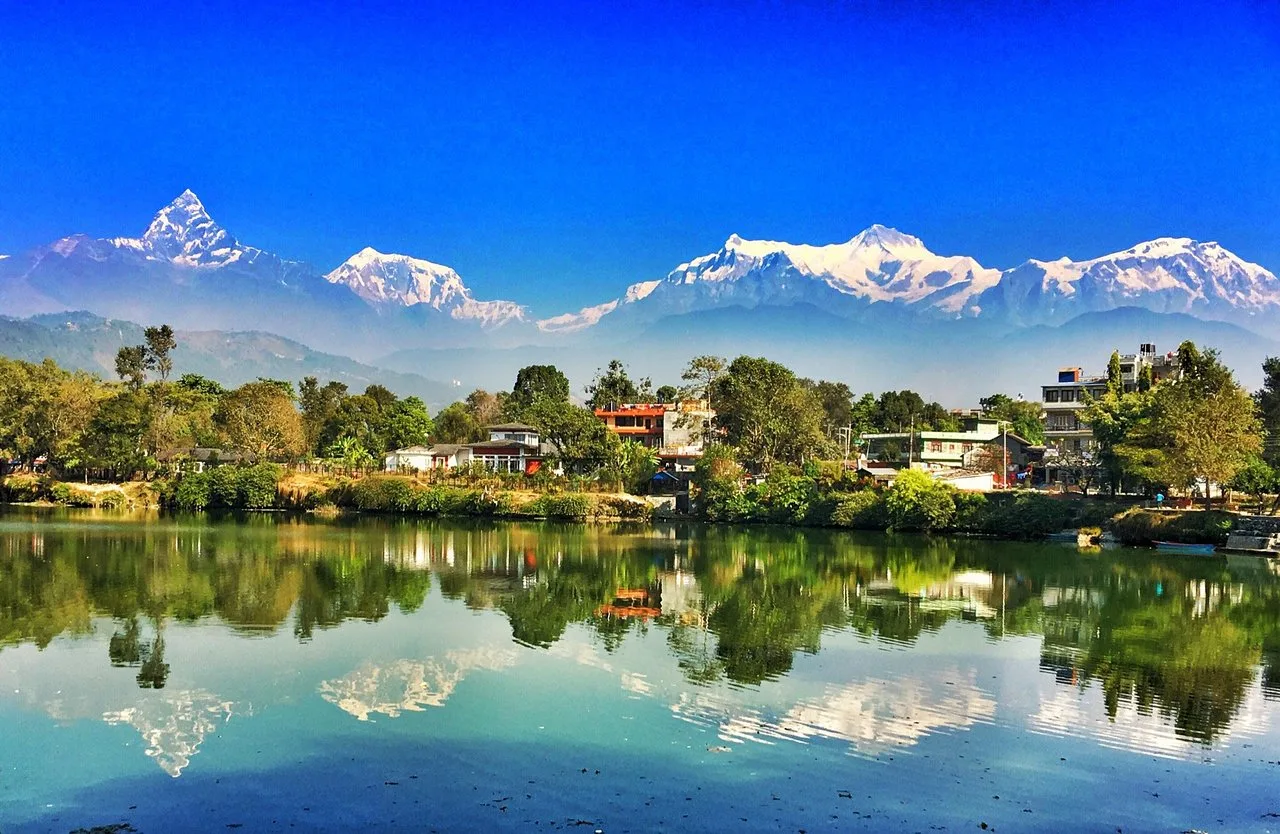
The Ghorepani Poon Hill Trek is a relatively short yet incredibly rewarding trekking journey that offers a perfect introduction to the beauty of the Annapurna region in Nepal. This trek is renowned for its breathtaking mountain views, particularly from the famous Poon Hill, and its rich cultural experiences, making it one of the most popular treks for both beginners and seasoned trekkers alike. Despite its relatively moderate difficulty level, the trek provides a fantastic opportunity to explore the diverse landscapes, traditional villages, and stunning panoramas of the Annapurna and Dhaulagiri Mountain ranges. The trek begins in the charming city of Pokhara, a scenic destination known for its tranquil Phewa Lake and stunning mountain vistas. From there, trekkers make their way through lush rhododendron forests, terraced fields, and picturesque Gurung and Magar villages. The route takes you through Ghorepani, a beautiful village nestled in the heart of the Annapurna Conservation Area, where you will get a chance to experience the local culture and hospitality of the indigenous communities.
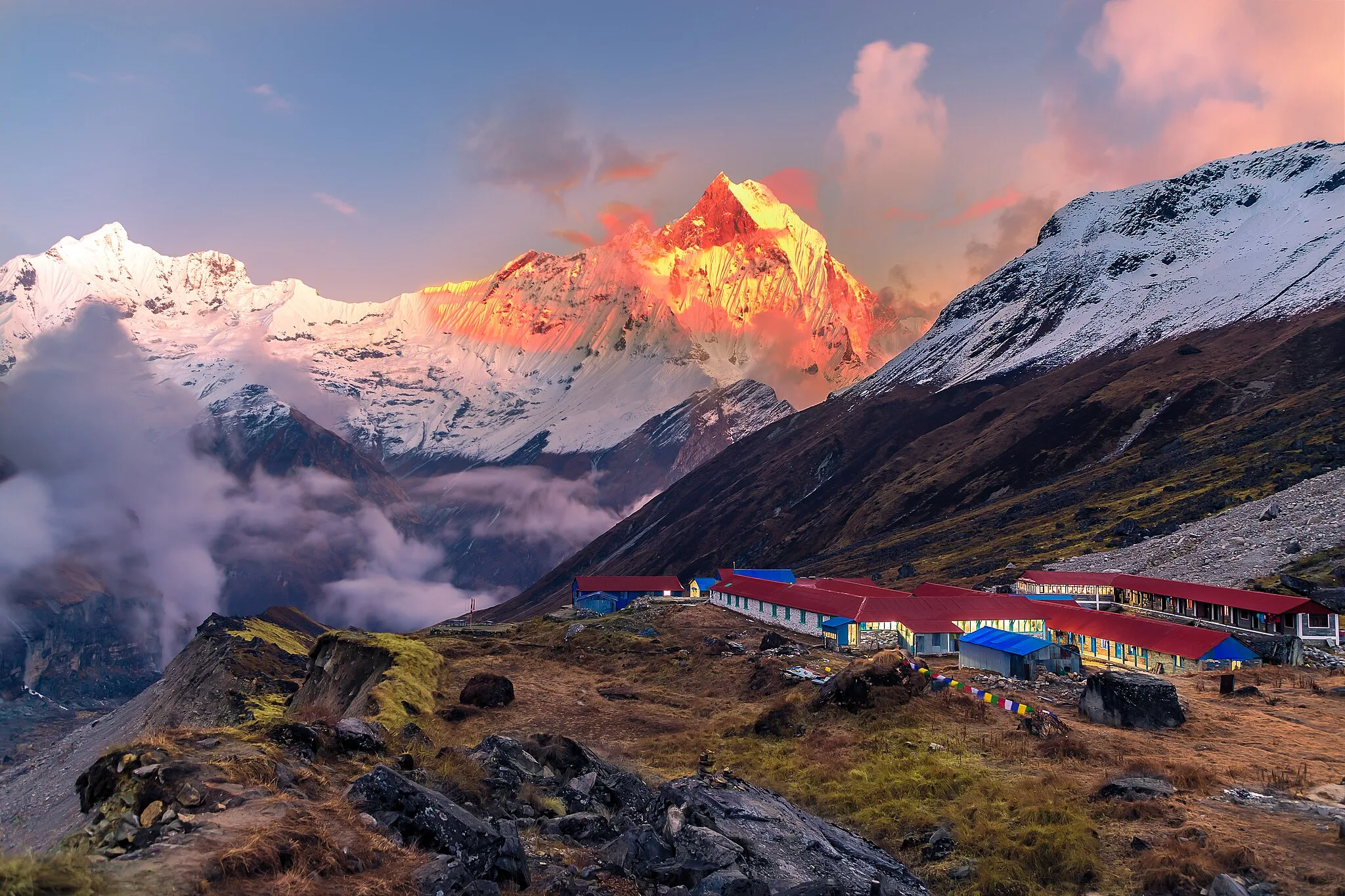
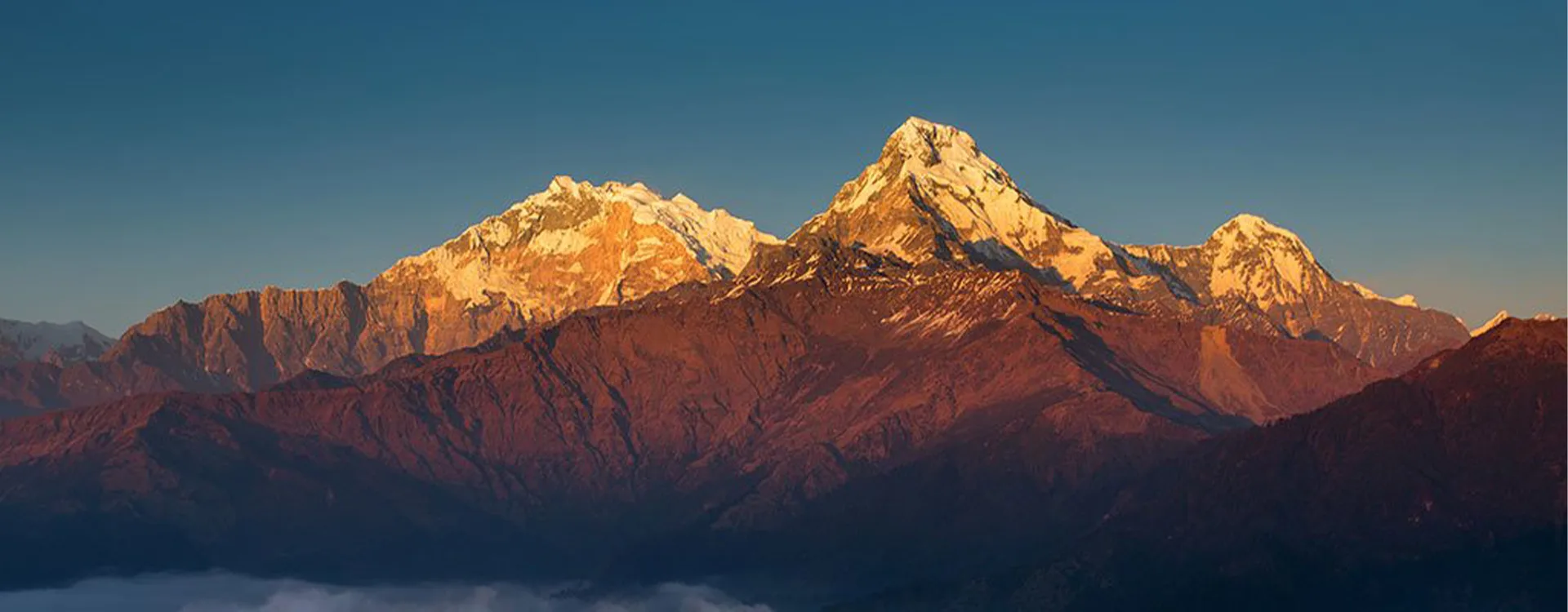
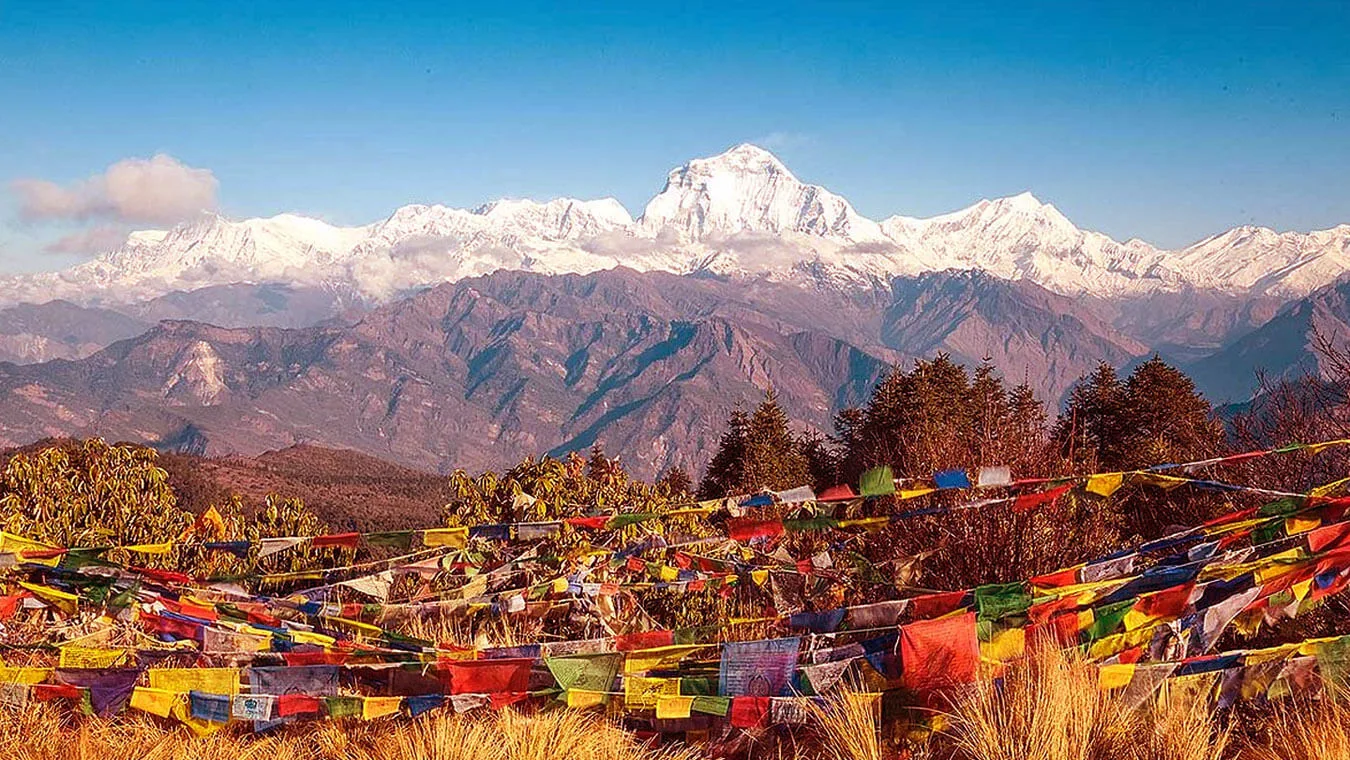
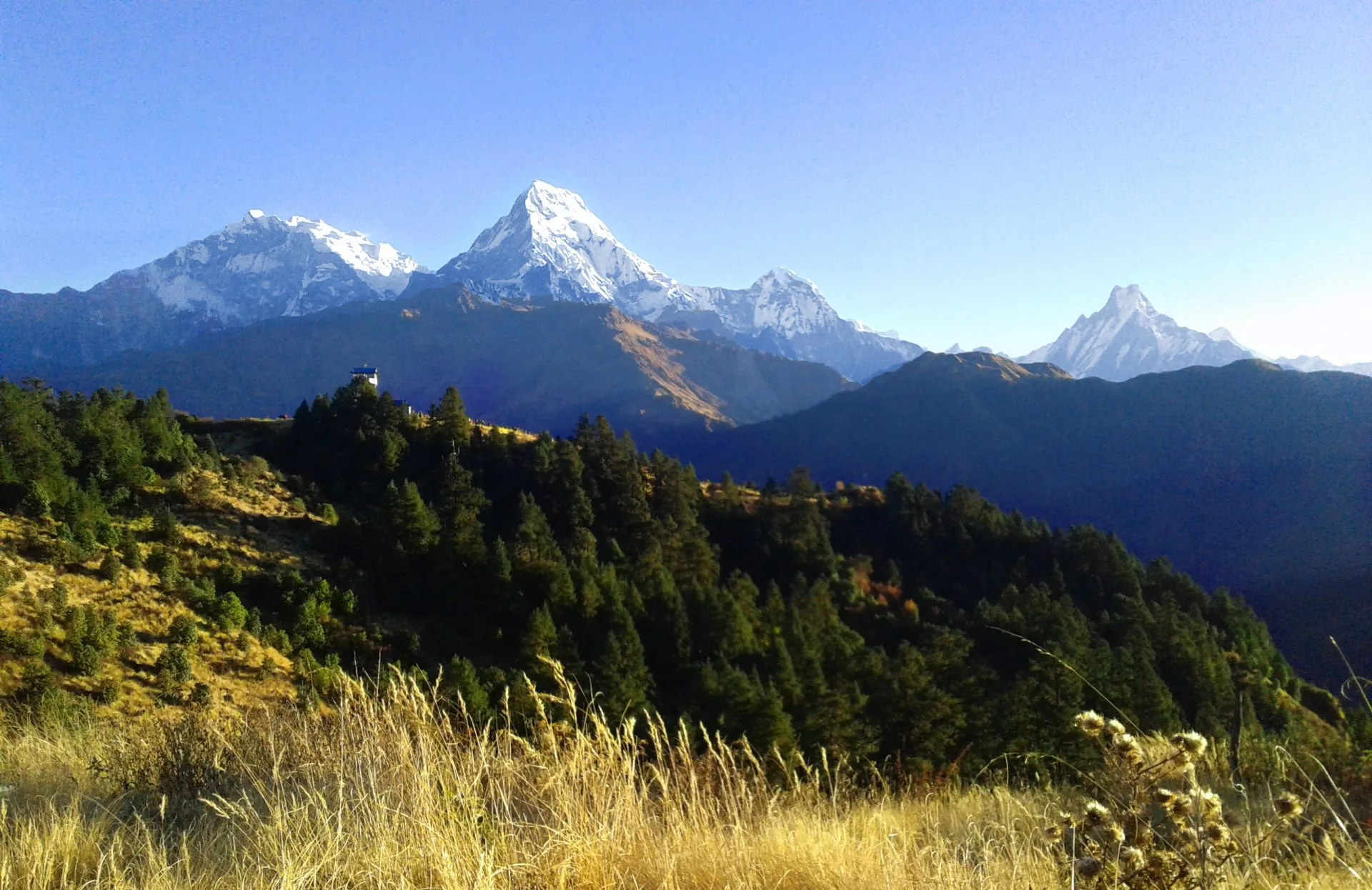
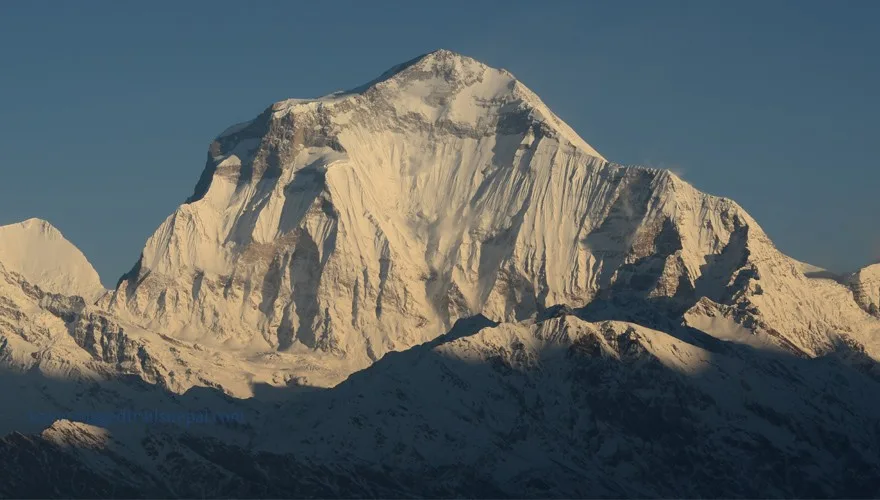
One of the most memorable highlights of the Ghorepani Poon Hill Trek is the climb to Poon Hill (3,210m), which offers a panoramic sunrise view that showcases some of the most magnificent peaks in the Himalayas. From Poon Hill, trekkers are treated to a 360-degree view of the Annapurna and Dhaulagiri mountain ranges, including iconic peaks like Annapurna I (8,091m), Annapurna South (7,219m), Dhaulagiri I (8,167m), Machapuchare (6,993m), and Nilgiri. The sunrise from Poon Hill is nothing short of spectacular, with the rising sun casting a golden glow on the snow-capped peaks, creating an unforgettable experience that will stay with you for a lifetime.
The trek itself is relatively short, typically lasting between 4 to 5 days, making it an ideal choice for trekkers who may have limited time but still want to experience the beauty of the Himalayas. Despite the trek’s short duration, it offers a diverse range of experiences. You will traverse through dense forests filled with rhododendron trees in full bloom (during spring), cross over charming villages like Tikhedhunga, Ulleri, and Ghorepani, and witness the traditional way of life of the local communities. The trek also offers a rich cultural experience, with opportunities to visit local monasteries, interact with friendly villagers, and learn about the customs and traditions of the Gurung and Magar people who inhabit the region.
Along the way, you will pass through several suspension bridges, lush valleys, and terraced rice fields, with every step offering new and stunning vistas of the surrounding mountains and landscapes. The gentle ascents and descents, combined with the manageable trekking days, make this trek suitable for most fitness levels, including beginners who are new to high-altitude trekking.
For those interested in experiencing the Himalayas in a relatively short time frame, the Ghorepani Poon Hill Trek is the perfect choice. The trek offers a perfect blend of scenic beauty, cultural immersion, and an easy-to-moderate level of challenge. Whether you are an adventure seeker, a nature lover, or someone interested in learning about the culture of the local communities, this trek will leave you with memories that will last a lifetime. The best time to undertake the Ghorepani Poon Hill Trek is during the spring (March to May) and autumn (September to November) seasons. During these times, the weather is generally clear and stable, providing the best views of the surrounding mountains. The spring season also offers the added beauty of rhododendron forests in full bloom, creating a colorful and picturesque landscape. In contrast, the autumn season offers crisp skies and clear air, ideal for mountain views and trekking conditions. While the trek can be done year-round, these two seasons offer the most optimal conditions for trekking.
The typical itinerary for the Ghorepani Poon Hill Trek lasts between 4 to 5 days. The trek begins with a scenic drive or flight from Kathmandu to Pokhara. From Pokhara, you will drive to Nayapul, where your trekking adventure begins. The route takes you through Tikhedhunga and Ulleri, followed by Ghorepani. The next day, you will make an early morning climb to Poon Hill to catch the unforgettable sunrise, before continuing your trek to Tadapani and then to Ghandruk, another picturesque Gurung village. Finally, you will make your way back to Nayapul and return to Pokhara, completing the trek.
Accommodation during the Ghorepani Poon Hill Trek is provided in comfortable teahouses, which are basic lodges run by the local people. These teahouses offer warm meals, comfortable beds, and a cozy atmosphere for trekkers to relax after a day of trekking. In addition to standard accommodation, trekkers are provided with the services of an experienced trekking guide, porter, and necessary permits for trekking in the Annapurna Conservation Area. The guides are well-versed in the local culture, geography, and safety protocols, ensuring that trekkers are well taken care of throughout their journey.
The Ghorepani Poon Hill Trek offers a perfect blend of natural beauty, cultural immersion, and moderate trekking challenges. With its relatively short duration, the trek is ideal for trekkers who wish to experience the grandeur of the Annapurna and Dhaulagiri ranges in a manageable timeframe. From the stunning sunrise views from Poon Hill to the scenic landscapes and charming villages along the way, the trek offers an unforgettable experience that will leave you with lasting memories of the majestic Himalayas and the warm hospitality of the people who call this region home. Whether you’re a first-time trekker or a seasoned adventurer, the Ghorepani Poon Hill Trek is sure to be a highlight of your journey in Nepal.
Upon your arrival at Tribhuvan International Airport in Kathmandu, you will be greeted by a representative from World Trade Travel & Tours Pvt. Ltd., who will transfer you to your hotel. After checking into your accommodation, you will have the opportunity to relax and acclimatize to the bustling atmosphere of Nepal’s capital. In the evening, you will meet your trekking guide, who will give you a detailed briefing about the upcoming trek. You will also have a chance to go over any necessary paperwork, permits, and logistics. If time permits, you can take a stroll around Thamel, Kathmandu’s vibrant district filled with shops, cafes, and markets, to get a feel for the local culture and prepare for the adventure ahead.
On this day, you will begin your journey to the Annapurna region. After breakfast, you will embark on a scenic drive to Nayapul, which typically takes around 1.5 to 2 hours. Along the way, you will pass through picturesque villages, terraced rice fields, and lush landscapes. Once in Nayapul, you will begin your trek, following the Modi Khola (river) upstream. The trail winds through subtropical forests and small villages, offering glimpses of local life in the foothills of the Himalayas. The trek to Tikhedhunga is relatively short, taking around 4-5 hours, but the scenic beauty and the serenity of the surroundings will make it a delightful experience. Tikhedhunga is a small village where you will spend the night in a cozy teahouse.
Today marks the beginning of the ascent to Ghorepani, a popular village located at the base of the Annapurna range. After breakfast, you will start your day with a steep climb from Tikhedhunga, passing through dense rhododendron and oak forests. The ascent is gradual but steady, providing an excellent opportunity to enjoy the natural beauty of the region. As you trek, you will pass through charming villages like Ulleri and Banthanti, where the locals live in traditional stone houses and offer a warm welcome to trekkers. The trail continues to ascend, and as you approach Ghorepani, you will be treated to magnificent views of the Annapurna and Dhaulagiri ranges, with snow-capped peaks towering in the distance. After about 6-7 hours of trekking, you will reach Ghorepani, a popular stop for trekkers, offering stunning mountain vistas and a chance to relax and enjoy the peaceful surroundings.
You will wake up early to hike to Poon Hill, a viewpoint that is one of the highlights of the trek. The early morning hike to Poon Hill (3,210m) is a short but exhilarating climb that takes around 45 minutes to an hour. As you reach the top, you will be rewarded with a breathtaking sunrise over the Himalayas. The panoramic view from Poon Hill is simply spectacular, with Annapurna I, Annapurna South, Dhaulagiri, and other peaks illuminated by the early morning light. After spending some time soaking in the views and capturing the moment in photographs, you will descend back to Ghorepani for breakfast. Following breakfast, you will begin your trek to Tadapani, which takes around 4-5 hours. The trail takes you through beautiful rhododendron forests, with occasional glimpses of the surrounding mountains. Tadapani is a peaceful village, and the views of the Annapurna range are simply stunning from here, making it a great place to relax and enjoy the tranquility of the area.
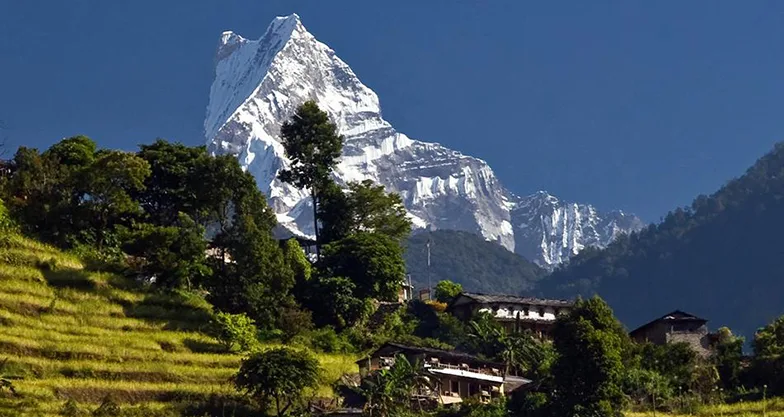
After breakfast in Tadapani, you will continue your trek to Ghandruk, a picturesque Gurung village nestled in the foothills of the Annapurna range. The trek to Ghandruk takes around 3-4 hours, and the trail gradually descends through dense forests of rhododendron and oak. Along the way, you will cross suspension bridges and pass through smaller villages, offering a glimpse into the rural life of the region. Ghandruk is one of the most beautiful villages in the Annapurna region, known for its traditional stone houses and vibrant culture. The views of Annapurna South, Machapuchare (Fishtail), and other surrounding peaks are breathtaking from here. In the evening, you will have time to explore the village, interact with the locals, and enjoy a delicious meal at the teahouse.
On the penultimate day of the trek, you will trek from Ghandruk back to Nayapul. The trek takes around 4-5 hours and mostly involves descending through terraced fields and forests. Along the way, you will pass through the villages of Birethanti and Tikhedhunga, where you can stop for a rest or a snack. Once you reach Nayapul, you will catch a private vehicle that will take you back to Pokhara, where you can unwind and relax after your trek. Pokhara is a beautiful lakeside city known for its stunning views of the Annapurna range and its vibrant tourist district. You can spend the afternoon exploring the lakeside area, taking a boat ride on Phewa Lake, or simply relaxing at one of the many cafes along the shore.
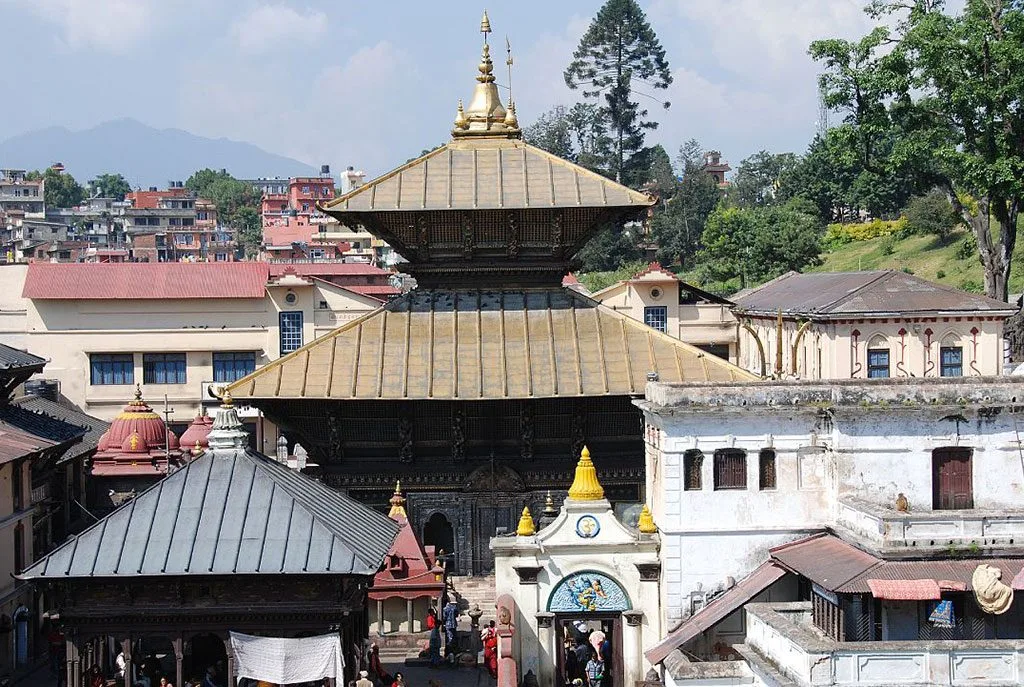
On your final day, you will have the option to either drive or fly back to Kathmandu from Pokhara. The drive takes approximately 6-7 hours, offering a scenic journey through the countryside, while the flight is a quick 25-minute ride with stunning aerial views of the mountains. Upon arrival in Kathmandu, you will have some free time to explore the city, do some last-minute shopping, or visit famous landmarks such as the Boudhanath Stupa, Pashupatinath Temple, or Thamel. In the evening, you can enjoy a farewell dinner with your trekking group and guide, reflecting on the wonderful memories created during the trek. Alternatively, if you’re departing immediately, you will be transferred to the airport for your onward journey.
| Start Date | End Date | Price | Space Left | |
|---|---|---|---|---|
| February 3, 2025 Friday | February 28, 2025 Monday | $ 2877 | 07 | Book |
| March 4, 2025 Friday | February 24, 2025 Monday | $ 2879 | 09 | Book |
| March 23, 2025 Sunday | April 16, 2025 Tuesday | $ 2880 | 05 | Book |
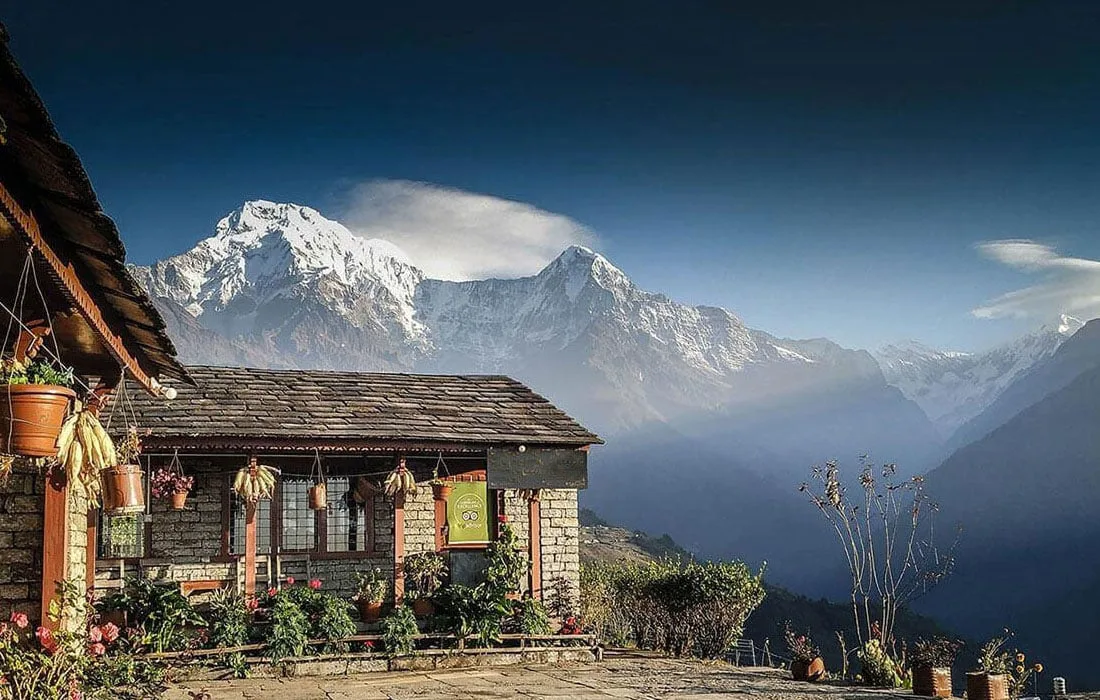
Accommodation during the Ghorepani Poon Hill Trek is mainly provided by basic teahouses located along the trekking route. These teahouses offer simple rooms, usually with twin beds, and shared bathroom facilities. Although the accommodation is not luxurious, it provides a comfortable place for trekkers to relax after a day of walking through forests, villages, and mountain trails. The friendly atmosphere and local hospitality also allow trekkers to experience the traditional lifestyle of the Annapurna region.
Facilities may vary from one teahouse to another, depending on the village and available resources. Some lodges may provide additional services, such as hot showers, Wi-Fi, and electronic-device charging, sometimes for an extra fee. During busy trekking seasons, rooms in popular villages can fill up quickly, so arranging accommodation in advance is advisable. Bringing suitable warm clothing and a sleeping bag, if needed, can help ensure greater comfort during colder nights.
Meals during the Ghorepani Poon Hill Trek are generally hearty and designed to provide energy for daily walking. Common dishes include rice, dal (lentils), vegetables, and meat, particularly at lower altitudes where supplies may be more readily available. Trekkers can enjoy traditional Nepali meals that are filling and suitable for maintaining energy during uphill climbs and long trekking days. Eating regular meals helps support stamina throughout the journey.
As you reach higher-altitude villages, the menu may become simpler because transporting food supplies becomes more difficult. The availability of certain ingredients and dishes can therefore vary along the route. Trekkers should drink plenty of water and maintain a balanced diet during the trek. Carrying light snacks, such as nuts, dried fruit, or energy bars, can also be helpful between meals, especially on longer walking days.
The Ghorepani Poon Hill Trek requires attention to the necessary trekking permits for the Annapurna region. The Annapurna Conservation Area Permit (ACAP) is generally required because the route passes through the Annapurna Conservation Area. This permit supports the management and conservation of the region’s natural environment and mountain landscapes. Trekkers should arrange the required documentation before starting their journey and keep their permits available throughout the trek.
The Trekkers’ Information Management System (TIMS) card may also be relevant, depending on the current trekking regulations and the arrangement under which the trek is organized. Requirements can change, so it is advisable to confirm the latest rules before departure. If you book through a trekking agency, the agency can help clarify the applicable permit requirements and assist with the necessary arrangements, helping you begin the trek with the appropriate documentation.
Health and safety are important considerations during the Ghorepani Poon Hill Trek, particularly because parts of the route reach elevations above 3,000 meters. Altitude sickness can affect trekkers as they gain elevation, even on a relatively short trekking route. To reduce risks, walk at your own pace, drink plenty of water, eat regularly, and take sufficient rest whenever necessary. Avoid rushing along steep uphill sections, and allow yourself time to adjust to the changing altitude.
Be aware of possible altitude sickness symptoms, including headaches, nausea, dizziness, and unusual fatigue. If symptoms develop or worsen, stop ascending and seek medical advice; severe symptoms require urgent assistance and descent. Comfortable trekking boots, appropriate layered clothing, and a basic first aid kit can also help you manage common trekking challenges. Preparing physically before departure and following your guide’s safety advice will help make the journey more comfortable and enjoyable.
The ideal months for the Ghorepani Poon Hill Trek are March to May (spring) and September to November (autumn). During these seasons, weather conditions are generally favorable, and clear skies often provide excellent views of the Annapurna and Dhaulagiri mountain ranges. Spring is particularly attractive because rhododendron forests bloom in vibrant colors, creating beautiful scenery along the trekking trails. Temperatures are usually suitable for walking, although mornings and evenings can still be chilly.
Autumn is another excellent season, offering crisp air, clear mountain views, and generally comfortable trekking conditions. Although the trek can be undertaken at other times of the year, winter may bring colder temperatures and occasional snow, while the monsoon season can bring rain, slippery trails, and reduced visibility. Weather conditions vary, so it is important to check the forecast and prepare suitable clothing and equipment before departure. Choosing spring or autumn generally provides a rewarding combination of scenic beauty and favorable trekking conditions.