




Everest Base Camp Trek with Kala Patthar
- Everest Region
- 12 Days/11 Nights
Starting From
$890 /person
View More

Travel Bird Nepal is a trusted travel company dedicated to creating memorable journeys across Nepal. We offer thoughtfully designed trips with local expertise
| No. of People | Price Per Person |
|---|---|
| 3-6 | USD 1260 |
| 7-10 | USD 1250 |
| 10-15 | USD 1240 |
| 15+ | USD 1230 |

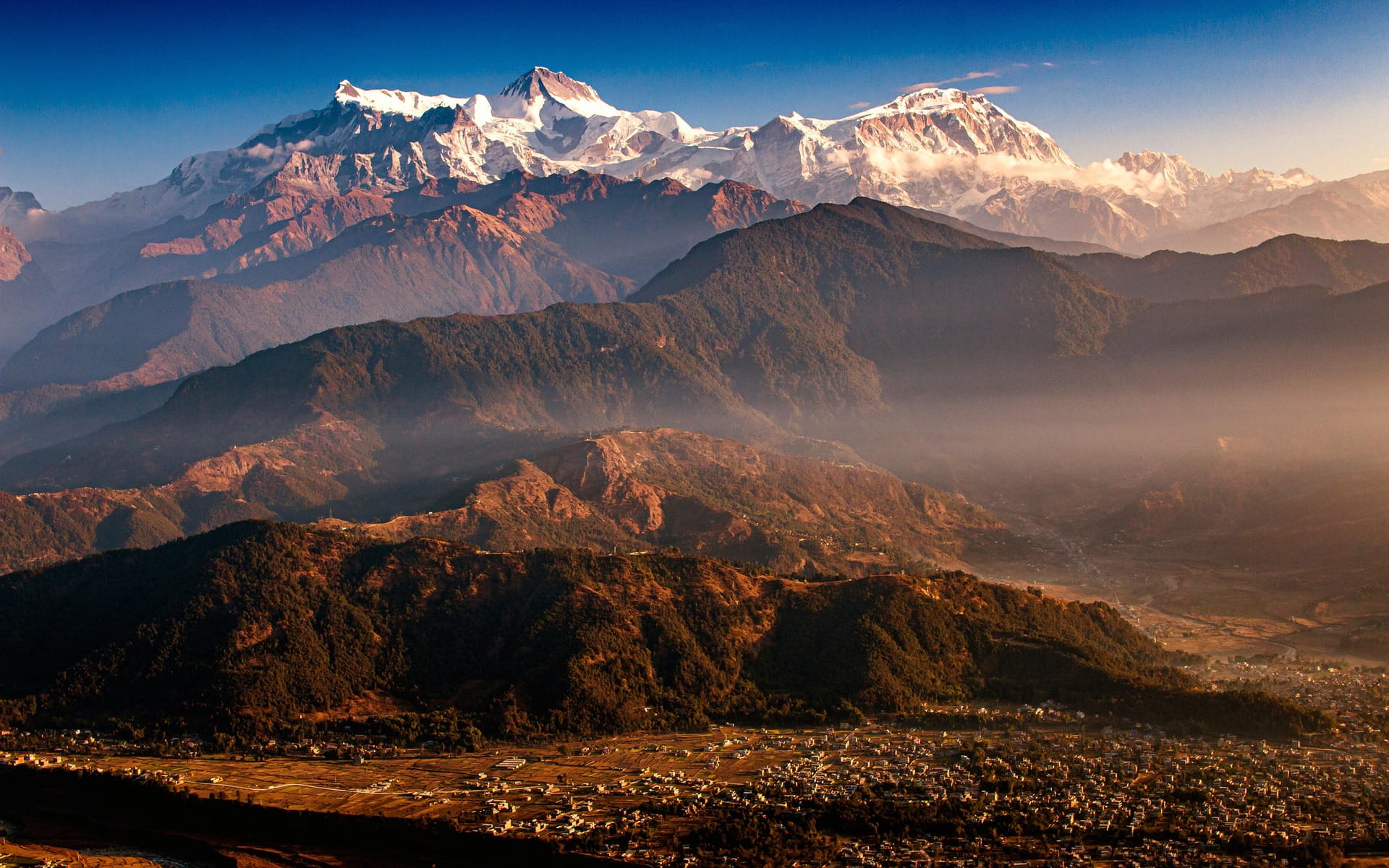
The Annapurna Base Camp Trek is one of Nepal’s most celebrated Himalayan trekking adventures, combining spectacular mountain scenery, diverse landscapes, and authentic local culture in a relatively compact journey. The trail takes you deep into the Annapurna Sanctuary, a natural amphitheater surrounded by some of the highest peaks in the world, including Annapurna I (8,091 m), Annapurna South, Hiunchuli, Machhapuchhre (Fishtail), and several other impressive Himalayan summits. Starting from the lower foothills, the trek gradually climbs through lush forests, terraced farmland, traditional villages, and alpine landscapes before reaching Annapurna Base Camp at approximately 4,130 meters. The changing scenery throughout the journey makes every day different, from peaceful rivers and rhododendron forests to dramatic mountain views and rugged high-altitude terrain.
One of the highlights of the Annapurna Base Camp Trek is its remarkable combination of natural beauty and cultural experiences. As you follow the trail through villages inhabited largely by Gurung and Magar communities, you encounter traditional houses, terraced fields, Buddhist and Hindu cultural elements, and welcoming mountain communities. The trail passes through beautiful locations such as Chhomrong, Bamboo, Deurali, and Machhapuchhre Base Camp before entering the spectacular Annapurna Sanctuary. Along the way, trekkers can enjoy views of towering peaks from different perspectives while walking through dense rhododendron, oak, and bamboo forests. The landscape becomes increasingly dramatic as the trail gains altitude, eventually opening into the expansive mountain basin surrounding Annapurna Base Camp.
The trek is generally considered a moderate to challenging Himalayan adventure, making it suitable for trekkers with a reasonable level of fitness and preparation. Depending on the chosen itinerary, the journey usually takes around 7–12 days, allowing sufficient time for gradual altitude gain and acclimatization. Teahouses and lodges along the route provide basic accommodation and meals, making the trek accessible without requiring full camping logistics. The best trekking seasons are generally spring (March–May) and autumn (September–November), when the weather is typically favorable and mountain visibility is often excellent. With proper preparation, appropriate trekking equipment, and sensible pacing, the Annapurna Base Camp Trek offers an unforgettable opportunity to experience the Himalayan wilderness, mountain culture, and breathtaking scenery of central Nepal.

Begin your Himalayan adventure with a scenic journey from Kathmandu to Pokhara, one of Nepal’s most beautiful and popular tourist destinations. The drive follows winding mountain roads alongside rivers, green hills, terraced farmland, traditional villages, and countryside settlements. As you approach Pokhara, the landscape opens toward the Annapurna mountain range. After arriving, check into your hotel and enjoy some relaxing time around the peaceful Lakeside area. You can take a leisurely walk beside Phewa Lake, explore the vibrant streets of Lakeside, or simply prepare yourself for the trekking days ahead.
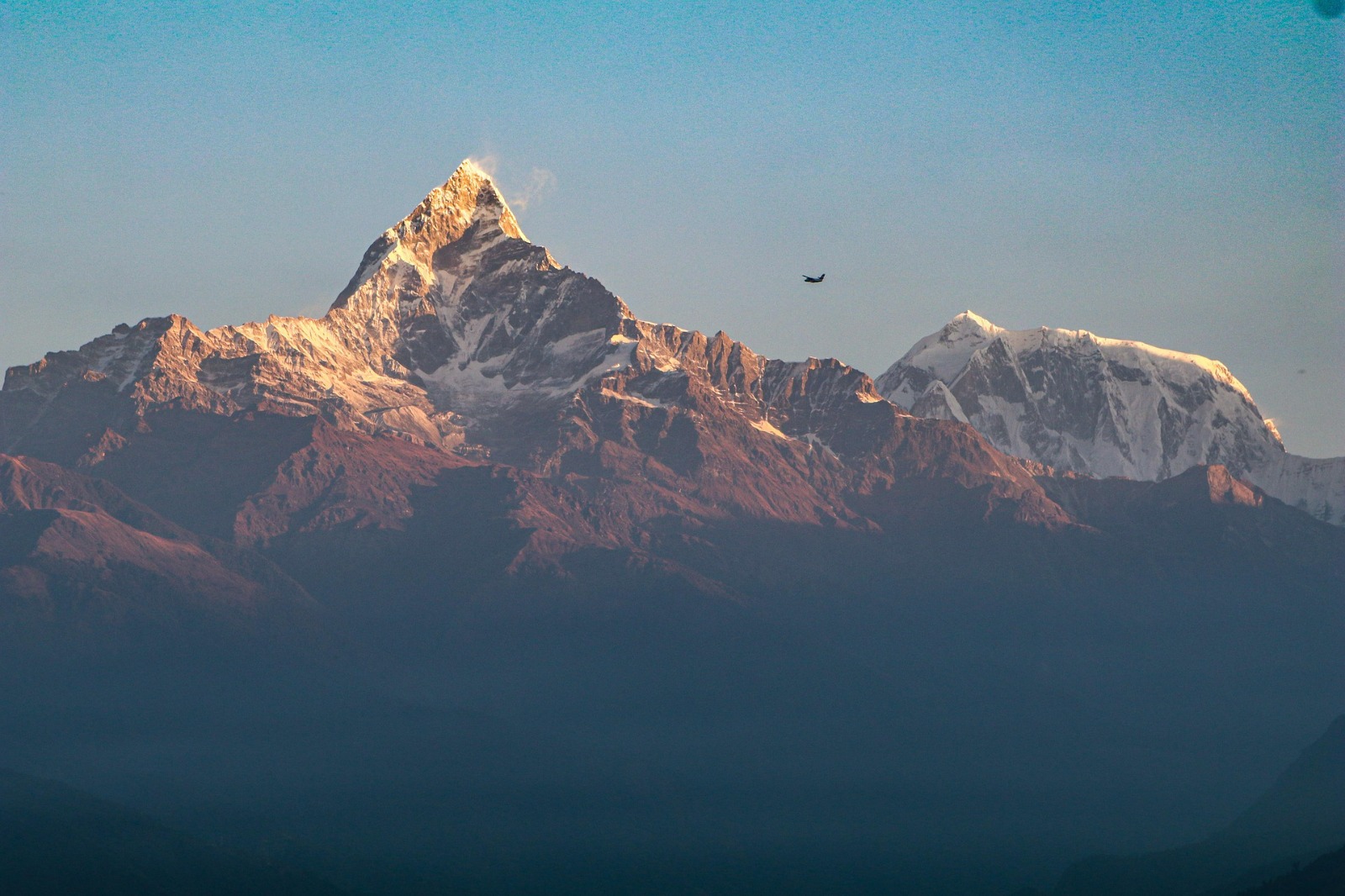
After breakfast, leave Pokhara and travel toward the foothills of the Annapurna range. The drive passes through picturesque countryside, winding mountain roads, terraced farmland, and small settlements before reaching the trekking area. From the trailhead, begin walking toward Ghandruk, one of the most beautiful traditional Gurung villages in the region. The trail offers an excellent introduction to Himalayan trekking, with views of green hills and snow-capped mountains gradually becoming more prominent. Once in Ghandruk, explore the village, observe traditional stone houses and local culture, and enjoy spectacular views of Annapurna South, Hiunchuli, and Machhapuchhre.
Start the day with beautiful mountain scenery before continuing along the hillside trails toward Chhomrong. The route passes through forests, terraced fields, stone steps, and traditional settlements while offering changing views of the Annapurna range. Along the way, you can experience the everyday lifestyle of local mountain communities and enjoy the peaceful surroundings of the foothills. The trail includes both gradual climbs and descents before reaching Chhomrong, an important settlement and one of the main gateways to the Annapurna Sanctuary. From the village, magnificent views of Annapurna South, Hiunchuli, and Machhapuchhre create a spectacular Himalayan backdrop.
Today the trail takes you deeper into the Annapurna Sanctuary as you leave Chhomrong behind and descend through a series of stone stairways toward the Chhomrong Khola. After crossing the river, the trail gradually climbs through dense forests filled with bamboo, rhododendron, oak, and other Himalayan vegetation. The peaceful forest environment provides a refreshing contrast to the open mountain views of the previous days. As you continue along the Modi Khola valley, the surrounding landscape becomes increasingly wild and remote. After several hours of walking through the forest, arrive at Bamboo, a small mountain settlement where you can relax and enjoy a peaceful evening.
Continue your journey deeper into the Modi Khola valley as the trail gradually gains altitude. The route passes through dense forests and several small settlements, including Dovan and Himalaya, with the sound of mountain streams and waterfalls accompanying much of the walk. As you climb higher, the vegetation becomes thinner and the surrounding landscape starts to take on a more alpine character. The trail becomes increasingly dramatic, with steep cliffs, rocky slopes, cascading waterfalls, and glimpses of the surrounding mountains. After a steady ascent, reach Deurali, one of the last major stopping points before entering the higher section of the Annapurna Sanctuary.
Today is one of the most exciting and memorable days of the entire trek as you make your way toward Annapurna Base Camp. Leave Deurali and follow the trail through increasingly rugged alpine terrain toward Machhapuchhre Base Camp. The landscape opens dramatically as you move above the tree line, revealing magnificent mountain scenery on all sides. After reaching Machhapuchhre Base Camp, continue deeper into the Annapurna Sanctuary, where the trail gradually leads toward the spectacular Annapurna Base Camp. At approximately 4,130 m, the base camp is surrounded by an extraordinary amphitheater of Himalayan peaks, including Annapurna I, Annapurna South, Hiunchuli, Gangapurna, and Machhapuchhre. Spend the evening enjoying the incredible surroundings and mountain atmosphere.
Connect with our trekking experts to create a personalized trip experience designed around your interests, comfort, and adventure goals.
Let our experienced travel experts craft a unique itinerary designed around your preferences and expectations.
Nepal offers visa-on-arrival facilities to citizens of many countries, making it convenient for international travelers arriving at Tribhuvan International Airport in Kathmandu. Travelers should carry a valid passport with sufficient validity and complete the required visa formalities before beginning the trek. A comprehensive travel insurance policy is strongly recommended for the Annapurna Base Camp Trek, as it provides financial protection against unexpected situations during your journey. Since the trek reaches high elevations, make sure your insurance specifically covers trekking at the maximum altitude of Annapurna Base Camp, as well as emergency medical treatment and helicopter evacuation.
Before leaving for Nepal, carefully review your insurance policy and confirm that it covers the entire duration of your trip, including trekking activities. Insurance can be particularly important in the Himalayas because changing weather, difficult terrain, altitude-related problems, or unforeseen emergencies can sometimes require additional assistance. Keep both digital and printed copies of your passport, visa, insurance details, emergency contacts, and other important travel documents throughout the journey.
The best seasons for the Annapurna Base Camp Trek are generally spring and autumn, when the weather is relatively stable and the mountain views are at their finest. Spring, from March to May, brings pleasant trekking conditions, clear mountain scenery, and colorful rhododendron forests along the trails. Autumn, from September to November, is another excellent period, offering generally clear skies, comfortable temperatures, and spectacular views of the Annapurna and surrounding Himalayan peaks. These seasons are ideal for trekkers who want a balance of favorable weather, scenic landscapes, and enjoyable trail conditions.
The trek can also be undertaken during winter and the monsoon season, although conditions can be more challenging. Winter brings colder temperatures and possible snowfall at higher elevations, while the monsoon months may bring rain, wet and slippery trails, clouds, and reduced mountain visibility. However, conditions can vary from year to year, and experienced trekkers may still enjoy the journey during these periods with suitable preparation and equipment. Choosing the right season according to your experience, comfort level, and preferred scenery can make your Annapurna Base Camp adventure much more enjoyable.
Food during the Annapurna Base Camp Trek is generally served at local teahouses and lodges along the route, offering a variety of filling meals suitable for long days of trekking. Dal bhat, consisting of rice, lentil soup, vegetables, and other accompaniments, is one of the most popular choices because it provides plenty of energy for the trail. You can also find noodles, pasta, fried rice, soups, potatoes, eggs, pancakes, porridge, and other simple meals depending on the location. Vegetarian options are widely available, and it is advisable to choose freshly prepared and easily digestible meals, particularly as you gain altitude.
Staying properly hydrated is equally important throughout the trek. Trekkers should drink plenty of safe, treated, or boiled water throughout the day and increase their intake as they gain altitude. Water purification tablets, filters, or other reliable purification methods can be useful when filling bottles along the trail. Tea, hot lemon, ginger tea, and other warm drinks are commonly available at teahouses, while alcohol and excessive caffeine should be limited, especially at higher elevations. Carrying a reusable water bottle helps maintain hydration while reducing unnecessary plastic waste during the trek.
Accommodation during the Annapurna Base Camp Trek is primarily provided in traditional teahouses and mountain lodges located along the trekking route. These establishments offer a comfortable and practical place to rest after a day on the trail, with rooms generally featuring twin beds, mattresses, blankets, and basic furnishings. Shared bathroom facilities are common, particularly at higher elevations, while some teahouses may offer attached bathrooms at lower elevations. The facilities become simpler as you move farther into the mountains, but the warm hospitality of local lodge owners adds a memorable cultural element to the trekking experience.
Most teahouses also have common dining areas where trekkers can enjoy meals, warm drinks, and time with fellow travelers. Electricity and Wi-Fi may be available at many lodges, although services can be limited, slower, or subject to additional charges at higher elevations. Hot showers may also be available for an extra fee, depending on the location and availability of facilities. During the busy spring and autumn seasons, accommodation can fill quickly, so traveling with an organized trekking company and making appropriate arrangements in advance is recommended.
Altitude sickness is an important consideration on the Annapurna Base Camp Trek because the route gradually reaches elevations where the air contains less oxygen. Acute Mountain Sickness (AMS) can affect anyone, regardless of age, fitness level, or previous trekking experience. Common symptoms may include headache, dizziness, tiredness, loss of appetite, nausea, and difficulty sleeping. The best way to reduce the risk is to ascend gradually, maintain a comfortable pace, stay properly hydrated, eat regularly, and allow your body enough time to adjust to increasing altitude. Never ignore symptoms simply because you are physically fit or have trekked at high altitude before.
If symptoms become worse, it is important to inform your trekking guide immediately and avoid continuing to ascend until the condition has been properly assessed. In more serious cases, descending to a lower altitude is one of the most important responses. Your guide should monitor your condition throughout the trek and help make appropriate decisions if altitude-related symptoms occur. Avoid alcohol and strenuous activity when experiencing symptoms, and follow medical advice when necessary. Proper acclimatization, careful pacing, hydration, and listening to your body are essential for a safer and more enjoyable Annapurna Base Camp Trek.
The best time for the Annapurna Base Camp Trek is generally during spring (March to May) and autumn (September to November).
The Annapurna Base Camp Trek is considered a moderate-level Himalayan trek and is suitable for trekkers with a reasonable level of fitness and preparation. The trail includes several hours of walking each day, with numerous stone steps, uphill and downhill sections, and changing terrain as you approach the higher elevations. Previous trekking experience is helpful but not essential, provided you prepare adequately through regular walking, hiking, or cardiovascular exercise before the trip. Maintaining a steady pace, taking appropriate rest breaks, staying hydrated, and following your guide's recommendations can make the trek more manageable and enjoyable.
Comprehensive travel insurance is strongly recommended for the Annapurna Base Camp Trek because unexpected medical or travel-related situations can occur during a Himalayan adventure. Your policy should specifically cover trekking activities at the maximum elevation reached on the itinerary and ideally include emergency medical treatment, evacuation, and helicopter rescue where applicable. Before traveling to Nepal, carefully check the terms and conditions of your policy and confirm that high-altitude trekking is covered. It is also advisable to keep both digital and printed copies of your insurance documents, passport details, emergency contacts, and policy information throughout the trek.
Accommodation on the Annapurna Base Camp Trek is mainly provided in local teahouses and mountain lodges along the route. Most rooms are basic but comfortable, generally offering twin beds, mattresses, blankets, and simple furnishings, while bathrooms are often shared, particularly at higher elevations. Meals are served at the teahouses and typically include popular Nepali dishes such as dal bhat, as well as noodles, pasta, fried rice, potatoes, soups, eggs, pancakes, and other simple meals. Vegetarian options are widely available, and trekkers should drink sufficient safe or purified water throughout the journey to stay properly hydrated.
Altitude sickness can occur as you gain elevation, so proper acclimatization and a gradual ascent are important during the Annapurna Base Camp Trek. Staying hydrated, eating nutritious meals, maintaining a steady walking pace, getting enough rest, and avoiding alcohol can help your body adjust to the changing altitude. Common symptoms can include headache, dizziness, nausea, tiredness, loss of appetite, and difficulty sleeping. It is important to inform your trekking guide immediately if you experience symptoms, especially if they become worse. Continuing to ascend while experiencing serious symptoms can be dangerous, and descending to a lower altitude may be necessary.
Hear what our travelers have to say about their unforgettable journeys with us.
Explore our handpicked packages, thoughtfully designed to offer unforgettable journeys, authentic experiences, and breathtaking destinations.