
About Company
Travel Bird Nepal is a trusted travel company dedicated to creating memorable journeys across Nepal. We offer thoughtfully designed trips with local expertise
Contact Us
- Whatsapp/Phone +977-9851029803 +977-9851029803
- Email info@travelbirdnepal.com
- Location Paknajol,Thamel, Kathmandu, Nepal
Find Us
Tsum Valley, Manaslu Circuit and Nar Phu Valley Trek - 12 Days/ 11 Nights
Pricing and Booking
Price From
On Request
Group Booking Discount
| No. of People | Price Per Person |
|---|---|
| 2-4 Pax | USD |
| 4-8 Pax | USD |
| 8-10 Pax | USD |
| Above 10 Pax | USD |
- Quick & Easy Booking
- Transparent Pricing
- Safe & Secure Payments
Talk to our Travel Specialist

Travel Bird Nepal
+977-9851029803
Trip Summary
Destination
Manaslu RegionDuration
12 Days/ 11 NightsMax Altitude
5106 mTrip Difficulty
DifficultAccommodation
Hotel, TeahousesMeal
Breakfast, Lunch, DinnerActivities
Trekking, HikingBest Months
Sept, Oct, Nov, MarchGroup Size
2-20 PeopleTrip Starts/Ends
Kathmandu-KathmanduOverview
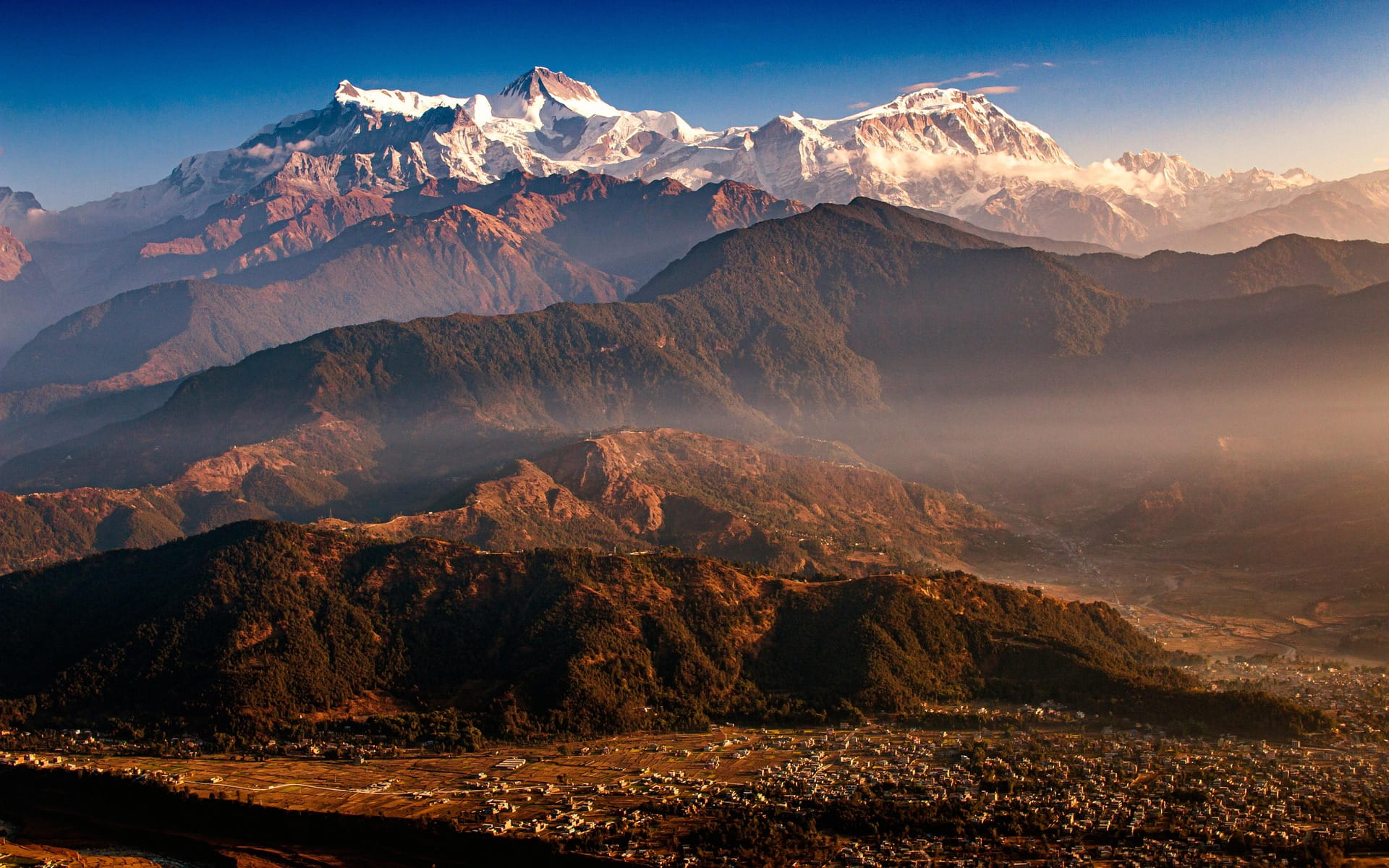
The Manaslu Circuit Trek is one of Nepal’s most spectacular and rewarding trekking adventures, offering an unforgettable journey through the remote Himalayan landscapes surrounding Mount Manaslu (8,163 m), the eighth-highest mountain in the world. Located in the northern part of Nepal, this remarkable trekking route takes travelers away from crowded trails and into a peaceful world of towering snow-capped peaks, lush green valleys, rushing rivers, dense forests, and traditional mountain villages. The journey typically begins in the lower hills of the Gorkha district, where terraced farmlands, suspension bridges, and subtropical forests introduce trekkers to the natural beauty of the region. As the trail gradually climbs toward higher elevations, the landscape transforms into alpine meadows, rugged mountain terrain, and breathtaking views of the Manaslu Himalayan range. Every section of the trek offers a unique perspective of Nepal’s diverse geography, making it an ideal adventure for travelers seeking both natural beauty and an authentic Himalayan experience.
One of the most fascinating aspects of the Manaslu Circuit Trek is its rich cultural heritage and the opportunity to experience the traditional lifestyles of mountain communities. The trail passes through charming villages such as Sama Gaun, Samdo, and Lho, where Tibetan Buddhist influences are reflected in ancient monasteries, colorful prayer flags, mani walls, chortens, and traditional stone houses. Along the way, trekkers can interact with local communities, experience their warm hospitality, and learn about customs and traditions that have been preserved for generations. The region’s cultural identity, shaped by Tibetan Buddhism and its close connection to the Himalayan environment, adds a meaningful dimension to the trekking experience. The changing scenery, combined with the peaceful atmosphere of remote settlements and panoramic views of surrounding mountains, creates a perfect balance between adventure and cultural exploration. For those interested in discovering a less-commercialized side of Nepal, the Manaslu region provides an exceptional opportunity to connect with the country’s natural and cultural treasures.
The highlight of the journey is crossing Larkya La Pass (approximately 5,106 m), one of the most challenging and rewarding sections of the trek. This high mountain pass offers spectacular panoramic views of dramatic Himalayan peaks, glaciers, and vast snow-covered landscapes, rewarding trekkers with a memorable sense of achievement. The descent from the pass leads through rugged alpine terrain toward the beautiful valleys of the Annapurna region, where the scenery gradually changes once again. The complete trek generally takes around 14–18 days, depending on the itinerary, acclimatization schedule, and starting and ending points. Due to its high altitude, remote location, and demanding trails, proper preparation, suitable trekking equipment, and gradual acclimatization are essential for a safe and enjoyable journey. Spring (March–May) and autumn (September–November) are generally considered the best seasons for this adventure, offering favorable trekking conditions and excellent mountain views. With its combination of dramatic landscapes, authentic Himalayan culture, peaceful trails, and thrilling high-altitude challenges, the Manaslu Circuit Trek stands out as an extraordinary adventure for trekkers looking to experience the true spirit of the Nepalese Himalayas.
Itinerary
Follow the Journey Day by Day
Route Map

Day 01
Begin your Himalayan adventure with a scenic drive from Kathmandu toward Machha Khola, passing through picturesque countryside, terraced farmland, traditional settlements and winding roads alongside beautiful river valleys. As you leave the busy capital behind, the landscape gradually changes into lush green hills, deep gorges and rugged mountain scenery. The drive offers a wonderful introduction to rural Nepal and the remote trekking regions ahead. Upon arrival in Machha Khola, settle into a local teahouse, prepare your trekking equipment and enjoy a relaxing evening before beginning the walking portion of your journey.
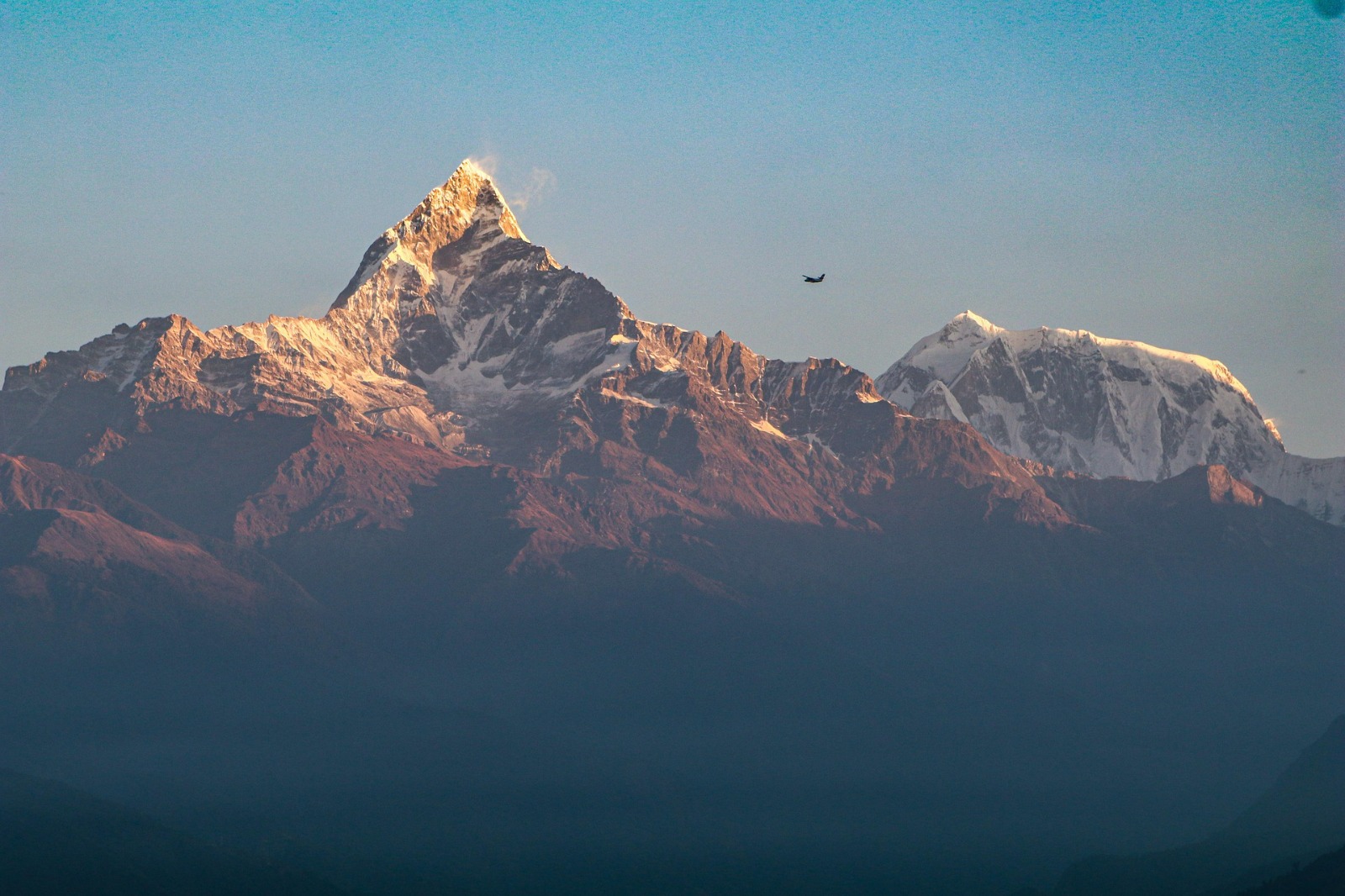
Trip Duration: 7–9 hours by road
Trip Distance: 160–180 km
Activity: Scenic drive
Altitude: Approximately 870 m
Accommodation: 3 Star Hotel
Meal: Breakfast, Lunch, Dinner
Day 02
Start your trek by following the Budhi Gandaki River through narrow valleys, forested hills and traditional settlements. The trail passes cascading waterfalls, suspension bridges, rocky pathways and small villages that reflect the everyday lifestyle of mountain communities. You will encounter gradual ascents and descents while enjoying the refreshing atmosphere of the river gorge. As you approach Jagat, the surroundings become increasingly mountainous, with stone-paved pathways and traditional houses creating a distinctive Himalayan setting. Jagat is an important settlement along the Manaslu trekking route and provides a comfortable place to rest after a rewarding day on the trail.
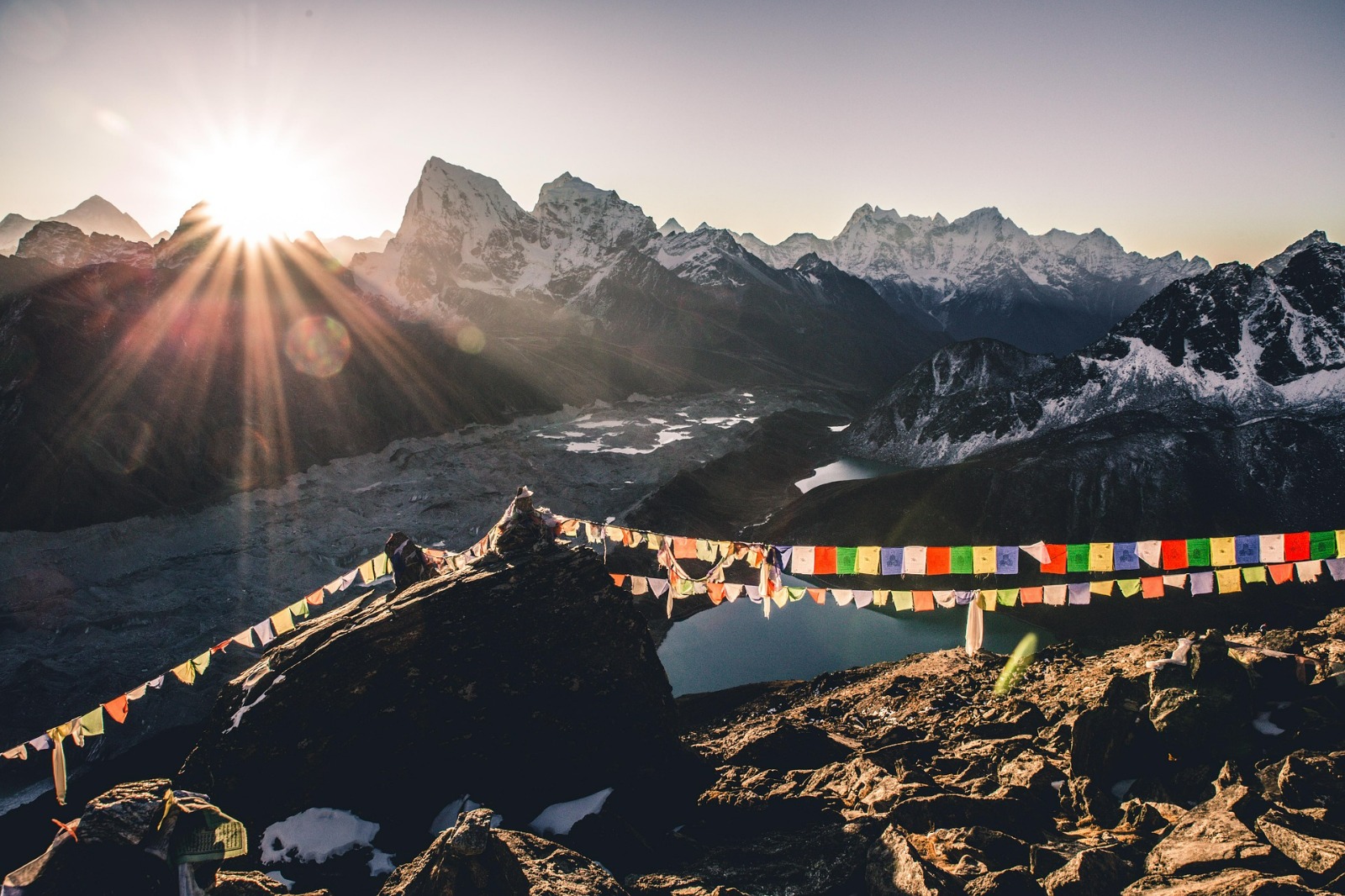
Trip Duration: 6–7 hours
Trip Distance: 15–18 km
Activity: Riverside trekking
Altitude: Approximately 1,340 m
Accommodation: Teahouse
Meal: Breakfast, Lunch, Dinner
Day 03
Continue through the beautiful Budhi Gandaki Valley, crossing suspension bridges and following trails carved into steep hillsides. Along the way, you will pass traditional settlements, terraced fields and forested slopes while enjoying views of the surrounding mountains. The route gradually introduces more remote landscapes as you approach the junction leading toward Tsum Valley. Lokpa is an important gateway to this secluded region, known for its Tibetan Buddhist culture, peaceful villages and unspoiled natural beauty. Upon arrival, rest at a local teahouse and prepare for the journey deeper into the valley.
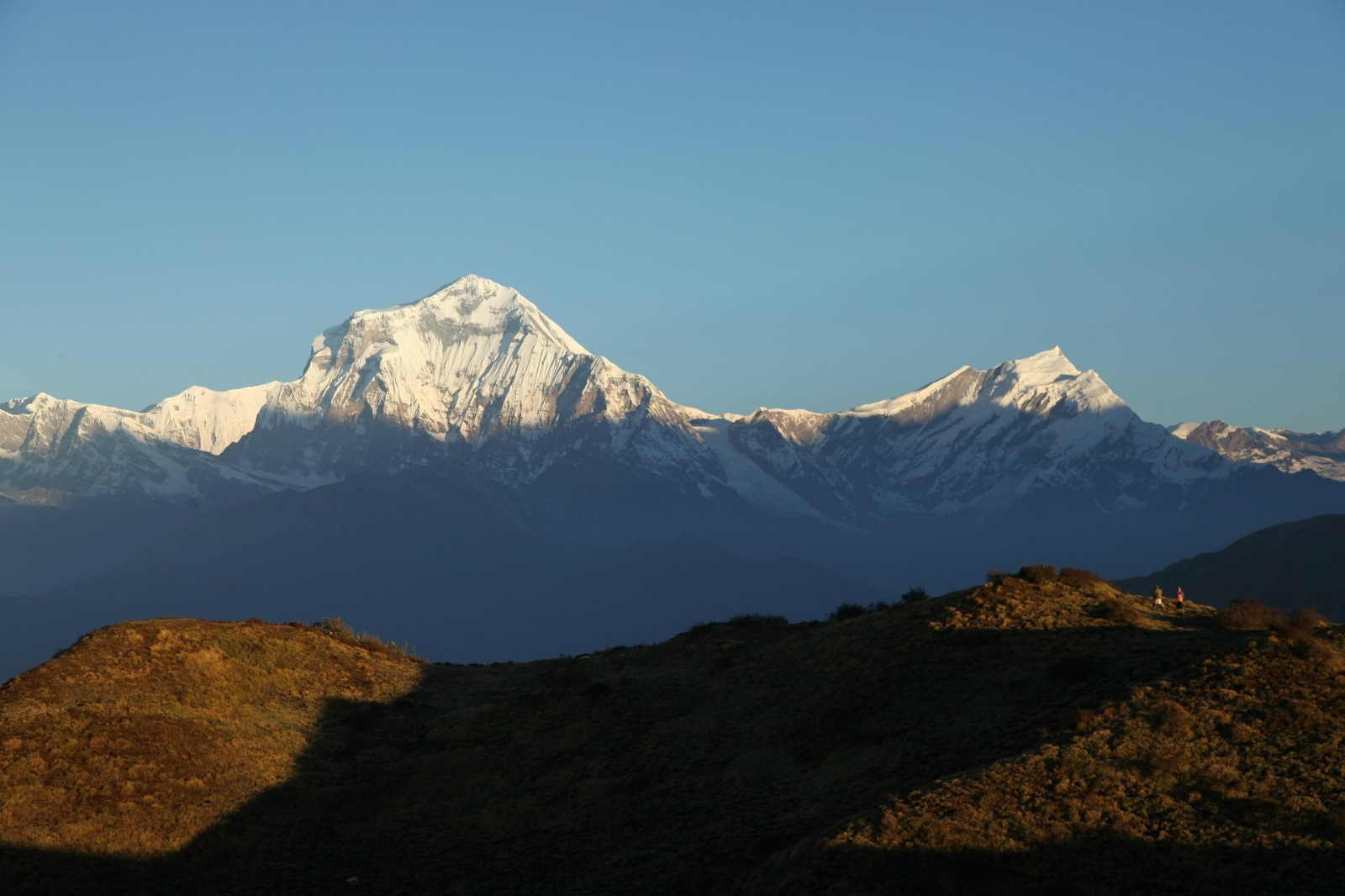
Trip Duration: 6–7 hours
Trip Distance: 13–17 km
Activity: Mountain trekking and cultural exploration
Altitude: Approximately 2,240 m
Accommodation: Teahouse
Meal: Breakfast, Lunch, Dinner
Day 04
Enter the enchanting Tsum Valley and follow a scenic trail through dense forests, rocky terrain and peaceful mountain landscapes. The route involves descending toward a river before climbing gradually through forested hills and traditional settlements. Along the way, you may encounter mani walls, prayer flags and small Buddhist shrines reflecting the spiritual traditions of the region. Chumling is a charming village with traditional stone houses and beautiful views of the surrounding Himalayan landscape. Spend the evening exploring the village and learning about the distinctive culture preserved in this remote part of Nepal.
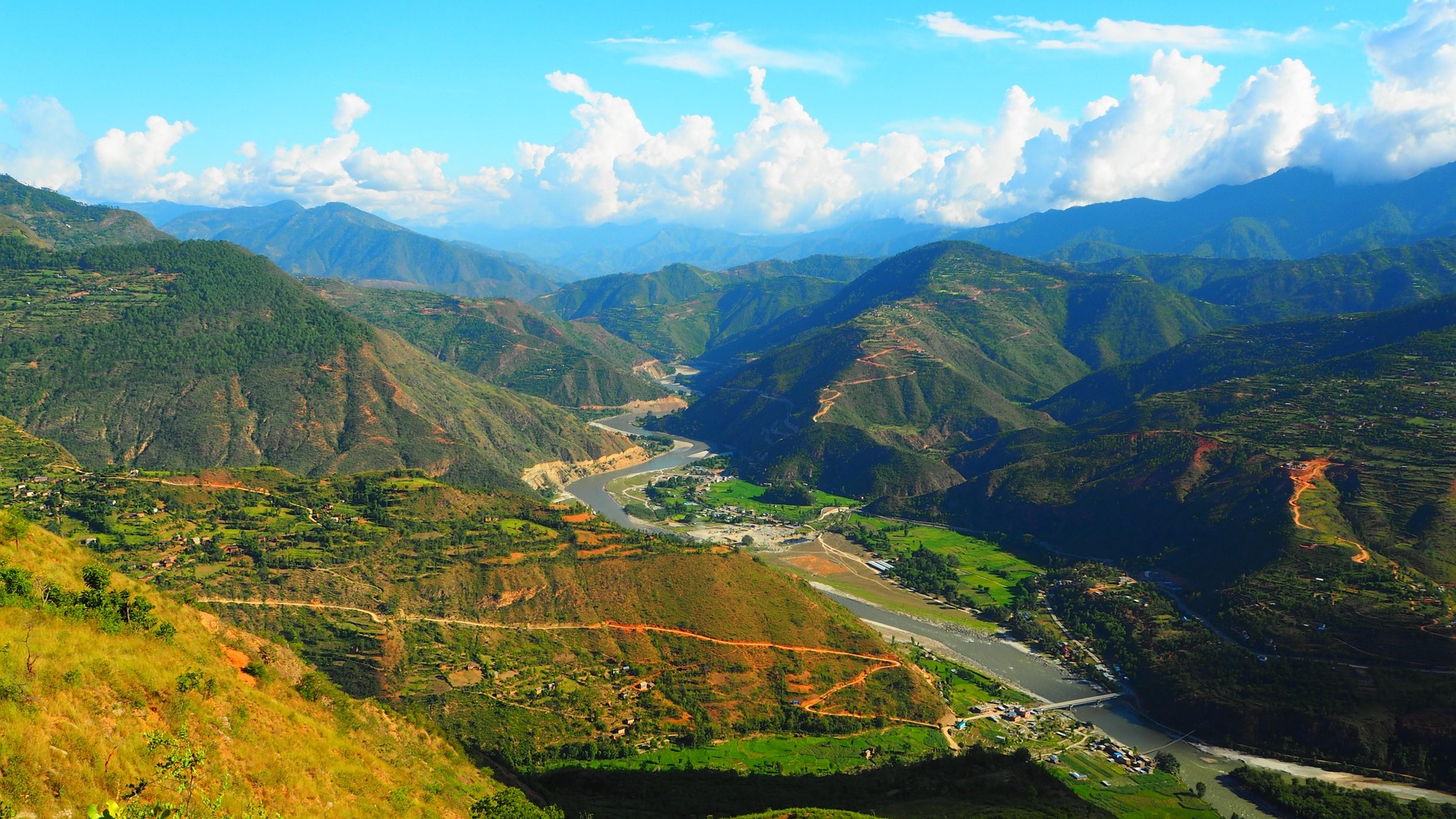
Trip Duration: Approximately 5–6 hours
Trip Distance: Approximately 6–10 km
Activity: Trekking, village sightseeing
Altitude: Approximately 2,386 m
Accommodation: Teahouse
Meal: Breakfast, Lunch, Dinner
Day 05
Continue ascending through the upper Tsum Valley, following mountain paths that pass traditional villages, terraced fields and forested slopes. The scenery gradually opens to reveal broader views of the surrounding hills and snow-covered Himalayan peaks. Along the trail, you will experience the region’s distinctive Tibetan-influenced architecture and peaceful village atmosphere. As you reach Chhokangparo, enjoy the beautiful mountain surroundings and observe the traditional lifestyle of local communities. The increasing altitude makes it important to maintain a comfortable pace, drink plenty of water and allow your body to adjust to the changing conditions.
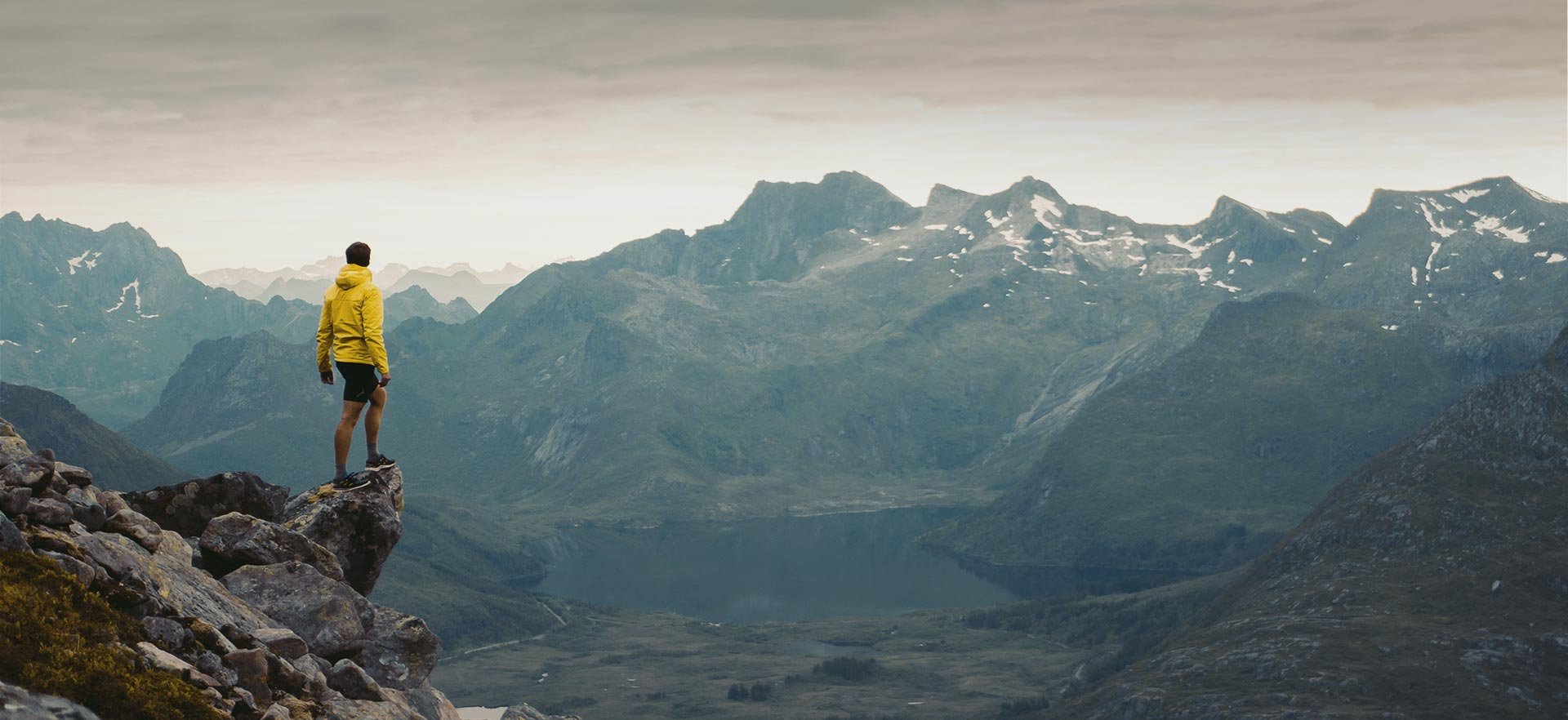
Trip Duration: Approximately 5–6 hours
Trip Distance: Approximately 8–10 km
Activity: Mountain trekking
Altitude: Approximately 3,010 m
Accommodation: Teahouse
Meal: Breakfast, Lunch, Dinner
What's Inlcuded
- Airport pick-up and drop-off by private vehicle
- Kathmandu–Pokhara–Kathmandu tourist bus transportation
- Private transportation from Pokhara to the trek starting point and back
- Experienced, English-speaking, government-licensed trekking guide
- Porter service with a ratio of 1 porter for every 2 trekkers
- Guide and porter salary, food, accommodation, insurance, and equipment
- Accommodation in comfortable teahouses/lodges during the trek
- Breakfast, lunch, and dinner during the trekking period
- Welcome and farewell dinner in Kathmandu
- Annapurna Conservation Area Permit (ACAP)
- Trekkers’ Information Management System (TIMS) card
- All necessary local permits and government taxes
- Basic first-aid kit carried by the trekking guide
- Sleeping bag and down jacket, if required
- All applicable service charges and taxes
What's Not Inlcuded
- International airfare and Nepal visa fee
- Travel and medical insurance
- Personal expenses such as laundry, telephone calls, and internet
- Soft drinks, alcoholic beverages, and bottled/mineral water
- Extra snacks, desserts, and beverages during the trek
- Hot showers and other personal services at teahouses
- Personal trekking equipment and clothing
- Emergency evacuation by helicopter or other means
- Medical treatment and medication
- Tips for trekking guide and porter
- Extra accommodation or meals caused by early arrival, late departure, or itinerary changes
- Expenses resulting from natural disasters, weather conditions, political disturbances, or other unforeseen circumstances
- Any services or expenses not specifically mentioned under the Includes section
Your Journey Starts Here
Let’s Create Your Next Unforgettable Adventure
Let our experienced travel experts craft a unique itinerary designed around your preferences and expectations.
- Whatsapp +977-9851029803
- Mail Us info@travelbirdnepal.com
Enquiry Now
Connect with our trekking experts to create a personalized trip experience designed around your interests, comfort, and adventure goals.
Essential Info
The Tsum Valley, Manaslu Circuit and Nar Phu Valley Trek offers an extraordinary journey through some of the most remote, culturally rich, and spectacular Himalayan landscapes of Nepal. These trekking regions are renowned for their snow-covered peaks, deep river gorges, traditional Tibetan-influenced villages, ancient Buddhist monasteries, and unspoiled mountain scenery. The Manaslu Circuit takes trekkers around Mount Manaslu, the world’s eighth-highest mountain, while Tsum Valley introduces travelers to secluded settlements, sacred monasteries, and centuries-old Buddhist traditions. The Nar Phu Valley route explores the hidden villages of Nar and Phu, surrounded by rugged cliffs, alpine pastures, and dramatic high-altitude landscapes. Depending on the chosen itinerary, these routes can be combined into an extended Himalayan expedition, usually requiring substantial time for trekking, acclimatization, and travel between trail sections. The journey is ideal for adventurous travelers seeking authentic cultural encounters, remote wilderness, and a more challenging alternative to Nepal’s busier trekking routes.
Planning a successful trek requires careful attention to seasonal conditions, physical preparation, altitude management, accommodation, nutrition, permits, and safety arrangements. Spring and autumn are generally the most favorable seasons, offering comparatively stable weather and excellent mountain views, although conditions can change quickly at higher elevations. Trekkers should be prepared for long walking days, steep ascents and descents, limited facilities in remote villages, and cold temperatures near high mountain passes. Depending on the itinerary, important crossings may include Larkya La Pass on the Manaslu Circuit and Kang La Pass in the Nar Phu region, both of which require suitable acclimatization and favorable weather. A licensed guide, appropriate trekking permits, comprehensive travel insurance, suitable equipment, and a flexible itinerary are particularly important in these restricted and remote areas. With realistic expectations and proper preparation, this adventure provides an opportunity to experience Nepal’s extraordinary mountain scenery, local hospitality, spiritual heritage, and traditional Himalayan way of life.
Best Season
Spring and autumn are generally considered the best seasons for trekking through Tsum Valley, the Manaslu Circuit, and Nar Phu Valley because they offer comparatively favorable weather, good mountain visibility, and suitable trail conditions. Spring, from March to May, brings gradually warmer temperatures, blooming rhododendrons at lower elevations, and beautiful views of the surrounding Himalayan peaks. Autumn, from September to November, is particularly popular because the monsoon rains have usually subsided, leaving clearer skies, crisp mountain air, and excellent opportunities for photography. October is often a preferred month for high-altitude trekking, although actual conditions vary from year to year. These seasons also provide opportunities to experience local village life and cultural traditions while walking through forests, alpine meadows, and traditional Himalayan settlements.
The summer monsoon, from June to August, can make trekking more difficult because of heavy rainfall, slippery paths, landslides, and transportation disruptions in lower regions. Winter, from December to February, brings freezing temperatures, snowfall, and potentially dangerous conditions at high mountain passes, especially along the Manaslu Circuit and Nar Phu routes. Some lodges may close during the colder months, and heavy snow can make certain sections inaccessible. Before choosing your departure date, consider your experience, preferred weather, and tolerance for cold conditions, and confirm the latest trail information with your trekking agency. Although spring and autumn are usually the most suitable periods, mountain weather remains unpredictable, so proper clothing, flexible scheduling, and contingency days are important in every season.
Seasonal highlights:
- Spring (March–May): Blooming forests, milder temperatures, and scenic mountain views.
- Autumn (September–November): Clear skies, crisp air, and generally favorable trekking conditions.
- Monsoon (June–August): Green landscapes but increased rain, landslides, and slippery trails.
- Winter (December–February): Snow-covered scenery, extreme cold, and possible high-pass closures.
Eating and Drinking
Food is an important part of the trekking experience in Tsum Valley, the Manaslu Circuit, and Nar Phu Valley, where local teahouses serve a variety of traditional Nepali and Tibetan-influenced meals. Common options include dal bhat, rice, lentils, vegetable curries, noodles, soups, potatoes, Tibetan bread, momos, and seasonal vegetables. Dal bhat is particularly useful for trekkers because it provides carbohydrates and other nutrients needed for long walking days. In remote villages, the menu may be limited, and food availability can depend on transportation, season, and the number of visitors. Eating regular meals, carrying energy-rich snacks, and maintaining adequate nutrition can help sustain energy during long ascents and demanding mountain-pass crossings. Trekkers with dietary restrictions should inform their agency in advance, although the variety of available alternatives may be limited in isolated settlements.
Safe drinking water is equally important, especially when walking at high altitude, where dehydration can contribute to fatigue and make it harder to recognize other health problems. Boiled water is often available at teahouses, while water purification tablets, suitable filters, or other reliable treatment methods can provide additional options. Avoid drinking untreated water directly from streams, rivers, or village taps, even if it looks clear. Carry reusable water bottles or a hydration system and refill them regularly throughout the day. Hot drinks such as tea, ginger-lemon beverages, and soup can be comforting in cold conditions, but alcohol should be avoided during acclimatization and strenuous high-altitude trekking. Plan your food and water needs carefully, particularly on remote sections where shops and lodges may be far apart.
Food and hydration tips:
- Eat balanced meals with sufficient carbohydrates and calories.
- Carry nuts, energy bars, dried fruit, or other lightweight snacks.
- Drink treated, boiled, or otherwise purified water.
- Carry a reusable bottle and suitable water purification supplies.
- Avoid untreated water and limit alcohol at altitude.
- Inform your trekking agency about allergies or dietary requirements.
Accommodation
Accommodation throughout Tsum Valley, the Manaslu Circuit, and Nar Phu Valley mainly consists of local teahouses, mountain lodges, and village guesthouses. These establishments provide a welcoming opportunity to experience local hospitality and observe traditional Himalayan lifestyles. Most rooms are simple and furnished with beds, mattresses, pillows, and blankets, although facilities vary considerably between villages. In the more developed sections of the Manaslu Circuit, trekkers may find a wider choice of lodges, whereas remote settlements in Tsum Valley and Nar Phu often have fewer options and more basic facilities. Bathrooms may be shared, and hot showers, charging facilities, heating, and internet access can be limited or available for an additional fee. Accommodation availability may also become restricted during busy trekking seasons, making advance arrangements particularly useful for larger groups.
Trekkers should prepare for cold nights, limited privacy, and basic amenities rather than expecting hotel-style comfort throughout the journey. Bringing a suitable sleeping bag, warm sleeping clothes, a headlamp, personal toiletries, quick-drying towels, and power banks can make the experience more comfortable. Although some lodges provide blankets, they may not be warm enough during freezing conditions at higher elevations. Charging electronic devices may require additional payment, and internet or mobile connectivity cannot be relied upon in remote areas. Booking through an authorized trekking agency can help coordinate accommodation, meals, and overnight stops according to the itinerary. Respecting local customs, keeping rooms clean, conserving water, and minimizing waste are also important when staying in small Himalayan communities.
Accommodation essentials:
- Local teahouses, mountain lodges, and village guesthouses.
- Basic rooms with varying levels of comfort and facilities.
- Shared bathrooms and limited hot-water availability in remote areas.
- A warm sleeping bag and insulated sleeping clothes.
- Headlamp, toiletries, power bank, and small personal towel.
- Advance accommodation arrangements during peak seasons.
Altitude Sickness
Altitude sickness is a significant concern on these trekking routes because parts of the journey reach elevations above 5,000 meters. Acute mountain sickness (AMS) can develop when the body does not adjust adequately to reduced oxygen availability at higher elevations. Common symptoms include headache, nausea, dizziness, fatigue, reduced appetite, and difficulty sleeping. More serious conditions, including high-altitude pulmonary edema (HAPE) and high-altitude cerebral edema (HACE), can become life-threatening without prompt treatment. The high passes of Larkya La and Kang La are especially demanding because of their elevation, cold temperatures, and potential weather changes. Good physical fitness does not guarantee protection against altitude sickness, and even experienced trekkers can develop symptoms if they ascend too quickly.
The most effective preventive approach is gradual ascent combined with appropriate acclimatization days and careful monitoring of symptoms. Follow your guide’s recommendations about sleeping altitude, avoid pushing higher when unwell, eat regularly, and drink enough fluids to maintain normal hydration. If you develop symptoms of altitude sickness, stop ascending and inform your guide immediately. If symptoms worsen or severe altitude illness is suspected, descend promptly and seek emergency medical assistance. Severe breathlessness at rest, confusion, difficulty walking straight, or a significant decline in consciousness are emergency warning signs. Do not rely on painkillers or other medication to continue climbing despite worsening symptoms. Before departure, discuss your itinerary and personal health considerations with a qualified healthcare professional, including whether preventive medication is appropriate for you.
Altitude safety guidelines:
- Ascend gradually and allow adequate acclimatization days.
- Monitor yourself and fellow trekkers for symptoms.
- Never continue ascending when experiencing symptoms of altitude sickness.
- Descend promptly if symptoms worsen or severe illness is suspected.
- Know the warning signs of HAPE and HACE.
- Consult a healthcare professional about preventive medication before departure.
Guide and Permits
Trekking through Tsum Valley, the Manaslu Circuit, and Nar Phu Valley requires careful permit arrangements and an understanding of Nepal’s restricted-area trekking regulations. Foreign trekkers generally need to travel with a licensed trekking guide through an authorized trekking agency when visiting these restricted regions, subject to current government requirements. The Manaslu Circuit typically requires a Manaslu Restricted Area Permit (RAP), a Manaslu Conservation Area Permit (MCAP), and an Annapurna Conservation Area Permit (ACAP) for the relevant sections of the route. Trekkers exploring Tsum Valley need an additional Tsum Valley Restricted Area Permit, while the Nar Phu Valley route requires a separate restricted-area permit for the designated Nar and Phu villages. The specific permits required depend on the itinerary and the areas visited, so it is important to confirm the arrangements with your trekking agency before departure. Permit fees, seasonal rates, documentation requirements, and other regulations may change, making it advisable to verify the latest official requirements before finalizing your trip.
An experienced trekking guide plays an important role in ensuring that the journey is well organized, culturally enriching, and appropriately managed. Guides assist with route navigation, permit checks, accommodation arrangements, communication with local communities, and decisions concerning weather, altitude, and trail conditions. When choosing an agency, confirm that it is authorized to organize restricted-area treks and that your guide has the necessary license and relevant high-altitude trekking experience. Foreign trekkers should also verify any applicable minimum group requirements and documentation rules before traveling, rather than assuming that independent trekking is permitted. Carry your passport, relevant visa details, permit copies, and travel insurance documents throughout the journey, as authorities may check permits at designated checkpoints. Arranging permits through a reliable agency helps reduce administrative complications and allows you to focus on the spectacular landscapes, traditional villages, ancient monasteries, and unique cultural experiences of these remote Himalayan regions.
Guide and Permit Requirements
- Licensed trekking guide: Arrange a qualified guide through an authorized trekking agency.
- Manaslu Restricted Area Permit: Required for the designated restricted section of the Manaslu route.
- Manaslu Conservation Area Permit (MCAP): Required for entry into the applicable conservation area.
- Annapurna Conservation Area Permit (ACAP): Required when your itinerary enters the designated Annapurna Conservation Area.
- Tsum Valley Restricted Area Permit: Required when trekking through the designated restricted area of Tsum Valley.
- Nar Phu Valley Restricted Area Permit: Required for the designated restricted villages and route sections in Nar and Phu.
- Travel documents: Carry your passport, visa details, permits, and insurance information.
- Agency verification: Confirm that the agency and guide meet current licensing and authorization requirements.
- Current regulations: Verify permit fees, seasonal conditions, group requirements, and route-specific rules before departure.
Travel Insurance
Comprehensive travel insurance is essential for the Tsum Valley, Manaslu Circuit, and Nar Phu Valley Trek because remote mountain environments can involve medical emergencies, unexpected delays, injuries, and costly evacuation. Standard travel insurance may exclude high-altitude trekking, restricted-area routes, or activities above a specified elevation. When choosing a policy, confirm that it explicitly covers the highest altitude of your planned itinerary, including the relevant mountain passes, and provides emergency helicopter evacuation when medically necessary. Read the policy wording carefully, paying attention to exclusions, claim limits, deductibles, pre-existing conditions, and whether evacuation requires prior authorization. It is also important to understand the difference between medical expenses, rescue costs, trip cancellation, and personal belongings coverage, since these benefits may be provided under separate sections of the policy.
Different types of travel insurance offer protection against different risks, and the most suitable plan depends on your itinerary, budget, and personal circumstances. Emergency medical insurance may cover eligible treatment, hospitalization, and medication; high-altitude trekking coverage addresses the specific activity and elevations permitted by the policy; and helicopter evacuation or mountain rescue coverage may pay for eligible emergency transport under stated conditions. Trip cancellation and interruption insurance can reimburse certain non-refundable expenses when a covered event prevents travel, while travel delay coverage may help with qualifying additional accommodation or transport costs. Baggage coverage may protect against eligible theft, loss, or damage, and personal accident coverage may provide specified benefits following a covered injury. No policy covers every situation automatically, so request written confirmation that high-altitude trekking, altitude-related illness, and emergency evacuation are included.
Types of travel insurance and what they cover:
- Emergency medical coverage: Eligible medical treatment, hospitalization, and medication.
- High-altitude trekking coverage: Trekking activities up to the policy’s stated elevation limit.
- Helicopter evacuation and mountain rescue: Eligible emergency rescue or evacuation expenses, subject to policy terms.
- Trip cancellation and interruption: Certain prepaid, non-refundable expenses for covered reasons.
- Travel delay coverage: Eligible extra accommodation, meals, or transport costs after covered delays.
- Baggage and personal belongings: Certain losses, theft, or damage, subject to exclusions and limits.
- Personal accident coverage: Specified benefits for qualifying accidental injuries or other covered outcomes.
Trek Difficulty and Preparations
The Tsum Valley, Manaslu Circuit, and Nar Phu Valley Trek is considered a challenging high-altitude adventure that requires good physical fitness, mental resilience, and careful preparation. The journey involves long walking days, steep ascents and descents, rugged mountain trails, remote settlements, and high passes such as Larkya La Pass (approximately 5,106 meters) and Kang La Pass (approximately 5,320 meters). At these elevations, reduced oxygen levels, freezing temperatures, snowfall, and unpredictable weather can make trekking physically demanding. Previous multi-day trekking experience is beneficial, as trekkers must be prepared to walk for several hours daily across uneven terrain while carrying a daypack. The remoteness of these regions also means that access to medical facilities, comfortable accommodation, and emergency transportation may be limited. Proper acclimatization, a realistic itinerary, and the ability to adjust plans according to weather and health conditions are essential for completing the journey safely and comfortably.
Preparing for this trek involves developing both physical and mental fitness before departure. Physical preparation should begin several weeks or months in advance through regular hiking, brisk walking, stair climbing, cycling, and strength-training exercises that improve cardiovascular endurance, leg strength, balance, and stamina. Gradually increase the duration and difficulty of practice hikes to prepare for consecutive walking days and steep mountain trails. Mental fitness is equally important because remote Himalayan trekking can involve fatigue, discomfort, cold weather, basic accommodation, unpredictable conditions, and moments of physical or emotional exhaustion. Developing patience, determination, a positive attitude, and the ability to remain calm when plans change can help trekkers manage these challenges. Practice setting realistic goals, maintaining a steady pace, listening to your body, and accepting that resting or changing the itinerary is sometimes necessary. Alongside physical and mental preparation, pack appropriate layered clothing, waterproof gear, sturdy trekking boots, a suitable sleeping bag, personal medication, a first-aid kit, and water purification supplies. Arrange the required permits, a licensed guide through an authorized trekking agency, and comprehensive travel insurance covering the planned trekking altitude and emergency evacuation. Consult a healthcare professional before departure, allow sufficient acclimatization days, and confirm current trail conditions with your guide.
Physical and Mental Preparation Checklist
- Physical fitness: Build cardiovascular endurance through hiking, walking, cycling, and stair climbing.
- Strength and balance: Strengthen your legs and core to manage steep ascents, descents, and uneven trails.
- Endurance training: Gradually increase the duration of practice hikes to prepare for consecutive trekking days.
- Mental resilience: Develop patience, determination, adaptability, and a positive attitude toward challenging conditions.
- Stress management: Practice staying calm when facing fatigue, bad weather, delays, or changes in the itinerary.
- Realistic expectations: Prepare for basic facilities, cold nights, long walking hours, and limited connectivity.
- Listening to your body: Recognize exhaustion and altitude sickness symptoms, and communicate concerns to your guide.
- Equipment and clothing: Pack suitable trekking boots, layered clothing, waterproof gear, and a warm sleeping bag.
- Health and safety: Carry personal medication, a first-aid kit, and water purification supplies.
- Planning and support: Arrange permits, a qualified guide, appropriate insurance, acclimatization days, and contingency time.
FAQ
The best time for the Tsum Valley, Manaslu Circuit and Nar Phu Valley Trek is generally during spring (March to May) and autumn (September to November), when the weather is relatively stable, mountain views are clear, and trekking conditions are favorable. Spring brings blooming rhododendrons, fresh greenery, and pleasant temperatures in the lower regions, while autumn offers crisp air, excellent Himalayan visibility, and comfortable conditions for exploring traditional mountain villages. Summer coincides with the monsoon season, which can bring heavy rainfall, slippery trails, and landslides in lower elevations. Winter can be extremely cold at higher altitudes, with heavy snowfall potentially affecting high mountain passes such as Larkya La and Kang La. Choosing the right season helps you enjoy the spectacular landscapes, ancient monasteries, and unique cultural experiences of these remote Himalayan regions.
The best time for the Tsum Valley, Manaslu Circuit and Nar Phu Valley Trek is generally during spring (March to May) and autumn (September to November), when the weather is relatively stable, mountain views are clear, and trekking conditions are favorable. Spring brings blooming rhododendrons, fresh greenery, and pleasant temperatures in the lower regions, while autumn offers crisp air, excellent Himalayan visibility, and comfortable conditions for exploring traditional mountain villages. Summer coincides with the monsoon season, which can bring heavy rainfall, slippery trails, and landslides in lower elevations. Winter can be extremely cold at higher altitudes, with heavy snowfall potentially affecting high mountain passes such as Larkya La and Kang La. Choosing the right season helps you enjoy the spectacular landscapes, ancient monasteries, and unique cultural experiences of these remote Himalayan regions.
The Tsum Valley, Manaslu Circuit and Nar Phu Valley Trek is considered a challenging high-altitude adventure suitable for trekkers with good physical fitness and some previous trekking experience. The journey involves long walking days, steep ascents and descents, rugged mountain trails, remote settlements, and high passes that require endurance and careful preparation. The Manaslu Circuit crosses Larkya La Pass at approximately 5,106 meters, while the Nar Phu Valley route includes Kang La Pass at approximately 5,320 meters, depending on the itinerary. Exploring Tsum Valley also requires several days of walking through isolated villages and mountainous terrain. Trekkers should prepare with regular cardio exercises, strength training, and practice hikes before departure. Proper acclimatization days, a gradual ascent, appropriate trekking equipment, and guidance from experienced local professionals are essential for managing altitude-related risks and making the overall journey safer and more enjoyable.
Trekkers visiting these restricted Himalayan regions need to arrange the appropriate permits before entering the designated areas. The Manaslu Circuit generally requires a Manaslu Restricted Area Permit, a Manaslu Conservation Area Permit (MCAP), and an Annapurna Conservation Area Permit (ACAP) when the route enters the Annapurna Conservation Area. The Tsum Valley requires an additional restricted-area permit, while the Nar Phu Valley requires a separate restricted-area permit for the designated Nar and Phu villages. Permit fees and seasonal rates may vary according to the region, duration of stay, and current government regulations. Restricted-area trekking rules also generally require foreign trekkers to travel with a licensed trekking guide and arrange permits through an authorized trekking agency, with applicable group requirements. It is advisable to confirm the latest permit regulations, fees, documentation, and route-specific requirements before departure to ensure that all legal arrangements are completed properly.
The duration of the Tsum Valley, Manaslu Circuit and Nar Phu Valley Trek depends on the selected route, acclimatization schedule, transportation arrangements, and the number of days spent exploring local villages and cultural landmarks. Combining all three regions typically requires around 25 to 35 days, although longer itineraries may be necessary for travelers who prefer a slower pace or additional rest days. The Manaslu Circuit alone often takes approximately 12 to 16 trekking days, while the Tsum Valley extension may add around 7 to 10 days, and the Nar Phu Valley section may require another 7 to 10 days depending on the itinerary and connections between routes. These sections cannot always be combined by simply adding their individual durations, as route planning, acclimatization, and trail connections affect the total schedule. Allowing extra time for weather delays, mountain-pass conditions, and transportation from Kathmandu helps create a more comfortable and flexible trekking experience.
Accommodation along the Tsum Valley, Manaslu Circuit and Nar Phu Valley Trek is primarily available in local teahouses, mountain lodges, and simple guesthouses, with facilities becoming more basic in the remote settlements. Most accommodations provide a bed, blankets, and shared bathroom facilities, although some lodges offer private rooms or additional amenities depending on availability. In isolated villages such as those in Tsum Valley and Nar Phu, lodging options may be limited, so advance planning is particularly important during the main trekking seasons. Meals commonly include traditional Nepali dal bhat, noodles, soups, rice dishes, potatoes, Tibetan-style bread, momos, and other locally available foods. Hot drinks such as tea, coffee, and ginger-lemon beverages are also commonly served. As altitude increases, food choices may become more limited, and access to hot showers, electricity, Wi-Fi, and charging facilities may involve additional costs or may not be available. Carrying some snacks, water purification supplies, and personal essentials is recommended for greater comfort throughout the journey.
Yes, trekking with a licensed guide and an authorized trekking agency is generally required for foreign trekkers visiting the restricted areas of Tsum Valley, Manaslu, and Nar Phu, subject to the latest applicable regulations. These regions contain remote trails, high mountain passes, isolated settlements, and areas where weather conditions can change rapidly, making professional guidance especially valuable. An experienced guide helps manage route navigation, arrange accommodation, coordinate permit checks, communicate with local communities, and monitor the itinerary as conditions change. Guides can also introduce trekkers to the distinctive Tibetan Buddhist traditions, ancient monasteries, prayer walls, chortens, and traditional lifestyles found throughout these valleys. Because the trek involves considerable elevation gain and challenging mountain terrain, a knowledgeable guide can help recognize possible altitude-related symptoms and recommend appropriate action, although a guide cannot eliminate altitude sickness or replace medical care. Traveling with a properly organized team, suitable insurance, emergency arrangements, and adequate acclimatization provides additional support for a safer and more rewarding Himalayan adventure.
Check list
Be Prepared before you Travel
Clothing
- Moisture-wicking base layers
- Fleece jacket or warm mid-layer
- Waterproof and windproof jacket
- Warm down jacket for higher elevations
- Quick-dry trekking pants
- Thermal underwear
- Warm trekking socks and spare pairs
- Lightweight T-shirts
- Warm hat, sun hat, and neck gaiter
- Lightweight gloves and warm insulated gloves
- Comfortable sleepwear
Trekking Gear
- Comfortable and waterproof trekking boots
- Lightweight trekking shoes or sandals
- Backpack with rain cover
- Adjustable trekking poles
- Sleeping bag suitable for cold temperatures
- Headlamp with spare batteries
- Water bottles or hydration bladder
- Waterproof dry bags or packing cubes
- Microspikes, if required due to seasonal snow conditions
- Sunglasses with UV protection
- Gaiters for snow or muddy trail conditions
Hygiene / Personal Care
- Toothbrush and toothpaste
- Biodegradable soap and shampoo
- Quick-dry microfiber towel
- Toilet paper and pocket tissues
- Hand sanitizer and wet wipes
- Moisturizer and lip balm
- Sunscreen with high SPF
- Personal toiletries
- Small nail clipper and personal grooming items
- Reusable sanitary products or other personal hygiene supplies, if required
- Small waste bags for responsible waste disposal
Electronics
- Mobile phone or smartphone
- Power bank with sufficient capacity
- Phone charging cable and adapter
- Universal travel adapter
- Camera and spare batteries, if required
- Extra memory card
- Headphones or earphones
- Portable solar charger, if preferred
Medical / Safety
- Personal prescription medicines
- Basic first-aid kit
- Pain relievers and basic medication
- Altitude sickness medication as advised by a medical professional
- Blister treatment and adhesive bandages
- Antiseptic wipes or solution
- Elastic bandage and medical tape
- Electrolyte or oral rehydration salts
- Insect repellent
- Emergency contact information
- Personal travel and medical insurance details
General Documents
- Valid passport
- Nepal tourist visa or visa-on-arrival documents, where applicable
- Travel insurance policy and emergency evacuation details
- Flight tickets and travel itinerary
- Hotel and transportation booking details
- Emergency contact information
- Copies of passport, visa, and insurance documents
- Passport-size photographs
- Permits and trekking-related documents, as applicable
- Some Nepalese cash for personal expenses along the trail
What our Customer Says
Memories Shared by Our Travelers
Hear what our travelers have to say about their unforgettable journeys with us.



Related Packages
Explore More Similar Journeys
Explore our handpicked packages, thoughtfully designed to offer unforgettable journeys, authentic experiences, and breathtaking destinations.
No related packages found!
