Api Himal Base Camp Trek- 12 Days
Api Himal Base Camp, Darchula, Nepal
12 Days/11 Nights
Price From
View More
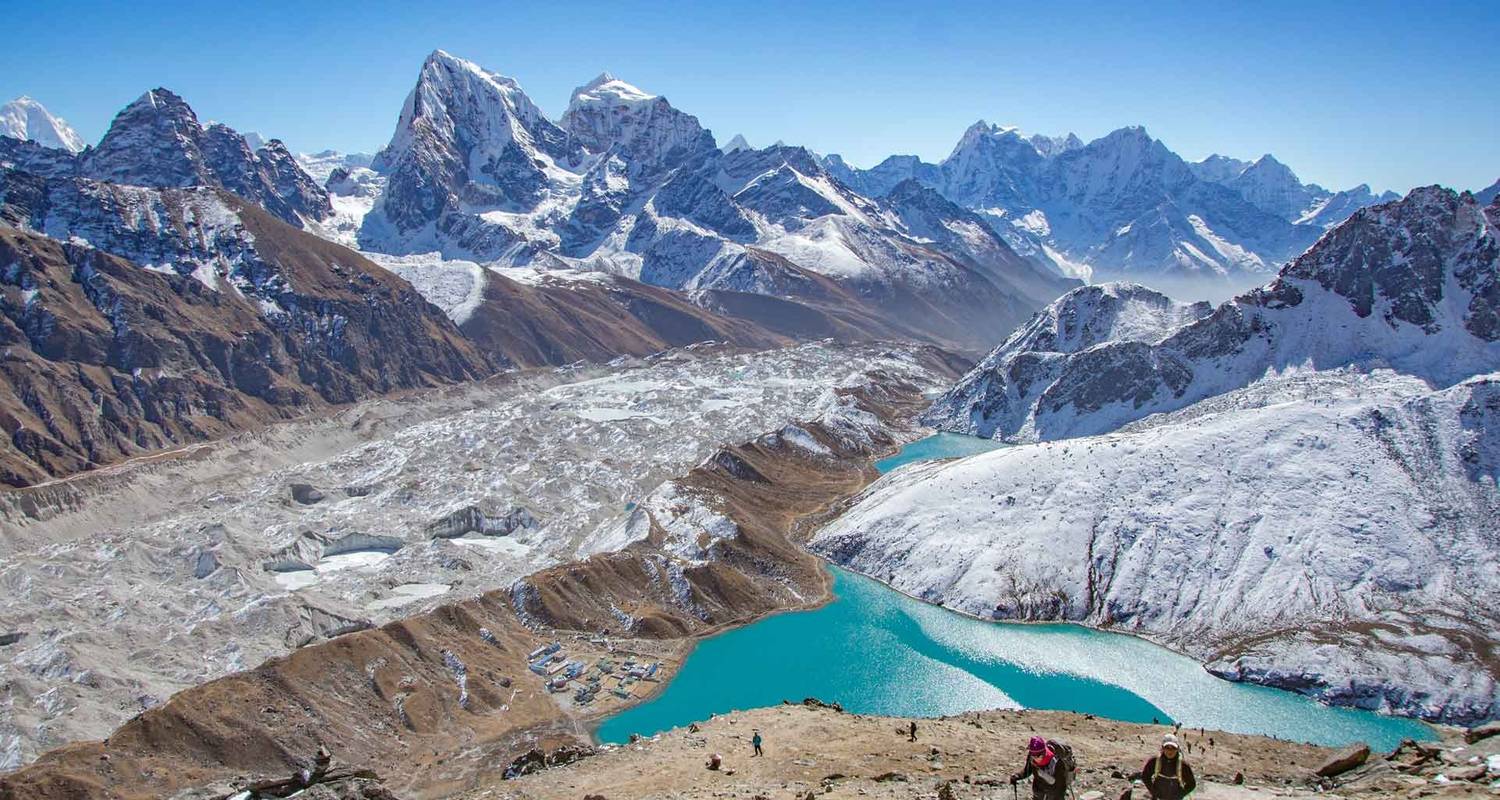
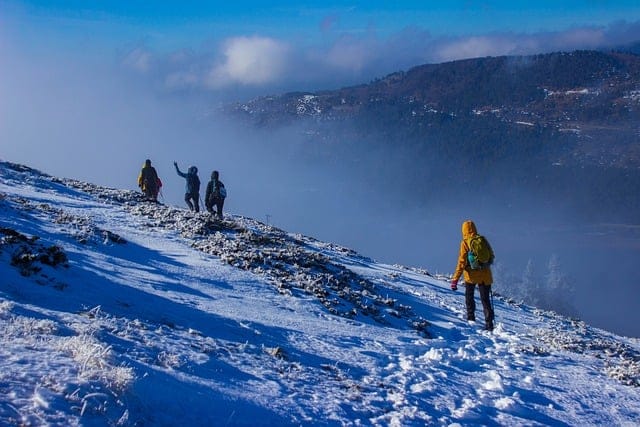
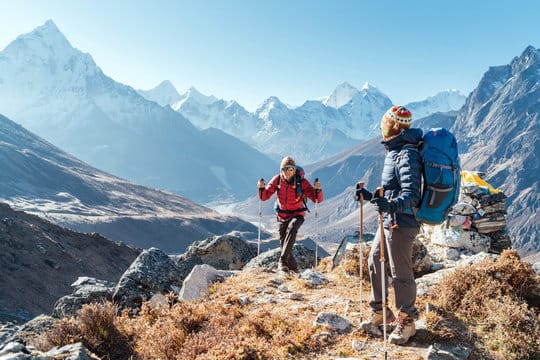
The Everest Base Camp Trek is a very famous and exciting adventure for people all over the world. It is a special journey that calls to those who dream of standing close to the highest mountain in the world, Mount Everest. The usual walk to the bottom of Mount Everest, which people call Chomolungma or “Mother Goddess of the World,” often takes 14 days. This helps people get used to the high altitude slowly and comfortably. However, this carefully planned 12-day trip from ART NEPAL Treks is a shorter and more active choice. It is made for adventurers who don’t have much time or want a more physically challenging trip. This journey still gives you the full Everest experience—amazing mountain views, a deep look into Sherpa culture, and the personal success of reaching 5,364 meters—but in a well-organized and faster plan.
This trip takes you deep into the Khumbu region, the beautiful home of the famous Sherpa people. The path goes through the Sagarmatha National Park, a special place recognized by UNESCO for its rough landscape and unique plants and animals. Here, the air becomes much thinner as you climb higher. You will be surrounded by huge mountains like Lhotse, Nuptse, Ama Dablam, and, of course, Everest itself. The land is shaped by old glaciers, deep valleys, and high suspension bridges over the fast-flowing Dudh Koshi River, creating a place of wild and stunning natural beauty.
Choosing a 12-day trip makes the trek physically and mentally more demanding. This is not an easy walk; it is a test of your strength that needs you to be in better shape before you start and to be mentally strong. The faster speed means you must pay close attention to your body, drink plenty of water, and carefully follow your guide’s advice about how fast to walk and when to rest. This trip is best for people who are in good to excellent health and may have some experience at high altitudes. But the challenge is what makes the success feel so great. Finishing this trek in 12 days shows how determined humans can be and how well they can adjust to one of the most difficult and amazing places on Earth.
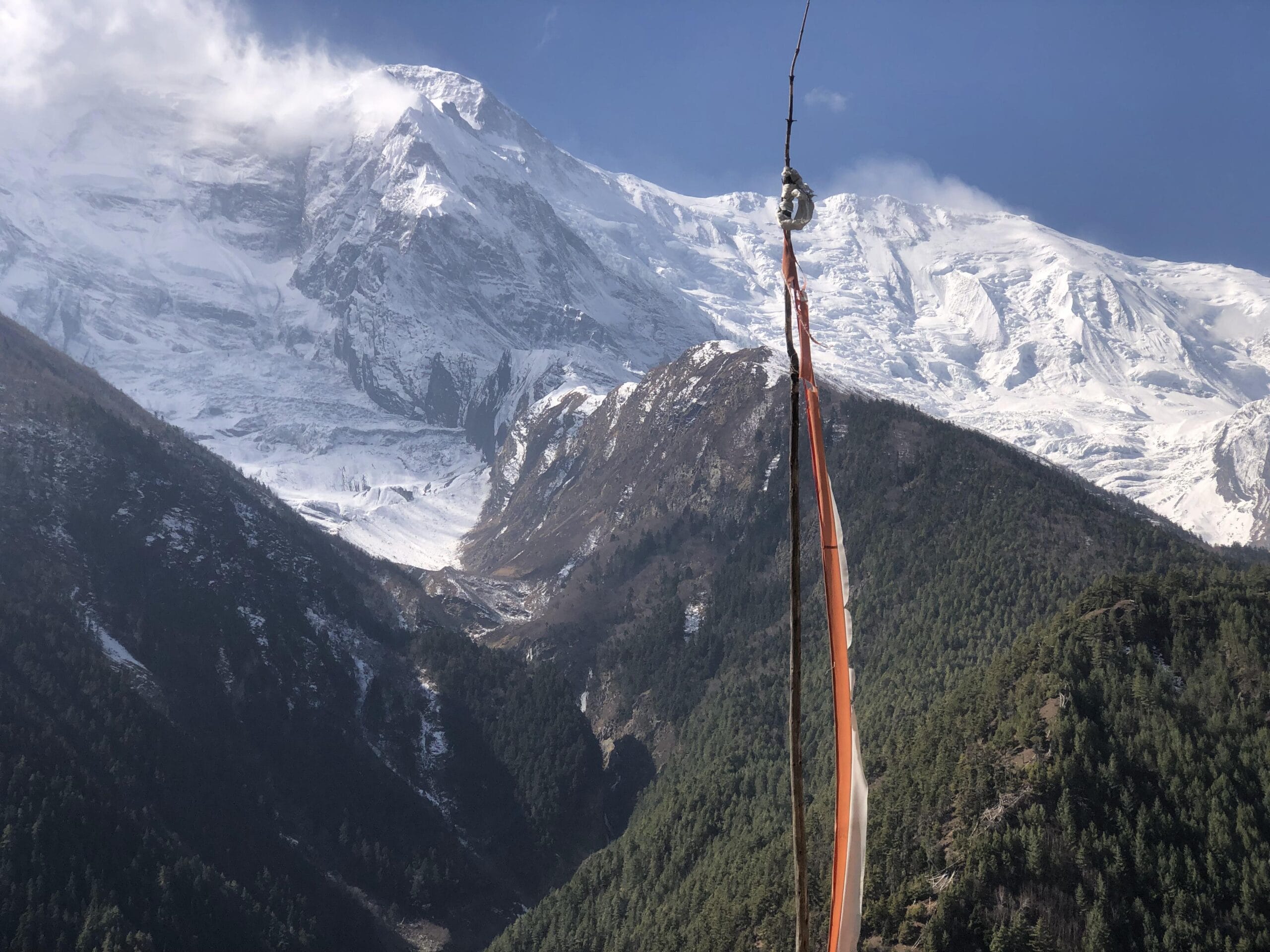
More than just a physical test, the trek is a deep look into a rich and spiritual culture. The Khumbu region is full of Tibetan Buddhist traditions. Trekkers will see prayer flags waving in the mountain wind, stone walls with sacred prayers carved on them, and small Buddhist shrines along the path. The kindness and welcoming nature of the Sherpa people, who are famous for their climbing skills and strength, make every stop at a teahouse a meaningful cultural exchange. Visiting old monasteries, like the well-known Tengboche Monastery, gives you quiet moments for thought among the mountains, letting you connect with the spiritual traditions that guide the local way of life.
The most exciting parts of this 12-day journey are two big achievements. First, the trek to Everest Base Camp itself, where you stand on the rocky ground of the Khumbu Glacier, looking up at the dangerous Khumbu Icefall and the steep Southwest Face of Everest. It is a place full of history, and you can almost feel the spirit of famous climbers who tried to reach the summit before. The journey ends with the early morning climb of Kala Patthar (5,545 meters). This tough climb gives you the best reward: a stunning, 360-degree view of the Himalayan giants lit by the golden light of sunrise. Watching the sun touch the top of Everest is a life-changing moment that shows the beauty and greatness of the “Roof of the World.”
In the end, this 12-day trip is much more than a trek; it is a journey that affirms life. It pushes your personal limits, helps you appreciate nature and culture more, and leaves a lasting mark on your soul. With ART NEPAL Treks, adventurers can be sure of a journey that, while faster, does not cut corners on safety or the quality of the experience. It is the perfect mix of adventure, culture, and natural beauty, making sure the memories made in the shadow of Everest will stay with you forever.
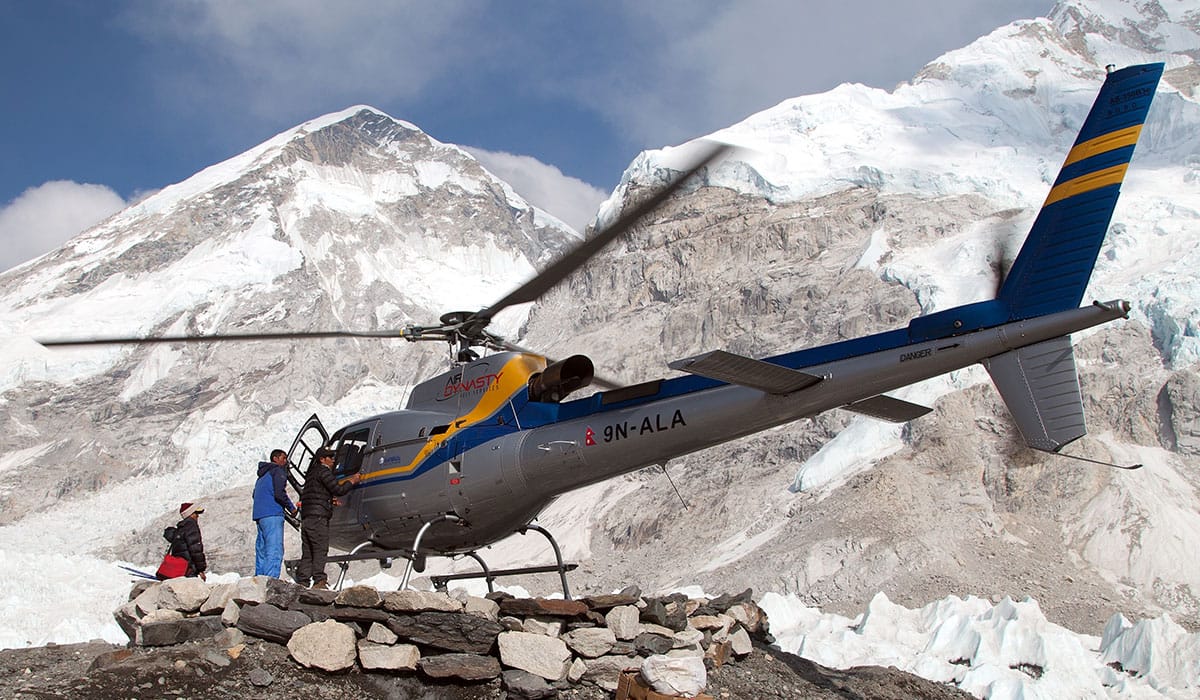
This 12-day trip offers a “just right” balance among Everest treks—it’s faster than the standard walk out, but safer than a very quick rush. You will experience the full beauty of the trek: the exciting flight to Lukla, the rich culture of Namche, the peaceful feeling of Tengboche, and the rough beauty of the high glaciers. By keeping the rest days, you have time to explore side valleys and truly take in the environment instead of just hurrying through. The main events are the grand finale: reaching the famous Base Camp and watching the sunrise light up the summit of Everest from Kala Patthar, followed by a quick helicopter flight that takes you from the icy peaks back to the busy city of Kathmandu in one morning.
Your Himalayan adventure starts when you arrive at Tribhuvan International Airport (TIA) in Kathmandu, Nepal’s lively capital city. After you go through customs and immigration, someone from ART NEPAL Treks will warmly greet you. You will know them by a sign with your name on it. They will help you with your bags and take you to your pre-booked hotel, usually in the busy Thamel area, a central spot for trekkers and tourists. After you check in and have time to freshen up from your trip, you can choose to relax at the hotel or take a short walk around Thamel to get a first feel for Kathmandu. In the evening, there will be a pre-trek meeting. This is an important session where you will meet your trekking guide(s), get a detailed plan of the upcoming EBC itinerary, talk about necessary trekking gear and equipment (you can rent or buy missing items in Kathmandu), and get answers to any important questions. This meeting is also a chance to meet your fellow trekkers and build a sense of friendship before starting the shared adventure.
You will need to start early today for your transfer to Kathmandu’s domestic airport for your flight to Lukla. This about 35-minute flight is an adventure by itself, offering amazing aerial views of the Himalayan range, and, if the weather is clear, your first sights of Mount Everest and its neighboring giants. Landing at Tenzing-Hillary Airport in Lukla is famous for its exciting approach and short, uphill runway cut into the mountainside. When you arrive, you will meet your porters, who will carry your main luggage, and have one last chance to organize your gear before starting the trek. The path from Lukla first goes downhill, passing through the village of Chauri Kharka, then follows the bank of the Dudh Koshi (Milk River). You will cross several suspension bridges, including the first of many high bridges that offer exciting views down into the gorge. The path is relatively easy today, winding through pine forests and small villages. After about 3-4 hours of trekking, you will reach the village of Phakding, where you will stay overnight in a teahouse. The evening is a time to relax and get used to the slightly higher altitude.
After breakfast, the trek continues along the Dudh Koshi valley. The path has several uphill and downhill sections as it crosses the river many times on strong suspension bridges. One of the most memorable crossings is the Hillary Suspension Bridge, high above the fast-moving waters of the Dudh Koshi. You will enter the Sagarmatha National Park at Monjo, where park officials will check your trekking permits. Just past Monjo, at Jorsale, you will cross the Dudh Koshi for the last time before starting the long, steep climb to Namche Bazaar. This climb, which can take about 2-3 hours, is the first big test of your fitness and how well you are getting used to the altitude, but you are rewarded with amazing first views of Mount Everest (if the weather is clear) as you get close to Namche. Namche Bazaar, the main administrative and trading center of the Khumbu region, is a busy, horseshoe-shaped village tucked in a natural mountain bowl. It has many shops, bakeries, cafes, and even an internet cafe, giving you a nice taste of civilization in the mountains.
Getting used to the high altitude is a very important part of high-altitude trekking, and today is for letting your body adjust to the thinner air at 3,440m. The most common and recommended acclimatization activity is a day hike to a higher altitude, followed by returning to sleep at the same or lower altitude (“climb high, sleep low”). A popular choice is the hike to the Everest View Hotel (3,880m) or to the Syangboche airstrip (3,780m). This hike, taking about 3-4 hours round trip, offers magnificent panoramic views of Everest, Lhotse, Ama Dablam, Thamserku, and other surrounding peaks. The Everest View Hotel, as its name suggests, provides stunning views and is a good place for a cup of tea before going back down. Another option is to explore Namche Bazaar itself, visiting the Sherpa Museum (which gives insights into Sherpa culture and climbing history), looking at local markets for trekking gear or souvenirs, or just relaxing at a cafe. Staying well-hydrated and resting are also important parts of acclimatization.
Leaving Namche Bazaar, the path continues to climb gradually, offering breathtaking views of the Himalayan panorama. The trail goes around the mountainside, passing through settlements like Kyangjuma and Phunki Tenga, where you will go down to cross a bridge over the Dudh Koshi River. From Phunki Tenga, a steep climb of about 1.5-2 hours through beautiful rhododendron and pine forests brings you to Tengboche. Tengboche is famous for its important and picturesque Tibetan Buddhist monastery, the Tengboche Gompa, which is the largest in the Khumbu region. The monastery, with its large prayer hall decorated with detailed paintings and statues, is a major spiritual center for the Sherpa community. Depending on when you arrive, you may have the chance to see the evening prayer ceremonies (puja) by the monks, which is a deeply moving experience. The views of Ama Dablam from Tengboche are especially spectacular.
The path from Tengboche goes down through forests of rhododendron, fir, and birch to Debuche, where you will cross the Imja Khola River on a suspension bridge. From Debuche, the path starts a gradual climb, passing through lush forests and across open slopes. You will see many mani walls (stones carved with Buddhist prayers) and chortens along the way, showing the deep spiritual nature of the landscape. The path then climbs steadily, offering stunning views of Ama Dablam, Island Peak (Imja Tse), and other peaks. You will pass through the village of Pangboche, one of the highest villages where people live all year in the Khumbu valley and home to one of the oldest monasteries in the region, which you may choose to visit. From Pangboche, the path continues its climb through alpine meadows to Dingboche, also known as the “Summer Valley.” Dingboche is a beautiful village located in a wide, sunny valley, surrounded by breathtaking mountain scenery.
Today involves a big increase in altitude, so it’s very important to keep a steady pace and listen to your body. The path from Dingboche climbs gradually, passing through alpine meadows and offering increasingly rough and dramatic scenery. You will pass through Dughla (also known as Thukla), where the landscape becomes more empty and rocky. Soon after Dughla, you will face a steep climb up a terminal moraine of the Khumbu Glacier. At the top of this climb, you will reach a ridge lined with many memorials for climbers and Sherpas who have lost their lives on Mount Everest and other peaks in the region. This is a serious and thought-provoking place, offering a moment to think about the dangers of high-altitude climbing. From the memorial ridge, the path continues along the side moraine of the Khumbu Glacier, with stunning views of Pumori (7,161m), Khumbutse (6,636m), and Lingtren (6,697m) across the glacier. The path can be uneven and rocky. After a few hours of trekking along the moraine, you will arrive at the small settlement of Lobuche, located on the side of the Khumbu Glacier. The air is noticeably thinner here, and the temperatures are colder.
Today is one of the most important and demanding days of the trek. After an early breakfast, you will set off from Lobuche, continuing along the side moraine of the Khumbu Glacier. The path is rough and involves navigating over rocky ground. After about 2-3 hours, you will reach Gorak Shep, a small, remote settlement that was the original base camp for early Everest expeditions. Gorak Shep has a few basic teahouses and is located on the edge of a frozen lake bed. After a short rest and maybe some lunch in Gorak Shep, you will start the trek to Everest Base Camp (EBC). The path from Gorak Shep to EBC takes about 1.5-2 hours each way and involves walking on the glacier’s moraine. The path can be hard to see at times, and your guide will lead the way. Reaching Everest Base Camp (5,364m) is an incredible achievement and the result of many days of trekking. You will see the colorful tents of various international climbing expeditions (especially during the main spring and autumn seasons) and have a close-up view of the famous Khumbu Icefall, a dangerous cascade of ice blocks and deep cracks that is the first major challenge for climbers trying the South Col route on Everest. You will have time to take photos, soak in the atmosphere, and celebrate reaching this famous spot. After spending time at EBC, you will trek back to Gorak Shep for your overnight stay. The walk back can feel easier as you are going slightly downhill.
You will start very early before dawn (around 4:00-5:00 AM, depending on the season) for the hike to Kala Patthar (5,545m), a small black rocky peak that offers the most famous and clear panoramic views of Mount Everest and the surrounding Himalayan giants. The climb to Kala Patthar is steep and challenging, especially in the cold, thin air and darkness, often needing the use of a headlamp. It takes about 1.5-2 hours to reach the summit from Gorak Shep. Reaching the top as the sun starts to rise is a truly magical and unforgettable experience. The changing colors on the snow-covered peaks, with Everest’s summit clearly visible, are simply breathtaking. You will have plenty of time to take photos and enjoy the moment before starting the climb back down to Gorak Shep. After breakfast and packing up in Gorak Shep, you will begin your descent back down the Khumbu Valley. Today’s path leads to Pheriche (4,371m), a significant drop in altitude which helps with recovery and acclimatization. The descent to Pheriche takes about 3-4 hours from Gorak Shep, passing back through Lobuche and going down along the glacier moraine. Pheriche is located in a wide valley and has a medical post run by the Himalayan Rescue Association (HRA), which provides valuable medical help to trekkers and climbers.
The descent continues today, going back over familiar paths that now look different. The path from Pheriche leads back through Pangboche and Tengboche. You will cross the Imja Khola again and climb a little before going down steeply through rhododendron and pine forests to Phunki Tenga. From Phunki Tenga, there is a long climb back up to Namche Bazaar. While climbing can be tiring, the richer oxygen levels at lower altitudes make breathing easier. The walk offers a chance to see the mountains from different angles and appreciate the journey you have completed. When you arrive in Namche Bazaar, you can celebrate your successful trek to EBC and Kala Patthar and enjoy the relative comforts of this larger village.
This is the final day of trekking. From Namche Bazaar, the path goes down steeply at first, retracing your steps towards the Dudh Koshi River. You will cross the famous Hillary Suspension Bridge one more time and then follow the riverbank back towards Lukla. The path is mostly downhill today, passing through villages like Monjo and Phakding, and through lush forests of bamboo and rhododendron. The walking is generally easier on your legs, though the descent can be hard on your knees. After about 6-7 hours of trekking, you will arrive back in Lukla. When you reach Lukla, you can relax, shower, and celebrate finishing your incredible Everest Base Camp Trek with your guide and porters.
If the weather is good, you will take an early morning flight from Lukla back to Kathmandu. The flight offers a final aerial view of the mountains you have just walked through. When you arrive in Kathmandu, you will be taken to your hotel where you can freshen up and store your luggage if your departure flight is later in the day. Depending on your flight schedule, you might have some time for last-minute souvenir shopping or sightseeing in Kathmandu. About three hours before your scheduled international flight, a representative from ART NEPAL Treks will take you to Tribhuvan International Airport for your final departure. You will leave with unforgettable memories, amazing photos, and a deep sense of accomplishment from your journey to the base of the world’s highest mountain.
While the itinerary includes rest days, Acute Mountain Sickness (AMS) remains a risk.
Comprehensive travel insurance is MANDATORY. It must cover:
Booking your 12-day Everest Base Camp trek with us is a simple and clear process. We want to make it as easy as possible for you so you can focus on getting excited for your trip.
We Know the Soul of the Mountains Born under the shadow of the Himalayas, we are not just guiding; we are caretakers of these special landscapes. Our deep knowledge of the Everest region allows us to perfect the 12-day itinerary, balancing the classic trekking experience with modern efficiency. We understand the changing moods of the mountains, the challenges of the high passes, and the profound beauty of the Khumbu valley. With us, you’ll connect deeply with the rhythm of the Himalayas and the spirit of its people.
Peace of Mind in Every Step Your safety is our most important duty. In the high-altitude environment, expertise and careful attention are essential. Our trek leaders are experienced experts in high-altitude medicine and rescue, equipped to handle the complexities of trekking in the Everest region. We carefully plan every detail, from acclimatization schedules to the coordination of your helicopter return flight, so you can focus on the trek, breathing deeply, and letting your worries fade away with the mountain clouds.
Simple, Honest Journeys We believe in being as clear as mountain air. Our pricing is fair and complete, with no hidden costs—specifically regarding the helicopter flight, which is clearly explained. We invest in high-quality equipment for our guides and porters, ensuring their safety and well-being, which in turn guarantees yours. When you choose ART NEPAL Treks, you know your investment supports ethical practices and directly benefits the local community, ensuring an experience that is both comfortable and responsible.
Respect for the Wild The Himalayas are our home, and we are committed to protecting their pristine nature. We practice and promote “Leave No Trace” principles on all our expeditions, minimizing our environmental impact on the trail. We respect the wildlife, the delicate ecosystems, and the cultural heritage of the Everest region. By trekking with us, you contribute to sustainable tourism that helps preserve these magnificent mountains for future generations.
Your Dream, Our Mission Your Everest Base Camp goal is unique, and we treat it as such. Whether you are an experienced trekker looking for a new challenge or an aspiring adventurer wanting to experience the world’s highest peaks, we adapt our approach to your needs and pace. From the moment you inquire until you stand triumphantly at Kala Patthar or Base Camp, we are dedicated to making your Himalayan dream a safe, successful, and unforgettable reality.
Choose ART NEPAL Treks for your Everest Base Camp expedition and step into a world of Himalayan magic with a team that is as passionate about the mountains as you are.
Sleeping bag (rated for at least -15°C), daypack (30-40 liters), trekking poles, sunglasses that protect from UV rays, high-SPF sunscreen, and a headlamp with extra batteries