Everest Base Camp Trek – 9 Days
Everest Region
9 Days/8 Nights
Price From
View More
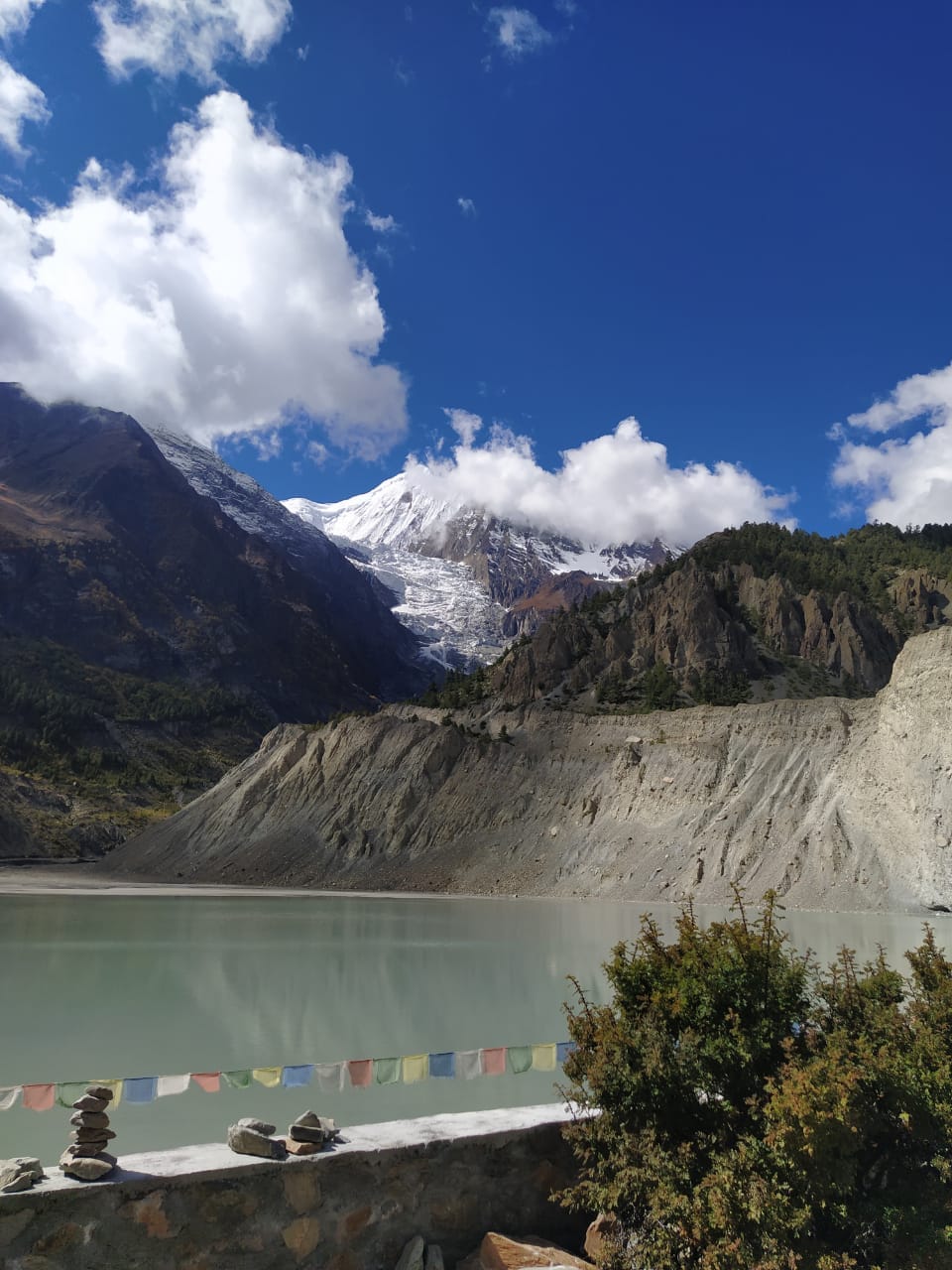
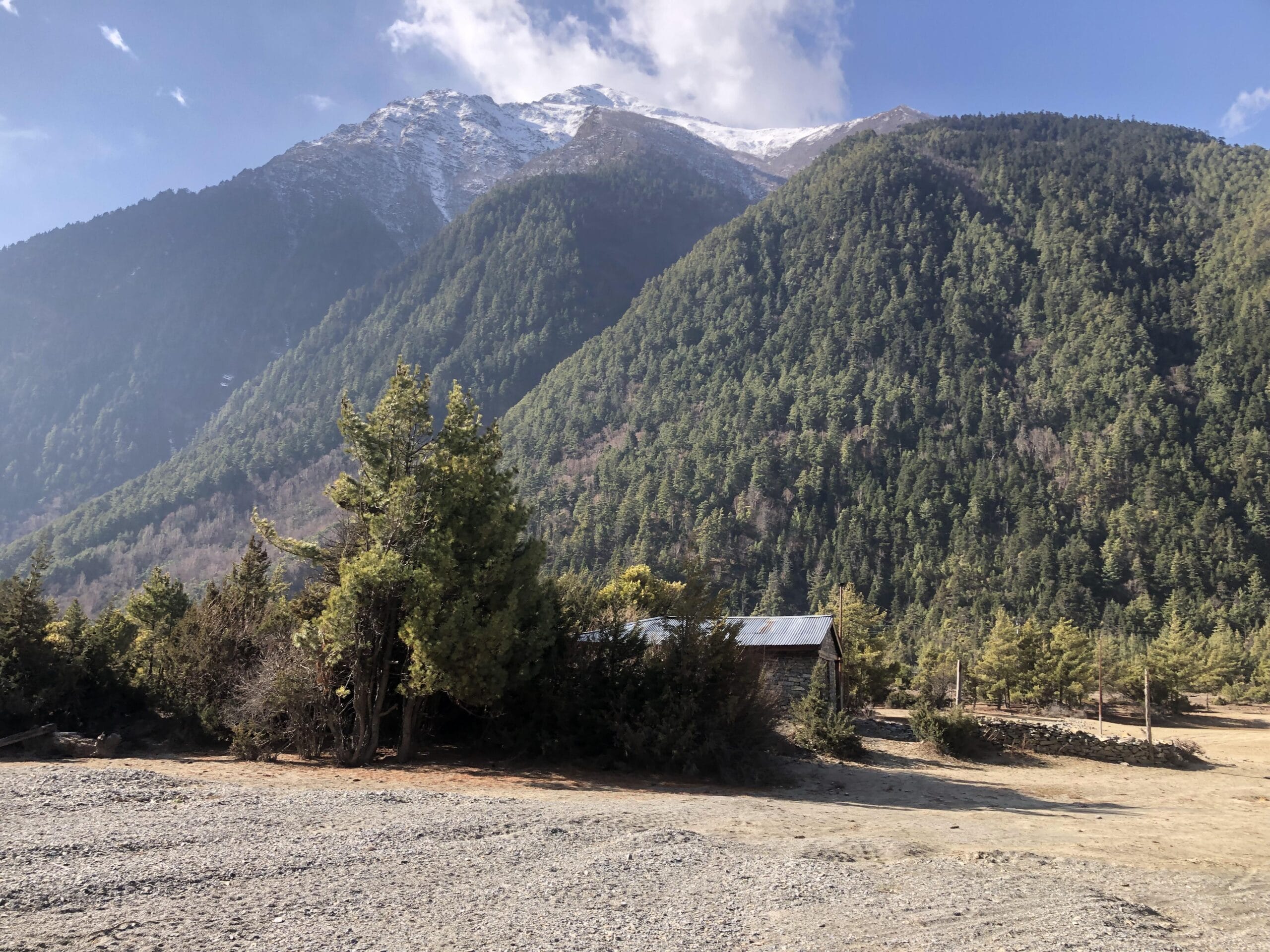
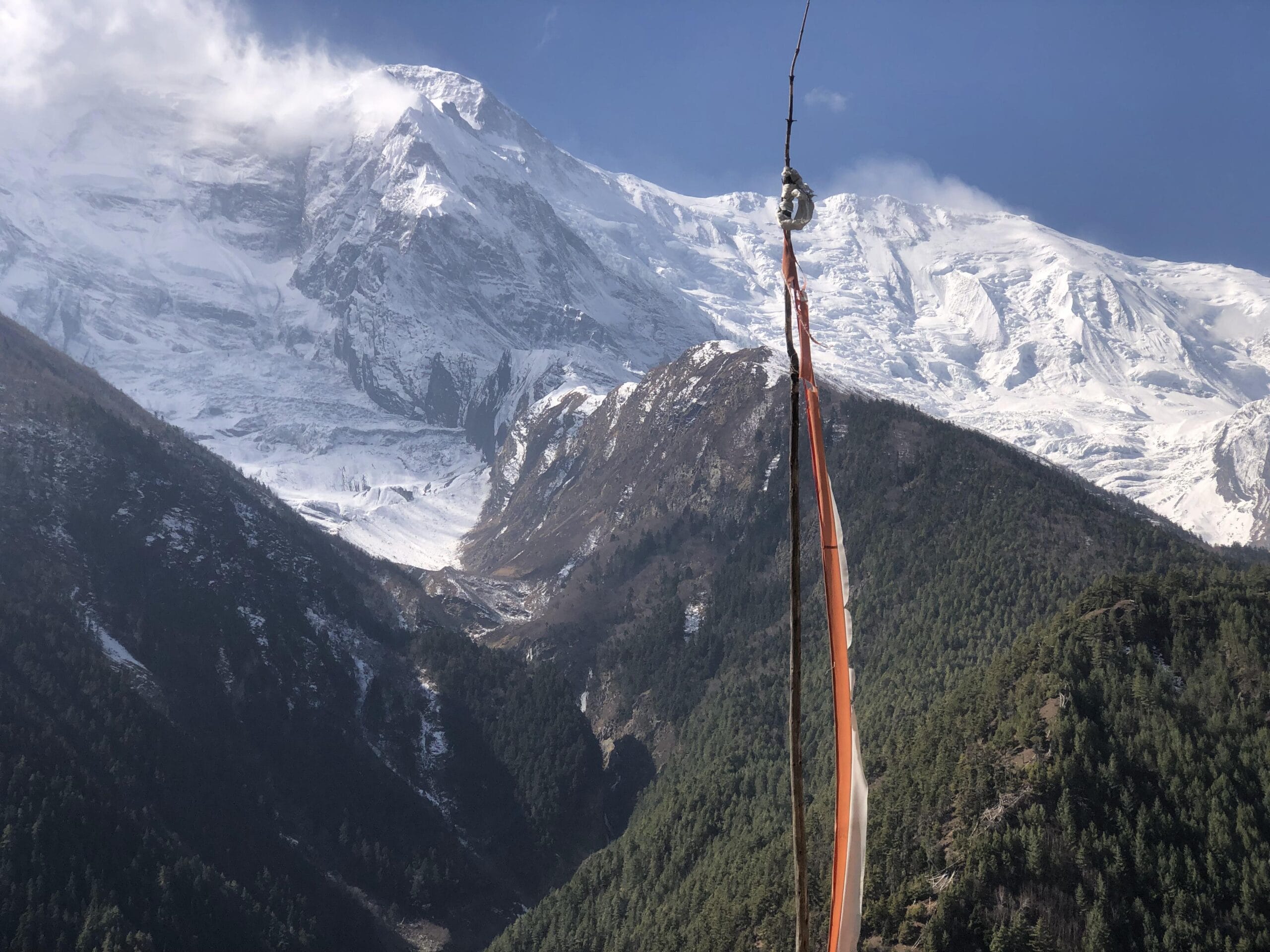
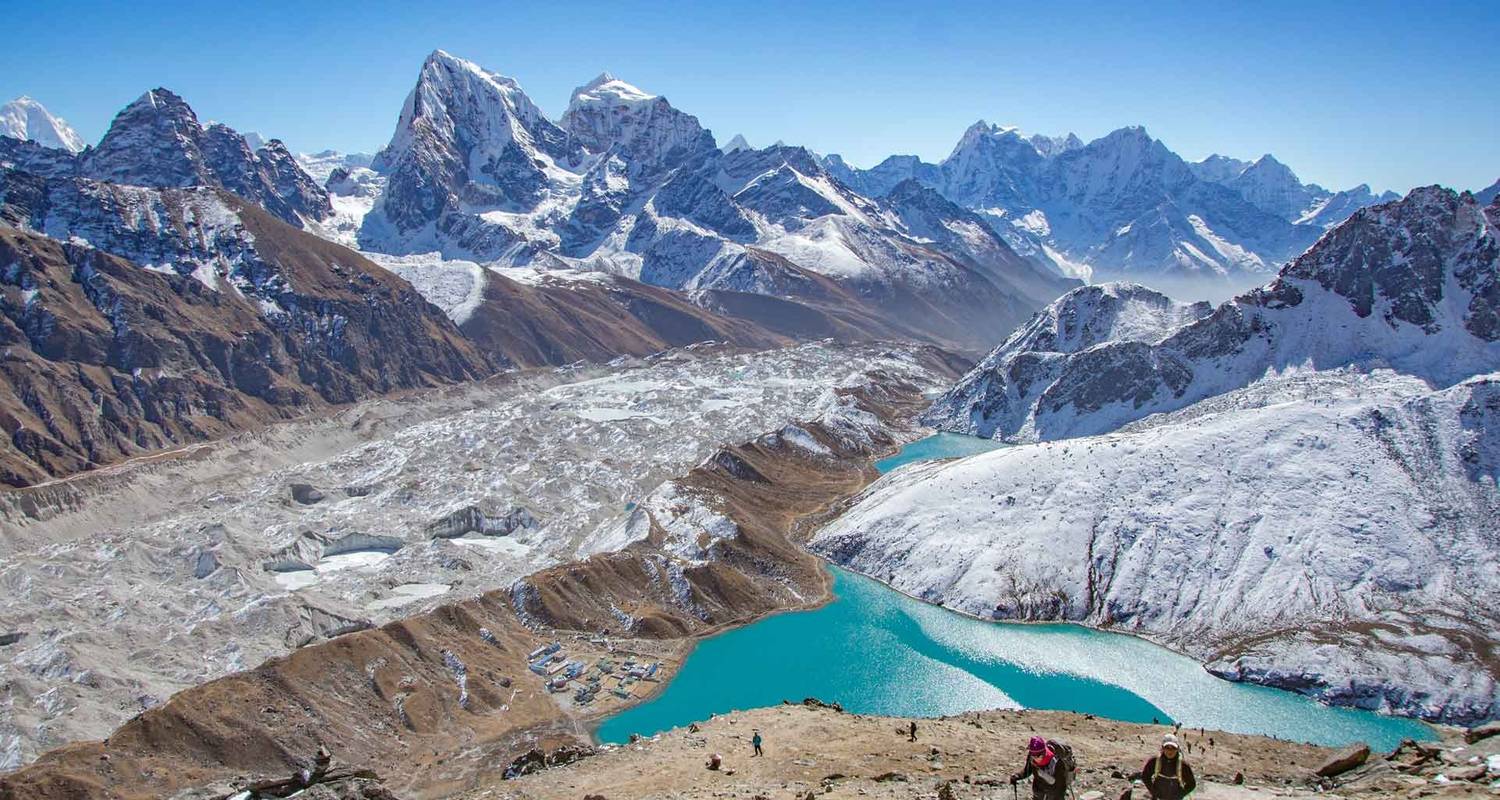
The Annapurna Sanctuary Trek is a unique geographical phenomenon. Unlike the long, linear valleys of the Everest region, the Annapurna Base Camp route leads you into a massive, high-altitude glacial basin. This basin is a natural amphitheater, encircled by a ring of ten peaks over 6,000 meters, including the towering Annapurna I (8,091 m)—the 10th highest mountain on Earth.
Why Choose the 9-Day Itinerary?
In the world of trekking, time is often a luxury. Our Annapurna Base Camp 9 Days Trek is designed for the modern adventurer. We have optimized the logistics by utilizing domestic flights and private jeep transfers, cutting out the long, dusty bus rides that traditionally plagued this route. This allows you to spend your maximum energy where it matters: on the trail, surrounded by rhododendron forests and snow-capped giants.
The Art Nepal Treks Experience
As a premier tourism provider, Art Nepal Treks focuses on “Cultural Luxury.” We believe that even in the rugged mountains, service should be impeccable. This package bridges the gap between a rugged mountain expedition and a curated cultural tour.
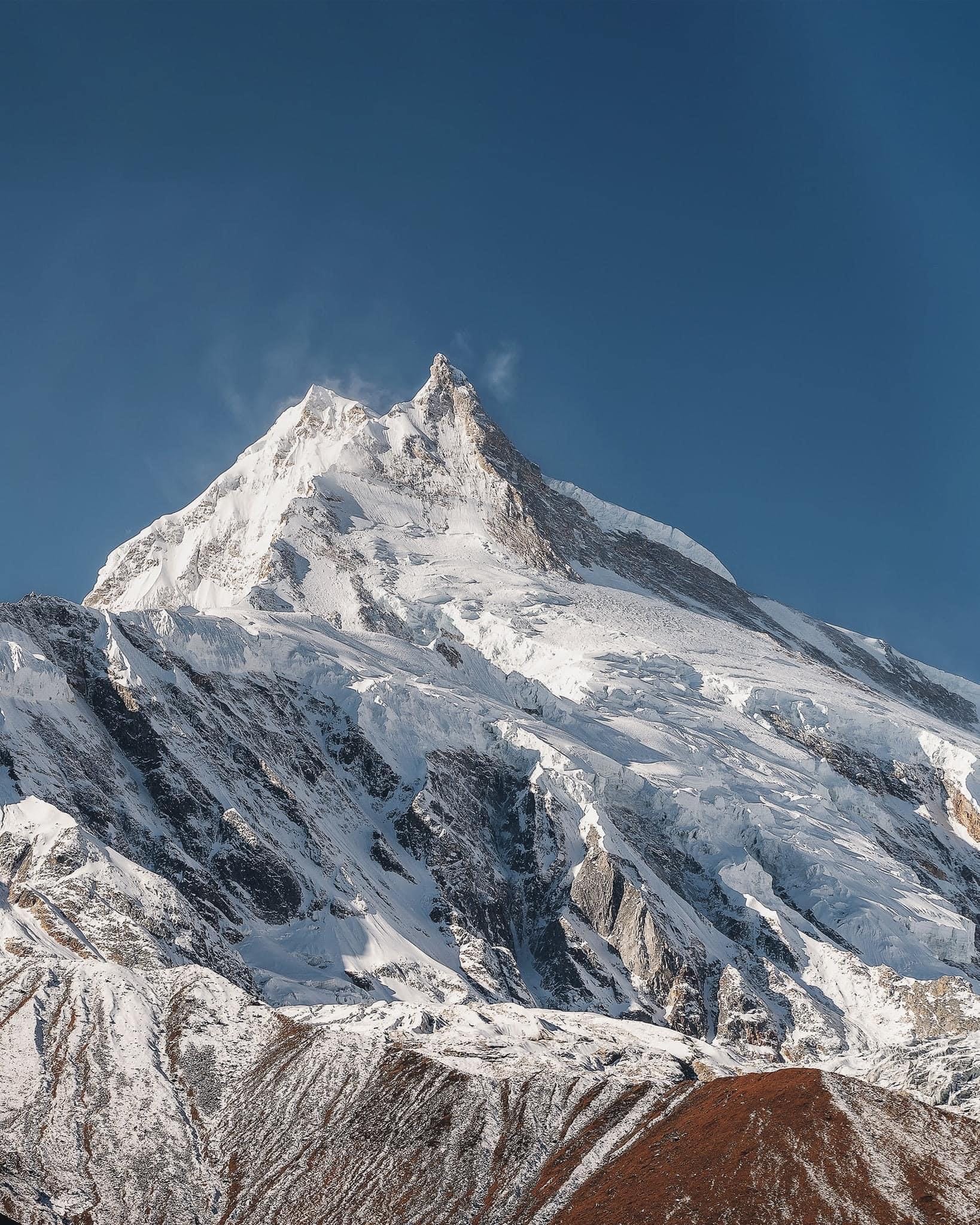
There is no visual experience on Earth quite like the sunrise at ABC. As the first rays of light hit the pale limestone face of Annapurna I, the mountain appears to glow from within, turning from a ghostly blue to a molten, fiery orange.
While Annapurna I is the highest, Machhapuchhre (6,993 m) is arguably the most beautiful. Its distinct double-peak resembles a fish’s tail. Because it is considered sacred to the god Shiva, it remains one of the few mountains in Nepal that has never been summited by human feet.
The trek passes through the Annapurna Conservation Area, home to one of the world’s largest rhododendron forests. In the spring (March–April), these hillsides explode in shades of crimson and pink, contrasting sharply against the white backdrop of the mountains.
After days of trekking, your body will crave recovery. On the descent, we stop at the natural thermal springs of Jhinu Danda. Soaking in warm, mineral-rich water while listening to the glacial Modi Khola river rush by just feet away is the ultimate reward.
Your journey begins at Tribhuvan International Airport (TIA). A representative from Art Nepal Treks will greet you with a traditional silk scarf (Khada) and transport you to the Hotel Roadhouse in Thamel.
Nepal’s mountains are inseparable from its spirituality. We spend the day visiting three UNESCO World Heritage Sites:
We take a 25-minute scenic flight to Pokhara. Grab a seat on the right side of the plane for views of the Langtang and Manaslu ranges. From Pokhara, a 3-hour jeep drive takes us to the bridge at Jhinu.
The trail drops down to the Chhomrong Khola river and then climbs steeply back up to Sinuwa. We enter a dense “cloud forest” filled with moss-covered trees and bamboo groves.
As we climb higher, the humidity of the jungle fades. We pass through “Himalaya Hotel” and the Hinku Cave. The valley narrows, and the Modi Khola river becomes a thunderous companion at your side. We reach Deurali, where the air starts to feel noticeably thinner.
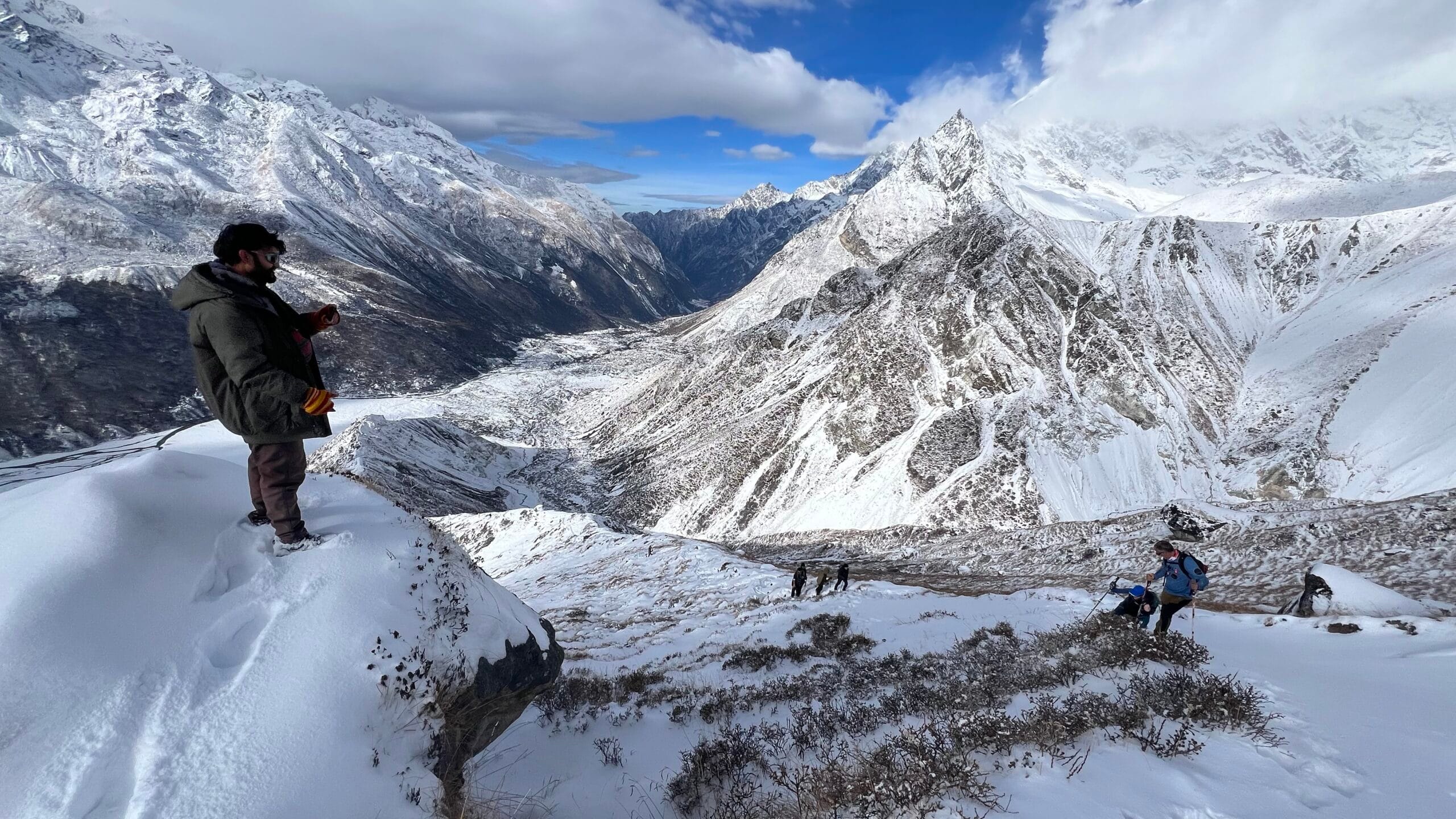
Today is the climax. We trek past Machhapuchhre Base Camp (MBC). The “Sanctuary” opens up—a wide, flat glacial valley surrounded by a fortress of mountains. Walking the final two hours to ABC is a surreal experience as you realize you are now standing inside the mountain range.
After an unforgettable sunrise, we begin our descent. Descending is easier on the lungs but requires focus on the knees. We retrace our steps, watching the alpine tundra melt back into the green bamboo forests.
We trek back to Chhomrong for a final mountain lunch before descending to Jhinu Danda. The afternoon is dedicated to the Hot Springs. This is a celebratory evening for the group, marking the successful completion of the high-altitude portion of the trek.
A short morning walk brings us to our private vehicle. We return to Pokhara for a farewell lunch by the lake before catching our afternoon flight back to the capital.
Airport pick-up and drop-off in Kathmandu.
3-star hotel in Kathmandu (twin-sharing) with breakfast.
Domestic flights: Kathmandu → Pokhara → Kathmandu.
Private jeep/vehicle transfers (Pokhara to Jhinu and back).
All teahouse accommodations during the trek (twin-sharing).
All meals during trekking (breakfast, lunch, dinner).
Experienced, English-speaking, government-licensed trekking guide.
Porter services (one porter for two trekkers, carrying up to 12–15 kg).
Trekking permits: ACAP (Annapurna Conservation Area Permit) and TIMS.
Safety equipment: group first-aid kit, pulse oximeter for monitoring.
Farewell lunch in Pokhara.
Government taxes and service charges.
Cultural activities included in Kathmandu city tour (Swayambhunath, Pashupatinath, Boudhanath)
International airfare to/from Nepal.
Nepalese visa fees.
Travel insurance (mandatory; must cover high-altitude trekking).
Lunch and dinner in Kathmandu (except welcome/farewell meals).
Personal expenses: snacks, drinks, hot showers, Wi-Fi, battery charging.
Personal trekking gear (sleeping bag, down jacket, etc.—available for rent).
Tips for guides and porters (customary).
Extra costs due to flight delays or cancellations.
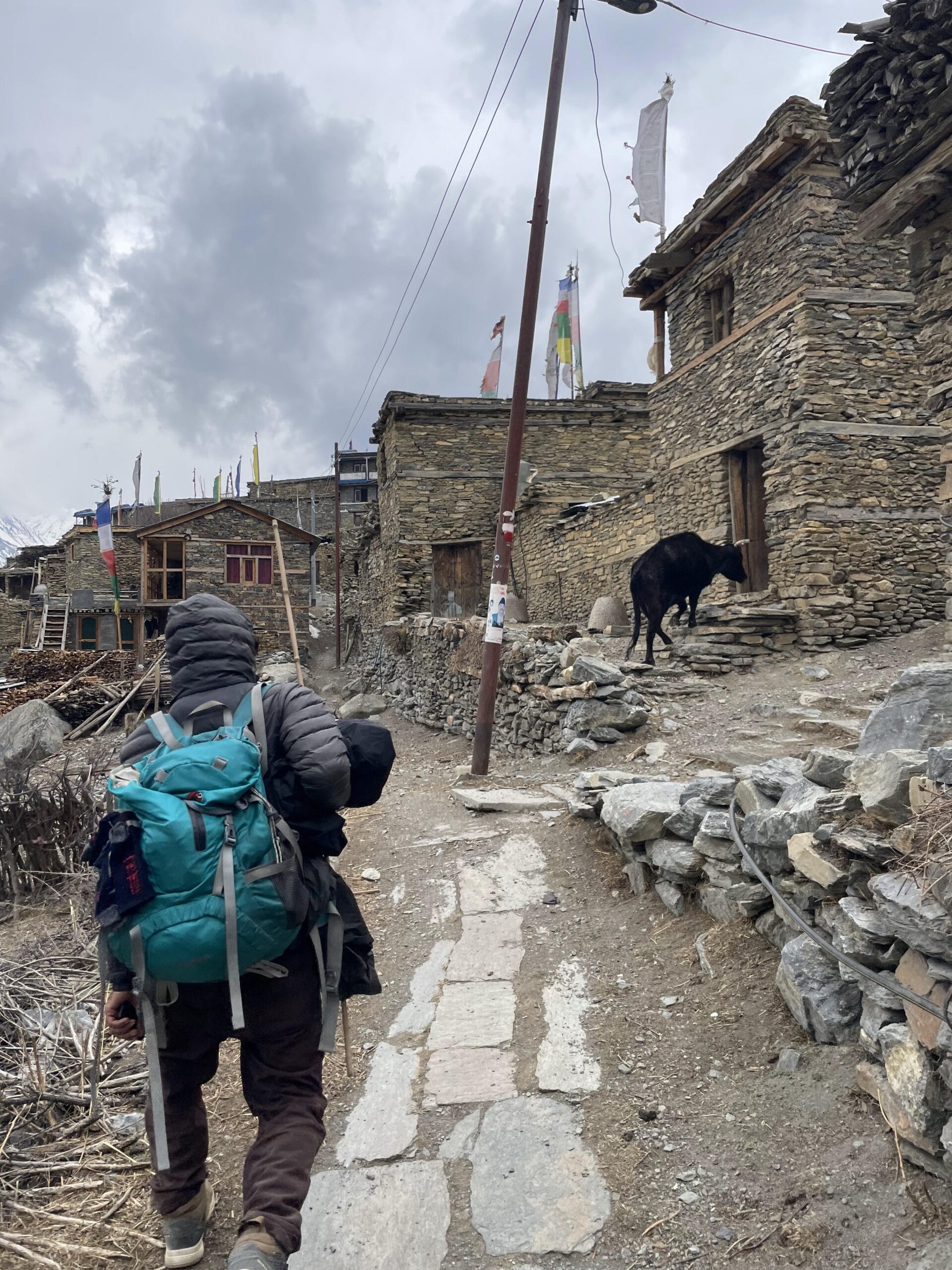
The Short Annapurna Trek Nepal is famous for its “teahouse” system. These are small, family-run lodges. While the rooms are simple (usually two twin beds), the dining halls are heated by central stoves and serve as the social hub for trekkers from around the world.
The unofficial motto of Nepal is “Dal Bhat Power, 24 Hour.” This meal of steamed rice, lentil soup, vegetable curry, and spicy pickles is nutritionally perfect for trekking. At Art Nepal Treks, we ensure our partner teahouses maintain high hygiene standards, offering a mix of local and international cuisines including pasta, pancakes, and ginger-lemon-honey tea.
The ABC Trek is classified as Moderate.
Every trekker in the Annapurna region must have:
Art Nepal Treks handles all permit paperwork so you can focus entirely on your journey.
The Annapurna region is the heartland of the Gurung ethnic group. Known for their bravery as Gurkha soldiers, they are equally famous for their hospitality. You will see traditional stone houses, prayer wheels, and “Mani walls” (stone tablets inscribed with Buddhist mantras). Respecting local customs—such as walking clockwise around shrines—is a vital part of the experience.
High Altitude Cerebral Edema (HACE) and Pulmonary Edema (HAPE) are risks above 3,000 m.
We eliminate the stress of Nepali mountain roads by providing:
Art Nepal Treks is not just a company; we are a family of mountain professionals.
The Annapurna Base Camp 9 Days Trek is a journey of a lifetime. It is a chance to step away from the noise of the modern world and enter a realm of silence, stone, and ice. With Art Nepal Treks, you are not just a tourist; you are an honored guest in our mountains.
Are you ready to witness the grandeur of the Annapurna Sanctuary?
[Contact Art Nepal Treks today to secure your spot for the upcoming season. Your Himalayan adventure starts here!]
30L-40L Daypack, 100% UV protection sunglasses, and a reusable water bottle.
Power bank, spare camera batteries (cold drains batteries fast!), and a universal adapter.