
Kailash Mansarovar Yatra

Tibet
Duration N/A
slide image
slide image

Introduction

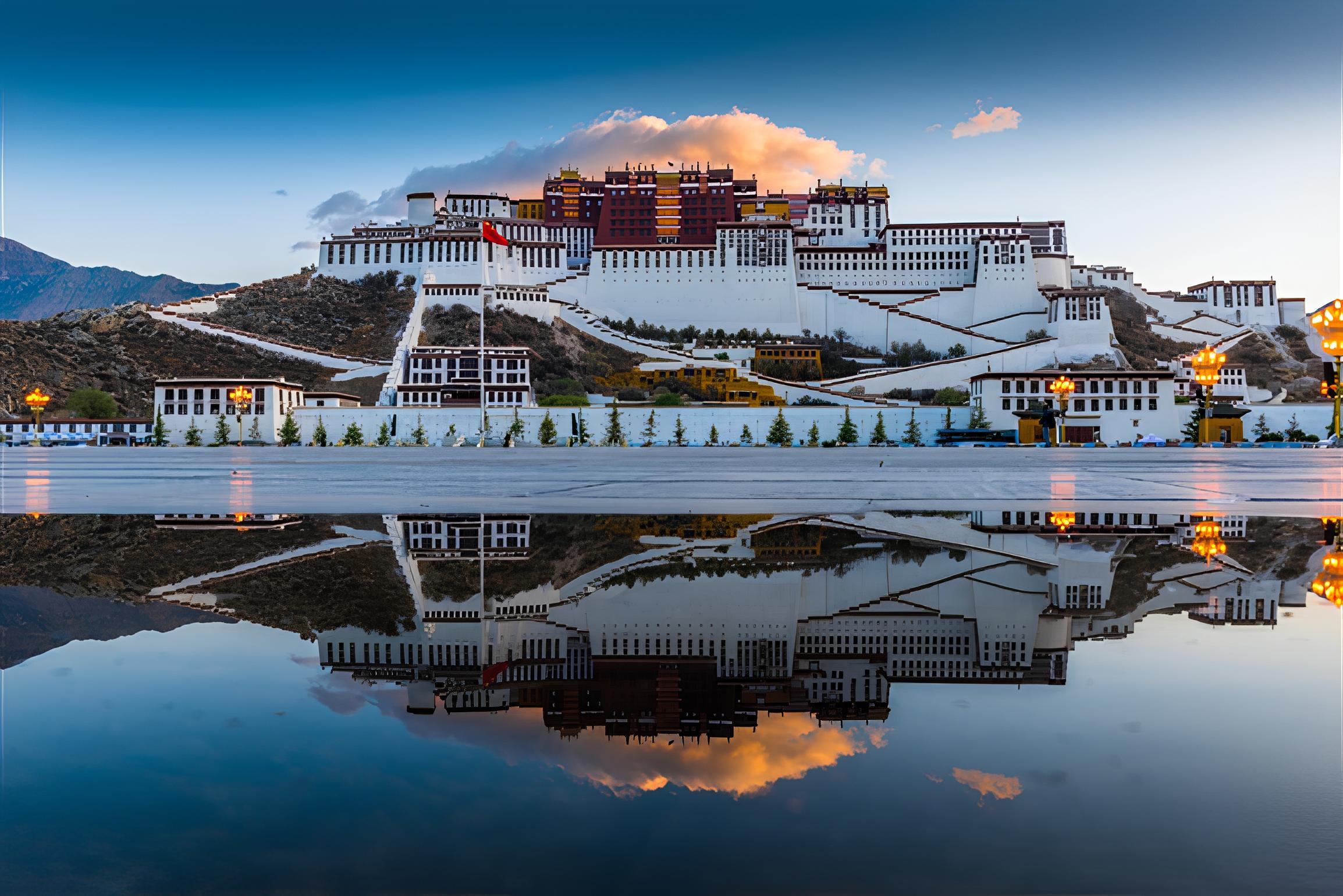
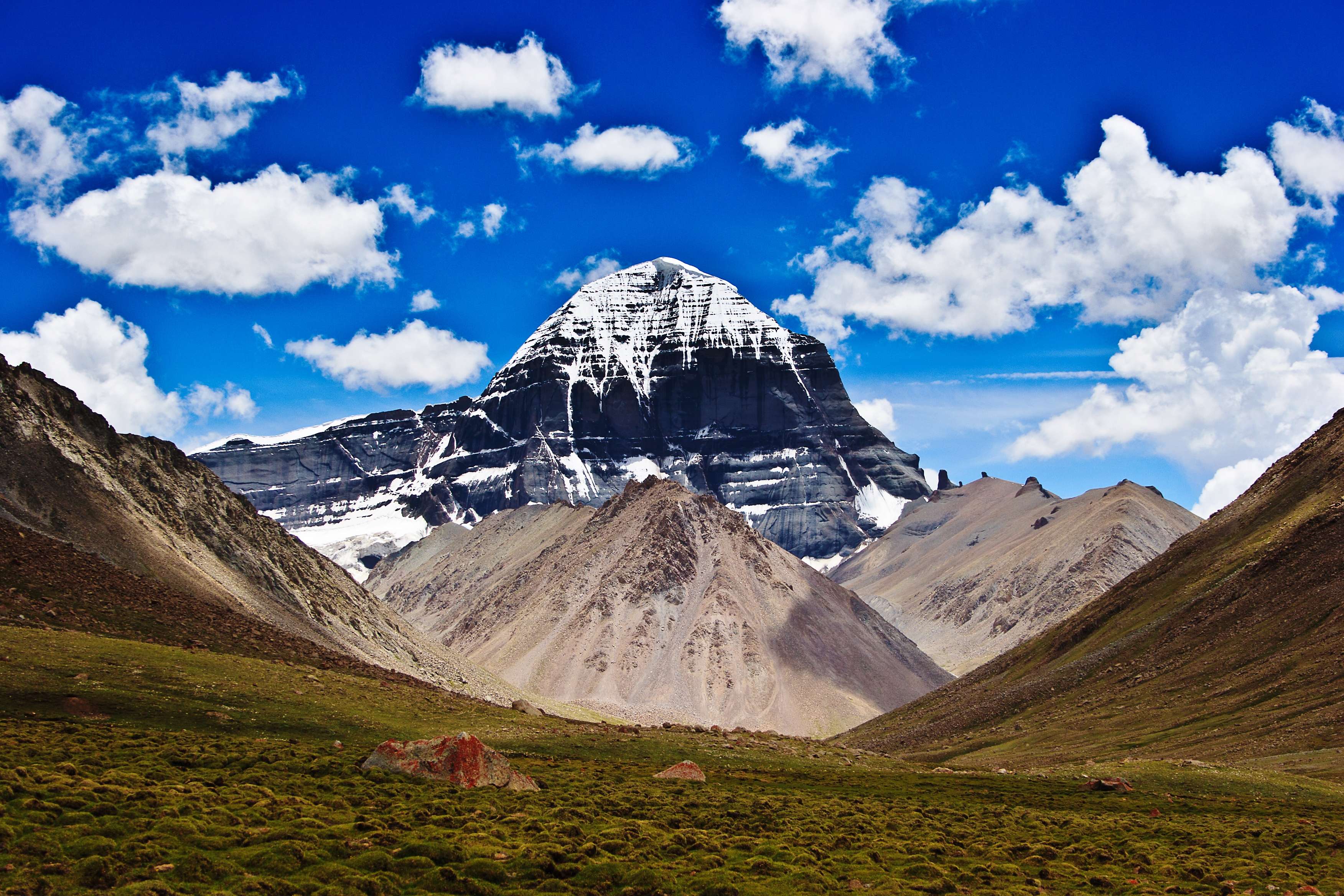
The Kailash Mansarovar Yatra is a sacred pilgrimage revered by Hindus, Buddhists, Jains, and Bon devotees. This journey leads travelers to the holy Mount Kailash, believed to be the abode of Lord Shiva, and the pristine Lake Mansarovar, whose waters symbolize purity and spiritual enlightenment. The landscape is vast, rugged, and deeply serene, offering an atmosphere ideal for introspection and devotion.

Undertaking the parikrama (circumambulation) of Mount Kailash is considered one of the most profound spiritual acts, believed to cleanse a lifetime of negative karma. Despite the challenging high-altitude terrain, the journey provides unmatched spiritual fulfillment, breathtaking Tibetan plateau scenery, and an experience that stays with pilgrims forever.

  • Trip Duration

    Duration N/A

Highlights

  • Perform sacred rituals at Mansarovar Lake, one of the holiest lakes in Asia
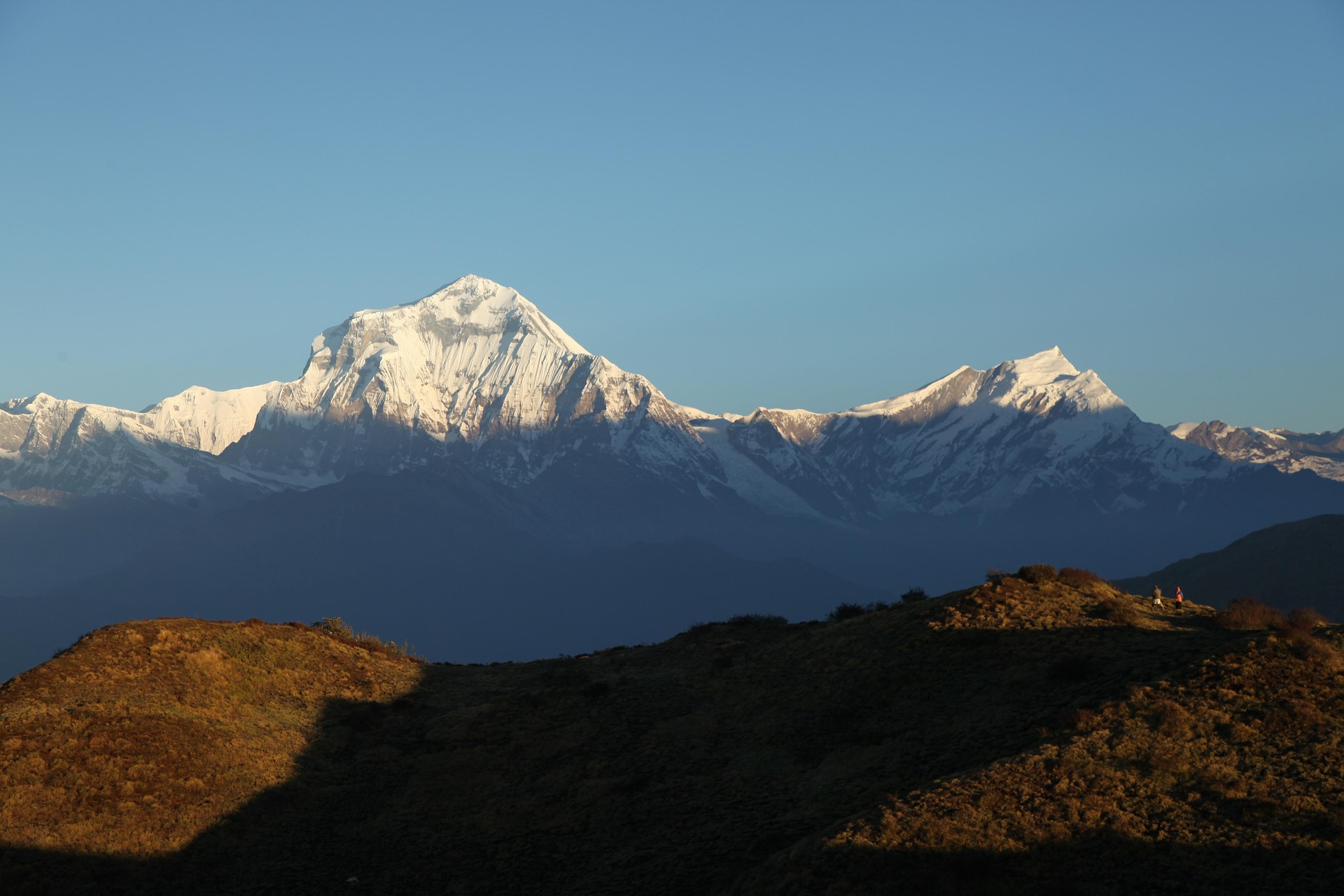
  • Witness the awe-inspiring view of Mount Kailash (6,638m)
  • Complete the spiritual Kailash Kora, believed to purify sins
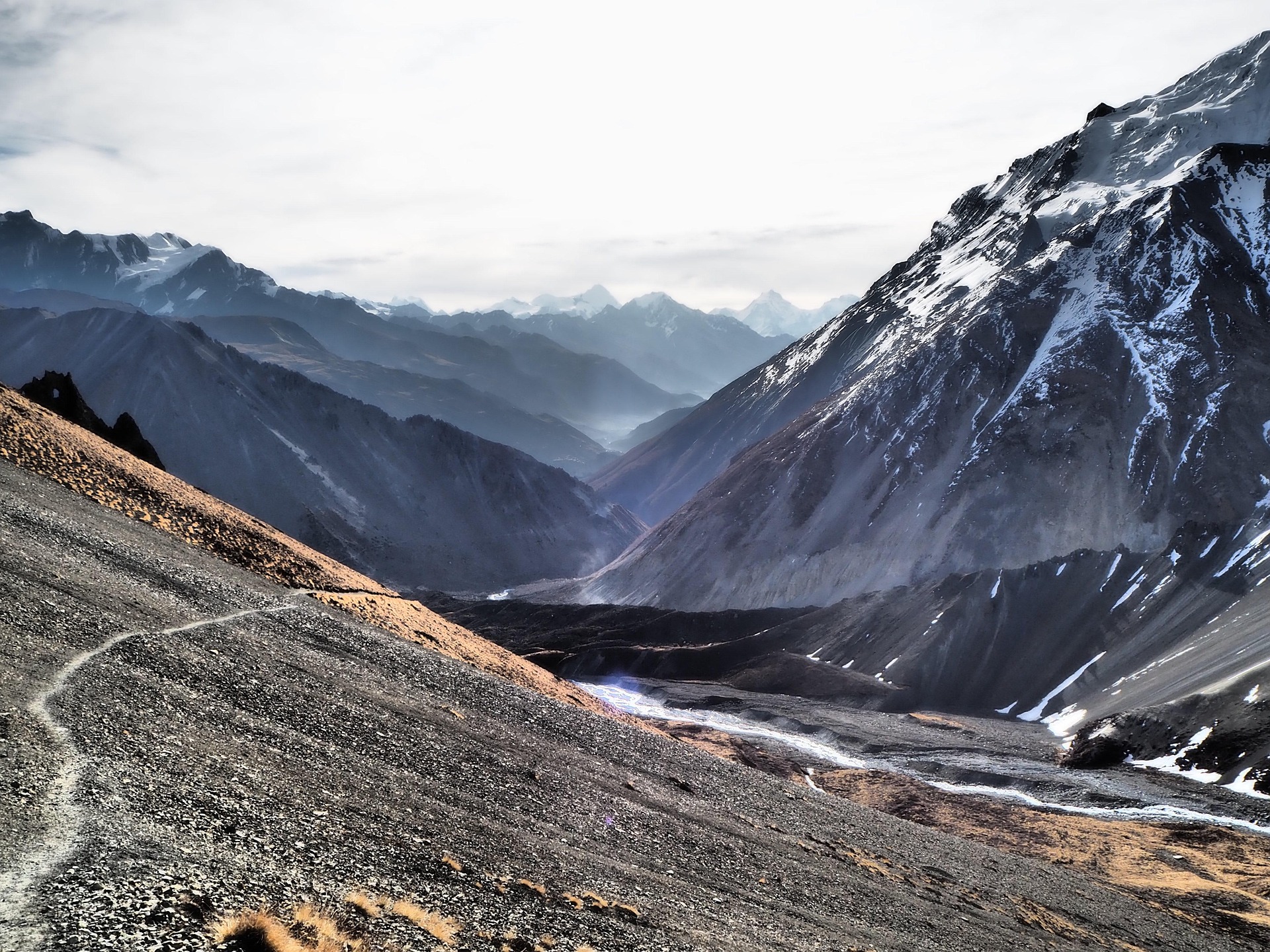
  • Traverse the high-altitude Dolma La Pass (5,636m)
  • Visit ancient monasteries, Tibetan villages & stunning Himalayan landscapes
  • Experience rich spiritual energy, cultural immersion & meditation time
  • Scenic drives across the remote Tibetan plateau
  • Enjoy peaceful reflections, rituals & sunrises over Mansarovar Lake
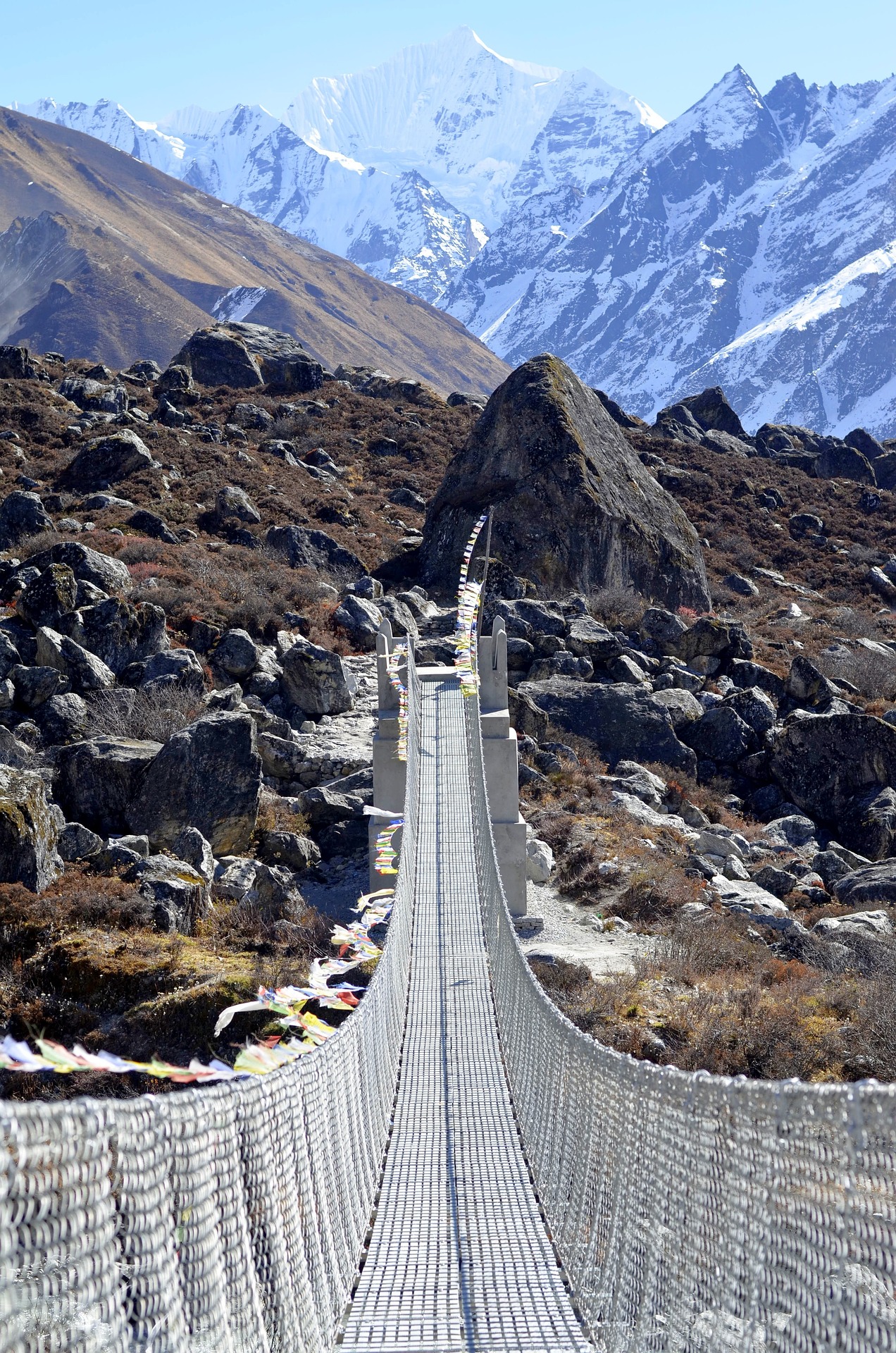
  • Encounter prayer flags, yak caravans & authentic Tibetan hospitality
  • A journey combining spirituality, culture, adventure & natural beauty

Itinerary

Day 01

Arrive in Kathmandu and transfer to your hotel. Evening briefing and preparation for the Yatra. Overnight stay.

Trip Duration:
6 hrs
Altitude:
1350 m
Meal:
Breakfast
Accomodation :
Hotel

Day 02

Visit Pashupatinath Temple, Guhyeshwari Temple, and Budhanilkantha. Afternoon: Tibet visa processing. Free evening.

Trip Duration:
5 hrs
Altitude:
1350 m
Meal:
Breakfast
Accomodation :
Hotel

Day 03

Scenic drive through hills, rivers, and terraced landscapes toward the Nepal–Tibet border town Syabrubesi. Overnight stay.

Trip Duration:
6 hrs
Altitude:
1400
Meal:
Breakfast, Lunch
Accomodation :
Hotel

What's Included

  • Airport pickup & drop in Kathmandu
  • Kathmandu hotel accommodation with breakfast
  • Guided sightseeing in Kathmandu (Pashupatinath, Budhanilkantha, etc.)
  • Tibet travel permit, visa & necessary documentation
  • Kathmandu–Kerung–Kathmandu ground transportation
  • Comfortable accommodation in Tibet (guesthouses/hotels)
  • All meals during Tibet travel (breakfast, lunch, dinner)
  • Support crew, guides & necessary staff for the Yatra
  • Yak/porter support during Kailash Kora (as required)
  • Oxygen cylinder & first aid support for emergencies
  • All government taxes and service charges

What's Excluded

  • Nepal visa & international airfare
  • Personal expenses: snacks, drinks, souvenirs
  • Travel insurance covering high-altitude evacuation (mandatory)
  • Horse rental during the Kailash Kora (optional & personal choice)
  • Tips for guide & support staff
  • Emergency rescue, medical expenses & additional accommodation
  • Extra expenses due to natural delays, political issues, or weather
  • Any items not mentioned in the “Includes” section

Essential Info

Best Time to Trek

The Everest Base Camp trek is best experienced in two main seasons:

  • Spring (March–May): The trail comes alive with rhododendron forests and blooming alpine flora. Mornings are generally clear, offering spectacular mountain vistas, though occasional afternoon clouds can appear. Snow on higher passes usually starts melting, making trekking easier. Wildlife is active, and photography opportunities are excellent with vibrant contrasts.
  • Autumn (September–November): Post-monsoon clarity brings unmatched visibility and crisp, cool nights. Trails are livelier, lodges are well-stocked, and high-altitude paths are firm and stable. Late October to early November is ideal for deep-blue skies and unobstructed views of Everest, Lhotse, and Ama Dablam.
  • Shoulder Periods: Early December can still offer good trekking if weather permits, though it is colder and days are shorter. Late February marks the start of spring trekking, but snow may linger on high passes. Monsoon (June–August) brings lush green landscapes and quiet trails at lower elevations, but the high passes remain wet, slippery, and challenging.
Duration and Difficulty

The classic Everest Base Camp trek takes 14–15 days from Kathmandu to Kathmandu, including acclimatization and rest days. It is rated moderate to strenuous, suitable for physically fit trekkers. Altitudes reach Kala Patthar at 5,545 m and EBC at 5,364 m, requiring proper acclimatization. The trail includes gradual ascents, rocky paths, and occasional icy sections, so preparation and stamina are key.

Accommodation and Meals

Accommodation along the trail is in teahouses and lodges, offering basic facilities and shared bathrooms. Meals typically include breakfast, lunch, and dinner, focusing on local Nepali cuisine such as dal bhat, noodles, and soups. Hot showers are limited and usually charged separately.

Trip Price

On Request

Talk To Trip Expert

expert image

Art Nepal

Trip Expert
Have Any Questions?
Whatsapp/Viber +977-9810271256
Share this Trip